




How to Reduce Wear in Brass Lathe Screws?
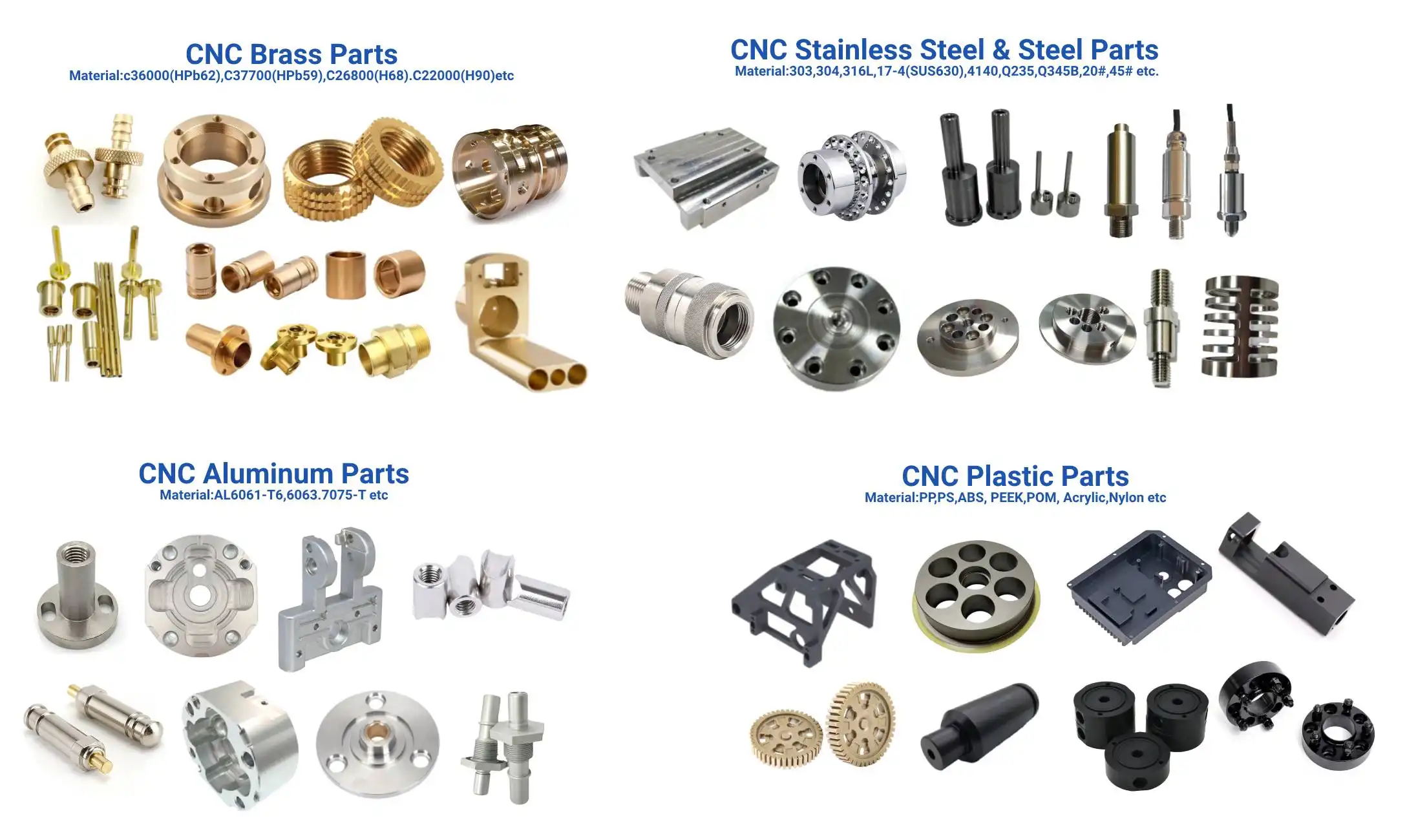
Keeping brass lathe screws from wearing out needs a planned approach that includes lubrication, choosing the right material, installing them correctly, and doing regular upkeep. We've seen at Dongguan Junsion Hardware Co., Ltd. that using special synthetic lubricants lowers friction coefficients by 30 to 40 per cent compared to using regular oils. Choosing high-quality brass metals with the right hardness grades, making sure that dimensions are accurate to within ± 0.01mm, and protecting the surface with electroplating or anodising greatly increases the life of the component. Regular inspections and making sure the parts are aligned correctly during installation stop them from breaking down too soon. These combined methods reduce the effects of rough and sticky wear, making sure the best performance in production settings for electronics, communications, and consumer goods.
Understanding Wear in Brass Lathe Screws
The Nature of Wear Mechanisms in Brass Components
Three main types of wear can cause fine brass parts to lose their shape: abrasive wear, sticky wear, and chemical processes. When harder bits or surfaces rub against the brass machine screw threads, they remove material piece by piece. This is called abrasive wear. When metal surfaces micro-weld under pressure and then break apart when they move, moving material between the contact points, this is called adhesive wear. Chemicals in the environment can cause corrosive wear, especially in wet or chemically active environments like those found in factories.
Material Properties Influencing Brass Durability
Brass can be easily machined and doesn't fight rust very well, which makes it useful for making precise tools. The metal is naturally soft (usually between 60 and 100 HB on the Brinell scale), which makes fitting easier but also makes it more likely to wear out than harder steel options. The amount of zinc in brass materials affects how easily they dezincify, which is a type of selective leaching that weakens structures over time. Knowing about these features of materials helps purchasing managers weigh the benefits of lower starting costs against the need for long-term performance.
Environmental and Operational Factors Accelerating Degradation
Wear rates in threaded parts are directly affected by the amount of load, the speed of spinning, and the temperature changes. Brass's mechanical qualities can change when it is heated above 150°C, which makes it less resistant to wear. The surface wears down faster because of rough media like metal chips, coolant leftovers, and flying particles. Metals can touch when the lube film isn't thick enough, which makes friction coefficients and wear rates go up rapidly. Industrial repair records show that parts that work well under ideal conditions last two to three times longer than parts that are neglected or don't have the right environmental controls.
Comparative Analysis: Brass Versus Alternative Materials
Steel is harder and more resistant to wear than other materials, but it is harder to work with and rusts more easily. Stainless steel is very durable in harsh environments, but it can be hard to thread precisely because it tends to harden over time. Aluminium metals are lighter, but they aren't strong enough for heavy loads. For uses that need to carry electricity, kill germs, and have good mechanical qualities, brass is still the best choice. Junsion makes parts out of 45 different types of steel, aluminium alloy, stainless steel, and brass. This way, customers can choose the materials that work best for their needs, and we can keep the sizes exactly as they are, with a precision of ±0.01mm and a surface roughness of ≤ Ra0.8μm.
Identifying Performance Bottlenecks Leading to Excessive Wear
Insufficient Lubrication Regimes
Most of the time, premature component failure is caused by inadequate lubrication. A lot of places use lubricants in different ways or make them in ways that don't work with brass metal. Water-based coolants can make rust worse, and goods made from gasoline may not have the extreme-pressure chemicals they need. When reapplication times are too short, boundary lubrication situations can happen where protection films break down, exposing the base metal to direct contact stress. Tribology tests show that using the right amount of grease can cut down on wear by 70–85% compared to going without any oil.
Improper Component Selection and Specification Errors
When you select brass lathe screw components without considering their load ratings, thread pitch requirements, or alloy composition, operational mismatches are inevitable. A brass machine screw designed for light‑duty applications will fail prematurely under heavy loads. Thread pitch mismatches lead to uneven load distribution, creating stress concentration points that accelerate crack initiation. Sourcing based solely on initial price without evaluating mechanical property specifications results in a higher total cost of ownership due to increased replacement frequency and production downtime.
Inconsistent Maintenance Practices
Reactive repair methods wait until a part breaks down before they do anything, which increases the risk of downtime and additional damage. Standardised checking methods make it hard to find early signs of wear, like thread warping, surface cracking, or changes in size. Cleaning methods that don't focus on threaded areas let dirt and grime build up, making rough slurries that speed up the wear process. Maintenance teams that haven't been properly trained may overtighten bolts, putting too much stress on the material and breaking it before it's due, or they may not notice the early signs of failure.
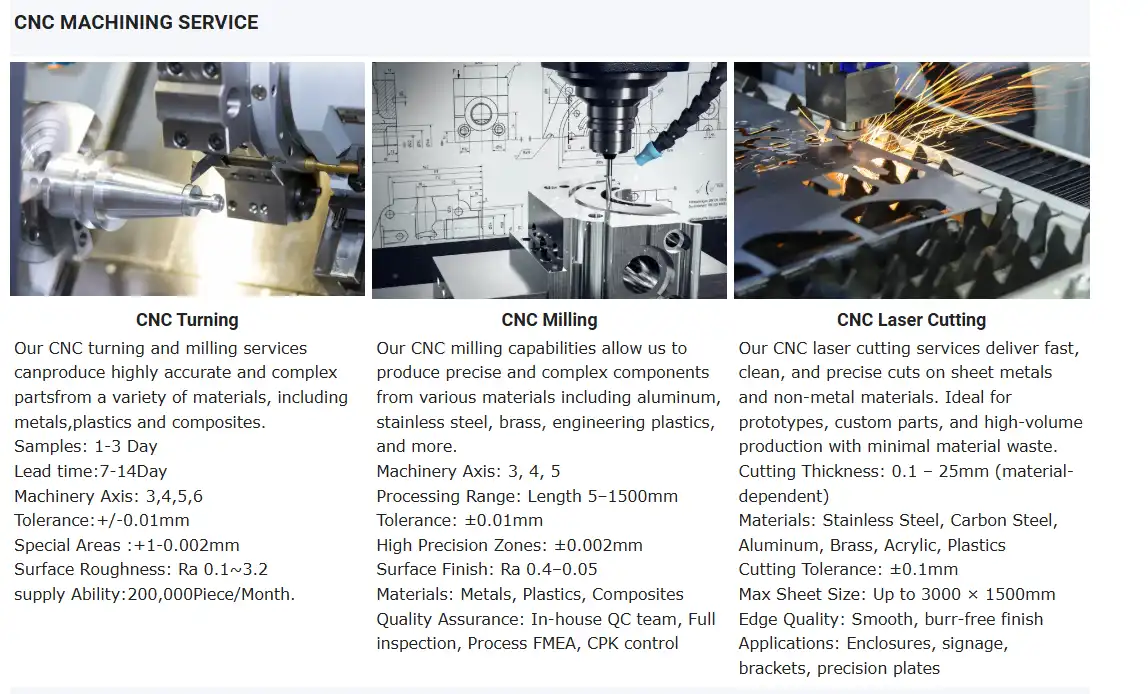
Because of these bottlenecks, cutting accuracy goes down, the amount of waste goes up, and output stops without warning. Electronics makers say that focusing on these three things lowers the number of times they have to change parts by 60% and raises the consistency of the sizes of finished goods. Junsion's CNC machining skills allow us to make precise parts by turning, five-axis machining, milling, grinding, drilling, tapping, and reaming. This makes sure that the parts fit perfectly and reduces working stress and wear.
Effective Methods to Reduce Wear in Brass Lathe Screws
Optimised Lubrication Strategies
Using specialised greasing tools cuts down on wear in a way that can be measured. When molybdenum disulfide or PTFE are added to synthetic oils, they make boundary films that are strong and can handle big changes in temperature and pressure. Here are some tried-and-true ways to lubricate parts that make them last longer:
- Synthetic ester-based lubricants stay stable at temperatures up to 200°C and have viscosity index scores above 150, so they protect consistently in a wide range of temperatures that are common in places where electronics are made.
- Nanoparticle-enhanced greases with copper or ceramic ingredients smooth out tiny surface flaws. This lowers the effective contact pressure by spreading loads over a larger surface area.
- Automated lube systems give exact amounts at set times, so there is no room for mistakes, and the film width stays the same throughout operating cycles.
These new greasing methods are much better than the old ways of doing things. The testing done on shipping and storage equipment shows that synthetic formulas increase the time between upkeep by 150 to 200% while lowering friction coefficients to lower energy use. Investing in good oils pays off because they lower the cost of replacing parts and make operations more reliable.
Advanced Material Technologies and Surface Treatments
New developments in material engineering have made threaded screws much more useful. High-quality brass metals with controlled amounts of lead make them easier to machine while keeping the structure strong. Surface engineering methods used in manufacturing build walls that keep the environment from breaking down. At Junsion, we use a variety of finishing methods, such as electrophoresis, wire drawing, sanding, anodising, sandblasting, plating, blackening, and electrophoresis to change the surface properties based on the needs of the application.
Nickel or tin electroplating protects against rust in damp places while keeping electrical transmission. The QPQ (Quench-Polish-Quench) process makes the top layers very hard (up to 600–700 HV), so they don't wear down easily and don't affect the core's ability to bend. Dimensional stability is still very important. Our production methods keep limits within ± 0.01mm for all surface treatments. This makes sure that the parts fit perfectly and don't put too much stress on one area or distribute the load unevenly.
Precision Installation and Alignment Protocols
When installed correctly, many of the things that speed up wear are taken away. Alignment jigs and torque-controlled fitting tools make sure that parts fit together properly without causing extra stress. Calculating the thread contact depth stops partial threading situations that put more load on a smaller number of thread crests. Anti-seize chemicals that are used during building make it easier to take apart later and protect against rust even more. Case studies from companies that make consumer goods show that standard installation methods cut down on early failures by 45% compared to putting things together on the spot.
Structured Maintenance and Inspection Regimes
Proactive maintenance for brass lathe screw components dramatically extends service life. Scheduled inspections using precision measuring instruments detect dimensional changes before catastrophic failure occurs. Visual analysis identifies surface anomalies such as discolouration, indicating chemical attack or scoring patterns suggesting abrasive contamination. Cleaning protocols employing appropriate solvents remove accumulated residue without damaging protective surface treatments. Documentation systems maintain service records for each component, enabling maintenance decisions based on actual wear trends rather than arbitrary time intervals. This data‑driven approach optimises replacement schedules and minimises unplanned downtime.
Selecting the Right Brass Lathe Screws to Minimise Wear
Critical Specification Parameters
To get the best performance from a component, procurement workers have to look at a lot of different standard factors. The thread pitch decides how the load is distributed. Finer pitches spread forces over more contact points, but they also make more frictional surface area. When choosing a diameter, you have to weigh the need for strength against the need for room and weight. The makeup of an alloy affects both its mechanical qualities and its resistance to external damage. Copper-zinc ratios between 60/40 and 70/30 give different levels of longevity and ease of machining.
Material Selection Decision Framework
Brass is great for uses that need a reasonable amount of strength, along with easy machining and natural lubrication. Brass is good for putting together communications devices because it is nonmagnetic and conducts electricity well. Brass's antibacterial properties and good looks are used in the production of consumer gadgets. But industrial equipment that has to handle heavy loads might need steel options, even though brass is better at resisting rust. The choice structure looks at the working environment, the load patterns, the ease of upkeep, and the total costs over the lifespan of the product.
Custom-Engineered Solutions for Specialised Applications
Standard catalogue parts meet most needs, but engineering that is specifically designed for a specific purpose is needed. At Junsion, our expert team works with product creators, buying managers, and buyers to make sure that each part is best for its unique use. Our high-tech processing methods, such as CNC machining, EDM, five-axis machining, casting, hobbing, and precise grinding, let us make parts with complicated shapes and accurate measurements that meet the needs of any application.
Buying in bulk can save you money and make sure that the quality of each production run is the same. Our building is 1,600 square meters and has 32 high-tech CNC tools that can work with brass, 45 steel, aluminium alloy, stainless steel, and industrial plastics. RoHS compliance and ISO 9001:2015 approval provide the quality guarantee that is needed for global supply lines that serve more than 20 countries in the transportation, consumer goods, technology, and communications industries.
Supplier Partnership Value Propositions
Building partnerships with brass lathe screw manufacturers that provide technical support and customisation capabilities offers significant competitive advantages. Responsive communication channels enable rapid resolution of specification inquiries or performance issues. Manufacturers with in‑house engineering teams can recommend material substitutions or design modifications that improve wear resistance without sacrificing functionality. Short lead times, essential for just‑in‑time production, maintain manufacturing continuity while reducing inventory carrying costs. These strategic relationships transform suppliers from passive order‑takers into value‑added partners invested in your production success.
Implementing a Continuous Improvement Strategy for Lathe Screw Wear Reduction
Data-Driven Monitoring and Analysis
To change maintenance from reactive to predictive, it is necessary to collect and analyse data in a planned way. Key success factors include measuring the rate of wear, keeping track of changes in dimensions, watching how surface hardness changes over time, and keeping track of the number of failures. Digital callipers and surface profilometers can be used instead of biased eye checks to make quantitative estimates. Trend analysis finds patterns of wear that are getting worse over time, which could mean that the parts aren't being oiled properly or are contaminated by the environment, before they break and stop operations.
Technical Training and Knowledge Development
Organisational competence is improved by giving repair teams a thorough understanding of how wear happens and how to stop it. People who go through training classes that cover the basics of material science, right fitting techniques, testing methods, and lube chemistry are better able to make choices. Knowledge-sharing tools make it easier for the production, maintenance, and purchasing teams to talk to each other. This encourages teamwork in fixing problems that get to the root causes instead of just treating the symptoms.
Strategic Supplier Partnerships
Collaborating with reputable manufacturers known for quality and technical expertise amplifies continuous improvement efforts. Suppliers offering application engineering support can analyse wear patterns and recommend specification changes or material upgrades. Access to emerging technologies—such as advanced coating systems or improved alloy formulations—enables competitive advantages through enhanced reliability and reduced maintenance costs. At Junsion, we maintain ongoing dialogue with clients, providing technical consultation that optimises component selection and application practices.
Conclusion
To lower wear in precision threaded parts, including brass lathe screw systems, you need strategies that take into account material choice, optimal lubricant, precise fitting, and preventative maintenance. Although brass is naturally soft, it has many useful properties that make it useful in electronics, communications, consumer goods, and shipping. These include being easy to shape, resistant to rust, and good at conducting electricity. Product makers and procurement managers get the best performance by choosing the right metal, using advanced surface processes, setting up strict upkeep plans, and working with manufacturers who can offer technical support and customisation. When companies start complete wear reduction programs, they get a lot of benefits, such as longer component service lives, less downtime, better product quality, and lower total cost of ownership. When you buy high-quality parts and do regular repairs, you get back a lot more than what you put in because your machine runs more reliably and you can compete in tough industrial markets.
FAQ
How often should brass lathe screws be lubricated?
Lubrication frequency depends on operational intensity and environmental conditions. High-speed machining operations running continuously require daily lubrication, while intermittent-use equipment may need weekly application. Automated lubrication systems provide optimal consistency, delivering precise quantities every 4-8 operating hours. Monitoring thread condition during regular inspections helps establish appropriate intervals for specific applications.
What are the benefits of coated brass screws?
Protective coatings significantly enhance wear resistance and corrosion protection. Electroplated nickel layers provide hardness improvements up to 400-500 HV while maintaining electrical conductivity. QPQ treatments create extremely hard surfaces resisting abrasive wear in contaminated environments. These surface enhancements extend component lifespan by 200-300% compared to untreated brass while preserving dimensional accuracy and thread integrity.
What are the early warning signs requiring replacement?
Visual indicators include thread deformation, surface pitting, discolouration from corrosive attack, and excessive play during rotation. Measurable signs include dimensional changes exceeding tolerance specifications, increased torque requirements during operation, and accelerated vibration levels. Proactive replacement upon detecting these symptoms prevents catastrophic failures and secondary damage to mating components or precision machinery.
Partner with a Trusted Brass Lathe Screw Manufacturer for Optimal Wear Reduction
Dongguan Junsion Hardware Co., Ltd. specialises in manufacturing precision brass lathe screws engineered specifically for wear resistance and operational longevity. Our ISO 9001:2015 certified facility produces components with customised dimensions, maintaining ± 0.01mm tolerances and surface roughness ≤ Ra0.8μm through advanced CNC machining, turning, milling, grinding, and precision finishing techniques. We offer comprehensive surface treatments, including plating, anodising, and QPQ processing, tailored to your environmental and performance requirements. Bulk procurement advantages include competitive pricing, rapid delivery timelines, and dedicated technical support addressing specification optimisation and application challenges. Contact our engineering team at Lock@junsion.com.cn to discuss customised brass lathe screw solutions that reduce wear, extend maintenance intervals, and enhance operational reliability across electronics, communications, consumer goods, and logistics applications worldwide.
References
1. Davis, J.R. (2001). Copper and Copper Alloys: ASM Speciality Handbook. ASM International, Materials Park, Ohio.
2. Hutchings, I.M. and Shipway, P. (2017). Tribology: Friction and Wear of Engineering Materials. Butterworth-Heinemann, Oxford.
3. Bhushan, B. (2013). Principles and Applications of Tribology, 2nd Edition. John Wiley & Sons, New York.
4. Budinski, K.G. and Budinski, M.K. (2010). Engineering Materials: Properties and Selection, 9th Edition. Pearson Education, New Jersey.
5. Rabinowicz, E. (1995). Friction and Wear of Materials, 2nd Edition. John Wiley & Sons, New York.
6. American Society for Testing and Materials (2019). ASTM G40-17: Standard Terminology Relating to Wear and Erosion. ASTM International, West Conshohocken, Pennsylvania.