




Understanding iron machinery part pricing trends for 2026 reveals significant market shifts driven by global supply chain evolution and technological advancement. Current data indicate that iron machinery part costs will experience moderate increases of 3-7% annually, influenced by raw material fluctuations and manufacturing innovations. Procurement managers face mounting pressure to secure reliable suppliers while maintaining cost efficiency. Market analysis demonstrates that strategic sourcing partnerships and OEM customization deliver optimal value propositions. Industry experts predict that precision-engineered components will command premium pricing due to enhanced quality standards and compliance requirements across electronics, communications, and logistics sectors.
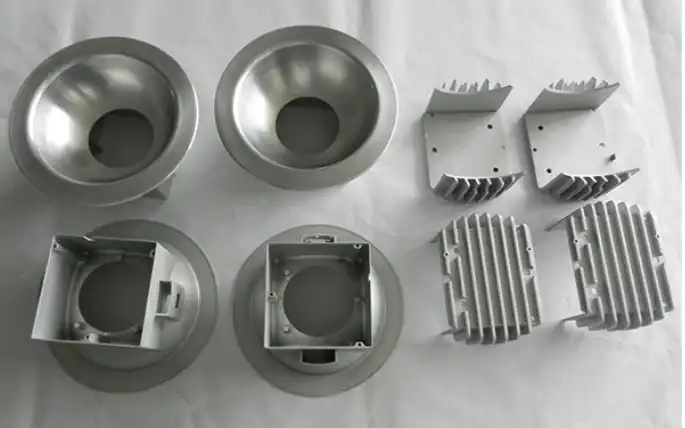
Global Pricing Analysis for Precision Machinery Components
Current Market Pricing Structure
Factory pricing for precision machinery components varies significantly across global markets. Standard steel components range from $0.50 to $15.00 per piece FOB, depending on complexity and material specifications. Aluminum alloy parts command prices between $1.20 and $25.00 per unit, while stainless steel variants reach $2.00 to $35.00 per piece. These prices reflect current market conditions and include basic surface treatments.
Minimum Order Requirements and Volume Discounts
Most manufacturers establish MOQ thresholds between 500 and 2,000 pieces for standard components. Volume discounts typically begin at 1,000 pieces, offering 8-12% reductions. Orders exceeding 5,000 units often secure 15-20% savings. Custom tooling costs for specialized parts range from $800 to $5,000, amortized across production runs.
Additional Cost Considerations
Import duties average 2-8% for most regions, while logistics expenses add $0.10-0.50 per kilogram. Quality certification fees contribute $200-800 per shipment. Rush orders incur 25-40% surcharges. Packaging specifications for electronics applications increase costs by 5-10%.
Market Dynamics Influencing Component Pricing
Raw Material Cost Fluctuations
Steel prices experienced 12% increases throughout 2024, directly impacting component costs. Aluminum market volatility creates quarterly price adjustments of 3-6%. Specialized alloys face supply constraints, driving premiums of 15-25% above standard materials. Recycled content requirements in some markets affect pricing structures significantly.
Manufacturing Process Innovations
Advanced CNC machining capabilities reduce production times by 20-30%, offsetting higher equipment investments. Five-axis machining delivers superior precision while maintaining competitive pricing. Automated quality inspection systems minimize defect rates, reducing overall project costs. EDM processing enables complex geometries previously impossible with conventional methods.
Regional Labor and Overhead Variations
Manufacturing centers in Southeast Asia offer competitive labor rates while maintaining quality standards. Energy costs fluctuate seasonally, affecting production expenses by 2-4%. Transportation infrastructure improvements reduce logistics costs in key industrial regions. Currency exchange rates create pricing volatility for international procurement.
Comparative Regional Analysis
Asia-Pacific Manufacturing Hub Advantages
Chinese manufacturers maintain cost leadership through economies of scale and integrated supply chains. Vietnam emerges as a competitive alternative with 10-15% lower labor costs but limited specialized capabilities. Thailand offers balanced pricing with strong automotive industry expertise. Malaysia provides an excellent electronics industry focus with competitive pricing structures.
Quality-Adjusted Value Propositions
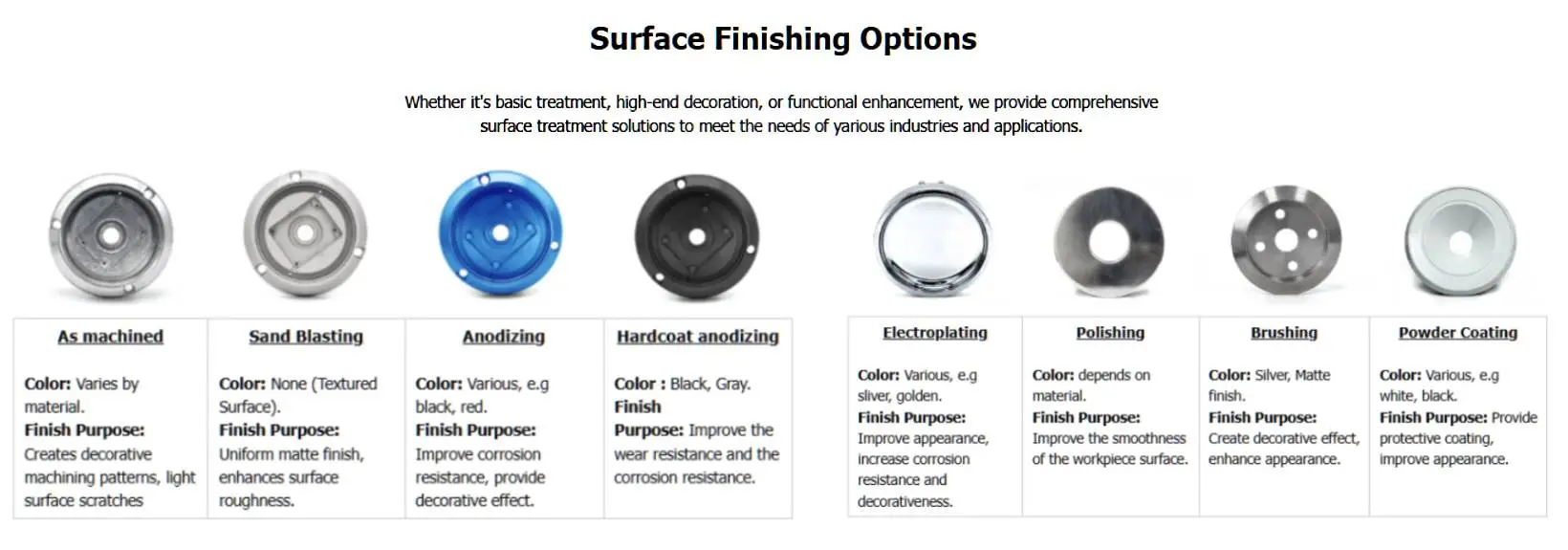
ISO 9001-certified facilities command 8-12% premiums but deliver superior consistency. RoHS compliance adds minimal costs while ensuring market access. Advanced surface treatment capabilities justify higher pricing through enhanced product performance. Rapid prototyping services reduce development timelines, providing overall project savings.
Supply Chain Reliability Factors
Established suppliers offer predictable pricing with long-term contracts. Newer manufacturers provide aggressive pricing but higher risk profiles. Diversified supplier networks mitigate disruption risks while maintaining competitive costs. Local inventory programs reduce lead times and transportation expenses.
Strategic Procurement Optimization
Effective Supplier Negotiation Approaches
Long-term partnerships enable volume commitments that secure better pricing tiers. Technical collaboration on design optimization reduces material waste and manufacturing costs. Payment terms negotiation can yield 2-3% discounts for favorable arrangements. Quality improvement programs create mutual value while reducing the total cost of ownership.
OEM and ODM Cost Management
Design for manufacturability reviews eliminate costly production complications. Standardizing fasteners and common components reduces inventory complexity. Collaborative engineering reduces development costs while improving product performance. Shared tooling arrangements lower initial investment requirements for custom projects.
Technology Integration Benefits
Digital twin modeling reduces prototype iterations and associated costs. Real-time production monitoring ensures quality consistency and reduces waste. Predictive maintenance programs extend tooling life and maintain productivity. Automated documentation systems streamline compliance processes efficiently.
Market Outlook and Price Forecasting
Economic Indicators and Trends
Global industrial production growth of 4-6% annually drives component demand increases. Infrastructure investment programs create sustained market expansion opportunities. Automation trends increase demand for precision components while reducing labor-intensive assembly costs. Sustainability requirements drive innovation investments that gradually reduce production costs.
Technology Advancement Impact
Additive manufacturing complements traditional processes for complex geometries. Industry 4.0 implementation improves efficiency while reducing operational costs. Advanced materials development enables lighter, stronger components at competitive pricing. Quality assurance automation reduces inspection costs and improves consistency.
Regulatory Environment Evolution
Environmental regulations drive process improvements that often reduce long-term costs. Safety standards evolution requires investment but improves product reliability. Trade policy changes create regional pricing variations requiring flexible sourcing strategies. Carbon footprint requirements influence transportation and energy choices, affecting pricing structures.
Conclusion
Strategic procurement of iron machinery parts requires a comprehensive understanding of global market dynamics and pricing structures. Successful procurement managers balance cost optimization with quality requirements through careful supplier selection and relationship management. The 2026 market outlook indicates continued opportunities for value creation through technological advancement and supply chain optimization. Companies investing in precision manufacturing capabilities and sustainable practices will maintain competitive advantages. Partnership with experienced manufacturers like Dongguan Junsion Precision Hardware ensures access to advanced capabilities while maintaining cost efficiency.
FAQ
Q1: What factors most significantly impact iron machinery part pricing in 2026?
A: Raw material costs, manufacturing technology advancement, and supply chain efficiency represent the primary pricing drivers. Energy costs and regulatory compliance requirements also create a notable impact. Regional labor rates and transportation expenses contribute additional variability to final pricing structures.
Q2: How do minimum order quantities affect unit pricing for custom components?
A: MOQ requirements typically range from 500-2000 pieces, with volume discounts beginning around 1000 units. Larger orders enable tooling cost amortization and setup optimization, resulting in 15-25% unit cost reductions. Custom tooling investments often require minimum commitments to achieve favorable pricing.
Q3: Which surface treatments provide the best value for industrial applications?
A: Anodizing offers excellent corrosion resistance and aesthetic appeal for aluminum components. QPQ treatment provides superior wear resistance for steel parts in demanding applications. Electroplating delivers cost-effective protection with customizable appearance options suitable for various industrial requirements.
Partner with Junsion for Competitive Iron Machinery Part Solutions
Dongguan Junsion Precision Hardware stands ready to deliver exceptional value for your iron machinery part requirements. Our advanced CNC capabilities and precision manufacturing processes ensure superior quality while maintaining competitive pricing structures. As a trusted iron machinery part manufacturer, we provide comprehensive OEM and ODM services with rapid response times and strict quality compliance. Our ISO 9001 certification and RoHS compliance guarantee meet international standards, while our experienced engineering team collaborates closely with customers to optimize designs for cost efficiency. Ready to secure reliable sourcing for your precision component needs? Contact us at Lock@junsion.com.cn to discuss your specific requirements and discover how our expertise can enhance your product development success.
References
1. Global Manufacturing Outlook 2026: Trends in Industrial Component Pricing. Industrial Economics Research Institute, 2024.
2. Precision Machinery Markets: Asia-Pacific Regional Analysis. Manufacturing Technology Journal, Vol. 45, No. 3, 2024.
3. Supply Chain Optimization in Metal Component Manufacturing. International Procurement Management Review, 2024.
4. Advanced Manufacturing Technologies Impact on Component Costs. Engineering Economics Quarterly, Issue 2, 2024.
5. Materials Science Advances in Industrial Component Production. Metallurgical Engineering Today, September 2024.
6. Trade Policy Effects on Global Machinery Component Markets. International Trade Analysis, 2024 Annual Report.