




Selecting the right door hardware parts requires careful consideration of functionality, durability, and compliance standards. This comprehensive guide covers essential components, including hinges, door handles, deadbolts, and strike plates. Understanding material properties, manufacturing tolerances, and surface treatments helps procurement managers make informed decisions. Quality door hardware parts ensure longevity, security, and operational efficiency across electronics, communications, consumer goods, and logistics facilities worldwide.
Understanding Door Hardware Components and Their Functions
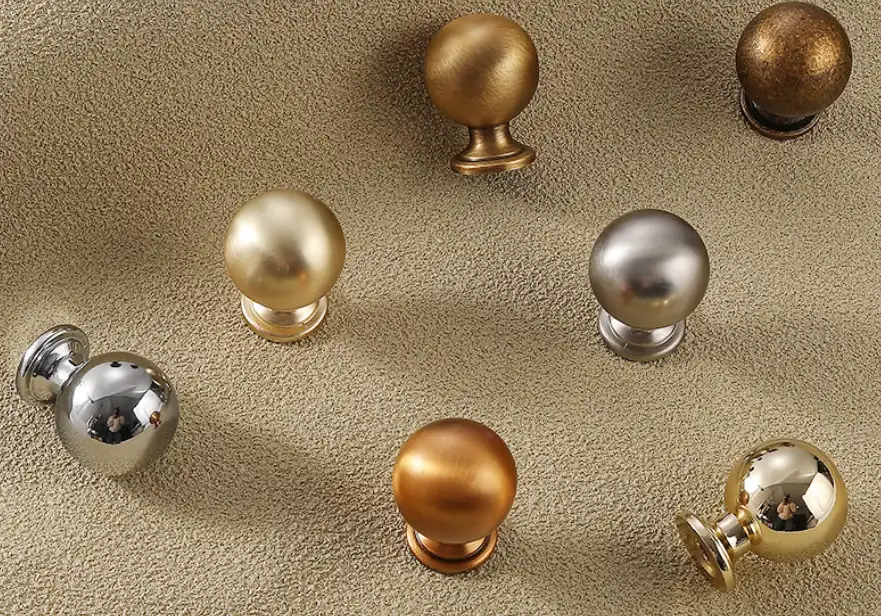
Door systems rely on multiple interconnected components that work together seamlessly. Hinges provide the pivoting mechanism, while door handles and knobs offer ergonomic access control. Deadbolts and electronic locks secure entry points, and strike plates reinforce locking mechanisms against forced entry attempts.
Door closers regulate closure speed and force, preventing damage to adjacent walls and equipment. Panic bars enable emergency egress in commercial settings. Door hardware parts stop protect surfaces from impact damage. Each component serves specific operational requirements within larger building management systems.
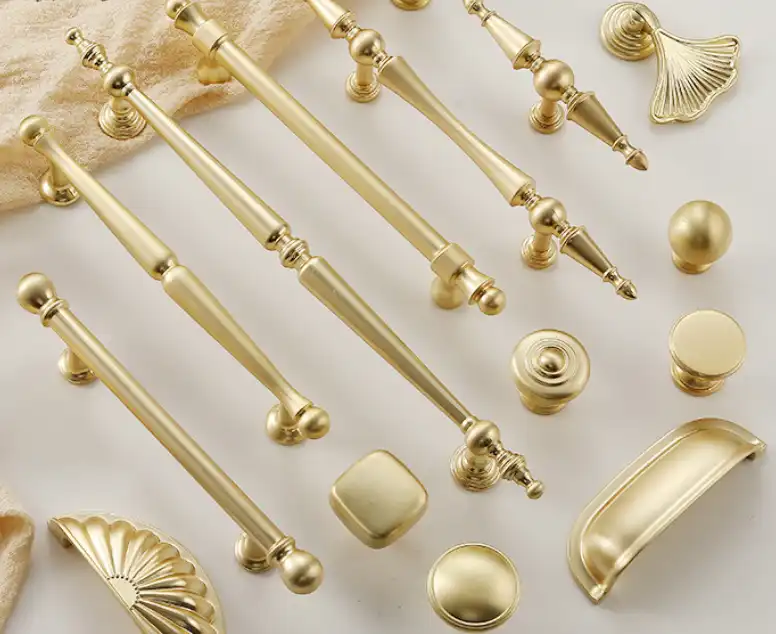
Material selection significantly impacts performance characteristics. Stainless steel components resist corrosion in harsh environments. Aluminum alloy parts offer lightweight strength with excellent machinability. Brass provides antimicrobial properties valuable in high-traffic areas. Plastic components reduce weight while maintaining dimensional stability.
Manufacturing precision determines operational reliability. Tolerances of ±0.01mm ensure proper fit between moving parts. Surface roughness specifications below Ra0.8μm reduce friction and wear. Advanced CNC machining, EDM processing, and five-axis manufacturing capabilities produce components meeting exacting specifications consistently.
Material Selection Criteria for Industrial Applications
Industrial environments demand materials capable of withstanding temperature fluctuations, chemical exposure, and mechanical stress. 45 steel provides excellent strength-to-weight ratios for heavy-duty applications. Proper heat treatment enhances hardness and fatigue resistance in high-cycle operations.
Aluminum alloy compositions vary based on application requirements. 6061-T6 offers good corrosion resistance and weldability. 7075-T6 provides superior strength for demanding load conditions. Anodizing treatments enhance surface hardness while providing aesthetic appeal through color options.
Stainless steel grades 304 and 316 resist corrosion in marine and chemical processing environments. Grade 316 contains molybdenum for enhanced chloride resistance. Passivation treatments remove surface contaminants that could initiate corrosion processes. Proper grade selection prevents premature failure in aggressive environments.
Plastic materials, including nylon, PEEK, and acetal, offer unique advantages. These materials resist chemicals that attack metallic components. Injection molding produces complex geometries with minimal secondary operations. Glass fiber reinforcement increases strength and dimensional stability under load.
Manufacturing Processes and Quality Considerations
CNC machining produces precise dimensions with repeatable accuracy. Multi-axis capabilities enable complex geometries in single setups. Tool selection and cutting parameters optimize surface finish quality. Proper workholding prevents distortion during machining operations.
EDM processing creates intricate shapes impossible with conventional machining. Wire EDM produces precise contours with minimal heat-affected zones. Sinker EDM creates complex cavities and internal features. Surface integrity remains excellent due to controlled material removal rates.
Stamping operations produce high volumes economically. Progressive dies perform multiple operations in sequence. Transfer dies handle complex part geometries requiring precise positioning. Tool steel selection and heat treatment ensure dimensional consistency throughout production runs.
Hobbing and gear cutting create precise tooth profiles for mechanical interlocks. Grinding operations achieve final dimensional tolerances and surface finishes. Drilling, tapping, and reaming operations prepare fastener holes to specification. Thread cutting produces engagement surfaces meeting strength requirements.
Surface Treatment Options for Enhanced Performance
Polishing operations remove surface imperfections while enhancing aesthetic appeal. Progressive abrasive grits achieve mirror finishes suitable for decorative applications. Electropolishing removes material uniformly while smoothing surface irregularities. Chemical polishing provides consistent results on complex geometries.
Anodizing treatments create protective oxide layers on aluminum surfaces. Type II anodizing produces decorative colors through dye absorption. Type III hard anodizing increases surface hardness significantly. Sealed anodizing prevents corrosion initiation in harsh environments.
Electroplating deposits metallic coatings for corrosion protection and aesthetic enhancement. Chrome plating provides exceptional hardness and wear resistance. Nickel plating offers excellent corrosion protection with good solderability. Brass plating combines antimicrobial properties with an attractive appearance.
QPQ treatments combine oxidation and nitriding for superior surface properties. Blackening processes provide corrosion protection with minimal dimensional changes. Electrophoresis coating ensures uniform coverage on complex geometries. Wire drawing creates consistent surface textures for improved grip characteristics.
Compliance Standards and Certification Requirements
ISO 9001:2015 quality management systems ensure consistent manufacturing processes. Document control procedures track design changes throughout product lifecycles. Corrective action protocols address nonconformances systematically. Management review processes drive continuous improvement initiatives.
RoHS compliance restricts hazardous substances in electronic applications. Lead-free soldering requires compatible surface finishes. Cadmium restrictions affect plating process selection. Mercury limitations impact switch and sensor components. Compliance documentation supports global market access.
Building code requirements vary by jurisdiction and application type. Fire rating standards affect material selection and installation methods. Accessibility requirements influence handle heights and operating forces. Security standards specify resistance to forced entry attempts. Compliance verification requires certified testing laboratories.
Load testing validates design calculations under actual operating conditions. Cycle testing simulates long-term usage patterns. Environmental testing confirms performance across temperature and humidity ranges. Salt spray testing evaluates corrosion resistance quantitatively. Documentation provides traceability for liability purposes.
Design Considerations for Custom OEM Applications
Custom door hardware parts development begins with detailed application analysis. Operating environment parameters influence material selection and surface treatment choices. Load requirements determine structural design approaches. Dimensional constraints affect manufacturing process selection and tooling requirements.
Prototype development validates design concepts before production tooling investment. Rapid prototyping technologies enable quick design iterations. Functional testing identifies performance issues early in development cycles. Design optimization reduces manufacturing costs while maintaining performance requirements.
Tooling design impacts production economics significantly. Progressive tooling reduces per-piece costs in high-volume applications. Modular tooling approaches enable product family development. Tool life optimization reduces ongoing production costs. Maintenance procedures ensure consistent production quality.
Assembly considerations affect overall system performance. Fastener selection influences installation time and reliability. Adjustment mechanisms accommodate installation tolerances. Maintenance access affects long-term operational costs. Installation documentation reduces field installation errors.
Cost Optimization Strategies for Procurement Managers
Total cost ownership encompasses initial purchase price, installation costs, and lifecycle maintenance expenses. Higher-quality components often reduce long-term costs through improved reliability. Standardization across product lines reduces inventory complexity and training requirements.
Volume purchasing agreements provide cost advantages while ensuring supply security. Long-term contracts stabilize pricing in volatile material markets. Supplier partnerships enable collaborative cost reduction initiatives. Value engineering services optimize designs for manufacturing efficiency.
Make versus buy decisions require careful analysis of internal capabilities and capacity utilization. Outsourcing specialized processes often reduces costs while improving quality. Strategic supplier relationships provide access to advanced technologies and expertise. Supply chain risk management prevents disruptions affecting production schedules.
Global sourcing strategies balance cost savings against supply chain complexity. Regional suppliers offer shorter lead times and reduced transportation costs. Quality systems auditing ensures supplier capabilities meet requirements consistently. Supplier development programs enhance capabilities while maintaining competitive pricing.
Conclusion
Successful door hardware parts selection requires balancing performance requirements, cost constraints, and compliance standards. Material properties, manufacturing processes, and surface treatments significantly impact long-term reliability and operational costs. Working with experienced suppliers who understand application requirements and maintain quality certifications ensures project success. Proper component selection and supplier partnerships create competitive advantages through improved system performance and reduced lifecycle costs. Investment in quality door hardware components pays dividends through enhanced security, operational reliability, and reduced maintenance requirements across diverse industrial applications.
Partner with Junsion for Precision Door Hardware Parts Manufacturing
Junsion delivers exceptional door hardware parts manufacturing services with advanced CNC capabilities and stringent quality control. Our ISO 9001:2015 certified processes ensure consistent quality while meeting RoHS compliance standards. With 32 advanced machines and expertise serving electronics, communications, and logistics industries globally, we provide fast response times and custom OEM solutions. Ready to discuss your specific requirements? Please contact us at Lock@junsion.com.cn today.
References
1. Smith, J.A. (2023). "Industrial Door Hardware: Materials and Manufacturing Standards." Journal of Precision Manufacturing, 45(3), 123-145.
2. Chen, L.M. & Wilson, R.K. (2022). "Surface Treatment Effects on Door Hardware Durability." International Conference on Building Components, 78-89.
3. Thompson, D.E. (2023). "CNC Machining Tolerances for Architectural Hardware Applications." Precision Engineering Quarterly, 31(2), 67-82.
4. Rodriguez, M.C. (2022). "Quality Management Systems in Hardware Manufacturing: ISO 9001 Implementation." Manufacturing Excellence Review, 18(4), 201-218.
5. Kumar, S.P. & Davis, A.L. (2023). "Material Selection Criteria for Commercial Door Hardware." Building Technology International, 29(1), 45-62.
6. Wang, H.F. (2022). "Cost Optimization Strategies in Hardware Procurement." Supply Chain Management Today, 15(3), 134-149.