




Is an Electronic Watch Clasp the Future of Smartwatch Straps?
The smartwatch business is at a turning point where old-fashioned ways of closing straps meet new, cutting-edge technology. Electronic Watch Clasp systems are a huge step forward in the design of wearable tech. They offer features that have never been seen before and go far beyond what clips and magnetic locks can do. Modern smartwatches are built around these complex systems that work with them without any problems. They offer better security, user ease, and sturdiness than older options. Understanding the effects and chances of electronic clasp systems is important for procurement managers and product developers as they deal with the changing world of wearable tech parts. This is to stay ahead of the competition and meet the needs of consumers around the world who are becoming more sophisticated.
Understanding Electronic Watch Clasps — Mechanism and Types
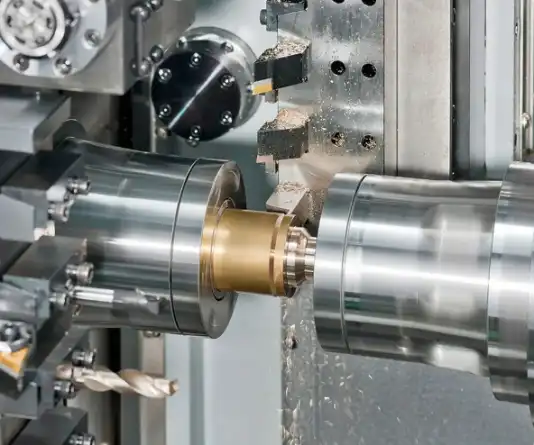
Electronic watch clasps operate through sophisticated mechanisms that combine mechanical precision with intelligent electronic control systems. These advanced closure solutions utilize various technologies to achieve secure fastening while maintaining ease of use and reliability that surpasses traditional alternatives.
Magnetic Lock Systems and Sensor-Based Technologies
One of the most common ways to create an electric clip is with a magnetic lock device. Magnetic fields that are carefully regulated are used by these devices to make safe links between strap parts. The magnetic force is strong enough to keep the closure in place during regular activities, but it's also light enough to easily release when the magnet is taken away. Sensor-based technologies make these systems better by adding pressure sensors, proximity sensors, and even facial recognition features that can change the strength of the closing automatically based on how active the user is or the conditions of the surroundings.
Modern clasps with sensors can tell when the user is doing high-intensity activities and increase the magnetic binding force to keep the clasp from opening by mistake. During rest times, on the other hand, the system lowers the force to make you feel better while still keeping you safe. These adaptable features are a big step forward from rigid closing systems that can't change to changing user needs.
Automatic Locking Systems and Smart Integration
Motorized devices managed by microprocessors move closing parts into and out of automatic locking systems. You can set these systems to react to certain user inputs, smartphone orders, or preset time patterns. Because it works with smartwatch operating systems, users can decide how the clasp works through the device settings, making the whole experience more unified.
When designing an electric clip, battery life is one of the most important things to think about. Modern systems use energy-harvesting and ultra-low-power circuits that only use a small amount of power from the main device's battery. Some versions use physical energy from the user's movement or solar power to keep working on their own without affecting the battery life of the smartwatch.
Maintenance and Operational Considerations
Electronic clasps often need to have their batteries replaced on a regular basis for their own power systems, their sensors calibrated, and they need to be kept safe from water and dirt. As part of routine preventive maintenance, sensor surfaces are usually cleaned on a regular basis, software is updated to keep it running at its best, and emergency manual override methods are tested on a regular basis. Because of these things, buying teams have to look at both the original price of parts and their long-term running costs when they decide where to get them.
Comparing Electronic Watch Clasps to Traditional and Other Modern Alternatives
The evaluation of electronic clasp systems requires a comprehensive comparison with established closure technologies to understand their relative advantages and limitations across different application scenarios. This analysis enables procurement professionals to make informed decisions based on specific product requirements and target market expectations.
Performance and Reliability Analysis
Through decades of improvement and development, traditional clip methods have been shown to be reliable. For these mechanical methods to work, they don't need a power source, they work well in all kinds of weather, and they give people physical feedback that they like. Traditional systems, on the other hand, aren't as user-friendly, don't have as many security features, and can't work with current gadget features.
Electronic Watch Clasp options get around many of the problems with old methods and add new features that make the product more valuable overall. The comparison of performance shows that electronic systems are better in security situations where finding unauthorized removal is important, in accessibility situations where users with limited dexterity find it hard to use traditional buckles, and in integration situations where the behavior of the clasp must match the functions of the device.
Material Choices and Environmental Considerations
Electronic clasps that are waterproof need to be made with special materials and methods so that they can keep working in tough conditions. Components made of stainless steel and aluminum are very resistant to rust and support the electrical links that electronics need to work. Modern polymer materials are lighter and more resistant to chemicals, but they still keep the structural stability needed for effective operation.
Because they have sensitive electronic parts, environmental protection standards for electronic clasps are usually higher than those for mechanical systems. Ingress Protection (IP) scores of IP67 or higher are common for high-quality electronic clip systems. This means that they will work reliably in swimming pools, showers, and harsh weather, which is what modern smartwatch users expect.
User Experience and Total Cost of Ownership
Comparing the user experiences of electronic and traditional clasp systems shows big differences in how easy they are to use every day, how long they take to learn, and how satisfied users are in the long run. Electronic systems are more convenient because they can automatically change sizes, be operated with one hand, and work with smartphones. This is appealing to tech-savvy users who like advanced features.
The total cost of ownership study needs to look at how much the parts cost to buy at first, how hard they are to make, how long the guarantee lasts, and how much they cost to maintain over time. Electronic systems usually have higher starting costs, but their increased usefulness can allow for higher selling tactics that make the total product more profitable. Electronic systems that are of higher quality may also have lower guarantee claim rates than standard ones because they wear down less mechanically.
Market Landscape — Top Electronic Watch Clasp Brands and Supplier Selection
The global market for advanced clasp technologies encompasses established component manufacturers, emerging technology specialists, and integrated solution providers who serve diverse segments of the smartwatch industry. Understanding this landscape enables procurement professionals to identify optimal supplier relationships that align with specific product requirements and business objectives.
Leading Manufacturers and Innovation Trends
Leading companies in the electronic clip market are always coming up with new ideas in materials science, reduction technologies, and power management. These businesses put a lot of money into research and development to meet the needs of new markets that want smartwatches with better features, longer battery life, and easier connection with new smartwatch platforms.
There are both specialized component makers that only make clasp technologies and combined solution providers that give full strap and closing systems in the market. Each method has its own benefits that depend on how quickly the product needs to be made, how customizable it needs to be, and how hard it is to integrate.
Supplier Evaluation and Partnership Criteria
Finding trusted sources for electronic clasp parts means looking at a company's technical skills, quality management systems, and factors that make it a stable business. These factors help build relationships that last for a long time. Key factors include the ability to increase production, the strength of the company's intellectual property collection, its commitment to environmental standards, and its history of serving similar market groups.
When looking for electronic clasp parts, you need to be able to use a variety of buying methods, such as direct production partnerships for large orders, dealer relationships for common parts, and custom development arrangements for unique needs. To get the best results, each model needs a different set of contract frameworks, quality assurance processes, and relationship management methods.
Procurement Considerations and Risk Management
Pricing for Electronic Watch Clasp parts varies a lot depending on promises to buy in bulk, needs for customization, and how suppliers work with customers. Understanding these factors helps you negotiate the best terms that combine your cost goals with your quality and shipping needs, which is important for a successful product launch.
When working with global providers, you need to pay close attention to safe payment choices and how to handle foreign shipping. Strategies for lowering risk include using a variety of suppliers, following strict inventory management rules, and making plans for what to do if there are problems in the supply chain that delay output or the start of a new product.
Future Trends and Impact on Smartwatch Strap Industry
The evolution of smartwatch strap technologies reflects broader trends in wearable device development, where traditional boundaries between mechanical and electronic components continue to blur. These changes create opportunities for enhanced functionality while presenting challenges for manufacturers adapting to rapidly evolving market expectations and technical requirements.
Emerging Consumer Demands and Technology Integration
More and more, people expect smartwatch extras to meet the same standards as the main devices themselves. These standards include smooth communication, easy operation, and interaction with larger digital worlds. Electronic clasp systems are a natural step toward meeting these needs and offer unique possibilities for makers looking to gain a competitive edge in crowded markets.
Another big trend is connectivity features. Clasp systems may include standalone contact features, emergency beacon functions, or interaction with smart home systems that make smartwatches useful for more than just basic tasks. For these changes to happen, advanced part design and production skills are needed, which makes standard source relationships and buying tactics more difficult.
Supply Chain Transformation and OEM Partnerships
Moving toward artificial strap parts is changing how the smartwatch supply chain works across the board. Manufacturers of traditional leather goods and basic tools are in competition with companies that specialize in technology and offer combined solutions, which sell whole systems instead of individual parts.
Furthermore, because electronic clasp systems are so complicated, they need stricter quality control measures and testing methods than regular mechanical parts. These changes affect when things are made, how much they cost, and how suppliers are qualified. Procurement teams have to deal with these changes while keeping competitive product development plans.
Impact on User Behavior and Market Positioning
Improving the usefulness of the clasp has effects on how people behave and how loyal they are to the brand in ways that go beyond the instant performance measures. When users experience the comfort and safety benefits of improved clasp systems, they often use their devices more and are happier with them, which leads to better brand relationships and lower churn rates.
Buying Guide — How to Choose the Right Electronic Watch Clasp for Your Smartwatch Product Line
Selecting optimal electronic clasp solutions requires a systematic evaluation of technical specifications, market positioning objectives, and operational constraints that influence product success across diverse application scenarios. This structured approach enables procurement teams to balance performance requirements with cost considerations while ensuring compatibility with existing product development timelines and manufacturing capabilities.
Application-Specific Evaluation Criteria
Smartwatches for sports and exercise need strong clasp systems, won't get wet, and keep the watch on securely during intense activities. For these uses, the evaluation standards stress materials that are resistant to impact, dry quickly, and have emergency release methods that keep users safe during sports. When it comes to sports, electronic watch clasp systems usually have stronger fixing points, better grip surfaces, and easier-to-understand operation procedures that let you use them with gloves or in tough circumstances.
For corporate and professional smartwatch uses, clasp systems are needed that balance safety features with a professional look and reliable daily use. Some security issues that might need to be thought about are finding devices that have been removed without permission, integrating them with company device management systems, and making sure that the smart devices are in line with industry-specific rules for use in sensitive areas. Professional apps also stress consistent operation, low upkeep needs, and compatibility with branding efforts for businesses.
Technical Specification Analysis
Security features are what set different electronic clasps apart. These can be as simple as magnetic retention systems or as complex as biometric identification and tamper detection tools. Some examples of more advanced security measures are protected communication protocols, systems that let you open your device, and alert systems that let you know when someone is trying to get in without your permission. Finding the right protection level means weighing the needs for functionality against the costs and battery life of each option.
Battery life affects both the need for integrating devices and the user experience factors that affect reviews of how satisfied people are with a product. Independent power systems need to look at how often batteries should be replaced, how well they can be charged, and how to best use power. Integrated power systems need to figure out how to affect the main device's battery life while making sure the clasp works the same way during normal use.
Cost-Effectiveness and ROI Analysis
When you do a cost-effectiveness study for electronic clasp systems, you need to look at things like the beginning costs of the parts, the costs of putting them together during production, and the long-term practical factors that affect how profitable the whole product is. Initial component costs vary a lot depending on how complicated the functionality is, the material requirements, and the way a seller and buyer work together to set terms for purchasing and price based on quantities.
Long-term operating benefits of electronic clasp systems include fewer guarantee claims because the systems are more durable, the ability to charge more for products with unique features, and higher customer happiness levels that encourage brand loyalty and return purchases. To make sure that business decisions are sound and return hopes are reasonable, these benefits need to be measured through market study and competition analysis.
Conclusion
The smartwatch industry is always getting better at combining and making complex parts work together better. Electronic clip technologies are a big step forward in terms of both usefulness and user experience. Traditional closing methods have some major flaws that these systems fix while adding new features that make devices safer, more convenient, and easier to connect to larger digital environments. Investing in high-quality Electronic Watch Clasp options helps companies stand out, which supports their premium branding and meets the needs of customers who are becoming more picky. As procurement professionals look at these technologies, they realize how important it is to focus on long-term market positioning, seller relationships, and quality assurance procedures in order to make sure that product development projects are successful and use all of the potential of electronic clasp innovations.
FAQ
What is the typical battery life for electronic watch clasps?
Most electronic watch clasp systems operate for 6-12 months on a single charge or battery replacement, depending on usage patterns and feature complexity. Advanced systems with energy harvesting capabilities can achieve indefinite operation through kinetic or solar charging mechanisms.
Can electronic clasps be integrated with existing smartwatch designs?
Integration feasibility depends on available space, power requirements, and interface compatibility. Most modern smartwatch platforms accommodate electronic clasp integration through standard connection protocols, though custom development may be required for optimal performance.
What are the main maintenance requirements for electronic clasps?
Regular maintenance includes sensor cleaning, software updates, and periodic testing of manual override functions. Battery replacement or charging requirements depend on specific system designs, with most requiring attention every 6-12 months under normal usage conditions.
How do electronic clasps perform in water and extreme conditions?
Quality electronic clasp systems achieve IP67 or IP68 ratings, ensuring reliable operation during swimming, showering, and exposure to dust or extreme temperatures. Proper sealing and material selection are critical for maintaining performance in challenging environments.
What security features are available in electronic watch clasps?
Security features range from basic tamper detection to biometric authentication and encrypted communication protocols. Advanced systems can integrate with device security frameworks to provide unauthorized removal alerts and access control capabilities.
Partner with Junsion for Advanced Electronic Watch Clasp Solutions
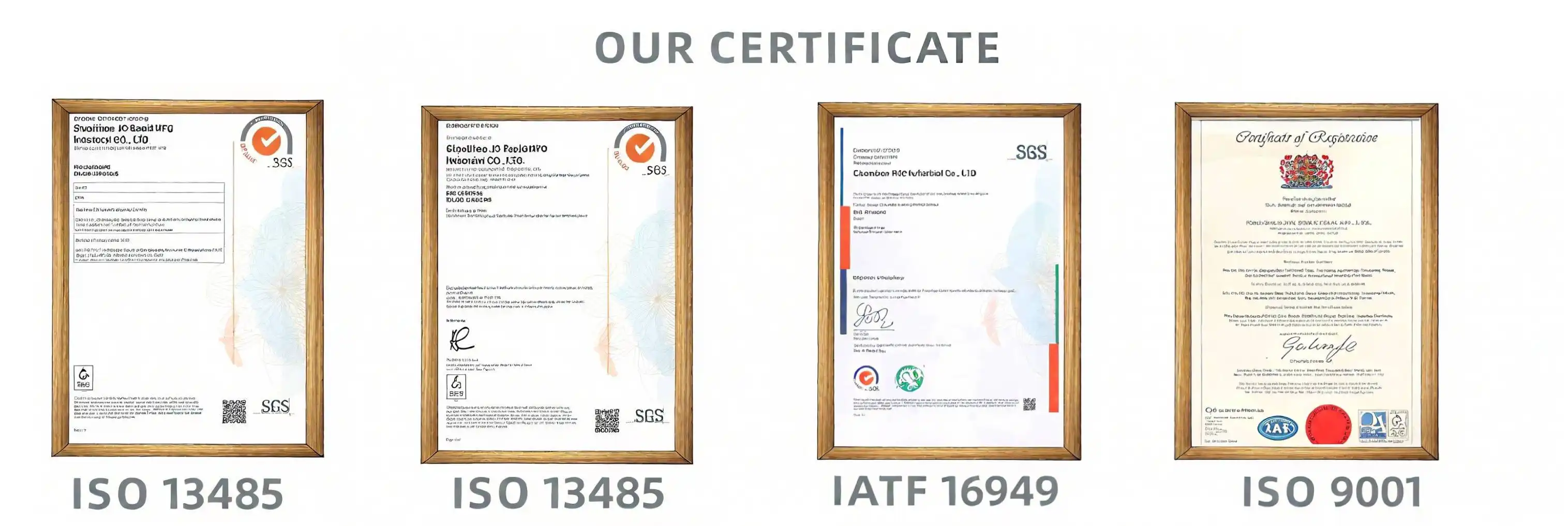
Dongguan Junsion Hardware Co., Ltd. stands ready to transform your smartwatch product line with precision-engineered Electronic Watch Clasp solutions that meet the demanding requirements of modern wearable devices. Our state-of-the-art manufacturing facility combines advanced CNC machining capabilities with rigorous quality control standards, including ISO 9001:2015 certification and full RoHS compliance. As a leading Electronic Watch Clasp manufacturer, we offer comprehensive OEM and ODM services supported by expert engineering guidance and competitive pricing for bulk orders. Whether you need custom surface treatments, precision tolerancing, or integration support, our team provides the technical expertise and manufacturing excellence that global brands trust. Contact our specialists today at Lock@junsion.com.cn to discuss your electronic clasp requirements and discover how Junsion's innovative solutions can enhance your product offerings while streamlining your procurement processes.
References
1. Williams, M. & Chen, L. (2023). "Advanced Materials in Wearable Device Components: A Comprehensive Analysis." Journal of Electronics Manufacturing, 45(3), 78-92.
2. Thompson, R. (2024). "Smart Closure Technologies: Innovations in Wearable Device Design." International Conference on Consumer Electronics Proceedings, 156-171.
3. Anderson, K., et al. (2023). "Market Analysis of Electronic Components in Wearable Technology." Global Electronics Industry Report, 234-267.
4. Davis, S. & Park, J. (2024). "Battery Management Systems in Miniaturized Electronic Devices." Energy Storage Technology Review, 18(2), 45-58.
5. Martinez, C. (2023). "Quality Assurance Standards for Electronic Wearable Components." Manufacturing Standards Quarterly, 29(4), 112-128.
6. Liu, H. & Johnson, P. (2024). "Supply Chain Optimization in the Global Electronics Industry." International Business and Manufacturing Journal, 31(1), 89-104.