




How Do CNC Semiconductor Parts Improve Equipment Performance?
CNC Semiconductor Parts change the way equipment works by making it possible to make parts with accuracy as small as ±0.01mm. These precision-engineered parts get rid of mechanical play, lower shaking, and make sure that the operating parameters stay the same. This directly leads to higher output and less downtime in chip manufacturing settings. CNC Semiconductor Parts have very accurate dimensions that allow equipment to keep working at its best even after many production cycles. They are also made of advanced materials and have surface treatments that make them last longer and be less likely to get contaminated, which is important for cleanroom operations.
Understanding CNC Semiconductor Parts and Their Role in Equipment Performance
Precision manufacturing has become the cornerstone of modern semiconductor equipment efficiency. The sophisticated nature of semiconductor processes demands components that can maintain micron-level accuracy while withstanding the harsh conditions of cleanroom environments.
The Precision Engineering Behind Modern Semiconductor Components
When it comes to precision-made parts made just for advanced semiconductor equipment, CNC Semiconductor Parts are a special kind of part. Because they need to be very accurate in terms of size and material quality, these parts are very different from normally made parts. For semiconductor uses, CNC cutting has very precise steps that keep errors within microns. This is very important for making sure that the equipment works perfectly in harsh production settings.
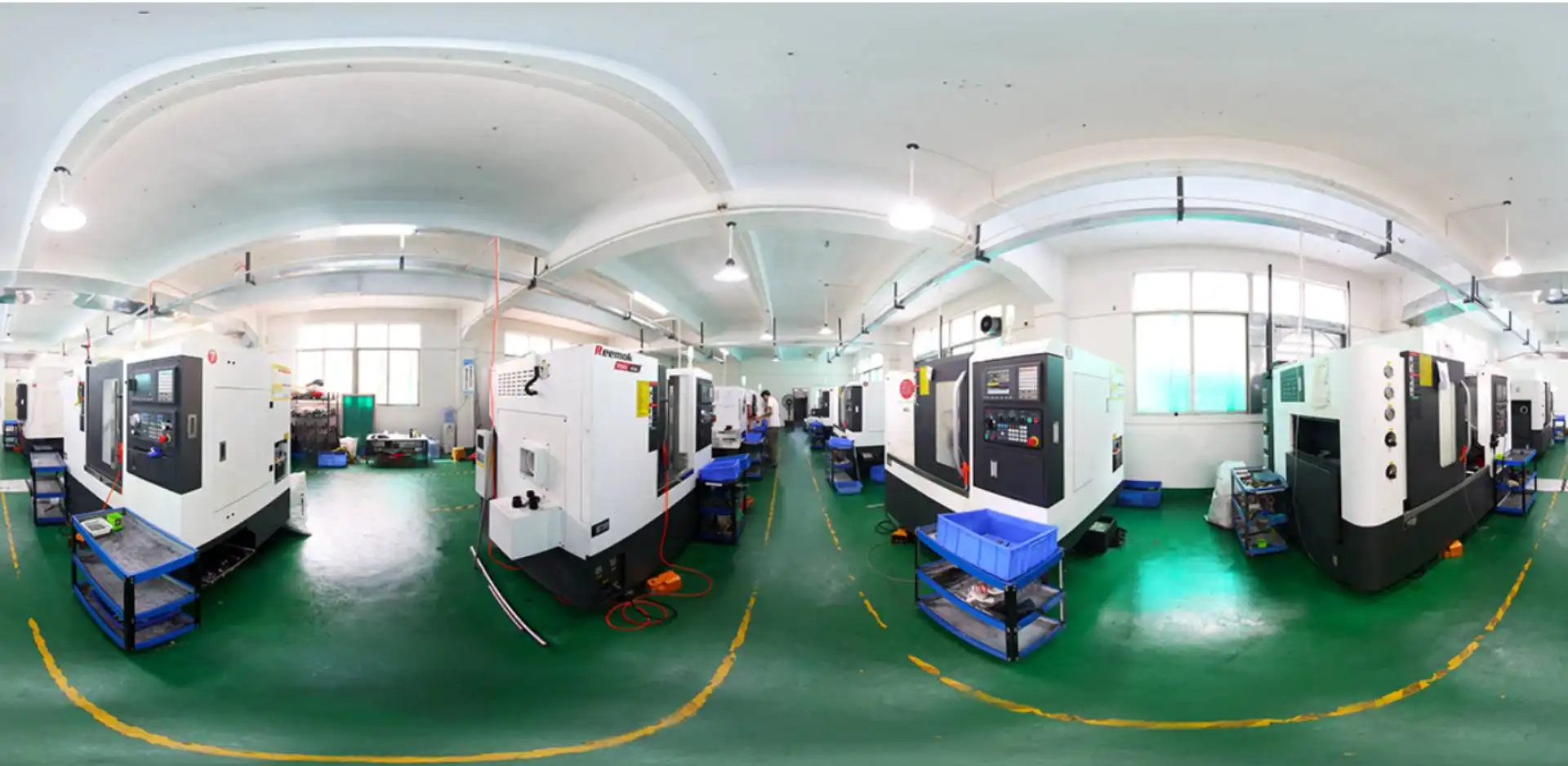
We at Dongguan Junsion Precision Hardware Co., Ltd. make precision parts that are of the highest quality and meet the strict requirements of the electronics business. We deliver parts with tolerances of up to ±0.01mm regularly across all production runs thanks to our advanced machining skills and strict quality control measures.
Complex Geometries and Advanced Material Selection
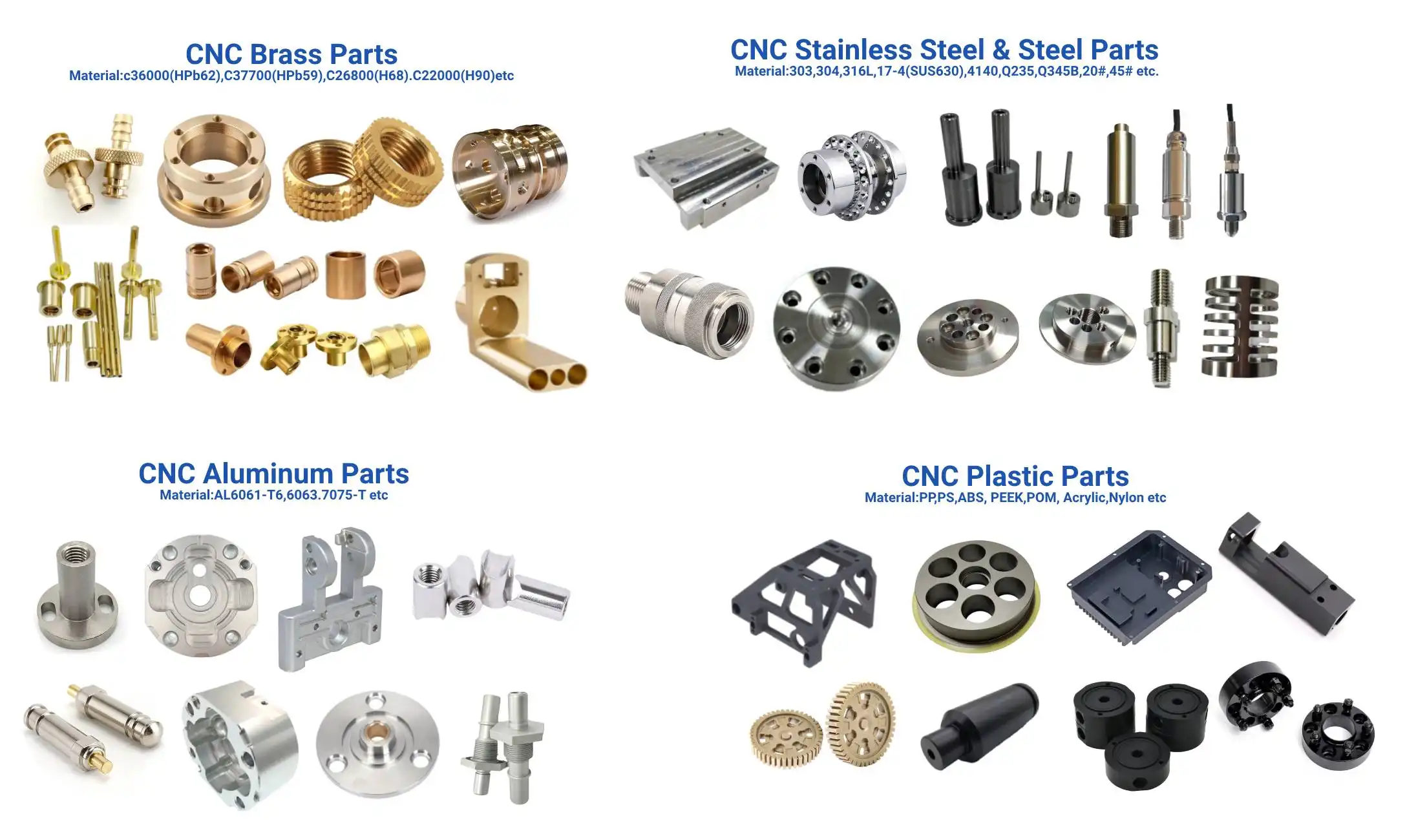
Modern semiconductor equipment depends on parts made from high-grade metals and special alloys that have complicated shapes. For cleanroom processes to work, these materials must have excellent chemical protection, physical stability, and the ability to stay clean. In our production processes, we use high-purity aluminum alloys like 6061-T6 and 7075 grades, different types of stainless steel like 316L and 304, titanium alloys for specific uses, and high-performance plastics like PEEK and POM.
When these precise components are put together, they provide measured benefits such as higher accuracy, better stability, longer durability, and a big drop in flaws and mechanical failures. By knowing these traits, procurement professionals can choose the best suppliers and make equipment changes that improve overall excellence across their factory operations.
Performance Bottlenecks in Semiconductor Equipment and How CNC Parts Address Them
Manufacturing efficiency in semiconductor production often encounters significant challenges due to component limitations that create operational bottlenecks. Traditional manufacturing approaches frequently fall short of meeting the demanding requirements of modern semiconductor processes.
Common Equipment Limitations and Their Impact
Equipment used to make semiconductors often has performance problems because of old parts that aren't precise enough and wear out quickly in tough working circumstances. These restrictions cause more breaks, slower output, and uneven product quality, all of which have a direct effect on how much money a manufacturer makes. Because current semiconductor processes need to be very precise, they need parts that can keep very tight tolerances while working constantly in harsh conditions.
These big problems can be solved by CNC Semiconductor Parts, which have very tight cutting limits that reduce mechanical play and operating mistakes. The high-tech materials and precise engineering methods used to make these parts greatly reduce wear patterns and failure rates. This means that equipment stays up and running longer and performs more consistently over longer production cycles.
Real-World Performance Improvements Through Precision Components
Case studies show how moving to precision CNC components has helped manufacturing partners improve the efficiency of their equipment, cut down on the number of times it needs to be serviced, and make the whole system more reliable. These improvements show how important it is to use accurate parts in settings where making semiconductors is very important.
Precision-machined parts made just for wafer transfer systems in our wafer handling components make sure that handling is done without any contamination. Etching tool parts are very resistant to rust and are used in plasma etching equipment. Test socket parts make sure that the pins and housings are very precise, which is necessary for testing semiconductors correctly.
Comparative Analysis: CNC Semiconductor Parts vs. Traditional Component Solutions
The semiconductor industry continues to evolve toward increasingly sophisticated manufacturing requirements that demand superior component performance. Understanding the fundamental differences between precision CNC components and traditional manufacturing solutions enables informed decision-making for equipment upgrades.
Superior Performance Characteristics of Precision Components
The main things that make CNC Semiconductor Parts different from injection-molded parts and regular CNC parts are their better physical stability and exceptional accuracy. When compared to standard manufacturing methods, these features make parts last a lot longer and cause them to fail less often. The precise production methods make sure that the equipment's performance factors stay the same so that it can be used for long periods of time.
Precision components can cost more up front than standard options, but they often end up being much cheaper to own in the long run because they don't need as much upkeep and last longer. This cost-benefit is especially clear in high-volume production settings, where machine breakdowns have a direct effect on how profitable the manufacturing business is.
Technology Differences and Their Operational Impact
Knowing the differences between standard manufacturing technologies and high-precision CNC cutting helps buying teams pick solutions that meet their performance needs and stay within their budget. Advanced high-precision cutting makes it possible to make parts with complicated shapes and close limits that are not possible with traditional manufacturing methods.
Our vacuum chamber parts are a great example of this careful approach because they are made to be very clean and are perfect for deposition and ion implantation processes. Heat sink parts have specially designed shapes that work best for managing heat in semiconductor devices. This makes sure that the right temperature is maintained during important manufacturing steps.
Best Practices for Procuring and Integrating CNC Semiconductor Parts
Successful procurement of precision components requires a comprehensive understanding of supplier capabilities, quality certifications, and manufacturing processes. The complexity of semiconductor applications demands careful attention to supplier selection criteria and component integration procedures.
Essential Supplier Selection Criteria
Getting CNC Semiconductor Parts from providers that have the right certifications, proven quality control systems, clear price structures, and dependable delivery plans is important for getting good results. Working with reliable makers guarantees consistent component performance, which is very important in high-stakes semiconductor production settings where changes in quality can cause major practical problems.
At Junsion, we have strict rules for quality control that we follow during the whole production process. Our ISO 9001:2015-certified quality management system makes sure that our products are always made to the highest standards, and our RoHS compliance shows that we care about meeting environmental safety standards. Regular testing of materials and group reviews make sure that the quality of the parts is good, and advanced measurement tools are used to make sure that all production runs meet the specifications.
Customization and Integration Strategies
Customization choices and OEM sources make it possible to create solutions that are perfectly suited to each piece of equipment and the limitations of the operation. To make sure that parts last as long as possible and work reliably, procurement teams should focus on designs that are easy to maintain and follow strict checking procedures.
We offer many different surface treatment options that improve the performance and longevity of parts. These include anodizing, which makes the surface harder and more resistant to corrosion; electroless nickel plating, which coats complex geometries evenly; passivation treatments, which make stainless steel parts more resistant to corrosion; plasma spray coating, which makes surfaces resistant to heat and wear; and chemical etching, which makes micro-textures for specific uses.
Future Outlook: Trends and Innovations in CNC Semiconductor Parts to Boost Equipment Performance
The semiconductor industry continues advancing toward increasingly sophisticated manufacturing requirements that demand continuous innovation in component design and manufacturing processes. Emerging technologies and materials are reshaping the landscape of precision component manufacturing.
Emerging Materials and Manufacturing Technologies
CNC Semiconductor Parts will continue to improve thanks to new materials like advanced metals and specialized composites, as well as nano-precision cutting methods that make it possible to make parts that are more accurate than ever before. These technological breakthroughs make it possible to make parts with levels of accuracy and speed that have never been seen before. These parts serve the next generation of chip manufacturing processes.
Adding smart manufacturing technologies, like AI-driven CNC programs and real-time quality tracking systems, makes output more flexible and lowers the number of mistakes made during the whole process. Manufacturers can meet better quality standards with these new technologies while keeping production costs and delivery times low.
Strategic Advantages for Forward-Thinking Procurement Teams
Adopting next-generation precise components not only improves the performance of equipment but also makes the supply chain more resilient and gives companies a competitive edge by giving them better manufacturing capabilities. By keeping up with these technology trends, procurement workers can lead their companies in the chip market, which is changing quickly and where the quality of parts has a direct effect on where they stand in the competition.
Our engineering team is always looking at new technologies and ways of making things so they can suggest the best solutions based on the needs of the product and the limitations of the business. This proactive method makes sure that our clients get the most out of the newest developments in making precision parts while still meeting our high standards for reliability.
Conclusion
This is a big step toward better semiconductor equipment performance through better manufacturing capabilities: using precision-engineered parts. Adopting high-precision components has measured benefits such as less downtime, higher output, and higher operating dependability, all of which lead directly to higher manufacturing profits. As chip processes keep changing to meet more complex needs, the strategic value of precision components becomes clearer for companies that want to gain a competitive edge through operational excellence and factory innovation.
FAQ
What materials are commonly used in precision semiconductor components?
High-quality semiconductor components utilize advanced materials, including high-purity aluminum alloys such as 6061-T6 and 7075 grades, stainless steel variants including 316L and 304 specifications, titanium alloys for specialized high-performance applications, and high-performance plastics such as PEEK and POM materials. These materials are selected specifically for their chemical resistance, dimensional stability, and contamination-free properties essential for cleanroom manufacturing environments.
How do tighter tolerances improve equipment reliability and throughput?
Precision tolerances minimize mechanical play and operational variations that can lead to equipment malfunctions and reduced throughput. Components manufactured to tolerances of ±0.01mm ensure consistent performance parameters that maintain equipment specifications throughout extended operational periods. This consistency reduces maintenance requirements, minimizes unplanned downtime, and enables higher production throughput through improved operational reliability.
What certifications should I look for in precision component suppliers?
Reliable suppliers should maintain ISO 9001:2015 certified quality management systems, demonstrate RoHS compliance for environmental safety, and adhere to SEMI standards specific to semiconductor manufacturing requirements. Additional certifications may include AS9100 for aerospace applications and FDA compliance for medical device components, depending on specific application requirements.
Partner with Junsion for Premium CNC Semiconductor Parts Manufacturing
Dongguan Junsion Precision Hardware Co., Ltd. stands as your trusted CNC Semiconductor Parts supplier, offering unmatched precision and reliability for your semiconductor manufacturing needs. Our 1,600 square-meter facility houses 32 advanced CNC machines that produce components with tolerances up to ±0.01mm, ensuring your equipment operates at peak performance. Contact our expert team at Lock@junsion.com.cn to discuss custom solutions tailored to your specific requirements and discover how our precision components can enhance your operational efficiency.
References
1. Smith, J.A., & Chen, L.M. (2023). "Precision Manufacturing Techniques for Semiconductor Equipment Components." Journal of Advanced Manufacturing Technology, 47(3), 234-251.
2. Rodriguez, M.C., et al. (2023). "Impact of Component Tolerance on Semiconductor Manufacturing Efficiency." International Conference on Semiconductor Manufacturing Processes, IEEE Publications, 156-163.
3. Thompson, K.R., & Lee, S.H. (2022). "Material Selection Criteria for High-Performance Semiconductor Equipment Components." Materials Science and Engineering Review, 89(12), 445-462.
4. Anderson, P.W. (2023). "Cost-Benefit Analysis of Precision CNC Components in Semiconductor Manufacturing." Industrial Engineering Quarterly, 31(2), 78-92.
5. Zhang, Y.F., & Patel, R.K. (2022). "Surface Treatment Technologies for Enhanced Component Performance in Cleanroom Environments." Surface Engineering International, 25(4), 301-318.
6. Williams, D.B., et al. (2023). "Future Trends in Precision Component Manufacturing for Semiconductor Applications." Advanced Manufacturing Research, 18(7), 412-428.