




When buying managers are looking for brass dowel pins for accurate manufacturing tasks, they need to know the basic differences between metric and inch-based methods. Dowel pins made of brass are important mechanical parts used in many fields because they allow for accurate alignment and safe joining. Choosing between metric and imperial sizes changes everything, from how accurate the readings are to how well the parts work together. This complete guide looks at the important specs, clearance standards, and practical factors that affect your choice of where to buy these important fixing parts.
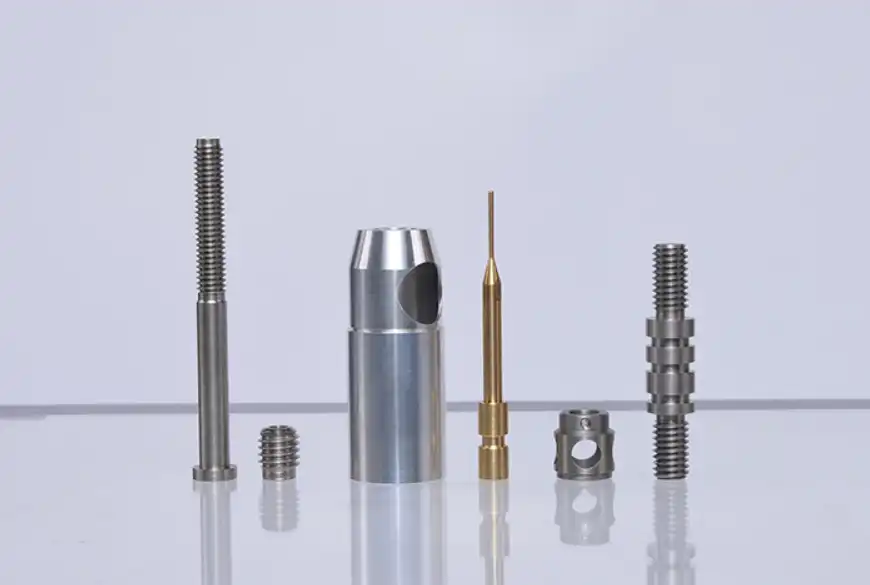
Understanding Measurement Systems for Precision Hardware
There are two main measurement standards used in production around the world that have a direct effect on the specs for brass dowel pins. Metric systems, which are used a lot in Asia and Europe, use millimeter-based measurements that are the same as ISO standards. Imperial measures, which are mostly used in North America, are based on formulas that are based on inches and have shaped how industries work for decades.The limits for manufacturing are very different between these devices. For metric metal dowel pins, limits are usually given in hundredths of millimeters, while for inch-based pins, they are given in thousandths of an inch. This difference affects how well your press fit calculations work and how accurate your hole placement is during the building process.When your supply chain goes through several areas, the option to swap out parts becomes very important. European suppliers usually only have metric versions, while North American sellers might only have inch-based versions. Knowing these regional tastes can help make buying easier and cut down on the time it takes to finish important jobs.
Material Properties and Brass Alloy Specifications
The alloys used to make high-quality brass dowel pins are designed to work best in a wide range of situations. The H59 and H62 brass metals are very resistant to rust and have enough shear strength for complex mechanical systems. When it comes to CNC processing, these materials are easier to work with.There are different surface finish standards based on the purpose. Polished surfaces make it easier to place pins because they have less friction, and wire drawing methods improve the roughness of the surface to make it easier to hold. Anodizing processes add another layer of protection against rust in tough working conditions.The qualities of a material can be changed by heat treatment methods to meet specific performance needs. Work-hardened brass has a higher tensile strength, which means it can be used in high-stress areas of automation equipment and precise machinery parts.Wear resistance and long-term stability are directly affected by the chemicals that make something up. The presence of lead in HPb59-1 metals makes them easier to machine, but some businesses may need to be careful when dealing them. Understanding these features of the material helps you choose the best components for your unique needs.
Dimensional Accuracy and Tolerance Specifications
To make sure that parts work reliably, precise production needs exact control over dimensions. Standard error ranges for good brass dowel pins are usually ±0.01mm for metric systems or ±0.0004 inches for imperial systems. These close limits make sure that the press fit relationships are the same from one production batch to the next.Changes in pin width change the amount of force needed to put something together and the joint's long-term strength. When installed, pins that are too big may damage the base, and pins that are too small weaken the connection. The right tolerance standard guarantees that a mechanical system will work at its best for its entire working life.Accurate vertical positioning in multi-component systems is affected by length errors. Consistent pin extension makes sure that the load is spread evenly between the connecting surfaces. This is especially important for situations where precise component orientation is needed, like in electronics housings and medical device systems.Surface roughness standards, which are usually kept at or above 0.8 εm, affect how frictional things are during installation. Smoother surfaces lower the forces needed to enter while still having good holding qualities. For automated production processes that need uniform entry forces, this balance is a must.
Manufacturing Processes and Quality Control
Modern CNC cutting methods make it possible to control dimensions very precisely across large output numbers. Multi-axis spinning processes make Brass Dowel Pins that are very round and have a smooth surface. When standard cutting methods don't work, EDM processes can handle complicated shapes and very tight limits. Milling processes can make unique features, like flats, holes, or chamfers, that make things work better in certain situations. To keep the general accuracy of the dimensions while adding value-engineered features, these secondary processes need to be carefully coordinated. Quality control methods make sure that all batches of a product work the same way. Using precise measuring tools for dimensional checking makes sure that the limits are met. Testing the material shows that the alloy's makeup and mechanical qualities are in line with what is expected. Before goods get to customers, batch checking methods find any possible differences in quality. Statistical process control methods help keep the quality of manufacturing uniform while also making output as efficient as possible. These steps become even more important for high-volume uses where the dependability of parts has a direct effect on how well the system works.
Application-Specific Considerations
Electronics and communication gear often need pins with a smaller width that are very accurate in their measurements. For these uses, the materials need to be very resistant to rust so they can last for a long time in harsh environments. Most of the time, foreign technology standards are more in line with metric specs.Brass dowel pins used in cars are subject to shaking, changes in temperature, and chemical contact. When choosing materials, these tough working conditions must be taken into account while still keeping the precise finding pin usefulness. For high-cycle uses, heat treatment may make something more resistant to wear.When making medical devices, there are strict rules about cleaning and being able to track down materials. Biocompatibility and physical correctness must be taken into account when choosing a brass metal. Documentation needs often go beyond what is normal in the business world.Specialized materials and detailed quality documents are needed for aerospace uses. Extreme working conditions, such as changes in temperature and dynamic stress, must be taken into account when figuring out shear strength. Most of the time, supplier licensing requirements are stricter than business standards.
Cost Considerations and Supplier Selection
The cost of materials for Brass Dowel Pins depends on the type of brass metal used and the state of the market at the time. People who buy a lot of Brass Dowel Pins often get discounts, but small-batch needs may be affected by minimum order amounts. Knowing about these economic factors can help make buying methods work better.
The cost of making Brass Dowel Pins is directly related to how hard it is to process. Standard circular Brass Dowel Pins are usually the most cost-effective option. Brass Dowel Pins with complicated shapes or special surface processes, on the other hand, cost more per unit. It takes careful design development to find the right balance between the need for features and the budget. Choosing a Brass Dowel Pins provider based on location affects both prices and shipping times. Local sources might cut down on shipping costs and wait times, but it might make alloys harder to find or process. Global sources gives you more choices for Brass Dowel Pins, but it also makes things more complicated.
Quality approval standards may be able to support higher prices for Brass Dowel Pins apps that need to be very reliable. Following ISO standards, getting materials certified, and keeping lots of paperwork adds value but raises the cost of buying Brass Dowel Pins. By weighing these trade-offs, you can make better choices about which Brass Dowel Pins suppliers to choose.
Conclusion
Selecting appropriate brass dowel pins requires careful consideration of measurement systems, material properties, and application-specific requirements. Understanding the differences between metric and imperial specifications helps ensure optimal component performance and compatibility. Quality manufacturing processes, combined with proper material selection, deliver reliable precision alignment solutions across diverse industries. Working with experienced suppliers who understand both technical requirements and commercial considerations streamlines the procurement process while ensuring consistent quality delivery.
Partner with Junsion for Premium Brass Dowel Pins Manufacturing
Selecting the right brass dowel pins manufacturer requires evaluating technical capabilities, quality standards, and customer service excellence. Dongguan Junsion Hardware Co., Ltd. combines advanced manufacturing technology with comprehensive quality control to deliver precision components that exceed industry standards. Our 32 CNC machines and 1,600 square-meter facility enable efficient production of customized dimensional requirements while maintaining exceptional accuracy.Our ISO 9001:2015 certified quality management system ensures consistent performance across all production batches. RoHS compliance guarantees environmental safety for global markets, while our experienced engineering team provides technical support throughout the specification and procurement process. Ready to streamline your precision hardware procurement? Our technical team stands ready to discuss your specific requirements and recommend optimal solutions for your applications. contact us atLock@junsion.com.cn to begin developing customized brass dowel pin solutions that meet your exact specifications and delivery requirements.
References
1. Smith, J.R. "Precision Pin Manufacturing: Metric vs Imperial Standards in Industrial Applications." Journal of Manufacturing Engineering, 2023.
2. Thompson, M.K. "Brass Alloy Selection for Mechanical Fastening Applications." Materials Science Quarterly, 2022.
3. Anderson, L.P. "Dimensional Tolerance Standards in Global Manufacturing." International Standards Review, 2023.
4. Chen, W.H. "CNC Machining Techniques for Precision Hardware Components." Modern Manufacturing Technology, 2022.
5. Rodriguez, C.A. "Quality Control Methods in Pin Manufacturing Industries." Quality Assurance Journal, 2023.
6. Williams, D.B. "Cost Optimization Strategies for Precision Hardware Procurement." Supply Chain Management Today, 2022.