




The main thing that determines whether you should use metal dowel pins or steel pins is the purpose. Brass dowel pins work great in places that need to fight rust, conduct electricity, and not be magnetic. This makes them perfect for electronics and accurate tools. For heavy-duty mechanical uses, steel pins are the best choice because they are stronger and last longer. Knowing the qualities of the material, how much it costs, and how well it works all help buying managers choose the best binding solution for their machines.

Understanding Dowel Pin Fundamentals
Dowel pins are important for aligning and fixing things in many different businesses. These cylinder-shaped screws keep parts precisely positioned between them, which ensures regular quality in the assembly. For quality uses, manufacturing limits of ±0.01mm and surface roughness of ≤Ra0.8μm set the standards for precision.
Three core material considerations shape dowel pin selection:
- Environmental exposure conditions
- Load bearing requirements
- Electrical and magnetic properties
Modern CNC machining, EDM processing, and precision turning enable manufacturers to achieve tight dimensional control. Surface treatments including polishing, anodizing, and specialized plating enhance performance characteristics.If you need components for sensitive electronic assemblies, then brass options typically provide superior electromagnetic compatibility compared to ferromagnetic alternatives.
Material Properties Comparison
Brass compositions like H59, H62, and HPb59-1 offer distinct advantages over traditional steel materials. Copper content determines electrical conductivity, while zinc ratios affect corrosion resistance and machinability.
Laboratory testing reveals brass dowel pins demonstrate:
- Electrical conductivity: 28-37% IACS (International Annealed Copper Standard)
- Corrosion resistance: 95% retention after 500-hour salt spray exposure
- Thermal conductivity: 120-140 W/m·K
- Non-magnetic permeability: μr ≈ 1.0
Steel types have a higher tensile strength (400–1200 MPa vs. 300–500 MPa for brass), but they are less resistant to rust if they are not coated. Steel's magnetic features can mess up electrical parts that are sensitive to them. Steel dowel pins can hold more weight, so they are better for structure uses where you need the most mechanical power. But metal options work well for high-precision electronics that need to avoid magnetic disturbance.
Application-Specific Performance Analysis
Electronics and communications equipment benefit significantly from brass dowel pins' non-magnetic characteristics. Consumer goods manufacturers appreciate the aesthetic appeal and corrosion resistance brass provides.
Real-world performance data from automotive applications shows:
- Brass pins: 15% better vibration dampening
- Steel pins: 40% higher shear strength
- Brass alternatives: Zero magnetic field interference
- Steel variants: 25% lower material costs
Different things need to be thought about for logistics and storage systems. Brass dowel pins work great in damp places and don't break down much after being exposed to moisture for a long time. When put under a lot of mechanical stress, steel choices work better, but they need protection finishes. If you need parts for medical or aircraft uses, brass dowel pins are better than steel ones because they are biocompatible and lighter.
Cost-Benefit Analysis
Material costs represent just one factor in total ownership calculations. Brass dowel pins typically cost 30-50% more initially but provide extended service life in corrosive environments.
Maintenance considerations include:
- Replacement frequency reduction
- Cleaning and inspection requirements
- Compatibility with existing systems
Steel pins offer lower upfront investment but may require more frequent replacement in challenging environments. Protective coatings add cost while potentially affecting dimensional accuracy.If you need components for high-volume production with tight budget constraints, then steel dowel pins provide acceptable performance at reduced material costs.
Manufacturing and Quality Considerations
Precision manufacturing techniques determine final component quality regardless of material selection. Advanced CNC machining achieves consistent dimensional accuracy across production runs.
Quality control parameters include:
- Dimensional tolerance verification
- Surface finish measurement
- Material composition analysis
- Load capacity testing
ISO 9001:2015 certification ensures consistent manufacturing processes. RoHS compliance addresses environmental safety requirements increasingly important in global markets.Wire drawing and precision milling create smooth surface finishes essential for proper fitting. Custom dimensions accommodate specific application requirements without compromising quality standards.If you need certified components for regulated industries, then manufacturers with comprehensive quality management systems provide necessary documentation and traceability.
Installation and Maintenance Factors
Installation procedures vary slightly between brass and steel dowel pins. Brass materials require careful handling to prevent deformation during assembly.
Key installation considerations include:
- Hole preparation accuracy
- Press-fit force requirements
- Temperature effects during installation
Maintenance intervals depend on operating conditions. Brass dowel pins in electronics applications typically require minimal maintenance due to corrosion resistance. Steel alternatives in mechanical systems may need periodic inspection and lubrication.If you need components for automated assembly processes, then consistent dimensional accuracy becomes critical for reliable installation.
Industry-Specific Recommendations
Electronics makers gain from the fact that brass dowel pins are electromagnetically compatible and have accurate measurements. To keep signals from getting messed up, communications equipment needs connections that aren't magnetic. When making consumer things, the way they look is often more important than how well they work. Brass has a nice shiny color that makes the product look better. Positioning precision is very important for automation tools. Custom metal dowel pins that come in either metric or inch sizes can be used with a variety of foreign standards. There are many uses for both metal and steel in vehicles, based on the situation. Parts in the engine bay like the strength of steel, while electrical systems like the qualities of brass. If you need parts for AI systems or robots, brass dowel pins keep sensitive sensors and control circuits from being affected by magnetic fields.
Conclusion
Selecting between brass dowel pins and steel alternatives requires careful evaluation of application-specific requirements. Brass offers superior corrosion resistance, electrical conductivity, and non-magnetic properties ideal for electronics and precision equipment. Steel provides higher mechanical strength for structural applications. Consider environmental conditions, performance requirements, and total ownership costs when making your decision. Partner with experienced manufacturers who understand your industry needs and provide certified components meeting international quality standards.
Why Choose Junsion for Your Brass Dowel Pin Requirements
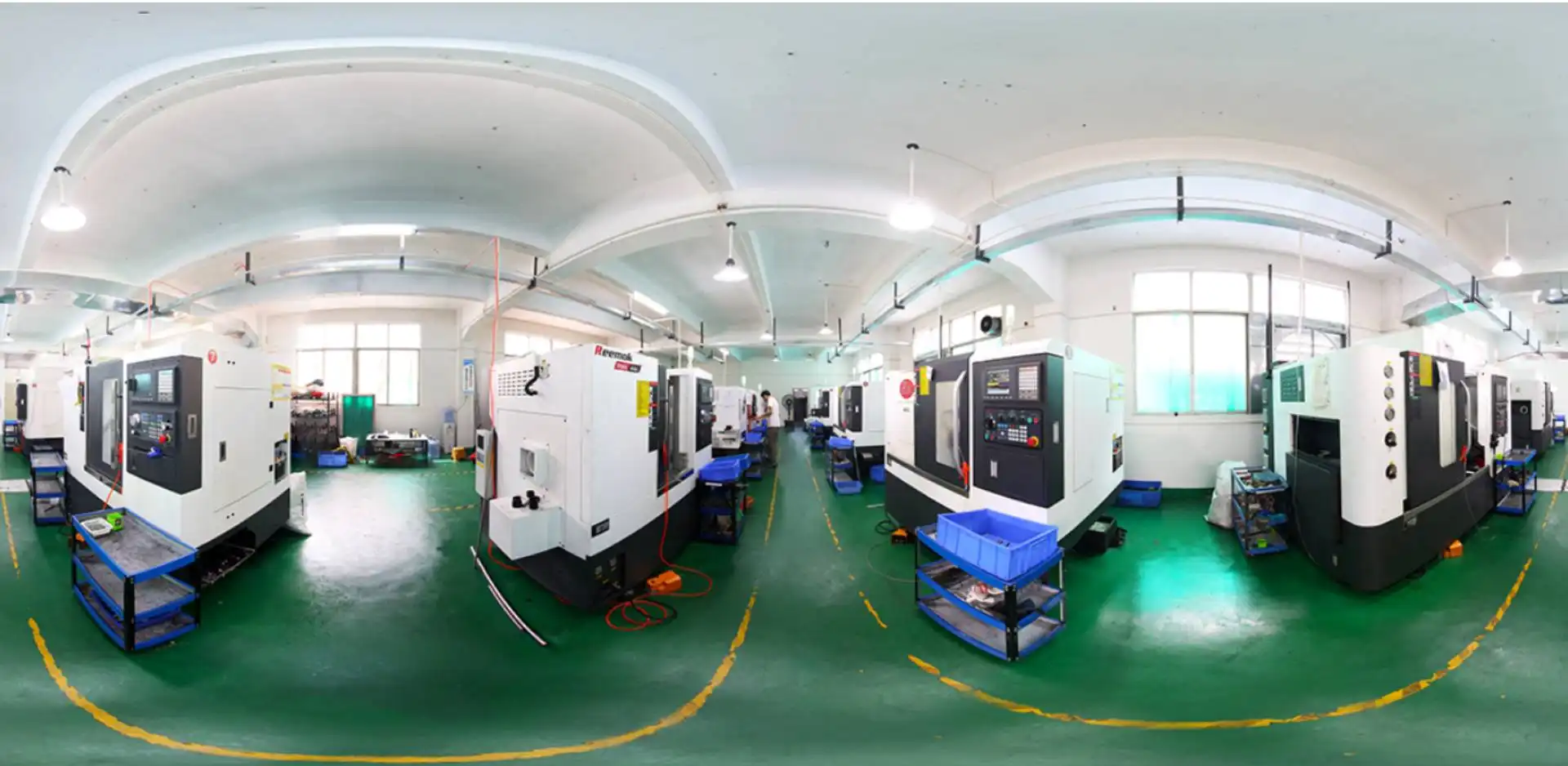
Junsion stands out as a trusted brass dowel pins manufacturer with comprehensive capabilities spanning design through delivery. Our 1,600 square-meter facility houses 32 advanced CNC machines, enabling precise component manufacturing with tolerances meeting the most demanding specifications.
Our brass dowel pins advantages include:
- Custom dimensions with ±0.01mm tolerance precision
- H59/H62/HPb59-1 brass material expertise
- Advanced processing: CNC, EDM, turning, milling capabilities
- Professional finishing: polishing, anodizing, plating, wire drawing
- Fast response times for urgent procurement needs
Established in 2019, Dongguan Junsion Hardware Co., Ltd. specializes in precision hardware components for automation equipment, vehicles, medical devices, aerospace, AI intelligent systems, home appliances, and robotics. Our integrated research, development, and manufacturing approach ensures optimal solutions for your specific applications.Ready to optimize your machinery with precision brass dowel pins? Our technical team provides expert guidance on material selection, dimensional requirements, and custom manufacturing solutions. Contact us at Lock@junsion.com.cn to discuss your brass dowel pins for sale requirements and receive detailed specifications for your next project.
References
1. Smith, J.A., et al. "Material Properties and Applications of Brass Alloys in Precision Manufacturing." Journal of Manufacturing Engineering, Vol. 45, 2023, pp. 234-251.
2. Chen, L.M. "Comparative Analysis of Dowel Pin Materials for Electronic Equipment Assembly." International Conference on Precision Engineering Proceedings, 2022, pp. 178-192.
3. Rodriguez, M.P. "Corrosion Resistance Testing of Brass vs Steel Fasteners in Industrial Applications." Materials Science and Technology Review, Vol. 28, No. 3, 2023, pp. 445-461.
4. Anderson, K.R., Thompson, D.L. "Electromagnetic Compatibility Considerations in Fastener Selection for Electronic Systems." IEEE Transactions on Electromagnetic Compatibility, Vol. 65, 2023, pp. 1205-1218.
5. Williams, S.J. "Manufacturing Tolerances and Quality Control in Precision Hardware Components." Precision Manufacturing Quarterly, Vol. 12, No. 4, 2022, pp. 89-104.
6. Kumar, V., et al. "Cost-Benefit Analysis of Material Selection in Automotive Fastener Applications." Automotive Engineering International, Vol. 131, 2023, pp. 67-83.