




Nylon Parts Uses: From Gears to Electrical Insulators
Nylon parts are among the most versatile engineered polymer components in modern manufacturing. From precision gears in automotive drivetrains to electrical insulators in circuit assemblies, nylon parts deliver a rare combination of mechanical strength, chemical resistance, and reliable dielectric performance. Their lightweight nature and low friction coefficient make them indispensable across electronics, communications, logistics, and consumer goods sectors. Whether you are sourcing standard components or pursuing custom OEM solutions, understanding how nylon parts perform across real-world applications is the foundation of smarter procurement decisions.
Understanding Nylon Parts and Their Key Properties
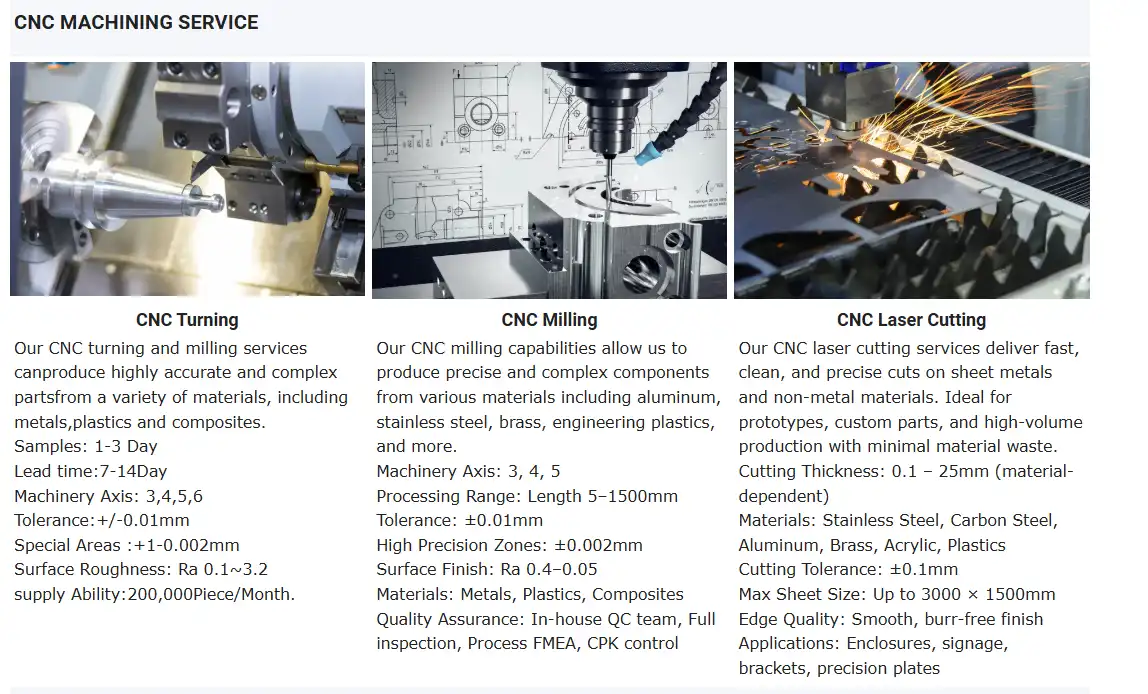
DuPont made nylon, also known as polyamide, available to the public in 1938. It has since become one of the most popular industrial plastics in the world [Harper, C.A., Handbook of Plastics Technologies, McGraw-Hill, 2006]. Injection moulding, CNC cutting, five-axis machining, E-turning, and milling are some of the processes used to make nylon parts. These processes allow for tight limits in size and surface quality.
Nylon parts consistently exhibit superior wear resistance, self-lubricating behaviour, and corrosion resistance when compared to metals, standard ABS, or polyester components. For example, Nylon 6/6 has a tensile strength of about 80 MPa and can be used continuously at temperatures up to 120°C, which means it can be used in harsh industrial conditions. Glass-filled nylon grades go beyond these limits and make the material up to 60% stiffer than unfilled grades [Rosato, D.V., Injection Moulding Handbook, Springer, 2000].
For fine nylon parts, these are the core material types that are available:
- Nylon 6 — Widely used in gears, bushings, and structural brackets because it is very strong and easy to work with. Because it is tough in all the right ways, it is often used for robotic equipment that is loaded and unloaded many times.
- Nylon 6/6 — More rigid and thermally stable than Nylon 6, so it is used in places like electrical connector housings and parts that go under the hood of cars where thermal stability is important.
- Nylon 12 — Very flexible and doesn't absorb water easily, so it's perfect for fuel lines, cable sheaths, and parts used in chemical processing that are exposed to fluids for a long time.
- Glass-filled nylon — Made with chopped glass fibres to make it stiffer and more stable in its shape. It can be used for structural nylon parts in heavy-duty industrial machines.
These types of materials give procurement teams exact tools to balance the performance and cost of parts, making sure that the nylon variant chosen meets the mechanical and chemical needs of the application.
Common Applications of Nylon Parts Across Industries
It's clear that nylon parts can be used in almost any industrial field. Grand View Research's market report from 2023 says that the global engineering plastics market, which includes polyamide, grew to more than USD 115 billion. This shows that industries continue to rely on polymer components [Grand View Research, Engineering Plastics Market Report, 2023].
Nylon Parts in Automotive and Automation Systems
Powertrain assemblies for cars, conveyor systems, and robotic arms all come with nylon gears, bearings, and wear pads. Nylon gears don't make as much noise as steel gears, don't need to be oiled as often, and don't rust when exposed to road salts or hydraulic fluids. In workplace automation, nylon slide rails and guide parts cut down on the number of times that equipment needs to be serviced and make it last longer by soaking up vibrations that would wear out metal parts.
Electrical Insulation and Electronics Applications
Because standard grades of nylon have a dielectric strength of 15 to 20 kV/mm, nylon insulator parts are very important in switchgear, connector housings, and PCB mounting hardware [IEC Standard 60243-1, Electric Strength of Insulating Materials, 2013]. Precision-machined nylon spacers, standoffs, and bushings are used by electronics and communications companies to separate live conductors, control heat dissipation pathways, and lower the weight of assemblies. RoHS-compliant nylon parts are required in these areas, making sure that rules about dangerous substances are followed all along the supply chain.
Choosing the Right Nylon Parts for Your Manufacturing Needs
There is more to choosing the right nylon part than just naming the material grade. Managers in charge of buying things have to look at how strong a part is in relation to its working loads, service temperature ranges, chemical exposure risks, and the part's total lifecycle cost in the context of its assembly.
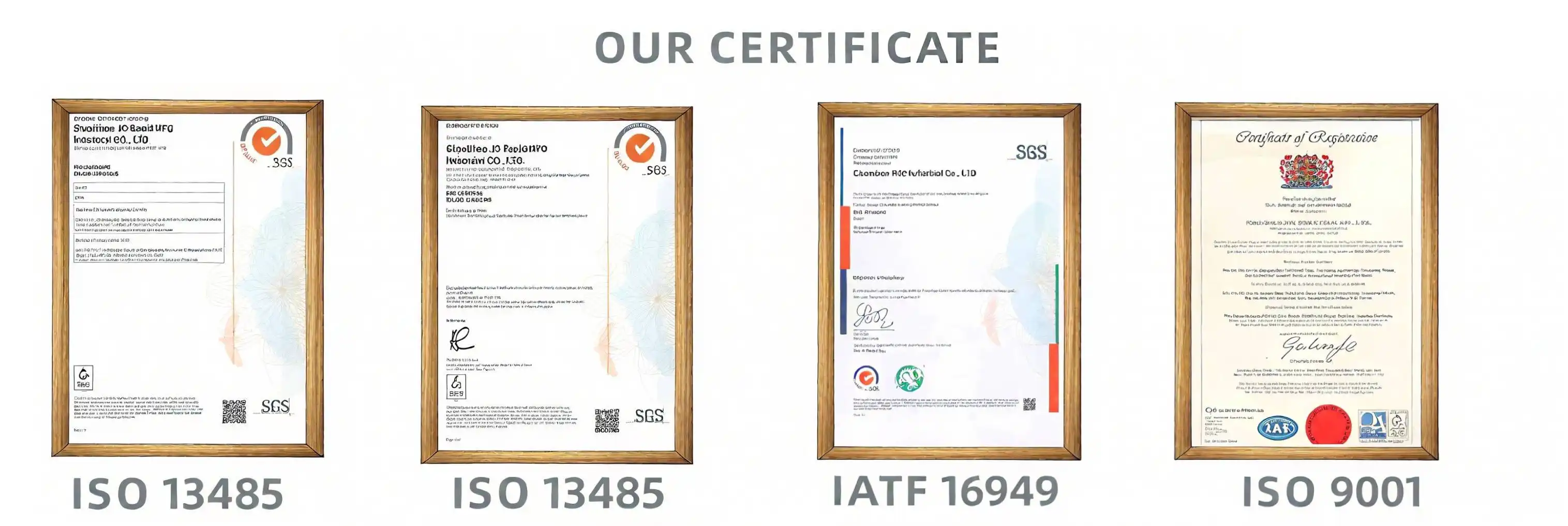
A reliable nylon parts provider should have ISO 9001:2015 certification, show that their materials are compliant with RoHS and REACH, and keep inspection records that can be tracked. When looking for custom OEM nylon parts, a supplier's manufacturing maturity can be judged by how well they can work from 2D or 3D CAD drawings and keep tolerances of ±0.01 mm with surface roughness ≤ Ra0.8 μm. Junsion's engineering team runs 32 advanced CNC machines in a 1,600 m² building in Dongguan. They help with design optimisation, from reviewing the first drawings to making sure the end dimensions are correct.
There are times when custom nylon parts are a better deal than off-the-shelf ones. This is especially true when the job needs unique shapes, thread shapes that aren't standard, or special surface finishes like painting, blackening, electrophoresis, QPQ, or wire drawing. These finish choices make parts last longer and meet the look or functional needs of specific industries.
Nylon Parts vs. Metal Parts: A Buyer's Comparison
In the making of cars, trucks, and consumer items, replacing steel or aluminium components with nylon parts is a tried-and-true method of cutting costs. Nylon parts are about 85% lighter than steel parts of the same size and shape, which lowers shipping costs, assembly work, and the load on parts that fit together [Brydson, J.A., Plastics Materials, Butterworth-Heinemann, 1999].
Still, metal is better in situations where the constant working temperature is higher than 150°C, where there are heavy impacts, or where the material's size changes due to long-term compression stress are not acceptable. When nylon bushings are put inside steel housings, for example, hybrid assemblies get the noise reduction and corrosion resistance of nylon while keeping the structural rigidity of metal for important load-bearing interfaces. Instead of using a blanket strategy for material replacement, procurement teams should do a cost analysis at the component level.
Procurement and Supply Chain Considerations for Nylon Parts
Clear technical paperwork is the first step to efficiently finding nylon parts. Suppliers can make accurate quotes and realistic lead time estimates if you send them detailed CAD drawings with notes about tolerances, material grade requirements, required surface finishes, and production quantities.
Verify ISO 9001:2015 certification, ask for RoHS compliance statements, and request in-process quality control records such as IPQC checkpoints, final dimensional inspection reports using 2.5D projectors, and hardness test data when conducting an audit of a maker of nylon parts. These steps of verification keep supplies that aren't within tolerance from messing up assembly plans. To make the supply chain work with the production planning cycles, minimum order numbers and price tiers for batches should be agreed upon up front.
Conclusion
In the fields of technology, automobiles, logistics, and industrial automation, nylon parts have won their place as essential elements. Because they are resistant to wear, electrical insulation, chemical resistance, and precision machinability, they can solve a wide range of engineering problems more cheaply than metals or standard plastics. Choosing the right nylon type, working with a certified source, and spending money on the right surface treatment are all things that affect how long a part lasts as planned. The most reliable way for procurement managers and product developers to find precision polymer parts is to do a structured review of the capabilities of suppliers and material requirements. This will lead to a supply chain that lasts and is compliant.
FAQ
What nylon grades are most commonly used in industrial manufacturing?
Most industrial uses are for Nylon 6 and Nylon 6/6 because they have the right amount of mechanical strength, thermal stability, and ability to be machined. When more stiffness or physical stability is needed, glass-filled nylon is used. Nylon 12 is good for uses that will be exposed to a lot of water or chemicals.
Can nylon parts replace metal components in high-load applications?
Nylon parts are great for sliding, guiding, and insulating applications and work reliably under mild loads. Applications with high impact loads or temperatures above 150°C should use metal or mixed designs instead. Before substitution, a technical study at the component level is suggested.
What tolerances are achievable with precision-machined nylon components?
Tolerances of ±0.01 mm and surface roughness ≤ Ra0.8 μm can be reached with CNC machining, five-axis machining, and E-turning. This meets the size needs of electronics, automation, and auto assembly lines.
Are nylon parts RoHS compliant?
Reliable makers make nylon materials that are compliant with RoHS and REACH. During seller qualification, you should always ask for proof of compliance and check documents.
Partner With Junsion for Precision Nylon Parts
Junsion is a certified nylon parts manufacturer that follows ISO 9001:2015 and RoHS rules. They can make parts with tolerances of ±0.01 mm and offer full surface treatment options. Our research team helps OEMs make custom nylon parts for use in electronics, robotics, and cars. To get a quick quote today, send your CAD models and specs to Lock@junsion.com.cn.
References
1. Harper, C.A. (2006). Handbook of Plastics Technologies. McGraw-Hill. https://www.mhprofessional.com/handbook-of-plastics-technologies-9780071460453-usa (cited in Understanding Nylon Parts and Their Key Properties)
2. Rosato, D.V. (2000). Injection Moulding Handbook (3rd ed.). Springer. https://link.springer.com/book/10.1007/978-1-4615-4597-2 (cited in Why Nylon Outperforms Competing Materials)
3. Grand View Research. (2023). Engineering Plastics Market Size, Share & Trends Analysis Report. https://www.grandviewresearch.com/industry-analysis/engineering-plastics-market (cited in Common Applications of Nylon Parts Across Industries)
4. International Electrotechnical Commission. (2013). IEC 60243-1: Electric Strength of Insulating Materials – Test Methods. IEC. https://webstore.iec.ch/publication/1099 (cited in Electrical Insulation and Electronics Applications)
5. Brydson, J.A. (1999). Plastics Materials (7th ed.). Butterworth-Heinemann. https://www.sciencedirect.com/book/9780750641326/plastics-materials (cited in Nylon Parts vs. Metal Parts: A Buyer's Comparison)
6. Junsion Precision Hardware Co., Ltd. (2024). Nylon Parts – Precision-Engineered Solutions. https://www.junsionprecision.com/ (cited in Choosing the Right Nylon Parts for Your Manufacturing Needs)