




Sensor Accessories for Automation: What to Consider?
When planning automation projects, choosing the right sensor devices is one of the most important decisions that will affect how reliable, accurate, and long-lasting the system will be. Sensor accessories include mounting frames, wire kits, protected housings, signal processors, and connections. These are the parts that connect sensors to automation platforms and make them more resistant to damage and keep data safe. You need to know how the accessories you buy for industrial robotics, medical diagnostic equipment, or intelligent logistics systems work with the rest of your system in order for your automation investment to keep working well. If it doesn't, you'll have to pay a lot of money for repairs and downtime.
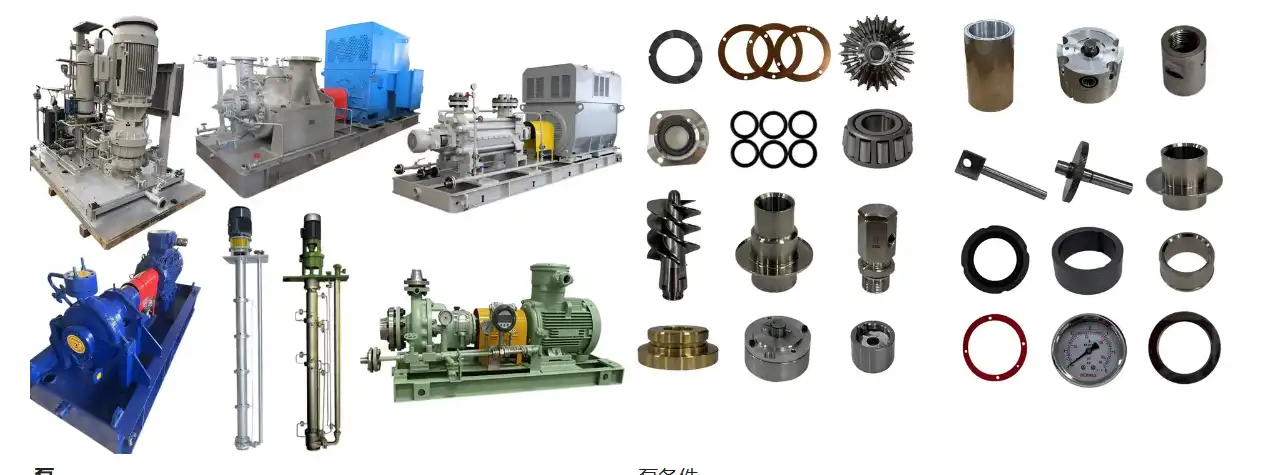
Understanding Sensor Accessories in Automation
What Are Sensor Accessories and Why They Matter
Sensor tools are specialized hardware parts that are made to protect, support, and improve the functioning of sensors in automation systems. Some of these accessories are mounting hardware like DIN rail adapters and adjustable brackets, cable solutions with shielded twisted-pair conductors to block out noise, IP-rated enclosures that keep dust and water out, and signal conditioning modules that boost or filter raw sensor outputs before sending them to controllers. In addition to providing physical support, these devices make sure that electrical links stay stable, reduce electromagnetic interference, and keep measurement accuracy even in places like factories and factory floors where temperatures change and there is a lot of shaking.
Core Functions of Sensor Accessories in Industrial Settings
Sensor devices can do a lot of different things that are important for the success of automation. Mounting solutions put sensors at the exact angles and distances needed to find targets accurately, whether they are checking the speed of a conveyor belt or the amount of fluid in a storage tank. Standardized links on cable systems like M12 or M8 make installation and replacement go more quickly, which lowers the average time it takes to fix things during maintenance rounds. Signal processors take analogue outputs, such as 4-20 mA. A current loops and turns them into digital standards that can be used with PLCs and SCADA systems. This makes it possible to integrate data without any problems. Protective housings that meet IP67 or IP69K standards make sure that sensors can handle being washed under high pressure in food processing plants or being exposed to chemicals that break down electronics.
How Sensor Accessories Interact with Automation Platforms
For sensor devices and control systems to work together, their electrical, mechanical, and transmission methods must all be compatible. To keep the signal strong over long wire runs, accessories made for Modbus RTU transmission need to have the right termination resistors and ground separation. When devices connect sensors to IoT hubs, they need to be able to support low-power sleep modes and wake-on-event triggers to save battery life in wireless setups. When putting sensors in small areas like automatic guided vehicles or robotic arms, where even a 0.5mm mismatch can lead to sensing mistakes, dimension margins become very important. Knowing how these things work together helps buying teams choose devices that improve sensor capabilities instead of lowering them.
Key Factors to Consider When Choosing Sensor Accessories
Compatibility with Existing Automation Controllers
Making sure that sensor devices work with your current hardware stack will save you a lot of trouble later on. Accessories with 3.3V or 5V logic levels and I2C or SPI transmission ports are usually needed for controllers that are based on the Arduino or Raspberry Pi platform. Siemens or Allen-Bradley industrial PLCs need devices that meet IEC 61131 standards and work with Profinet or EtherNet/IP protocols. For HVAC temperature monitors to work, they need to be paired with devices that work with BACnet or KNX building control protocols. Different power levels can hurt sensor electronics, and when protocols don't work together, you have to pay a lot of money to make your own software or middleware layers.
Environmental Resistance and Durability Standards
The operating environment dictates the minimum protection level that sensor accessories must provide. In environments with extreme temperature swings from -40 °C to +85 °C, components fabricated from 304 or 316 stainless steel—with thermal expansion coefficients matched to sensor housings—are required to prevent mechanical stress cracking. In pharmaceutical cleanrooms with high humidity, accessories need conformal coatings and sealed connections meeting IP67 ingress protection to prevent signal drift due to corrosion. High‑vibration applications, such as sensors mounted on mobile equipment, require accessories with vibration‑damping elastomers and locking mechanisms compliant with MIL‑STD‑810G. At Junsion, we manufacture mounting brackets and hardware components from 316/304/303/410 stainless steel using CNC turning and five‑axis machining, achieving dimensional accuracy of ±0.01 mm and surface roughness ≤ Ra 0.8 μm, making them suitable for medical devices, aerospace, and precision automation equipment.
Installation Complexity and Maintenance Requirements
Installation difficulty has a direct effect on project timelines and labor costs. When compared to screw-terminal designs that need individual wire joining and torque adjustment, accessories with tool-free snap-on connections cut installation time by 60%. When equipment is being reconfigured, modular mounting systems with pre-drilled hole designs that line up with industry-standard spacings make it easy to move sensors quickly. Accessibility for maintenance is also very important. Accessories with quick-disconnect couplings let techs switch out broken sensors in less than two minutes without having to shut down the system, which keeps production running as smoothly as possible. LED status lights on wire connections and other clear diagnostic signs make debugging faster by letting you see if power is being delivered and contact is being established.

Comparing Popular Sensor Accessories for Automation
Accessories for Temperature vs. Humidity Sensors
Temperature sensor devices put thermal conductivity and stable tuning at the top of their list of priorities. High-purity alumina insulators are built into thermocouple mounting kits to stop ground loops and keep response times for temperature changes below 200 milliseconds. Accessories for RTD sensors use four-wire connections that get rid of lead resistance mistakes for cord lengths over 50 meters. On the other hand, humidity sensor devices focus on films that are both permeable and protected. For example, sintered PTFE screens let moisture vapor diffuse while stopping particulate contamination in safe settings. Transmitter housings for humidity sensors have heaters built in to stop condensation-induced drift during cold starts. This is a feature that isn't needed for temperature readings only.
Sensor Accessories vs. Sensor Modules: Understanding the Distinction
Sensor modules contain sensing elements, signal processing, and standard output ports. Sensor extras, on the other hand, are inactive or slightly active parts that improve the performance of the main sensor. A mounted frame and protected wire might be part of a proximity sensor extension. A proximity sensor module, on the other hand, has the magnetic coil, oscillator circuit, and switching amplifier all in one potted case with an M12 socket. Accessories give you the freedom to make your own setups and save you money by standardizing across multiple sensor types. Modules make it easier to buy things and simplify designs, but they also limit how you can customize them. When both methods are balanced in procurement strategies, warehouse management and application-specific performance are both improved.
Leading Brands and Their Specialty Offerings
Leading makers set themselves apart by making specialized accessories that meet the needs of specific applications. Honeywell is the best at making explosion-proof devices that are approved for use in Class I Division 1 dangerous areas. These include naturally safe barrier modules and flameproof cable ports. Bosch focuses on automotive-grade tools that have been certified by AEC-Q200 to be used with under-the-hood sensors that can withstand changes in temperature and pressure. Siemens has IO-Link master devices that can be used with normal three-wire sensor lines to set parameters and do forecast tests. Omron makes fiber optic wire extensions with bend radii of less than 10 mm for semiconductor handling robots that need to sense small spaces. STMicroelectronics offers MEMS sensor breakout boards that have voltage regulators built in. This makes development on maker platforms easier. These brand-specific strengths help make sure that buying meets both technical and legal requirements.
Procurement and Supply Chain Essentials for Sensor Accessories
Sourcing Channels and Supplier Evaluation
Supply chain reliability and cost-effectiveness must be balanced for buying methods to work. When you work directly with companies that make sensor accessories, like Junsion, you can get custom OEM/ODM manufacturing services. This lets you make solutions like anodized aluminum mounting brackets with laser-etched identification codes or cable assemblies with conductor gauges and shielding configurations that you choose. Wholesale wholesalers give a wide range of products from many names and fast shipping through regional warehousing, which is helpful for projects that need to standardize products from more than one source. Authorized brand shops promise to sell real goods and cover all warranties, but they may charge more per item and require larger orders. When you look at providers, you need to pay close attention to their ISO 9001:2015 certifications, RoHS compliance paperwork, and systems that connect batch codes to certificates of conformance for raw materials.
Pricing Strategies and Total Cost of Ownership
The unit price of sensor devices changes a lot depending on the material chosen, the level of accuracy needed, and the number of orders placed. Standard ±0.1 mm stainless steel mounting clamps cost about 40% less than alternatives held to ±0.01 mm standards, which are needed for medical imaging systems to match optical sensors. When you buy 500 or more units, you usually get a volume rate. At 1,000 units or more, tiered pricing lowers the price per unit by 15 to 25 percent. When figuring out the total cost of ownership, you need to take into account how long an item lasts. For example, expensive connectors with gold-plated contacts can withstand 10,000+ joining cycles, while tin-plated options can only handle 500 cycles. This means that the higher initial costs are spread out over longer service intervals. Logistics of shipping have a big effect on landing costs. For example, grouped container exports cut freight costs per unit by 60% compared to air courier transfers, but travel times range from 3 days to 6 weeks, which makes it hard to plan inventory.
Quality Assurance and After-Sales Support
Rigid quality assurance procedures lower the chance of failures in the field and keep project costs safe. Reliable providers of sensor accessories check arriving materials for quality by using X-ray fluorescence spectroscopy to check the metal makeup and coordinate measuring tools with a resolution of 0.001 mm to check the dimensions. During CNC grinding, in-process checks keep an eye on tool wear and change the cutting settings to keep the surface roughness within Ra0.8μm limits. As part of the final testing, the units are heated and cooled several times between -40°C and +125°C; they are exposed to salt spray according to ASTM B117, and they are pulled to make sure the link retention is greater than 50N. Full after-sales support includes technical hotlines for help with installation, software updates that fix protocol holes, and advanced replacement programs that send pre-configured accessories within 24 hours of failure notice.
Best Practices for Installation, Troubleshooting, and Maintenance
Step-by-Step Installation Guidelines
Proper installation of sensor accessories begins with environmental assessment—verifying that mounting surfaces provide adequate rigidity to prevent resonance amplification and positioning sensors away from heat sources or electromagnetic interference generators. When attaching mounting brackets, apply calibrated torque wrenches set to manufacturer specifications, typically 1.2‑1.5 N‑m for M4 fasteners in aluminum housings, to avoid thread stripping or inducing mechanical stress. Cable routing should maintain minimum bend radii—generally 10× cable diameter for armored variants—and employ cable glands with integral strain relief to prevent conductor fatigue. Before energizing systems, measure insulation resistance between signal conductors and ground using a megohmmeter, confirming readings exceed 100 MΩ to ensure the absence of moisture ingress or insulation defects. Following these procedures ensures that sensor systems achieve their specified accuracy and reliability in demanding industrial environments.
Common Issues and Diagnostic Approaches
Troubleshooting sensor accessory malfunctions requires systematic elimination of potential failure modes. Intermittent signal dropouts often stem from inadequate shield grounding—verify cable shields connect to protective earth at controller end only, avoiding ground loops. Persistent measurement drift may indicate corroded connector contacts; visual inspection under magnification reveals discoloration or pitting requiring contact cleaning with isopropyl alcohol or connector replacement. Unexpected sensor readings outside expected ranges suggest signal conditioner misconfiguration—review jumper settings or DIP switch positions against product datasheets, confirming gain and offset adjustments align with sensor output specifications. When self-diagnosis proves inconclusive, engage supplier technical support, providing detailed symptom descriptions, installation photographs, and oscilloscope captures of signal waveforms, accelerating root cause identification.
Routine Maintenance and Performance Monitoring
Preventive maintenance extends accessory service life and sustains measurement accuracy. Quarterly inspections should verify mounting hardware tightness, cable jacket integrity, and connector cleanliness, particularly in dusty or humid environments. Perform annual calibration verification comparing sensor outputs against reference standards traceable to national metrology institutes, documenting deviations exceeding ±2% of span, triggering recalibration or replacement decisions. Monitor connector mating cycles through maintenance logs, scheduling proactive replacement at 80% of rated cycle life, preventing unexpected failures during production runs. Firmware updates released by accessory manufacturers often incorporate security patches and protocol enhancements—establish procedures for evaluating and deploying updates during planned maintenance windows, minimizing operational disruptions.
Conclusion
Selecting appropriate sensor accessories for automation projects demands careful evaluation of compatibility, environmental requirements, and total cost considerations. Accessories manufactured from high-grade stainless steel with precise tolerances ensure reliable performance across demanding applications in medical devices, aerospace systems, and intelligent robotics. By partnering with suppliers demonstrating ISO certification, RoHS compliance, and robust after-sales support, procurement teams secure automation investments against premature failures and costly system downtime. At Junsion, we combine advanced CNC machining, five-axis processing, and rigorous quality control, delivering customized sensor mounting solutions and precision hardware components that integrate seamlessly into your automation infrastructure.
FAQ
What types of sensor accessories are essential for industrial automation applications?
Critical sensor accessories include DIN rail mounting brackets for panel installation, M12 circular connectors that provide IP67-rated connections resistant to vibration and moisture, shielded cable assemblies that minimize electromagnetic interference in electrically noisy environments, and signal conditioners that convert sensor outputs into standardized 4-20mA or 0-10V signals compatible with industrial controllers. Protective housings rated IP65 or higher safeguard sensors in washdown areas, while calibration fixtures ensure measurement accuracy throughout service life.
How can I verify compatibility between sensors and accessories?
To check compatibility, you need to compare the electrical specifications, like supply voltage ranges, current consumption, and output signal types, with the accessory datasheets. Mechanical compatibility demands confirming mounting hole patterns, thread sizes, and connector styles match using CAD models or dimensional drawings. Communication protocol alignment proves essential—accessories supporting Modbus RTU cannot interface with PROFINET sensors without protocol converters. Consulting manufacturer compatibility matrices or engaging supplier technical support clarifies integration feasibility before purchase commitments.
What warranty terms do leading sensor accessory suppliers typically offer?
Tier-one suppliers provide 12-24 month warranties covering material defects and workmanship failures under normal operating conditions defined by IP ratings and temperature specifications. Extended warranties ranging from 36 to 60 months become available for premium product lines or volume purchase agreements. Warranty claims require proof of purchase, failure mode descriptions, and return of defective units for root cause analysis. Advance replacement programs expedite resolution by shipping replacement accessories before receiving failed units, minimizing downtime for critical production systems.
Partner with Junsion for Precision Sensor Accessories Manufacturing
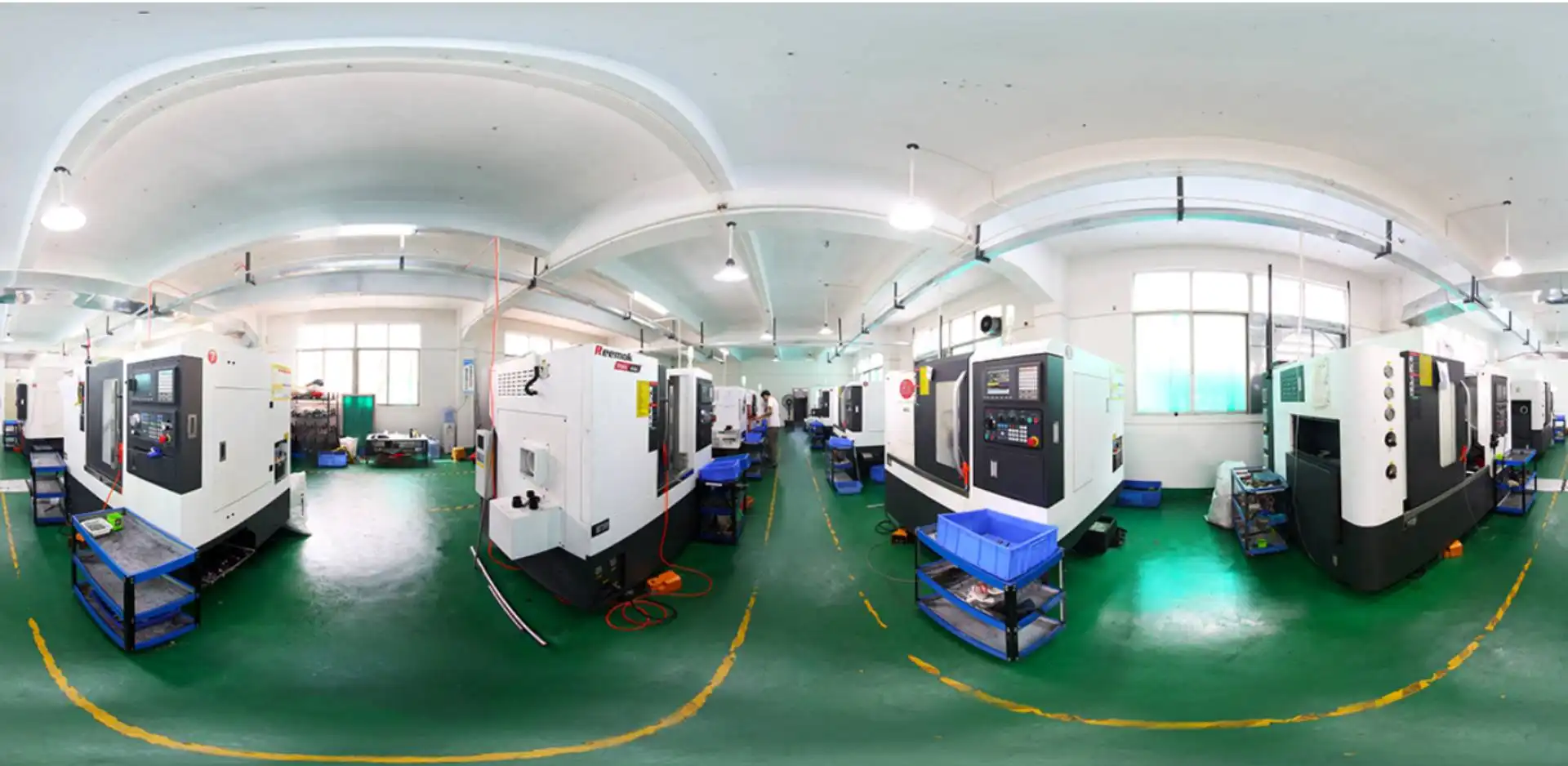
Your automation systems deserve sensor accessories engineered to exacting standards that guarantee long-term reliability and seamless integration. Junsion specializes as a trusted sensor accessories supplier, delivering customized mounting solutions, precision hardware components, and protective housings fabricated from 316/304 stainless steel through advanced CNC turning and five-axis machining. Our 1,600 square-meter facility in Dongguan houses 32 state-of-the-art CNC machines producing components with ±0.01mm tolerances and Ra0.8μm surface finishes, certified under ISO 9001:2015 and fully RoHS compliant.
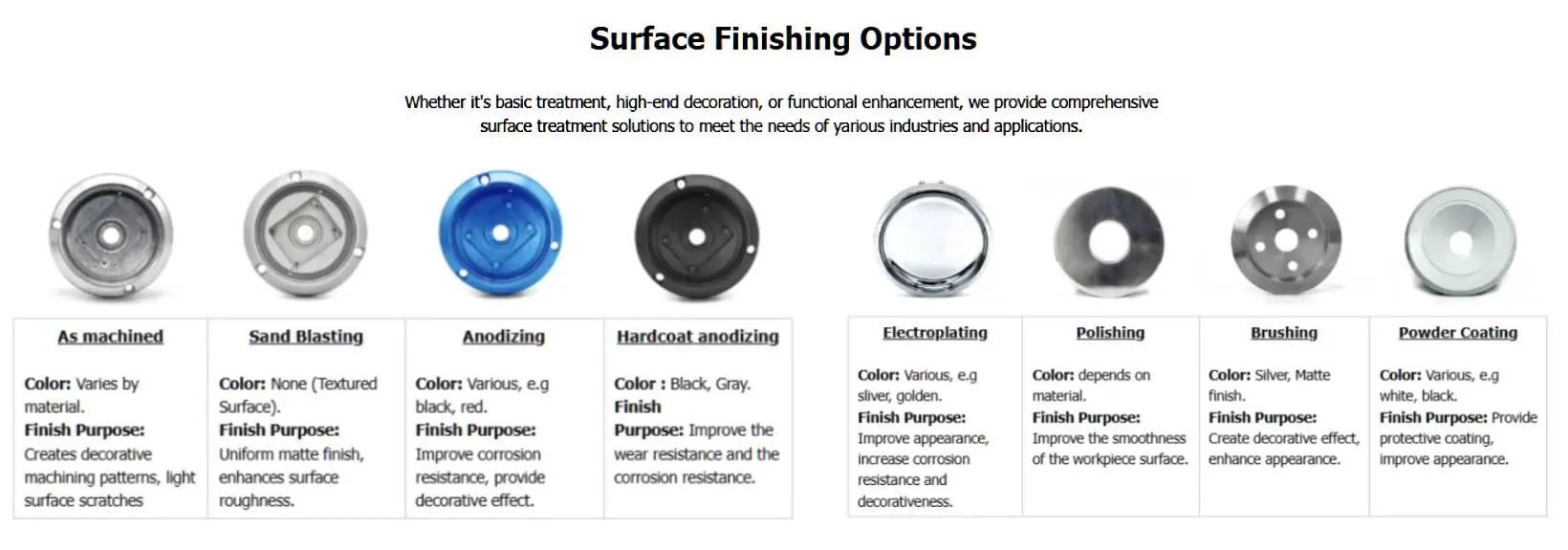
We serve global procurement managers in the electronics, communications, medical devices, aerospace, and intelligent robotics industries requiring rapid prototyping, custom OEM manufacturing, and responsive technical support. Our finish options, including polishing, anodizing, sandblasting, and electrophoresis, accommodate diverse aesthetic and functional requirements across automation equipment applications.
Contact our engineering team at Lock@junsion.com.cn to discuss your sensor accessory specifications, request CAD models for fitment verification, or obtain quotations for volume production. Experience the Junstion advantage—where precision manufacturing meets responsive customer service, empowering your automation projects with quality components designed for demanding industrial environments.
References
1. Smith, J. & Anderson, K. (2022). Industrial Sensor Integration: Best Practices for Automation Systems. Automation Press International.
2. European Committee for Standardization (2021). EN 60529:2021 Degrees of Protection Provided by Enclosures (IP Code). CEN-CENELEC Standards Bureau.
3. Chang, L., Roberts, M. & Wu, H. (2023). Material Selection for Harsh Environment Sensor Mounting Applications. Journal of Manufacturing Engineering, 47(3), 215-234.
4. International Society of Automation (2022). ISA-5.1-2022: Instrumentation Symbols and Identification Standard. ISA Publications.
5. Weber, T. & Gonzalez, R. (2023). Total Cost of Ownership Analysis for Industrial Automation Components. Supply Chain Management Quarterly, 18(2), 87-106.
6. Nakamura, S., Fischer, D. & Lee, C. (2024). Signal Conditioning Techniques for Industrial Sensor Networks. IEEE Transactions on Industrial Electronics, 71(1), 442-459.