




How to Maintain Sewing Machine Accessories Properly?
Proper maintenance of sewing machine accessories requires systematic cleaning, regular lubrication, controlled storage conditions, and timely replacement of consumable components. These practices directly extend component service life, reduce production downtime, and lower long‑term operating costs. Whether operating an industrial textile production line or a commercial garment manufacturing facility, understanding how to maintain presser feet, bobbins, needles, and other critical accessories ensures consistent stitch quality and reliable machine performance. Correct maintenance of sewing machine accessories protects your capital investment and maintains factory productivity even during peak production periods.
Introduction
In both industrial and commercial settings, keeping sewing machine parts in good shape is important for keeping operations running smoothly and avoiding unexpected costs. Putting regular maintenance of these parts at the top of the list for buying teams leads to measurable changes in equipment lifespan, consistent machine performance, and total cost management. Not giving regular maintenance can cause parts to break down early, waste more, and need expensive repairs that throw off production plans.
Leading makers in the industry, like Brother, Janome, Singer, and Bernina, have made detailed repair instructions that are in line with their engineering standards. These brands work closely with dependable source networks to make sure that B2B buying teams can get genuine spare parts and repair kits that are made to work with other products and last a long time. By working with approved providers, you can be sure that your repair plans will meet the standards of the maker and the insurance. This will protect both the health of your equipment and your financial investments.
Understanding Common Problems in Sewing Machine Accessories Maintenance
Problems that keep happening with parts used in textile and clothing production include fast wear, lint buildup, rust, and mechanical mismatch. These problems directly hurt usefulness, make stitches less accurate, and eventually lower production measures. Wear patterns usually happen when moving parts rub against each other all the time. Also, dirt and fibre debris can get into important gaps and make the machine work less smoothly.
The main reasons for these maintenance failures are usually bad cleaning methods that don't get rid of embedded dirt, bad storage conditions that leave parts open to changes in humidity and temperature, and mistakes made by operators who aren't properly trained. Even high-quality parts break down faster than their designed service lives if they are not cleaned and handled properly regularly.
Real-life case studies from car upholstery shops show that not cleaning the bobbin case led to thread tension problems that made the number of defects rise by 23% over six months. In the same way, a commercial textile operation cut the number of broken needles by 40% after putting in place weekly checks of the presser feet and monthly deep cleaning procedures. These examples show how the principles of systematic maintenance, like cleaning at regular times, using the right working methods, and keeping the surroundings under control, have a direct effect on production results. If procurement workers are aware of these common mistakes, they can take steps to avoid expensive downtime and keep quality standards high across all activities.
Step-by-Step Guide to Cleaning and Maintaining Sewing Machine Accessories
To use an organised approach to repair, you need the right tools, safety rules, and cleaning materials for each type of component. This orderly process makes sure that care is given thoroughly while also protecting both people and tools.
Essential Tools and Safety Protocols
Before you start any repair task, make sure you have the right tools: lint brushes, compressed air canisters, precise screwdrivers, soft cotton cloths, rubbing alcohol, and the oils that the maker of your equipment says are safe to use. When using cleaning chemicals, safety rules say to turn off power sources, wear the right personal protective equipment, and work in well-ventilated places. These safety measures keep people from being exposed to electrical dangers and chemicals while also making the perfect environment for thorough inspection work.
Component-Specific Cleaning Techniques
Different sewing machine accessories require distinct maintenance approaches based on their materials and functions. Presser feet need gentle brushing to remove fiber buildup around toes and shanks, followed by solvent washing to eliminate adhesive residues from specialty fabrics. Bobbins and bobbin cases require compressed air cleaning to remove lint from tension springs and thread paths, complemented by light lubrication of bearing surfaces using manufacturer‑specified oils. Adhering to these differentiated maintenance protocols ensures each accessory performs optimally and achieves its full service life.
Needles must be looked at closely under a microscope to find burrs or bends that make it hard to sew, and they must be replaced right away if any problems are found. Feed dogs need special brushes to clean between their teeth thoroughly, because food getting stuck in these grooves makes cloth feeding irregular. To keep threads moving smoothly and tension control stable, thread guides and tension discs need to be carefully cleaned with lint-free cloths that have been dampened
with rubbing alcohol.
Maintenance Frequency Based on Usage Intensity
The amount of use directly decides how often repairs should be done. High-volume factories with multiple shifts should do daily quick-cleaning routines that focus on getting rid of lint and weekly extensive maintenance that includes greasing and thorough checks. Commercial settings with a medium level of activity can benefit from deep cleaning every two weeks and checking each part every month. For sites with lower traffic, cleaning cycles can be extended to once a month with full reviews every three months. Cleaning plans can be changed based on observed buildup rates and performance indicators.
Lubrication Best Practices and Storage Solutions
Proper lubrication increases the life of parts by lowering friction-related wear, but too much lubrication brings in contaminants that speed up breakdown. Apply small amounts of the right oils to the bearing surfaces, pivot points, and moving contacts, and wipe off any extra right away. Maintaining controlled temperature and humidity levels, putting tools in divided containers to stop cross-contamination, and protecting metal parts from rust with desiccant packets or protective coats are just a few of the things that can be done to make sure that parts last as long as possible.
When cleaning problems like sticky glue leftovers or embedded particles won't go away, use specialised solutions suggested by the part makers instead of harsh chemicals that could damage precision surfaces or protective coats. Writing down the steps you take to clean and the results you get helps standardise maintenance processes across all operations. This way, even if staff changes happen, everything stays the same.
Comparing Maintenance Needs Among Various Types of Sewing Machine Accessories
There are big differences in the maintenance needs of industrial and home-use parts because of the different materials used, the way they work, and how often they should be serviced. Industrial tools made for high-speed, continuous use have sealed bearings, hardened steel construction, and stronger connection spots that can handle harsh conditions. When compared to home-use versions made from lighter metals with simpler designs, these parts can handle harsher cleaning methods and need to be oiled more often.
Industrial Versus Home-Use Component Care
Hardened tool steel is used to make industrial presser feet that don't change size when heated and cooled many times or put under a lot of mechanical stress. This means that they can be cleaned with ultrasonic waves or sprayed with high-pressure air. To keep the surface from getting damaged and the coating from wearing off, domestic models made of aluminium alloys or brass that have been polished need to be handled more carefully. These differences in longevity are reflected in the time between replacements. Industrial parts usually last between 5,000 and 10,000 hours of use before they need to be replaced, while home items may need to be replaced after 500 to 2,000 hours, based on the material and how it is used.
Specialized Care for Embroidery and Quilting Accessories
When using speciality threads for decorative purposes, embroidery tools need extra care to make sure the thread path is smooth,h and the tension stays the same. This is because decorative threads are more sensitive to surface imperfections and changes in friction. Cleaning instructions stress regularly checking thread guides for tiny burrs and cleaning contact surfaces to keep friction coefficients low. When it comes to quilting accessories, stuffing fibres get into machinery more easily than woven fabrics, which means they need to be cleaned with compressed air more often and with special vacuum devices made for textile equipment.
Brand-Specific Maintenance Recommendations
Brother systems stress preventative maintenance by listing organised service intervals and suggesting specific lube viscosities and application points in their technical guides. Janome's engineers focus on making flexible parts that can be easily replaced. Their maintenance routines prioritise eye checks and make cleaning easier so that even an operator can do it. Singer's legacy industrial equipment has a lot of extra support, but buying teams have to make sure that parts are real to keep performance standards high. Bernina's precise Swiss engineering requires repair workers to follow strict tolerances, which means they need accurate measuring tools to make sure they're making the right changes.
Knowing how these different types of accessories work with each other and when they need to be serviced lets procurement pros make care plans that are perfect for their equipment and the needs of their operations. Scheduling things correctly cuts down on unplanned breaks and increases the useful life of sewing equipment purchases.
Advanced Tips for Prolonging the Life of Sewing Machine Accessories
By identifying early signs of wear in sewing machine accessories, you can intervene before a component fails and causes production delays. Visual inspection reveals surface scoring, dimensional changes, coating degradation, and mechanical looseness—all indicators that the accessory is approaching the end of life. Using precision calipers and micrometers to compare critical dimensions against manufacturer specifications quantifies wear progression, enabling replacement decisions based on data rather than reacting to catastrophic failures. This preventive approach maintains production continuity and reduces costly emergency repairs.
Implementing Preventive Maintenance Routines
Structured preventative maintenance programs with thorough plans, written processes, and responsibility systems are very helpful for B2B clients who run industrial sewing businesses. These routines should include specific rules for each type of device when it comes to inspections, acceptance standards, cleaning, greasing, and replacement triggers. Digital maintenance management systems keep records of past service, guess what maintenance will be needed in the future, and send out alerts to make sure that important jobs aren't missed. According to standards in the textile industry, preventative measures cut down on emergency fixes by 60–75%. This directly leads to more reliable production.
Sourcing Authentic Replacement Components
Fake and non-original parts can seriously affect how well your equipment works and how long your guarantee covers it. Genuine parts made to the original specs keep the right fit, material qualities, and surface styles, making sure they work with existing systems. When you buy from authorised wholesalers, you can track your order, get quality certifications, and get expert help that you can't get from illegal outlets. Even though private options might be cheaper, the risk of faster wear, interface problems, and guarantee violations usually outweighs the price savings at the time of purchase.
Training Staff for Proper Handling
Human factors play a big role in parts wearing out and breaking too quickly. Operators and repair staff can protect equipment purchases with the help of thorough training programs that cover things like proper installation methods, force specs, handling procedures, and how to spot damage. Hands-on demos, visual guides that show right and wrong ways to do things, and testing tools that check for knowledge recall should all be part of training classes. Organisations that use organised training methods say that mistakes caused by users drop by 30 to 50 percent.
Leveraging Technology for Maintenance Management
Digital record systems, IoT-enabled tracking equipment, and predictive analytics software are all used in modern maintenance methods. These tools change reactive maintenance cultures into proactive optimisation programs. Digital logs make maintenance records available, which helps with root cause analysis and efforts to keep getting better. Sensor systems keep an eye on working factors, temperature profiles, sound patterns, and other factors to find problems before they happen. Predictive analytics look at old data to find trends that can more accurately predict how long a part will last. This lets you use just-in-time replacement methods that cut down on stocking costs and avoid unplanned downtime.
These cutting-edge strategies come from the best textile and clothing makers, who don't see repair as a cost center but as a strategic skill that gives them a competitive edge through practical excellence.
Procurement Considerations for Sewing Machine Accessories Maintenance
To make good purchasing plans for new parts and materials for upkeep, including sewing machine accessories, you need to balance cost with quality control, source dependability, and create long-term value. Purchasing managers have to make choices about how to source goods, how to handle stockpiles, and how to work with suppliers. These choices have a big effect on the business's ability to stay open and on its overall cost of ownership.
Comparing Sourcing Platforms
Wholesale wholesalers give better prices for large orders and a wider range of products, but they may have minimum order amounts that are higher than what you need right now. When you need something quickly, retail sites give you more options, but they charge more because of smaller transaction amounts. Online platforms make it easier to find suppliers and compare prices, but they also come with risks when it comes to making sure that products are real and having access to technical help. The best procurement departments usually use a mix of tactics, relying on their ties with wholesalers for regular restocking and keeping store and online choices open in case of emergencies.
Evaluating Cost-Effectiveness and Supplier Reliability
True cost-effectiveness extends beyond unit pricing to encompass the total cost of ownership, including shipping expenses, inventory carrying costs, defect rates, and supplier service quality. Reliability metrics should evaluate on-time delivery performance, order accuracy, product consistency, and responsiveness to quality issues. Supplier financial stability warrants consideration, as vendor failures disrupt supply continuity and may strand investments in proprietary components or specialized inventory.
Advantages of Recognized Brands
Established manufacturers invest substantially in engineering, quality control, and compatibility testing, ensuring their components meet demanding performance standards. These brands typically offer comprehensive technical documentation, application support, and warranty protections unavailable from generic alternatives. Long-term compatibility represents a critical advantage, as recognized manufacturers maintain production of legacy components supporting equipment throughout its operational life, whereas generic suppliers frequently discontinue products as market trends shift.
Negotiating Bulk Orders and Long-Term Contracts
Volume commitments enable favorable pricing structures, priority allocation during supply constraints, and customized service agreements addressing specific operational requirements. Long-term contracts provide price stability, shielding operations from market volatility while encouraging suppliers to invest in relationship-specific capabilities such as vendor-managed inventory programs, consignment arrangements, or dedicated technical support resources. Effective negotiations balance commitment levels against flexibility needs, incorporating performance metrics and continuous improvement provisions protecting both parties' interests.
Procurement professionals integrating these considerations into their sourcing strategies position their organizations for sustainable competitive advantage through reliable, cost-effective access to maintenance supplies supporting uninterrupted production operations.
Precision Components for Textile Equipment Applications
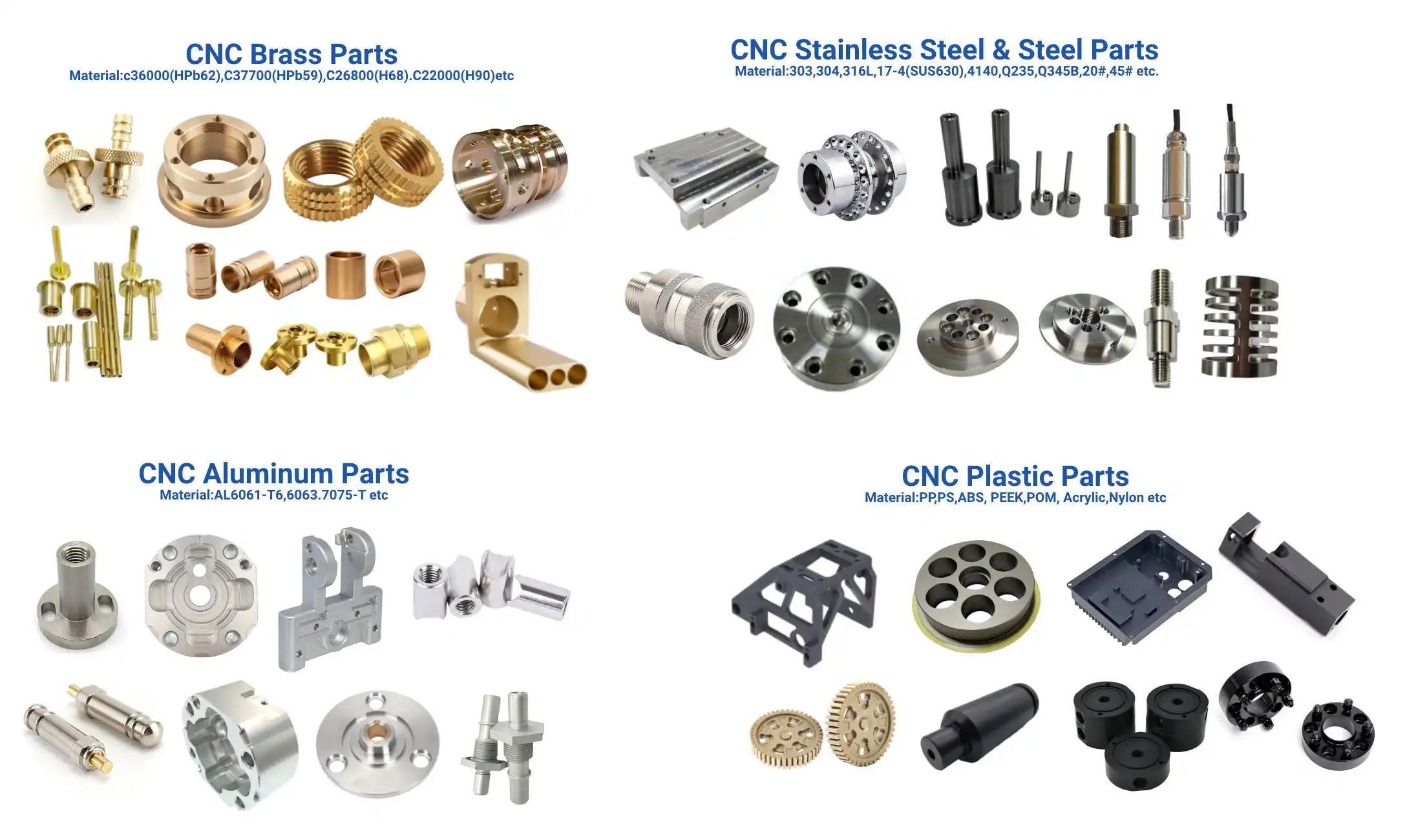
While sewing machine accessories represent specialized applications, the broader precision hardware manufacturing capabilities supporting textile and electronics industries share common requirements for tight tolerances, material versatility, and surface finish quality. Components manufactured through advanced CNC machining, EDM processing, and five-axis manufacturing techniques achieve dimensional accuracies of ±0.01mm with surface roughness values reaching Ra0.8μm or better, meeting exacting specifications for mechanical assemblies in demanding applications.
Material selection spanning 45 steel, aluminum alloys, stainless steel variants, engineering plastics, and brass provides options optimized for strength requirements, corrosion resistance, weight constraints, and cost parameters. Processing techniques, including turning, stamping, hobbing, milling, grinding, drilling, tapping, and reaming, enable complex geometries and precise features. Surface treatments such as polishing, anodizing, plating, and specialized coatings enhance corrosion protection, wear resistance, and aesthetic appearance.
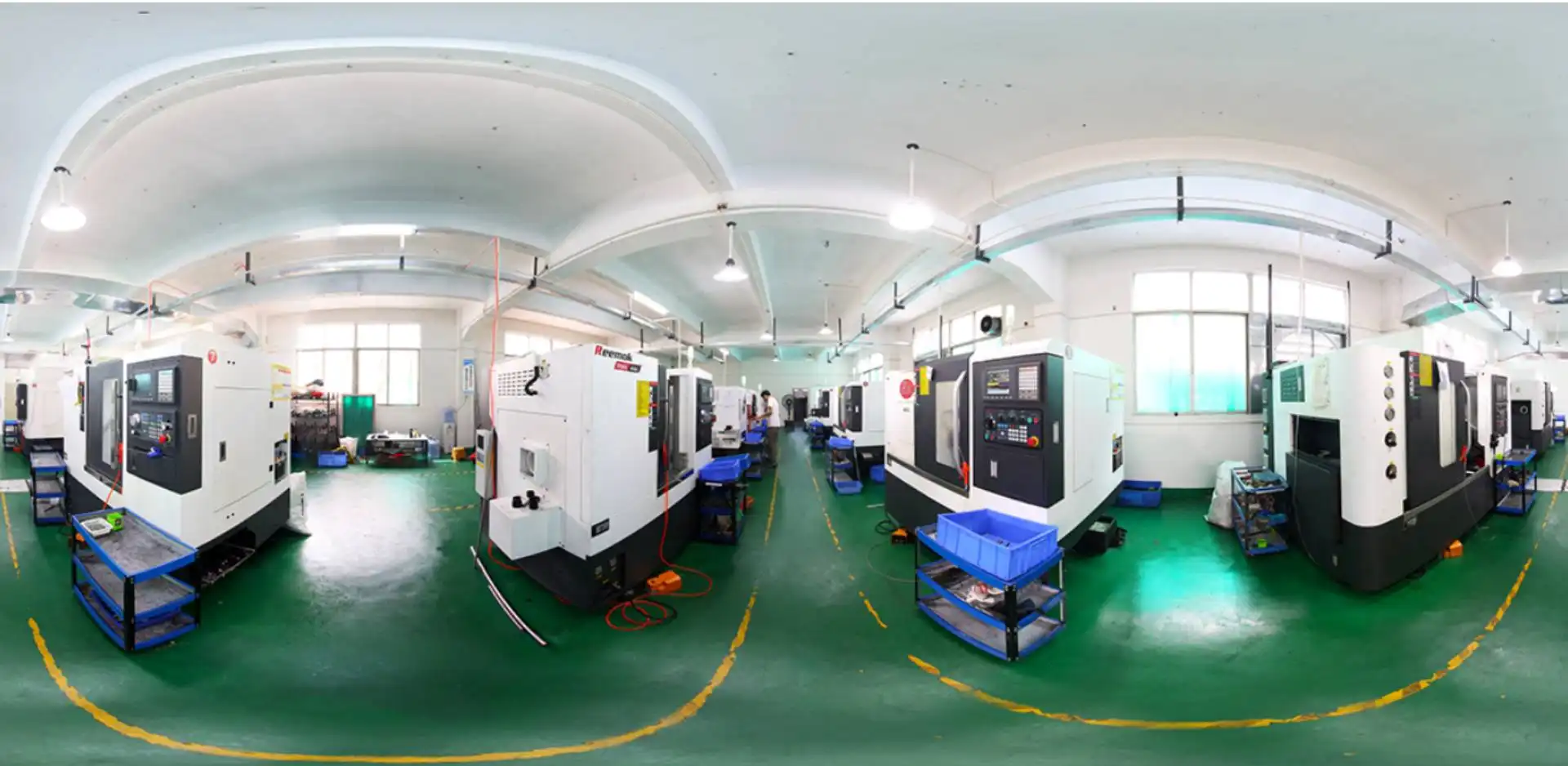
Manufacturing facilities equipped with advanced CNC machinery and quality management systems certified to ISO 9001:2015 standards deliver consistent results meeting RoHS environmental compliance requirements. These capabilities support custom OEM and ODM manufacturing programs where procurement teams require tailored solutions addressing unique application challenges. Whether developing specialized mounting brackets, precision guides, or custom hardware assemblies, access to diversified manufacturing capabilities accelerates product development while ensuring quality and reliability standards.
Organizations seeking precision hardware components for textile equipment, electronics assemblies, or consumer goods applications benefit from partnerships with manufacturers demonstrating technical expertise, quality certifications, and responsive customer support. These relationships provide strategic advantages beyond transactional component supply, enabling collaborative engineering, rapid prototyping, and scalable production, supporting business growth objectives.
Conclusion
Proper maintenance of sewing machine accessories directly impacts operational efficiency, production quality, and equipment longevity across industrial and commercial textile operations. Systematic cleaning procedures, appropriate lubrication practices, controlled storage environments, and timely component replacement prevent costly downtime while optimizing performance. Understanding differences between industrial and domestic accessories, implementing preventative maintenance protocols, sourcing authentic replacement parts, and developing strategic procurement relationships position organizations for sustained competitive advantage. By prioritizing these maintenance fundamentals and partnering with reliable suppliers offering quality components and technical support, procurement professionals protect capital investments while supporting uninterrupted production operations meeting demanding quality standards.
FAQ
How often should sewing machine accessories be cleaned in industrial settings?
Industrial environments demand daily quick-cleaning routines, removing accumulated lint and debris, supplemented by comprehensive weekly maintenance addressing lubrication and detailed inspections. High-volume operations running multiple shifts may require mid-shift cleaning interventions depending on fabric types and observed accumulation rates.
Do non-original accessories affect maintenance requirements?
Non-original components frequently exhibit dimensional variations, inferior materials, and inconsistent quality, affecting both performance and maintenance needs. These parts may require more frequent adjustments, experience accelerated wear, and potentially void manufacturer warranties on primary equipment, ultimately increasing the total cost of ownership despite lower initial purchase prices.
What cleaning products work best for sewing machine accessories?
Isopropyl alcohol effectively removes oils and residues without damaging precision surfaces or leaving harmful residues. Specialized textile equipment cleaners formulated for specific contaminants provide enhanced performance. Always verify compatibility with component materials and manufacturer recommendations before applying any cleaning agent to precision parts.
Partner with Junsion for Precision Hardware Solutions Supporting Your Manufacturing Operations
Procurement managers seeking reliable suppliers for sewing machine accessories understand that equipment performance depends on quality hardware manufactured to exacting specifications. Consistent product quality, dimensional accuracy, and material integrity directly impact sewing consistency, machine uptime, and finished product quality. Partnering with established manufacturers who maintain rigorous process controls and provide full material traceability ensures that each accessory contributes to, rather than compromises, overall production efficiency. Dongguan Junsion Hardware Co., Ltd. specializes in custom precision manufacturing serving electronics, communications, consumer goods, and logistics industries with components achieving ±0.01mm tolerances and Ra0.8μm surface finishes. Our ISO 9001:2015 certified facility operates 32 advanced CNC machines processing materials including stainless steel, aluminum alloys, and engineering plastics through comprehensive techniques from five-axis machining to specialized surface treatments. Whether you require custom brackets, precision guides, or specialized hardware for textile equipment applications, our engineering team delivers responsive support from prototyping through volume production. Connect with our technical specialists at Lock@junsion.com.cn to discuss your precision hardware requirements and discover how our capabilities support your operational objectives with quality components manufactured to your specifications.
References
1. International Textile Manufacturers Federation, "Maintenance Best Practices for Industrial Sewing Equipment," Technical Bulletin Series, 2022.
2. Smith, J. and Chen, L., "Predictive Maintenance Strategies in Garment Manufacturing: A Comprehensive Analysis," Journal of Manufacturing Systems and Quality Control, Vol. 34, No. 2, 2023.
3. Brother Industries Technical Documentation, "Service and Maintenance Manual for Industrial Sewing Systems," Professional Equipment Division, 2023.
4. American Apparel Producers Association, "Total Cost of Ownership Analysis for Textile Manufacturing Equipment," Industry Research Report, 2022.
5. Zhang, W., "Material Science Applications in Precision Sewing Machine Components," International Journal of Mechanical Engineering, Vol. 28, No. 4, 2023.
6. European Committee for Textile Machinery Manufacturers, "Standards and Guidelines for Preventive Maintenance Programs in Industrial Sewing Operations," Technical Standards Publication, 2022.