




Shaft Sleeve Types and Materials: Which One Is Best?
The best shaft sleeve for you will rely on your operating conditions and performance needs. Stainless steel types are great for most industrial uses because they don't rust and are forceful, but composite plastics work best for setups that need to be light. Bronze bands are better at bearing when there is a lot of friction, and special metals can handle very high temperatures. The best choice is one that matches the qualities of the material with the needs of the application. Corrosive environments should use stainless steel or treated composites, while high-load processes should use strong metals. Dongguan Junsion Precision Hardware makes precision-engineered products with tolerances of up to ±0.01mm. Our custom OEM/ODM services help the medical devices, aircraft, robots, and automation equipment industries.
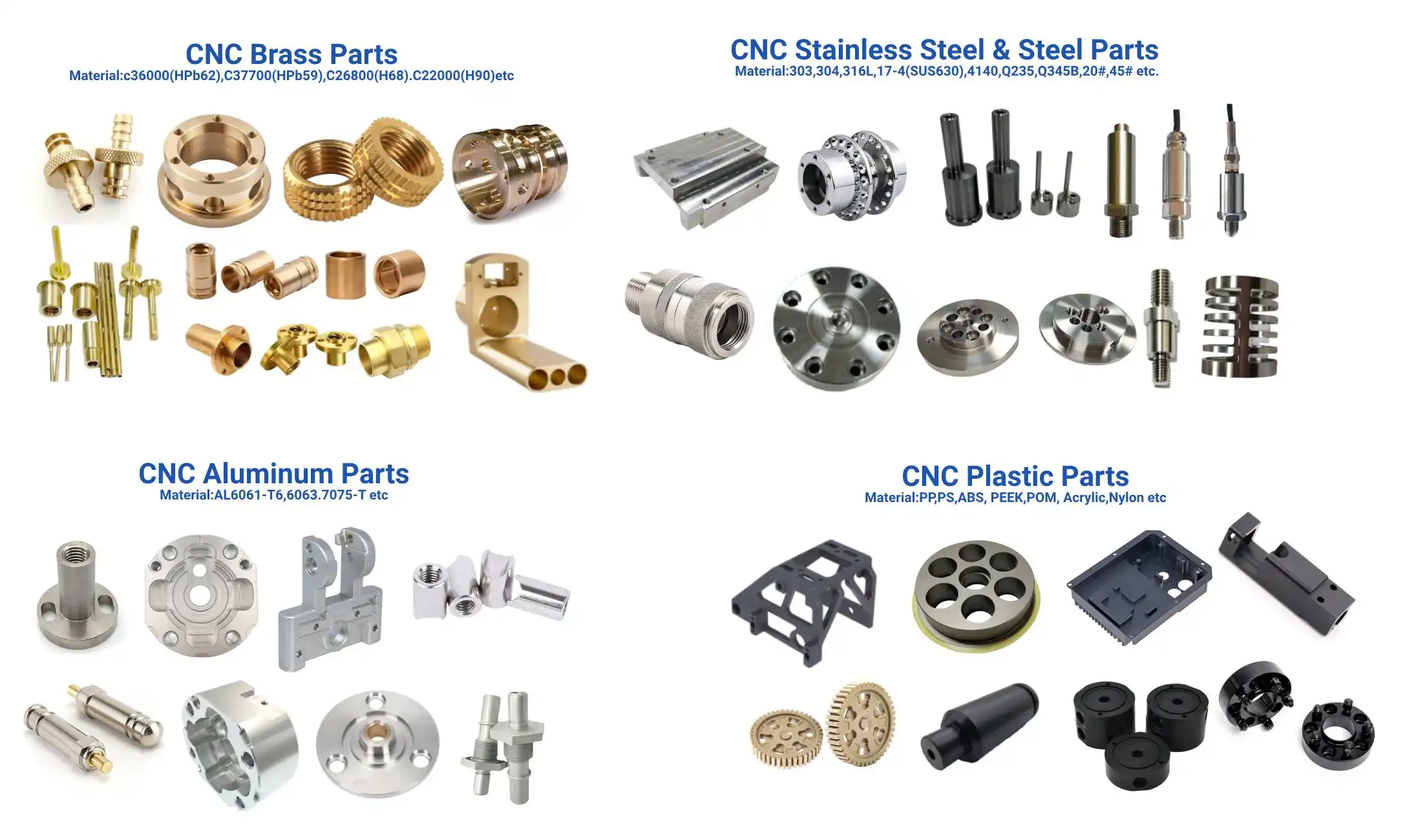
Understanding Shaft Sleeves: Types and Functions
Protective sleeves for spinning shafts are important parts of modern industrial machinery because they keep the machine from breaking down and the surroundings from hurting it. These cylinder-shaped safety parts fit snugly over shafts and form a layer that wears away and keeps moving parts from coming into direct contact with toxic substances. Keeping performance standards high across challenging uses while extending the life of tools is the main job.
Common Types and Their Applications
Different types of protected covers are used in industrial settings, and each one is designed to handle a specific set of problems. Keyed versions have built-in keyways that stop rotational slippage and keep the movement of the shaft and sleeve in sync, which is very important in power transmission systems where timing is critical. For mining tools, gravel processing, and material handling systems that need to fight particle erosion, designs with hardened surfaces or special coatings are used.
High-temperature sleeves are usually used in furnaces, exhaust systems, and industrial ovens. They are made of heat-resistant metals or ceramic composites that can keep their shape under thermal stress of more than 500°C. Split designs let you install machinery without taking it apart, which cuts down on repair downtime in places where pumps and motors are difficult to get to.
Distinguishing Sleeves from Related Components
Knowing the changes in how protective sleeves, shaft collars, and bushings work helps sourcing managers choose the right parts. Shaft collars clamp onto shafts to stop them from moving in a straight line, so they are mostly used as setting devices or mechanical stops. Bearing surfaces on bushings keep moving and stationary parts from rubbing against each other while holding rotational loads.
Protective sleeves are basically different; they protect the shaft itself from damage from the surroundings instead of placing or holding it. This difference is critical in pump applications where chemical contact could damage the shaft or in motor applications where dust gets inside and speeds up wear. If you choose protective covers, the shaft will be safe, and collars and bushings will meet different mechanical needs within the same unit.
Industrial Applications Demanding Quality Protection
Heavy-duty pump systems in wastewater treatment plants are an example of a setting where the choice of sleeve has a direct effect on efficiency. Processed fluids are acidic and attack shafts that aren't secured. They do this by making pits and changing the size of the shafts, which causes seals to fail and major equipment damage. When protective parts are properly defined, the average time between fails goes from months to years. This approach makes the total cost of ownership much lower.
In industry settings, motors are subject to particle pollution that speeds up bearing wear when shaft surfaces wear down. Protective barriers that keep the shaft surface finish to specs throughout its operating life are very helpful for motors that power conveyor systems, mixing equipment, or material processing machinery. This protection stops the domino effect that happens when small surface damage leads to total bearing failure, unexpected downtime, and fixes that need to be done right away.
Materials of Shaft Sleeves: Pros, Cons, and Best Uses
The choice of material is the most important part of buying sleeves because it affects their lifespan, maintenance frequency, and total cost. It's important to carefully match the properties of a material with the needs of an application because each type of material has its own unique performance traits that are best for certain practical tasks.
Stainless Steel Variants
In industrial settings where corrosion protection and mechanical power are needed, 304, 316, and 420 series stainless steel grades are the most commonly used. Grade 304 has excellent general corrosion protection and is reasonably priced. It can be used for tools in food processing, drug making, and light chemical environments. Grade 316 has molybdenum added to it, which makes it more resistant to chlorides and acidic conditions. This makes it the best choice for marine uses, sites near the coast, and harsh chemical processes.
Through heat treatment, Grade 420 becomes harder, making it resistant to wear in rough settings while still providing some rust protection. The material works really well in situations where it slides against something else, like in linear motion systems and rotating devices. Stainless steel choices usually cost more than carbon steel options, but their longer service life and low upkeep needs make them worth the extra money in corrosive conditions where carbon steel would break quickly.
Composite Polymers and Engineering Plastics
New types of polymers have changed how shafts are protected in uses that need to be sensitive to weight and electrically separated. Plastics like PEEK, Delrin, and strengthened nylon are very effective, rust-free, and highly wear-resistant. These materials are much lighter than metal options, which is important in fields like aerospace, robots, and portable medical devices where reducing mass increases efficiency.
Composite covers work quietly because they absorb vibrations and lower the amount of noise that gets into electronics and home appliances. Because they are electrically insulating, stray currents can't hurt motors and generators. This makes bearings last longer by stopping electrical discharge machining effects. We at Junsion use CNC cutting and turning to make precision plastic sleeves with tolerances of ±0.01 mm and surface roughness values of ≤Ra0.8 μm. These specs are the same as or better than those of metal parts, and they have their benefits in some situations.
Temperature restrictions are the main problem. Most industrial plastics can't be used above 150°C, but some specific types can be used up to 260°C. Chemical compatibility needs to be carefully looked at because some acids and harsh chemicals can damage polymer structures.
Bronze and Copper Alloys
Bronze mixtures are naturally lubricious, which makes them perfect for use as bearing surfaces on sleeves where reducing friction is important. Phosphor bronze and aluminum bronze grades are very resistant to corrosion in naval and industrial water systems. In some electrolytic situations, they are even better than many stainless steel grades. The natural antimicrobial qualities of the material make it useful for medical equipment and food-handling equipment that needs to keep germs from growing.
Bronze is priced between carbon steel and stainless steel, which makes it a good choice for situations where its special qualities are needed. The material is easy to machine, which makes it possible to make unique products with complicated shapes and tight tolerances. It has a much higher thermal conductivity than stainless steel, which makes it useful for high-speed spinning uses where heat needs to be quickly removed.
Specialty Alloys and Titanium Options
Extreme settings need special materials that are made to handle certain problems. Titanium metals are very expensive because they have very high strength-to-weight ratios and are very resistant to corrosion. This is why they are used in aircraft, medical implants, and high-performance racing. The substance can handle high temperatures, salt spray, and acidic conditions while still being safe for medical uses.
Nickel-based superalloys can withstand temperatures above 800°C, which makes them useful in gas turbines, jet engines, and industrial burner systems where other materials would fail. These unique choices need to be carefully chosen and described by experts. Usually, buying teams and technical specialists work together to make sure that the right materials are matched.
Installation and Maintenance Best Practices
The performance and service life of defensive components are directly affected by how they are installed. Incorrect installation methods lead to stress concentrations, misalignment problems, and early failure, which cancels out the benefits of material selection and raises the total cost of ownership by necessitating more repairs.
Step-by-Step Installation Procedures
First, clean the shaft surfaces very well, getting rid of any rust, old coats, or other debris that might get in the way of proper fitting. Check that the width of the shaft is within the allowed range of measurements by measuring it several times along the installation zone. If shafts are too small or too big, they can make the fit worse by leaving gaps that let dirt in or causing too much contact that can cause parts to crack.
When you heat interference-fit sleeves to 80–120°C, the inside sizes get bigger. This makes fitting easier without using too much force, which could damage parts or throw off the alignment of assemblies. When compared to torch methods, which cause hotspots and damage to metal, induction heaters provide even, controlled burning. Quickly slide hot covers onto shafts, letting thermal contraction create interference fits as the parts cool down on their own.
Press-fit systems need hydraulic or mechanical tools that can apply controlled axial force without putting stress on the sides. Keep an eye on the installation force all the time. Sudden drops in pressure can mean that the structure is failing or breaking, so parts need to be replaced before the operation can start. Clearance-fit designs make installation easier, but they need to be mechanically held in place with set screws, glue, or welding to keep them from rotating loose while they're in use.
Maintenance Schedules and Inspection Protocols
Regular checks show how much wear there is before major problems happen. This lets planned maintenance happen during planned shutdowns instead of unplanned fixes that stop production. Visual checks done once a month show damage to the surface, the start of rust, and contamination buildup that needs fixing. If you see staining, it means the material is too hot; pitting means an acidic attack; and scoring means abrasive particles are getting in.
Checking the sizes with micrometers or coordinate measuring tools figures out how fast something is wearing down, so replacement times are based on how it really is and not on random amounts of time. Parts that are getting close to the minimum wall thickness requirements need to be replaced before the structure's stability is compromised. Vibration analysis finds growing imbalances that are caused by uneven wear or broken parts, giving you early warning of damage that you can't see from the outside.
For lubrication upkeep, follow the manufacturer's instructions on the type of grease to use, how much to use, and how often to reapply it. Too much oil draws dirt and creates too much heat, while not enough lubrication speeds up wear. Regularly clean the outside, getting rid of any buildup of dirt and grime that traps water and speeds up the rusting of metal parts.
Recognizing Replacement Indicators
Strange sound patterns during operation indicate problems that need to be looked into. Squealing means that the grease is wearing off or that the surface is damaged, which causes friction. Grinding sounds mean that particles are clogging the air or that there is a lot of wear and tear causing metal-to-metal contact. Clicking or knocking sounds show that there are too many gaps because of wear or systems that hold things in place becoming loose.
When temperatures rise above their usual ranges, it means that friction is getting worse because of wear, misalignment, or lack of grease. By finding hotspots with thermal imaging before they cause a fatal failure, proactive action is possible. Seal leaks around shaft penetrations is often caused by protective covers' surface finishes wearing down. This lets fluid get around, which contaminates bearings and speeds up the breakdown of the whole system.
When inspection shows damage getting close to certain limits, replacement during planned maintenance stops breakdowns that happen out of the blue and the production losses that come with them. For big, expensive parts that can be fixed by re-machining or surface treatment repair, it's usually cheaper to replace them than to fix them. However, for standard sizes that are in stock, replacement is usually the safest option.
Comparing Shaft Sleeves to Related Components for Smart Procurement
To be successful at procurement, you need to choose parts that exactly match the functional requirements. You should avoid over-specification, which raises costs needlessly, and under-specification, which lowers reliability. Knowing how protective covers are different from similar parts helps you make the right choice.
Functional Distinctions: Sleeves, Bushings, and Bearing Sleeves
Shaft bushings' main job is to support radial loads while letting the shaft move in either a straight or rotating direction. These parts have specific spacing and greasing holes that are made for load-bearing uses. When purchasing bushings, procurement managers look at how much weight they can hold, how much friction they have, and how fast they wear out under normal use.
Bearing sleeves work like bushings, but they're usually made up of easier circular parts that don't have a lot of complicated lubrication features. This word is often used in plain bearing situations where the sleeve and journal sides slide against each other with lubricant films in between.
Protective shaft covers do something different: they keep the underlying shaft sleeve safe from damage from the surroundings instead of supporting loads or acting as bearing surfaces. When these parts are mixed up, design mistakes happen when load-bearing needs are higher than what a protective sleeve can handle or when corrosion protection needs aren't met because bearing-type parts don't have the right material qualities.
Sizing Precision and Custom Manufacturing Advantages
When the shaft measurements meet the available sizes, it's easier to buy through a catalog because the standard sleeve dimensions follow industry size conventions. But equipment makers often ask for non-standard shaft sizes, lengths, or shapes that need to be made to order in order to fit and work properly.
Custom manufacturing allows for optimization that isn't possible with standard parts. Precise dimensional matching gets rid of gaps that let contamination in, and custom widths cut down on material costs and weight. Specialized features like built-in keyways, flanges, or mounting holes make assembly easier and get rid of the need for different parts.
Our advanced CNC machining at Dongguan Junsion Precision Hardware lets us make unique protective covers that fit your exact needs with accuracy of up to ±0.01 mm. Our engineering team works with buying specialists to come up with solutions that meet your exact needs, whether your application calls for custom sizes, special materials, or complicated shapes. This custom method works especially well in OEM settings where standard parts just can't meet the design requirements.
Quality Certifications and Testing Standards
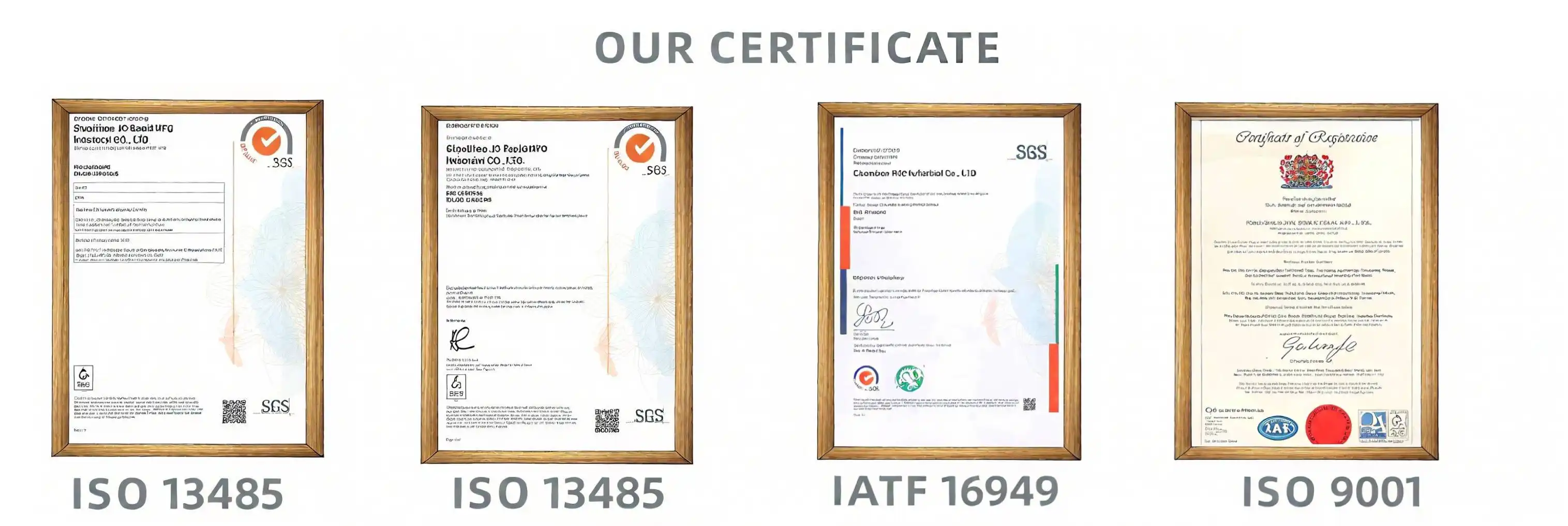
Suppliers you can trust have quality management systems that are approved to ISO 9001:2015 standards. This shows that their manufacturing methods and quality control procedures are always the same. RoHS compliance makes sure that materials meet safety standards for the environment. This is especially important for electronics, medical devices, and market goods that have to follow the rules.
Material certifications list the exact chemicals that are used and their mechanical qualities. This makes it possible to track down parts and make sure they meet standards. Dimensional inspection reports make sure that parts made match the requirements in the plan, which lowers the chance that they will be rejected when they arrive. When compared to sources that offer little proof, suppliers that provide extensive paperwork show a commitment to quality and openness, which greatly lowers the risks of procurement.
Standards for testing shaft parts include checking the dimensions, measuring the surface finish, and checking the strength of the material. If a part is going to be used in a very important way, it might need to be tested for load capacity, rust resistance, or metallurgical qualities to make sure they are correct. Specifications for purchases should make it clear what certifications and tests are needed so that sellers know what is expected of them and can show that they meet the requirements.
Purchasing Guide: How to Procure the Best Shaft Sleeves?
To find your way around the supply chain, you need to know what manufacturers can do, how to find reliable suppliers, and how to cut costs while still getting good products. When buying from businesses to businesses, it's helpful to use organized methods that look at sellers in a broad sense, not just by price per unit.
Evaluating Manufacturers and Suppliers
Leading global names like SKF, Timken, NSK, Rexnord, and Durex have long-standing records for quality and a wide range of products that can be relied on in everyday situations. These sources are always available, offer full expert support, and have a track record of success backed by decades of experience in industrial use. These benefits usually come with higher prices, which are necessary when the application is very important and needs to be completely reliable, or when it needs to work with other systems and be compatible with the brand.
Custom fabrication and fine machining are what specialized makers do best. They offer freedom that catalog-only providers can't match. When an application needs non-standard sizes, special materials, or unique design features, these sources are great. Check the factory's production skills by looking at its certifications, a list of its tools, and the paperwork for its quality system. Suppliers who use high-tech CNC machines can make parts with complex shapes and tight tolerances, which are necessary for precision uses.
Before placing a large order, ask for samples and make sure they meet your requirements. This is especially important when you are looking into new sources or important uses. Checking samples shows the real quality of the making, the accuracy of the measurements, and the properties of the material. This makes sure that there are no expensive problems after the production numbers have been shipped. Suppliers who are sure of their skills will gladly accept sample requests and help with the approval process.
Bulk Ordering and Lead Time Management
Cost savings come from economies of scale, lower overhead costs per unit, and the ability to negotiate better terms when you buy in bulk. Talk about quantity break prices in detail, making sure you know how the number of orders affects unit costs. Many makers offer big discounts for orders over a certain amount, which makes slightly bigger orders appealing when space and money allow.
Lead times are very different for regular store items that can be shipped from stock and custom-made parts that need engineering, tooling, and production scheduling. Standard items may be sent out within days, but custom orders can take weeks or months, based on how complicated they are and how much time the seller has available. Plan when to buy things based on when they will actually be needed to avoid paying extra for faster shipping, which can make the total cost much higher.
Set up framework deals for needs that will happen again and again to get agreed prices and sure capacity allocation. These kinds of deals are good for everyone: buyers get stable supplies and prices, and producers can see what their production plans are doing, which makes their operations run more smoothly. In deals, include quality standards, delivery terms, and performance measures to make sure that everyone understands and is responsible for what they do.
Custom Manufacturing Partnerships
Partnerships with makers that offer technical support and custom manufacturing are helpful for applications that need protective parts that aren't standard. Engage suppliers early on in the product development process and use their knowledge of how to make things to improve ideas for efficiency, cost-effectiveness, and ease of production. Manufacturers with a lot of experience find problems before they happen, which saves money on redesigns and keeps projects on schedule.
Provide full specs, such as dimensional plans, a list of materials needed, expected surface finish, and quality standards. Misunderstandings lead to parts that don't work right, lost time, and problems in relationships. Clear communication keeps those things from happening. Talk about tolerances in a reasonable way. Asking for more precision than is functionally necessary raises costs without boosting performance, and too-loose tolerances put usefulness at risk.
Dongguan Junsion Precise Hardware makes unique precise hardware for more than 20 countries in the electronics, communications, consumer goods, and robotics businesses. Our building is 1,600 square meters and has 32 high-tech CNC tools that can make complicated shapes very accurately. Manufacturers of special protective sleeves can choose from a range of materials, such as industrial plastics, that are best for your needs. The surfaces can be painted, anodized, QPQ finished, or wire drawn.
During the specification and production process, our engineering team works closely with procurement managers and product developers to make sure that supplied parts exactly meet requirements. With quick responses, full quality control, and strict adherence to ISO and RoHS standards, Junsion is the perfect partner for OEM/ODM projects that need to be reliable and accurate.
Conclusion
To choose the best shaft sleeve, you have to balance the qualities of the material, the accuracy of the production process, the needs of the application, and your budget. Stainless steel types have been shown to be strong and resistant to corrosion in a wide range of industrial settings. On the other hand, engineering polymers have special benefits in setups that need to be light and electrically separated. Bronze compositions work well in situations where friction is important, and special alloys can handle harsh conditions where regular materials can't. To be successful at procurement, you need to carefully evaluate suppliers, be clear about what you want, and work with makers who can provide both standard and unique solutions. The safe parts you choose have a direct effect on how reliable your equipment is, how much it costs to maintain, and how efficiently it runs. Spending time making the right choices will pay off in the long run by extending service life and reducing downtime.
FAQ
What materials work best for high-temperature applications?
Metal covers made from types of stainless steel like 316 or 420 are usually needed in places with temperatures above 200°C because they keep their shape and don't rust when they're heated. When temperatures get close to 500°C, you need special alloys like Inconel or other nickel-based superalloys that were made to work at high temperatures. Standard industrial plastics can't work at temperatures below 150°C, but specialty polymers like PEEK can handle temperatures up to about 260°C for short periods of time.
How often should inspection occur?
How often you inspect relies on how important and how bad the process is. Visual checks once a month are helpful for standard industry uses because they look for damage, corrosion, or contamination. If you work in a harsh setting or with important equipment, you should check it every week and take readings every three months to see how the wear is progressing. Vibration monitoring and thermal imaging allow for constant condition assessment, which lets you plan maintenance based on the real state of parts instead of just picking random times.
What factors most significantly affect pricing?
Choosing the right material has a big effect on the price. For example, specialty metals and industrial plastics cost more than normal stainless steel or carbon steel. The cost of making is greatly affected by the complexity of the dimensions and the tolerances that must be met. Tight tolerances and complex shapes need more machining time and more precise tools. Through economies of scale, the number of units ordered affects the price per unit, and extra costs come from surface processes and special licenses. Custom designs come with technical costs that aren't present in normal catalog orders.
Partner with Junsion for Precision Shaft Sleeve Solutions
Dongguan Junsion Precision Hardware ships high-quality safety parts made to exacting standards all over the world for robotics systems, medical devices, automation equipment, and aircraft uses. As a skilled maker of shaft sleeves, we use advanced CNC cutting and a deep understanding of all kinds of materials to make parts with tolerances of up to ±0.01 mm and surface finishes of Ra 0.8 μm or better. Our quality control system is ISO 9001:2015 certified, and all of our parts are RoHS compliant, so you can be sure they meet the highest standards in the business.
No matter if your application needs standard safe solutions or completely unique designs, our engineering team is here to help you with the design, manufacturing, and delivery processes. We offer a range of materials, such as industrial plastics, different types of stainless steel, and specialty metals. The surface treatments can be customized to meet your specific environmental needs. Contact our experts at Lock@junsion.com.cn to talk about your shaft sleeve provider needs and get a full quote that fits your project's schedule and quality standards.
References
1. Machinery's Handbook, 31st Edition. Industrial Press Inc., 2020. "Shaft Couplings and Protection Components."
2. ASM International. "Metals Handbook Volume 2: Properties and Selection of Materials." ASM International Materials Park, 2018.
3. Budynas, Richard G. and Nisbett, J. Keith. "Shigley's Mechanical Engineering Design, 11th Edition." McGraw-Hill Education, 2019.
4. Society of Tribologists and Lubrication Engineers. "Bearing and Shaft Protection Systems in Industrial Applications." STLE Technical Paper Series, 2021.
5. ISO 9001:2015 Quality Management Systems. "Requirements for Precision Component Manufacturing." International Organization for Standardization, 2015.
6. Norton, Robert L. "Machine Design: An Integrated Approach, 6th Edition." Pearson Education, 2020. "Chapter 12: Shaft Design and Protection Components."