




Are Nylon Parts Resistant to Heat and Chemicals?
Procurement managers and product creators often ask, "Are nylon parts resistant to heat and chemicals?" when they are looking for materials to use in industry. Still, the answer is complex and comforting. Nylon parts are perfect for a variety of manufacturing settings because they exhibit amazing resistance to moderate heat and many chemicals. Different types of nylon, like Nylon 6, Nylon 6/6, and Nylon 12, work differently. Typical constant operating temperatures range from 80°C to 120°C, and they are very resistant to oils, greases, and many solvents. When looking for precision parts for technology, communications, consumer goods, and logistics, knowing these qualities helps you make smart choices.
Understanding the Heat Resistance of Nylon Parts
Heat resistance is an important measure of performance for nylon parts that work in harsh industrial settings. We at Dongguan Junsion Precision Hardware Co., Ltd. know that procurement workers need clear, accurate information about thermal limits in order to make good choices about where to source things.
Thermal Performance of Common Nylon Grades
Based on their molecular makeup, different types of polyamide have different thermal properties. Due to its higher crystallinity, Nylon 6/6 can withstand constant working temperatures up to about 95–110°C, while Nylon 6 usually stays structurally sound at up to 80–85°C. Because Nylon 12 is more resistant to changes in temperature and less likely to absorb water, it is better for uses where temperatures are likely to change. Even higher temperatures, up to 150°C on occasion, can't hurt glass-filled versions, but long-term contact above suggested limits changes their size and weakens their mechanical properties.
Factors Influencing Thermal Stability
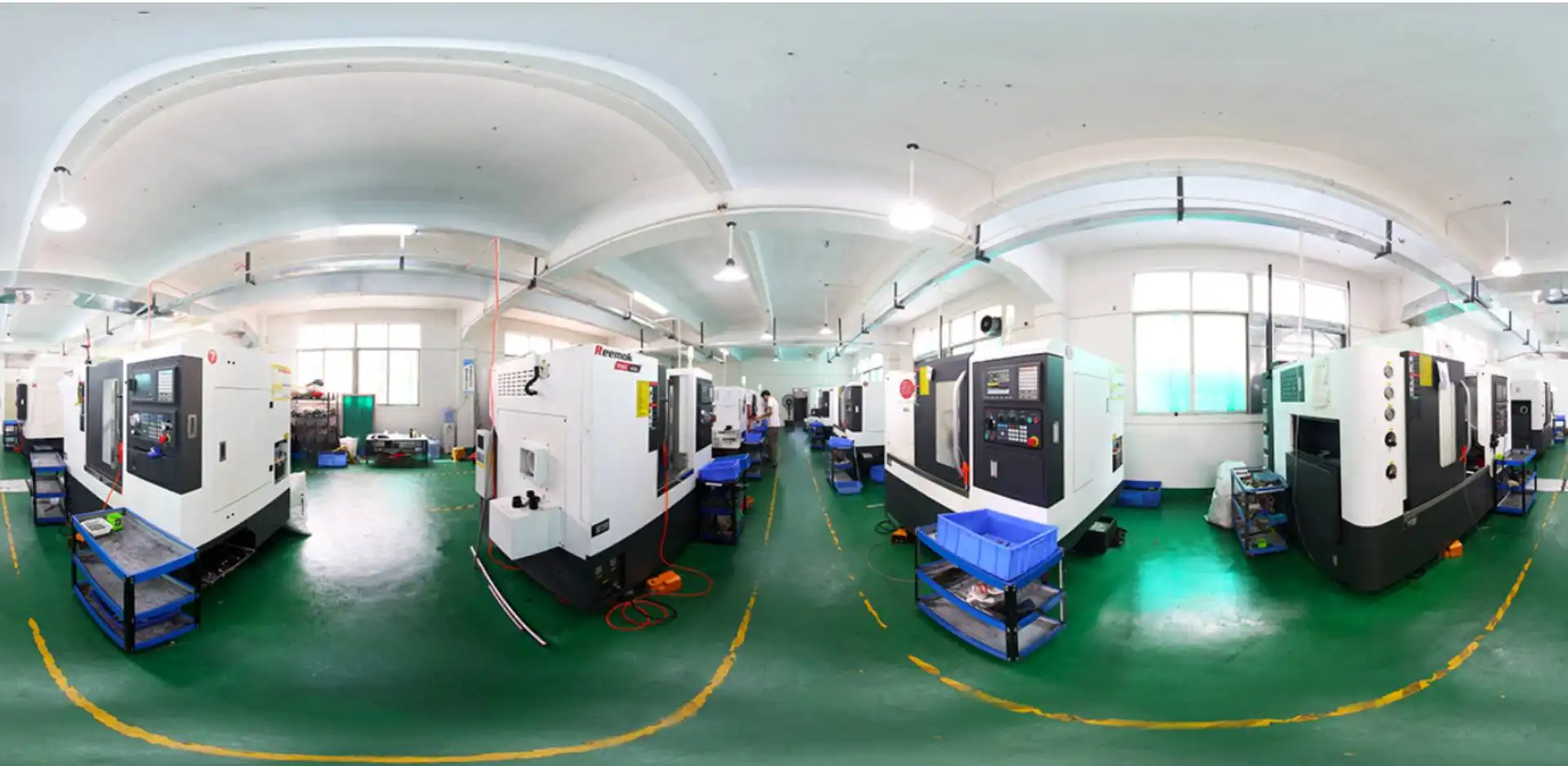
How designed parts react to high temperatures depends on a number of factors. Moisture content has a big effect on thermal efficiency; water that is absorbed works as a plasticizer and lowers the temperature at which heat can be deflected by 15 to 30°C. The way something is made affects its crystallinity and molecular direction, which in turn affects its heat resistance. We use CNC cutting, five-axis machining, and precision milling with tolerances of ±0.01mm at our 1,600-square-meter factory in Dalingshan, Dongguan, to make sure that the features of the materials we work with stay the same. Anodizing and QPQ are surface processes that make things even more thermally stable by stopping oxidative breakdown at high temperatures.
Comparative Analysis with Alternative Materials
Procurement teams can make better strategy choices when they know how engineered polyamides compare to other materials. Standard polyamide types are better at withstanding heat than ABS plastics, which soften around 80°C. Polypropylene is better at resisting chemicals, but it's not as stable at high temperatures and usually breaks down above 100°C. Metals like steel and aluminum are much hotter than nylon, but they cost more and are heavier. Precision-engineered parts can be used instead of metal parts in automation equipment, cars, and home products where temperatures are moderate. This saves money without affecting usefulness because the parts are very strong for how light they are.
Chemical Resistance Properties of Nylon Parts
Chemical compatibility determines how long nylon parts will last in industrial settings where they are regularly exposed to aggressive chemicals. We make parts that are made to work in a wide range of chemical conditions while still being accurate in size and having good mechanical integrity.
Resistance to Common Industrial Chemicals
Polyamide materials are very good at resisting many chemicals that are used in industrial settings. They are good at resisting oils, greases, hydraulic fluids, and most aliphatic hydrocarbons, which makes them perfect for use in machinery and cars. Under normal conditions of contact, weak acids and bases usually don't damage good parts. Polyamide structures don't react much with alcohols, ketones, and esters. Because these materials are compatible with a wide range of chemicals, buying managers in the communications and electronics industries are asking for them more and more when they need unique hardware solutions.
It's also important to know the limits of connectivity. Over time, strong acids like concentrated sulfuric acid and strong oxidizing agents like chlorine bleach can break down polyamide chains. Some halogenated liquids and phenolic chemicals can make things swell or crack under stress. Long-term contact with water and its absorption—between 1.5% for Nylon 6/6 and 0.4% for Nylon 12—can change its stability and weaken its tensile properties. Our RoHS-compliant production methods take these things into account, making sure that parts meet certain performance standards for the whole time they are in use.
Grade-Specific Chemical Performance
Chemical protection varies between polyamide groups, so it's important to choose the right material for the job. Most industrial poisons don't hurt nylon 6/6, and it has better mechanical qualities than other nylons. Nylon 12 is better for wet places or jobs that will come into contact with water because it is more resistant to moisture and hydrolytic breakdown. Glass-filled versions keep their chemical protection while making them stiffer and less likely to creep when they're loaded. Our engineering team helps customers choose the right grades by looking at the performance needs, chemical exposure profiles, and operational situations to make sure the parts last as long as possible.
Comparison with Competing Polymers
When choosing a material, knowing how resistant different materials are to chemicals can help you make a better choice. Polypropylene is very good at resisting acids and bases, but it is not as strong or able to handle heat as well. ABS is strong against impacts, but it breaks down when it comes in contact with many liquids and UV light. Acetal (POM) is very stable in its shape and has low friction, but it is not very resistant to acids and reactive agents. Polyamide parts are a good compromise between chemical resistance, mechanical performance, and thermal stability. These qualities are especially valued in storage and shipping uses that need parts that will last a long time.
Manufacturing Processes and Their Impact on Performance
The methods used in production have a direct effect on how resistant produced nylon parts are to heat and chemicals. At Junsion, we use advanced manufacturing techniques to get the best qualities out of materials while keeping tight limits on sizes.
Precision Machining Techniques
With 32 high-tech CNC tools, we can make unique parts with tolerances of ±0.01 mm and surface roughness of ≤Ra0.8 μm that are very accurate. We can make complicated shapes that would be hard to make with normal molding alone by using CNC turning, five-axis machining, and precise milling. These subtractive methods of making things reduce internal pressures that could weaken resistance to chemicals and heat. Controlled machining settings keep the process from making too much heat, which protects the chemical structure and keeps the best material qualities throughout the whole component.
Quality Control During Production
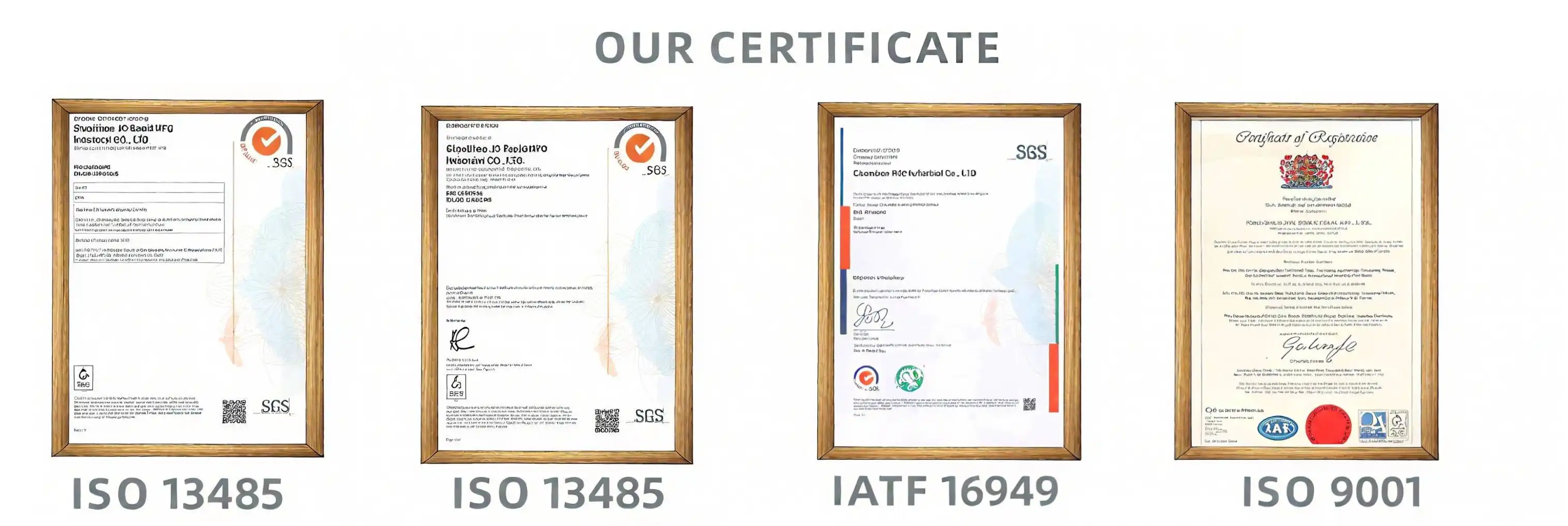
Strict rules for in-process tracking and final inspection lead to consistent quality. Our quality management system, which is ISO 9001:2015 approved, controls every step of the production process, from choosing the materials to packing them. We check the correctness of the dimensions using high-tech measuring tools, such as 2.5D projectors, and we inspect all of the important dimensions one hundred percent. Material tests and batch checks make sure that the raw materials that come in meet the required grades and standards. This methodical technique makes sure that the properties of thermal and chemical protection stay the same across production runs. This gives buying teams stable, predictable performance from parts.
Surface Treatment Enhancement
Surface cleaning methods have a big effect on how well parts work in tough conditions. We offer several surface treatment choices that will increase strength and extend service life:
Polishing makes surfaces smooth and low-friction, which keeps dirt from sticking and makes cleaning easier in pharmacy or food processing settings. Painting gives you the freedom to choose your own colors and protects against water and chemicals. Anodizing is usually done on metals, but it can be used to make some hybrid materials more resistant to rust. Sandblasting gets areas ready for covering and adds texture to help the coating stick better. Blackening, electrophoresis, and QPQ processes can help protect against weather damage even more. Wire drawing makes directed surface designs that can be used for both looks and function.
With these finishing choices, we can make sure that parts are exactly what the business needs. This means that parts will last longer between services and will cost less overall for procurement managers who are looking for long-term value.
Choosing the Right Components for Your Industrial Needs
To choose the right materials, you need to carefully look at the operational factors and performance standards. We walk buying workers through this evaluation process to make sure they get the best component specifications.
Assessing Operational Requirements
To choose the right material, you must first carefully look at how it will be used. Minimum thermal resistance needs are based on temperature curves that show continuous working temperature, peak exposure, and thermal cycling patterns. A chemical exposure review lists the drugs, their concentrations, the length of touch, and the number of times they are exposed. The loading factors, impact needs, wear protection needs, and dimensional stability standards are all looked at in mechanical stress analysis. Things like temperature, UV exposure, and weathering outside all affect how long something lasts. Our engineering team works with clients to write down these factors so that we can make material suggestions that are based on real-world situations instead of general requirements.
Comparative Framework for Material Selection
Structured comparison is needed to find the best balance between performance factors, cost factors, and the ability to make the product. Nylon parts are better than metal ones in a number of ways. They are much lighter, which lowers shipping costs and makes them easier to handle. They also last longer because they don't wear out as quickly, can be used in electronic assemblies because they don't conduct electricity, and cost less to make because they don't require as many tools for custom shapes. Because they are designed, polyamides are stronger mechanically, resist heat better than common polymers, and have lower friction coefficients than most other plastics.
Supplier Selection Criteria
Picking a factory partner turns out to be just as important as picking the materials. Key characteristics set trusted sellers apart from average ones. Certifications like ISO 9001:2015 and RoHS compliance show that a company cares about quality and the environment. Customization options, such as technical help, quick prototyping, and design optimization, let you make solutions that fit your needs instead of settling for compromises that are already made. Modern production tools make sure that measurements are correct and quality is always the same. Lead times and shipping costs are affected by where you live, especially for large sales. After the sale, technical support and after-sales service help with installation, debugging, and making new apps.
Junsion has been in business since 2019 and has built a name for quick responses and high-quality work. We have clients in more than 20 countries. Our Dalingshan plant is close to major shipping routes and has manufacturing experience in the area, so we can offer affordable lead times without lowering quality standards.
Procurement Insights: Buying Heat- and Chemical-Resistant Components
Practical buying factors have a big effect on the total cost of ownership and the efficiency of the supply chain. Knowing about these things helps you make better strategic choices about buying nylon parts.
Pricing Drivers and Cost Optimization
In B2B deals, the prices of parts are affected by a number of factors. The main thing that affects the price is the type of material used. Specialty formulas and glass-filled versions are more expensive than normal grades. Order number has a big effect on unit prices, and buying in bulk can save you a lot of money thanks to economies of scale. Customization that involves tight tolerances, complicated shapes, and special surface processes raises the cost per unit, but it often saves money by getting rid of the need for extra work. Lead time needs affect prices; faster production costs more, while normal timelines make production more efficient.
We work openly with buying teams to set up orders in a way that meets both practical needs and cost savings goals. Our minimum order amounts allow for both concept development and full-scale production, giving you options as the project moves through different stages. Volume discounting is based on real production savings instead of artificial price levels. This makes sure that all customers get a good deal, no matter how much they buy.
Logistical Considerations
Paying attention to time and delivery is an important part of supply chain management. Lead times for custom-machined parts are usually between two and four weeks but can be longer or shorter based on how complicated the part is and how busy the factory is right now. When production capacity allows, rush requests may be filled, but there are extra fees. Minimum order numbers depend on how complicated the part is; for example, simple shapes may need lower minimums than complex multi-axis machined parts. The way items are packed and shipped protects them during travel while also lowering the cost of freight. We work with trusted logistics partners to make sure that deliveries to places around the world are reliable and cost-effective.
Sustainability and Eco-Friendly Alternatives
Environmental factors are becoming more and more important in all types of businesses when it comes to buying things. Standard polyamides have a modest impact on the environment. They need to be made from materials that come from petroleum, but they can be recycled automatically if they are collected properly. Castor oil and other green sources can be used to make bio-based options that have smaller carbon footprints while still performing the same way. Options for recycled content cut down on the use of new materials, but they may need to be approved for use in important situations. Our engineering team stays up to date on new developments in sustainable materials. This helps clients match their environmental goals with performance needs and financial limits.
After-Sales Support and Technical Assistance
Ongoing help is what sets exceptional providers apart from transactional ones. To help with quality checks and meeting government rules, we offer expert paperwork like material licenses, dimensional inspection reports, and compliance certificates. Consulting an engineer can help with installation, efficiency improvement, and fixing problems. Before committing to large orders, buying teams can test parts in real-world working situations with sample programs. Warranty and replacement plans protect against problems with the way the product was made, giving mission-critical apps peace of mind.
Our dedication goes beyond the initial delivery; we keep production records that allow for consistent reorders and help with design changes as uses change. This partnership method encourages long-lasting partnerships based on shared success rather than short-term profits.
Conclusion
Nylon parts have great temperature stability, chemical protection, and mechanical performance, making them useful in a wide range of industrial settings. Knowing the properties of each grade, how the production process affects them, and what the operational needs are lets you make smart purchasing choices that improve the performance and total cost of ownership of the part. Different types of polyamide offer options that are best for different temperature ranges and chemical exposures. Precise manufacturing methods guarantee consistent quality and accurate measurements. When compared to lowest-cost buying strategies, working with approved providers who show technical knowledge, dedication to quality, and quick support yields better results. Engineered polyamide solutions are being used more and more in places where metals and regular plastics used to be the only option. This is because businesses want parts that are lighter, last longer, and can handle tough working conditions.
FAQ
Can nylon parts withstand continuous high-temperature exposure?
Standard types of polyamide can work continuously at temperatures ranging from 80°C to 110°C, based on the makeup. This range is extended by glass-filled versions that can handle short-term contact up to 150°C. When things are used for a long time above their suggested limits, they age faster, change size, and lose their functional properties. For uses that need to keep temperatures high for a long time, it's important to choose the right grade, and heat-stabilized formulas may be helpful. Our engineering team looks at thermal profiles to suggest the right materials and design changes that will get the best performance within the limits of the materials.
Are these components recyclable?
When gathered and processed properly, polyamide products can be recycled mechanically. Clean production waste is often put back into the production process, though some performance traits may get a little worse after each recycling cycle. Post-consumer recycling is still not very popular because it can be hard to collect and could get dirty. Bio-based options are more environmentally friendly and keep up the same level of efficiency. We help our clients look at their choices for end-of-life items and choose materials that are in line with their sustainability goals without sacrificing functionality.
How do I select the right grade for chemically intensive environments?
Choosing a grade requires a thorough evaluation of chemical exposure, which includes figuring out the type of chemical, its quantity, the length of touch, and the temperature during exposure. Nylon 6/6 has a good mix of chemical resistance for most work settings. Nylon 12 is more resistant to water and hydrolytic breakdown than other materials. Glass-filled versions keep their chemical protection while making them stronger. We suggest giving our tech team full exposure profiles so that they can make material suggestions based on data on compatibility and real-world application experience instead of generic requirements.
Partner with a Trusted Nylon Parts Manufacturer
Junsion specializes in providing precisely engineered nylon parts that meet strict standards for chemical and heat protection in the logistics, consumer goods, communications, and electronics industries. Our ISO 9001:2015-certified factory in Dongguan uses advanced CNC machining and strict quality control to make unique parts with ±0.01mm specs and a surface finish of Ra0.8μm. We follow RoHS rules and offer a wide range of surface treatment choices, such as painting, polishing, and special coats. Our expert engineering team offers technical advice, helps with design optimization, and gives material selection advice to make sure that the part works perfectly in your application. We offer quick responses, consistent quality, and full paperwork and technical help, whether you need prototype examples or mass production. Get in touch with our team at Lock@junsion.com.cn, echo@junsion.com.cn, or evelyn@junsion.com.cn to discuss your needs with a nylon parts seller that cares about your success.
References
1. McKeen, L. W. (2014). The Effect of Heat Aging on the Properties of Nylon Materials. William Andrew Publishing.
2. Wypych, G. (2016). Chemical Resistance of Polyamides in Industrial Applications. ChemTec Publishing.
3. Brydson, J. A. (2017). Plastics Materials: Thermal and Chemical Properties, 8th Edition. Butterworth-Heinemann.
4. Harper, C. A. (2018). Handbook of Plastics Technologies: Performance Characteristics of Engineering Polymers. McGraw-Hill Education.
5. Rosato, D. V., & Rosato, M. G. (2015). Injection Molding Handbook: Material Properties and Manufacturing Techniques, 4th Edition. Springer.
6. Crawford, R. J., & Throne, J. L. (2019). Polymer Engineering Science and Viscoelasticity: An Introduction to Heat and Chemical Resistance. Springer Science & Business Media.