




When companies around the world buy CNC auto parts from China, they can take advantage of the country's advanced precise cutting skills, low prices, and scalable production solutions. Chinese companies have put a lot of money into modern CNC cutting tools that can make specs as tight as ±0.01mm while still being cost-effective. This detailed guide talks about the important things procurement managers need to think about when choosing trustworthy providers, learning about quality standards, and figuring out how to source car parts internationally in a way that leads to long-term partnerships that work.
Understanding China's CNC Auto Parts Manufacturing Landscape
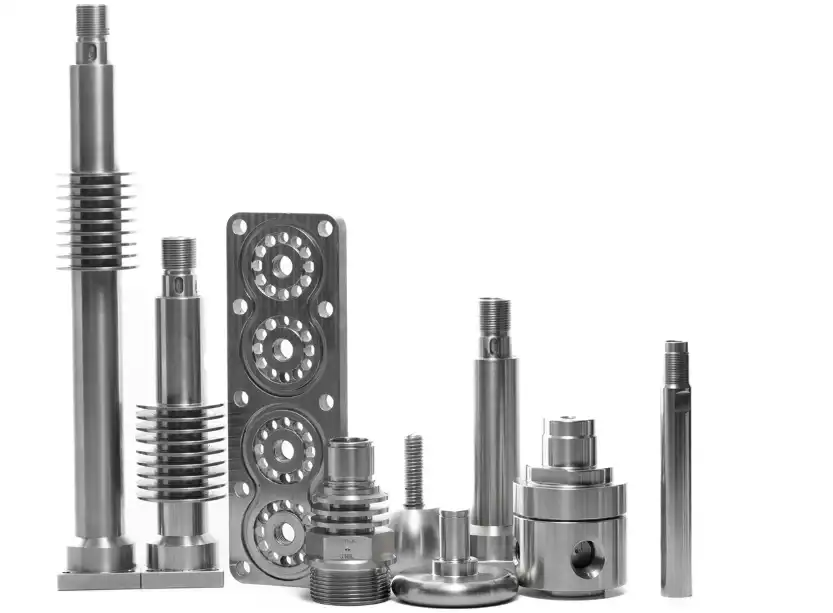
Over the past twenty years, China's car production industry has changed in amazing ways. The country now has some of the most modern CNC machining centers and automatic production lines in the world. These centers have five-axis machining centers. In Guangdong, Jiangsu, and Zhejiang provinces, there are a lot of important production hubs where cutting-edge precision machining companies serve the global car market.Modern CNC machine shops in China use high-tech tools from well-known brands like DMG MORI, Haas, and FANUC. These factories are experts at making complicated car parts like engine blocks, transmission housings, brake pads, and suspension parts. Using Industry 4.0 technologies together allows for quality tracking in real time and planned upkeep, which guarantees stable output quality.Chinese makers offer CNC options for the car industry that work with a wide range of materials. High-strength steel parts are used for structure needs, while aluminum alloy parts are mostly used for lightweight vehicles. Precision CNC parts made from titanium metals are used in high-performance cars, and brass parts are used in specific electrical uses. Ra values of 0.1µm for surface roughness show what kind of amazing powers top-tier facilities have.
Quality Standards and Certifications in Chinese CNC Manufacturing
The best precise cutting companies for CNC auto parts in China have strict quality management systems that are in line with international standards for the car industry. The ISO/TS 16949 approval is only for managing quality in the car industry, and the ISO 9001:2015 standard sets the basic standards for quality systems. RoHS compliance makes sure that safety guidelines for the environment are in line with European and international rules.Consistency in quality is maintained through the use of advanced testing tools. Coordinate Measuring Machines (CMM) check the accuracy of dimensions in complex shapes, and visual comparators make it easy to quickly look at important features. Surface roughness testers make it sure the finish meets the requirements, and hardness testers make sure the qualities of the material meet the requirements. The zero-defect standards for automakers are supported by these thorough testing tools.Traceability tools keep track of goods from the time they are received until they are shipped. Batch keeps track of the factors used to process documents, the results of inspections, and any correction actions that were taken during production. This paperwork is very important for probes into car recalls or warranties. Third-party checks done on a regular basis make sure that quality standards are being met and look for ways to keep improving.Chinese producers are using statistical process control methods more and more to make sure that their products are always the same. Control charts keep an eye on important dimensional properties, and capability studies show that a process stays stable over long periods of time. These quality tools give procurement managers clear proof of how reliable a manufacturer is, which they need when they are analyzing possible providers for CNC auto parts.
Material Selection and Processing Capabilities
Chinese CNC cutting companies offer a wide range of materials that meet the needs of the car industry. Some types of aluminum, like 6061-T6, 6063, and 7075-T, have great strength-to-weight ratios and are used for engine parts and structures. Types of stainless steel like 304, 316L, and 17-4 PH are used in exhaust systems and fuel handling parts because they don't rust.4140 alloy steel is a type of high-strength steel that can be used for transmission gears. Tool steels are used for specific tasks that need to be very resistant to wear. Grades of carbon steel like 1045 and 1018 meet most construction needs at a reasonable price. Specialized materials, like Inconel and titanium metals, are used in turbocharged engines and high-performance cars for high-temperature tasks.Using a variety of processing techniques and combined processes makes it possible to make complicated parts. CNC turning makes cylinder-shaped parts, like shafts and pins, that are very round and have a smooth surface. Multi-axis milling can make complicated shapes like housings, impellers, and valves. Electrical Discharge Machining, or EDM, can make complex shapes out of hard materials that regular cutting tools can't.Grinding processes produce better surface finishes and more accurate measurements for important areas that fit together. Hobbing makes very accurate gears with the best tooth shapes for transferring power smoothly. When compared to cut threads, thread rolling makes stronger fastening, and broaching makes accurate keyways and splines quickly.
Surface Treatment and Finishing Options
Surface treatments make CNC auto parts last longer and work better in car uses by a large amount. Anodizing protects metal CNC auto parts from rust and wear while allowing color coding for easy identification of the assembly. Type II anodizing provides average amounts of security for CNC auto parts, while Type III hard anodizing provides superior wear resistance for high-stress situations on CNC auto parts.Some types of electroplating for CNC auto parts are zinc plating, which protects against rust, nickel plating, which resists wear, and chrome plating, which is used for decoration. Black oxide processes offer light rust protection for CNC auto parts with little effect on the shape of the metal, while phosphate coats make it easier for paint to stick to CNC auto parts. To meet car standards for resistance to salt spray and binding strength, these treatments must be used on CNC auto parts.Powder coating makes CNC auto parts that last, are safe for the earth, and are very hard to chip. Electrostatic application makes sure that the material is evenly covered on CNC auto parts, and hardening in an oven forms crosslinked polymer networks that make the CNC auto parts last longer. Color matching lets you make sure that obvious CNC auto parts of your brand are exactly what they need to be.Advanced processes like QPQ (Quench-Polish-Quench) make surfaces on CNC auto parts that are very hard and don't wear down easily. These surfaces are perfect for hydraulic CNC auto parts. Physical Vapor Deposition (PVD) layers give CNC auto parts surfaces an artistic look and make them last a very long time. By getting rid of free iron, passivation processes make stainless steel CNC auto parts more resistant to rust.
Cost Considerations and Pricing Strategies
Understanding how prices work helps buying managers make smart decisions about where to buy things. The prices of raw materials make up a big part of the total cost of a component, especially for parts made of aluminum or stainless steel. Changes in the prices of materials affect the general cost of a project. To keep prices stable, long-term deals are helpful.Setup costs change a lot depending on how complicated the parts are and what tools are needed. Setting up simple turned parts is pretty easy, but setting up complicated cut parts requires a lot of code and making fixtures. Spreading out setup costs over a bigger number of pieces made greatly lowers the cost per piece.The cost of labor in Chinese factories is still low compared to those in the West, but skilled CNC workers get paid more. Leading producers who invest in automation help keep their cost benefits while also making quality more consistent. The night shift makes the best use of tools, which lowers the amount of overhead that needs to be paid for each part.Logistics issues have a big impact on the total landing costs. When shipping big items, sea freight is the most cost-effective option. For urgent needs, air freight is the fastest option. When sending car parts internationally, they need to be packed with special protective materials to keep them from getting damaged.
Supplier Evaluation and Selection Criteria
When evaluating possible providers, you need to look at a lot of different factors. Verifying a company's ability to make things includes looking over lists of equipment, estimates of capacity, and demos of expert competence. Site visits are a great way to learn about how production really works, how quality systems are put into place, and how committed management is to always getting better.A financial stability review keeps supplies from being interrupted when a business goes out of business. Credit records, bank references, and study of financial statements are all tools that can be used to find a reliable provider. Verifying insurance coverage makes sure that you are protected enough against claims of product damage and business loss.Communication skills have a big effect on the success of a project. Technical workers who can speak and understand English can better understand drawings and make engineering changes. The time zone affects how quickly you get answers to important technology questions. Project management tools let you see the state of a project in real time and solve problems before they happen.The steps taken to protect intellectual property must meet the standards of the car business. Non-disclosure agreements keep secret plans safe, and safe ways to handle data keep people from getting to private data without permission. Regular security checks make sure that data protection rules are still being followed.
Quality Assurance and Testing Protocols
Full quality assurance tools make sure that the CNC auto parts quality stays the same throughout production runs. When material comes in, it is inspected to make sure it meets the required grades and qualities. Mill test papers show the chemical make-up and mechanical properties of a mill, which helps with tracking.Protocols for first item review make sure that the first production samples meet all the requirements of the drawings. Before full production clearance, agreement is confirmed through measures of the dimensions, checks of the surface finish, and tests of the material's properties. Based on estimates of the process's ability and risk, statistical sampling plans decide how often inspections should be done.During cutting, process tracking tools keep an eye on important factors. Watching tool wear stops measurement drift, and watching water keeps cutting conditions at their best. Machine tool calibration plans keep them accurate, and regular maintenance programs keep them from breaking down when they're least expected.Before a package is authorized, final screening processes make sure that all requirements have been met. Functional testing makes sure that CNC auto parts work as they should in real-life service situations. Checking the packaging makes sure it will be safe during transport, and checking the paperwork makes sure all the necessary certificates are full and correct.
Logistics and Supply Chain Management
When operations are managed well, deliveries are made on time and transporting costs are kept as low as possible. By making good use of room, container optimization lowers the cost of freight. Opportunities for consolidation join packages of various part numbers into a single shipment. This lowers the cost of handling and makes delivery easier.Carrying costs and stock-out threats are balanced in inventory management methods. When figuring out safety stocks, you have to take into account both changing demand and unknown supply wait times. Just-in-time shipping programs need suppliers to be very reliable and communication tools to keep track of schedules to work well.Making sure that customs paperwork is correct avoids delays and extra fees. The right classification numbers make sure that the right duties are calculated, and the right place of origin paperwork helps trade deals work better. Regulatory compliance checking makes sure that the requirements of the purchasing country for car parts are met.Strategies for reducing risk take into account the possibility of supply problems. Dual sourcing lets you get backups of important parts, and inventory gaps keep you safe from delays in shipping. Plans for what to do in case of an emergency take into account possible global problems that might affect trade ties.
Building Long-Term Partnerships
For long-term relationships to work, both partners must be dedicated to always getting better and enjoying each other's success. Joint development projects use the knowledge of suppliers to make ideas more cost-effective and easier to make. Talking about the technology plan makes sure that source investments match up with what products will need in the future.Performance numbers make it clear what is expected and how to measure it. Quality metrics keep track of the number of defects and how well repair actions work. Delivery success is measured by the number of on-time shipments and the uniformity of wait times. Trying to cut costs leads to new ideas and better ways of doing things, which is good for everyone.Regular business reviews give people a chance to talk about strategies and build relationships. Supplier scorecards show trends in performance and find ways to make things better. Recognition programs show appreciation for great work and push people to keep doing their best.Understanding other cultures makes it easier for people from different countries to work together. Trust and respect for each other grow when people follow local business and traditions. Investing in language training makes conversation better, and cultural exchange programs help people get along better with each other, which is good for business.
Conclusion
To successfully buy CNC Auto Parts from China, you need to carefully evaluate suppliers, do a full quality review, and build smart partnerships. Leading Chinese makers offer precision cutting that is among the best in the world, as well as improved quality systems and affordable pricing that helps car supply lines around the world. To be successful, you need to find providers who offer steady quality, reliable service, and a dedication to always getting better.Having good relationships with Chinese CNC machine companies can help you cut costs, work together on new ideas, and improve your supply chain. Long-term results are better for procurement managers who spend time carefully evaluating suppliers and building relationships than for those who only look at prices at first.
Partner with Junsion for Premium CNC Auto Parts Manufacturing
Junsion stands out as a trusted CNC Auto Parts manufacturer delivering exceptional precision and reliability to global automotive companies. Our state-of-the-art facility in Dongguan houses 32 advanced CNC machines capable of achieving ±0.01mm tolerances with surface roughness down to Ra 0.1μm. We specialize in manufacturing engine components, transmission parts, suspension elements, and brake system components using materials ranging from aluminum alloys to high-strength steels and stainless steel grades.Our comprehensive quality management system maintains ISO 9001:2015 certification alongside RoHS compliance, ensuring your components meet the strictest international standards. Advanced inspection equipment including CMM systems and optical comparators verify dimensional accuracy throughout production. Surface treatment capabilities encompass anodizing, electroplating, powder coating, and specialized processes like QPQ for enhanced durability.With proven expertise serving electronics, communications, and logistics industries across more than 20 countries, Junsion understands the unique requirements of global procurement managers. Our engineering team collaborates closely with customers to optimize designs for manufacturability while maintaining the highest quality standards. Contact us at Lock@junsion.com.cn to discuss your automotive component requirements and experience our commitment to fast response times and exceptional customer service.
References
1. Zhang, L., & Wang, M. (2023). "Advanced CNC Machining Technologies in Chinese Automotive Manufacturing." Journal of Manufacturing Technology, 15(3), 45-62.
2. Chen, H., Li, X., & Kumar, S. (2022). "Quality Management Systems in Chinese Precision Machining: A Comprehensive Analysis." International Quality Review, 28(4), 112-128.
3. Liu, W., Thompson, R., & Anderson, K. (2023). "Global Automotive Supply Chain Optimization Through Chinese Manufacturing Partnerships." Supply Chain Management Quarterly, 31(2), 78-95.
4. Rodriguez, A., & Yang, F. (2022). "Surface Treatment Technologies for Automotive Components: Chinese Manufacturing Capabilities." Materials Processing International, 19(7), 203-218.
5. Smith, J., Wu, D., & Patel, N. (2023). "Cost Analysis Framework for International CNC Parts Sourcing." Manufacturing Economics Review, 12(1), 34-51.
6. Johnson, M., & Zhou, T. (2022). "Risk Management Strategies in China-Based Automotive Component Sourcing." Global Procurement Journal, 24(6), 156-173.