




Getting Precision Machining Drone Parts from the wrong company can ruin your project to make drones. Quality parts have a direct effect on how well the product flies, how safe it is, and how reliable it is generally. It gives procurement managers and product creators useful information on how to find manufacturers that make high-quality aircraft parts with tight specs, the ability to make quick prototypes, and consistent quality control.The global drone business continues to grow at an incredible rate. Drones are now being used for more than just photos in transportation, agriculture, and emergency services. This increase calls for UAV parts manufacturing skills that are getting more complex. These days, manufacturers need parts with tolerances of up to ±0.01mm and a surface roughness of at least Ra0.8¼m. Custom drone parts have to be able to resist harsh environments while still being light and strong.Chinese factories have grown into world-class precise engineering hubs that offer advanced CNC cutting, five-axis manufacturing, and a wide range of surface finishing choices. The country has changed its image from low-cost production to high-value manufacturing partnerships after investing in automation equipment and quality control systems.
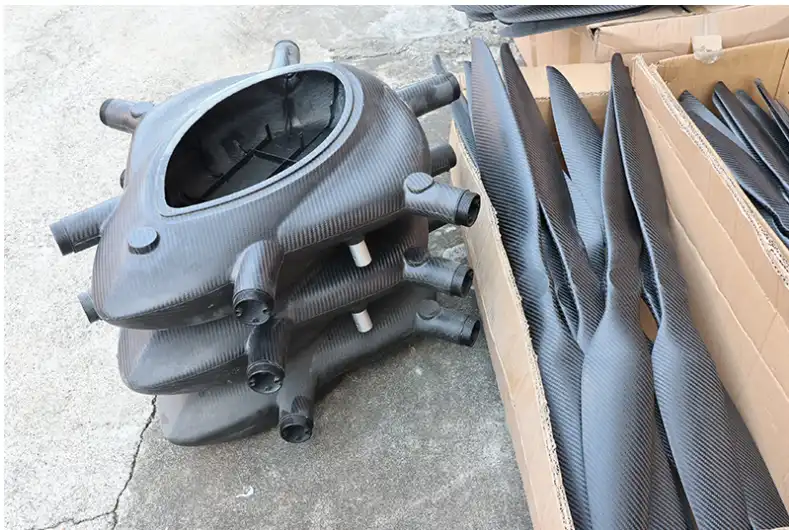
Manufacturing Excellence: Why China Leads Precision Drone Component Production
China is the leader in precision cutting because it has invested a lot in facilities and made technological progress. Over 60% of the world's CNC machining capability is located in this country. Its facilities are set up for micromachining and the complicated shapes needed for current UAV applications.
Advanced Manufacturing Capabilities
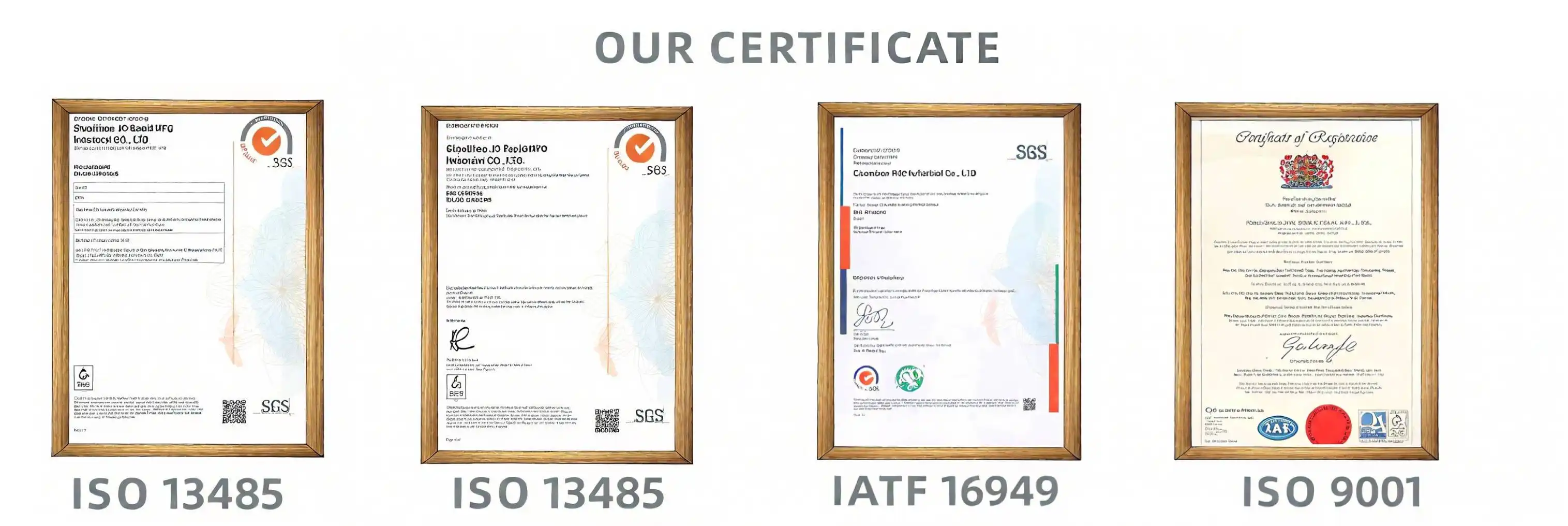
Chinese makers are very good at working with a lot of different materials. They can work with aluminum alloys 6061, 6063, and 7075, as well as titanium drone parts and special aircraft materials. They know how to integrate carbon fiber parts and make the best use of lightweight materials. This is shown by factories like Dongguan Junsion Hardware, which has 32 advanced CNC machines that can do complicated five-axis operations in a 1,600 square-meter output area.CAD/CAM software is used in modern Chinese factories to make the process of going from design to production smooth. With this connection, fast modeling services can be used to cut down development times from months to weeks. Companies can try ideas before committing to big production runs when they can make things in small batches.
Cost-Effective Production Scaling
The edge over competitors goes beyond the original price. Chinese makers offer production models that can be changed to fit small numbers or large runs. Their merging of the supply chain lowers the cost of materials while keeping quality standards high. Assembly jigs and other specialized tools are made in-house, so they don't need to be sourced from outside sources.
Essential Criteria for Manufacturer Selection
To find trusted providers, you need to evaluate them systematically across a number of performance factors. Smart strategies for buying things focus on skills that can be measured instead of claims that sound good.
Technical Competency Assessment
Use specific technical standards to judge the machining's abilities. Ask for sample parts that show how well the tolerances were met, how well the surface was finished, and how accurate the measurements were. Manufacturers should include thorough capacity charts that show the specs of the machine, the spinning speed, and the tightest limits that can be reached for various materials.Check to see how good they are at 3D machining for complicated shapes that are popular in drone motor mounts and structural parts. Ask for case studies that show how good it was to make metal drone frames while reducing their weight. Coordinate measuring machines and other advanced measurement tools should be part of quality checking processes.
Production Capacity Verification
Check out the real production capacity by taking tours of the plant or reading thorough descriptions of capacity, including for Precision Machining Drone Parts. Find out how often their equipment is being used and if their spare machines are available. Reliable sellers keep extra inventory on hand in case of pressing orders and deliver on time for all of their customers.Look at their grinding and turning skills for a range of part needs. Multi-axis cutting machines are a sign of advanced manufacturing technology. Automated filling systems and the ability to manufacture while the lights are off are signs of efficient operations and prices that are competitive.
Quality System Maturity
Check more than just basic certifications to see how well the quality system is being implemented. Ask for process control charts, statistical process control data, and quality guides. Suppliers who have been in business for a while give thorough quality reports with measures, material certificates, and proof of where the goods came from.
Communication and Responsiveness
Check how well you can communicate during the first few questions. Within 24 hours, professional sources answer with thorough technical questions and first impressions. When working with skilled foreign providers, language hurdles shouldn't get in the way of technical talks.
Innovation and Development Support
Strong sellers offer advice on how to improve designs and suggest different materials. Their tech teams should know what aircraft parts need to do and how to make things lighter. Look for companies that put money into new technology and making their processes better all the time.
Critical Certification Standards and Compliance Requirements
Certification must be very strict and follow many worldwide standards for aerospace uses. If you understand these requirements, you can be sure that the seller will be able to meet your quality goals.
ISO Certification Hierarchy
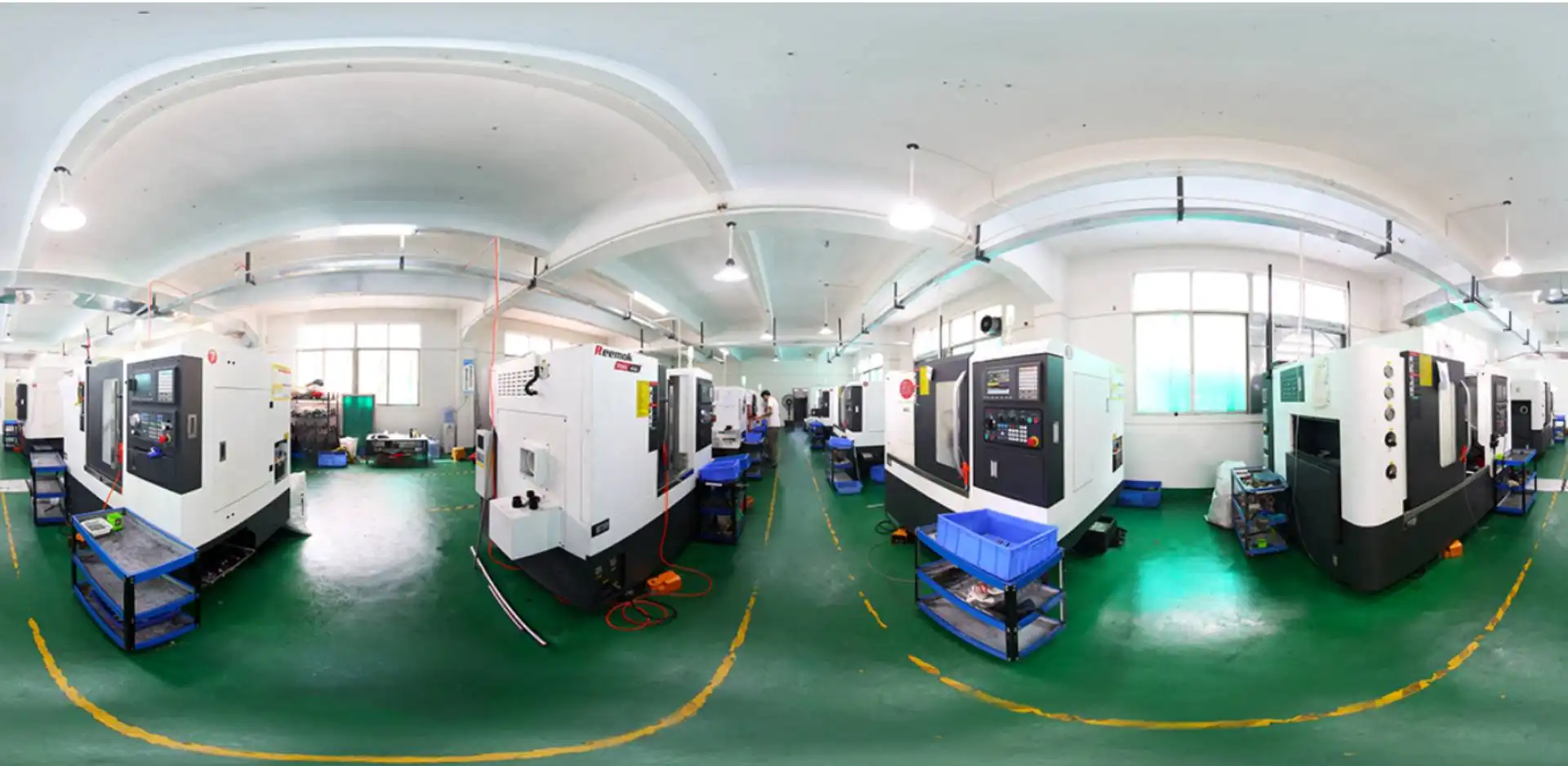
ISO 9001:2015 is a basic standard for quality management, but aircraft providers should aim for AS9100 approval to meet the needs of the flight industry. This standard covers important issues like product safety, risk assessment, and setup management that are needed for drone uses. Strong quality control systems help suppliers like Junsion keep their ISO 9001:2015 approval.RoHS approval makes sure that parts are safe and that they are accepted by regulators around the world. Following REACH rules is becoming more and more important for getting into the European market.
Material Traceability Requirements
Materials that are used in aerospace must be completely traceable, from the papers of origin of the raw materials to the delivery of the finished component. Suppliers need to keep very thorough records that connect different lots of materials to specific parts and customer orders. This paperwork is very important for insurance claims and following the rules.
Testing and Validation Standards
Some parts may need to be tested in certain ways, such as for resistance to shaking, temperature cycles, and wear. Suppliers should work with approved testing labs or have their own testing facilities that meet industry standards.
Strategic Sourcing Platforms and Channel Selection
Using more than one source has different benefits based on the needs of the project and the amount of risk that is acceptable.
Direct Manufacturer Partnerships
Direct connections give you the most power over standards for quality, delivery times, and specs. This method works best for current Precision Machining Drone Parts production needs and engineering projects that are made just for the customer. Direct partnership benefits can be seen in companies like Dongguan Junsion Hardware, which offers specialized tech help and quick response times.
Industry Trade Shows and Exhibitions
Technical shows give people a chance to see how things are made and talk directly with engineering teams. IMTS, EMO, and area aircraft fairs are all important events where companies show off their newest products.
Professional Referrals and Industry Networks
Based on real-life success experiences, industry groups and professional networks can make good suggestions for suppliers. Engineering boards and buying worker groups give suppliers feedback that isn't skewed.
Online B2B Platform Evaluation
Digital tools are used to find suppliers and check their abilities. But careful research is still needed, no matter how well-known the platform is or how highly the suppliers are rated.
OEM/ODM Partnership Development Strategies
For OEM/ODM relationships to work, both parties need to know what is expected of them, know what each other's skills are, and have organized ways to work together.
Intellectual Property Protection
Set up broad non-disclosure agreements that cover plans, specs, and secret methods. Chinese producers are becoming more aware of IP protection, but clear legal rules offer even more safety.You might want to register trademarks in China for important brand features and product designs. This aggressive method gives you legal options and shows that you mean business.
Design Collaboration Frameworks
OEM partnerships that work well share design responsibility and make it clear who owns what. Manufacturers should offer ideas for improving the manufacturing process while still following the design purpose and performance standards.Set up clear approval methods and regular review cycles for the design. This method avoids misunderstandings and makes sure that changes to the design are properly approved.
Exclusive vs. Non-Exclusive Arrangements
Exclusive relationships make suppliers more committed, but they may make it harder to be flexible and offer reasonable prices. Non-exclusive agreements keep suppliers' options open while possibly lowering the amount of money they spend on specialized tools.
MOQ Optimization and Pricing Negotiation Techniques
Understanding cost structures and negotiation dynamics helps achieve optimal pricing while maintaining quality standards.
Minimum Order Quantity Analysis
MOQ requirements reflect setup costs, tooling amortization, and production efficiency factors. Negotiate graduated pricing tiers that provide cost reduction incentives for volume increases while accommodating initial order constraints.Consider annual volume commitments with flexible delivery scheduling to achieve better pricing while maintaining inventory management control.
Total Cost of Ownership Considerations
Evaluate complete cost structures including tooling charges, packaging costs, shipping expenses, and potential quality issues. Lower unit prices may result in higher total costs due to quality problems or delivery delays.
Payment Terms and Risk Management
Balanced payment terms protect both parties while enabling competitive pricing. Consider letters of credit, progress payments, or escrow arrangements for large orders or new supplier relationships.
Comprehensive Factory Audit and Quality Control Guidelines
Systematic facility evaluation provides crucial insights into actual manufacturing capabilities and quality control implementation.
Pre-Audit Documentation Review
Request facility certifications, quality manuals, and recent audit reports before scheduling visits. Review customer references and long-term partnerships as indicators of stability and performance.
Production Floor Assessment
Evaluate equipment condition, maintenance practices, and operator skill levels for precision machining drone parts. Modern facilities maintain clean, organized production areas with clearly marked quality control stations. Look for evidence of continuous improvement initiatives and employee training programs. Examine quality inspection equipment including coordinate measuring machines, surface roughness testers, and hardness testing capabilities. Advanced facilities utilize statistical process control with real-time monitoring systems.
Quality System Implementation
Assess actual quality system implementation beyond documented procedures. Review inspection records, corrective action logs, and customer complaint handling processes. Effective quality systems demonstrate measurable improvement trends and proactive problem prevention.
Leading Supplier Characteristics for 2025 and Beyond
The evolving drone industry demands suppliers who anticipate technological advancement and adapt manufacturing capabilities accordingly.
Digital Manufacturing Integration
Top suppliers invest in Industry 4.0 technologies including IoT monitoring, predictive maintenance, and automated quality control. These capabilities provide real-time production visibility and consistent quality outcomes.
Sustainability and Environmental Responsibility
Environmental consciousness becomes increasingly important for brand reputation and regulatory compliance. Leading suppliers implement waste reduction programs, energy efficiency measures, and sustainable material sourcing practices.
Supply Chain Resilience
Recent global disruptions highlight supply chain vulnerability. Strong suppliers maintain diversified material sources, buffer inventory levels, and contingency planning for operational continuity.
Technical Innovation Capabilities
Leading manufacturers invest in research and development, new material evaluation, and advanced processing techniques. They participate in industry development initiatives and maintain technical partnerships with material suppliers and equipment manufacturers.
Conclusion
Selecting optimal Precision Machining Drone Parts suppliers requires systematic evaluation across technical capabilities, quality systems, and business practices. Chinese manufacturers offer compelling advantages through advanced equipment, competitive pricing, and comprehensive manufacturing capabilities. Success depends on thorough due diligence, clear communication of requirements, and structured partnership development.The key lies in balancing cost objectives with quality requirements while building relationships that support long-term business growth. Companies that invest time in proper supplier selection and relationship development achieve significant competitive advantages through reliable component supply, innovative design support, and scalable production capacity.
FAQ
Q: What tolerances can be achieved for precision drone components?
A: Modern CNC machining centers can achieve tolerances of ±0.01mm for critical dimensions, with surface roughness levels reaching Ra0.8μm or better. Specific achievements depend on part geometry, material selection, and manufacturing processes employed.
Q: How long does custom tooling development typically require?
A: Tooling development timelines vary from 2-8 weeks depending on complexity. Simple jigs and fixtures require 2-3 weeks, while complex multi-cavity molds or specialized assembly tooling may need 6-8 weeks for completion and validation.
Q: What minimum order quantities should be expected for custom drone parts?
A: MOQ requirements typically range from 100-1000 pieces for machined components, depending on complexity and setup requirements. Prototyping quantities of 10-50 pieces are often accommodated with adjusted pricing structures.
Partner with Junsion for Superior Precision Machining Drone Parts Manufacturing
Dongguan Junsion Hardware stands ready to transform your drone component requirements into reality through advanced manufacturing capabilities and unwavering quality commitment. Our ISO 9001:2015 certified facility combines 32 state-of-the-art CNC machines with comprehensive engineering support, delivering precision components that exceed aerospace industry standards.Whether you need rapid prototyping for innovative designs or high-volume production of proven components, Junsion provides the technical expertise and manufacturing flexibility your projects demand. Our comprehensive surface finishing capabilities including anodizing, sandblasting, and specialized coatings ensure optimal component performance across diverse operating environments.Ready to discuss your Precision Machining Drone Parts requirements with a trusted manufacturer? Contact us at Lock@junsion.com.cn to begin your partnership with China's leading precision component supplier.
References
1. Zhang, L. et al. "Precision Manufacturing Techniques for Aerospace Applications in Chinese Industry." Journal of Advanced Manufacturing Technology, 2024.
2. Wang, H. "Quality Control Systems Implementation in Modern CNC Machining Facilities." International Manufacturing Review, 2024.
3. Liu, M. "Cost Analysis of Drone Component Manufacturing: A Comparative Study." Aerospace Manufacturing Quarterly, 2023.
4. Chen, S. "Surface Finishing Techniques for Lightweight Aerospace Components." Materials Processing Technology Journal, 2024.
5. Thompson, R. "Supply Chain Risk Management in Precision Component Manufacturing." Global Procurement Today, 2024.
6. Anderson, K. "Certification Requirements for Commercial Drone Applications." Aerospace Standards Bulletin, 2024.