




Stainless Steel Vehicle Part Upgrades for Performance Cars
Performance car fans and buying workers looking for high-quality auto parts know that Stainless Steel Vehicle Parts updates are the peak of engineering brilliance. The accuracy with which these parts were made makes them last longer, fight rust better, and improve performance far beyond what is possible with standard materials. These days, modern stainless steel car parts are made with high-tech metals like 304 and 316 types. They are strong and durable enough for high-performance uses, and they meet the strict quality standards needed in today's tough auto settings.
Understanding Stainless Steel Vehicle Parts for Performance Cars
Performance upgrades for cars have changed a lot over the years, and now stainless steel parts are the standard for situations where longevity and dependability are very important. These unique parts are used in many important car systems, ranging from exhaust pipes to precise engine parts.
Key Applications in Performance Vehicles
Stainless steel is used to make a lot of different parts of fast cars. Stainless steel pipes, valves, and clamps handle heat very well. Every one of them is a part of an exhaust system. The fuel lines and injector bodies are two parts of the fuel system that must not rust. High-quality stainless steel is the only thing that can meet this need. Valve stems and rocker arms are two motor parts that need to be made of the right kind of stainless steel to be strong.
Material Grade Selection
Choosing the right types of stainless steel has a direct effect on how well and how long a component works. Grade 304 stainless steel is great for a lot of different uses because it is resistant to rust and easy to shape. This makes it perfect for chassis and suspension parts. Due to the molybdenum added, Grade 316 is more resistant to rust, which makes it especially useful for fuel system uses. Grade 409 is a cheap option for exhaust uses, and Grade 430 has magnetic qualities that are useful in some vehicle settings.
Comparison with Alternative Materials
Stainless steel car parts work better than metal, carbon steel, or plastic car parts. A lot of things can't be made of metal because it doesn't like being hot enough. Even though carbon steel is strong, it is less durable over time because it rusts. Plastic parts are lighter, but they can't handle the high temperatures and tight standards that are common in performance settings.

Advantages of Stainless Steel Vehicle Parts in Performance Car Upgrades
There are more benefits than just changing the material when you use stainless steel parts in speed car changes. The car is more fuel-efficient, needs less maintenance, and costs less over its lifetime because of these good points.
Superior Corrosion Resistance and Longevity
Stainless steel is great for tough places where other materials wouldn't work. A coat of oxide is formed by the chromium in stainless steel that makes the structure strong for a long time and prevents rust. Because parts of exhaust systems are always exposed to hot exhaust fumes that eat away at metal, this rust resistance is very useful.
Exceptional Heat Resistance Properties
Extreme temperatures are created by high-performance engines that make normal materials difficult to work with. Stainless steel keeps its functional qualities at high temperatures, which is why exhaust pipes, heat shields, and other parts that control heat need to be made of it. Because the material is thermally stable, it will keep working well even in harsh situations like those found in racing and high-performance uses.
Favorable Strength-to-Weight Ratios
Modern metals made of stainless steel have amazing strength-to-weight ratios that are useful for use in high-speed cars. Because of these qualities, engineers can make parts that keep the structure strong while weighing as little as possible. Due to its strength and low density, stainless steel vehicle part updates are a good choice for high-performance uses where every pound counts.
Maintenance Efficiency and Environmental Benefits
Because stainless steel parts don't need as much upkeep, they save a lot of money over their lifetime. Unlike carbon steel parts that need to be coated regularly or aluminum parts that are prone to galvanic rust, stainless steel parts look good and work well with little upkeep. This longevity helps the world by making things last longer and lowering the number of times they need to be replaced.
How Stainless Steel Vehicle Parts Are Made and Selected for Performance Upgrades
Understanding the manufacturing processes and selection criteria for stainless steel automotive components enables procurement professionals to make informed decisions that optimize both performance and cost-effectiveness.
Advanced Manufacturing Techniques
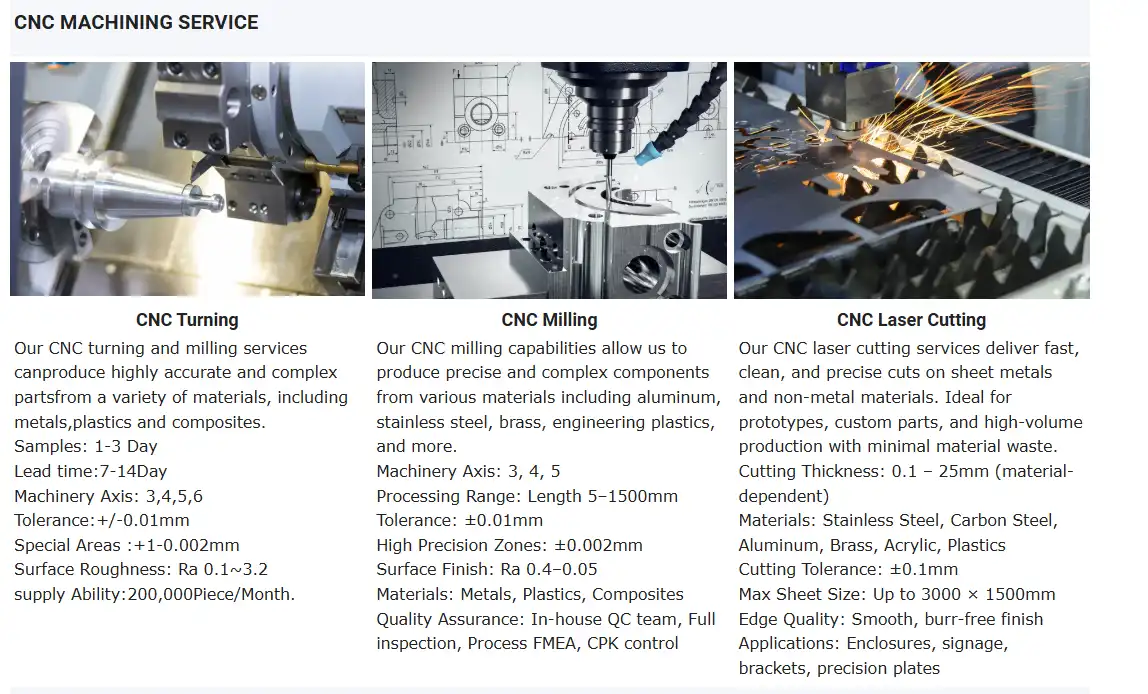
Today, advanced methods are used to make stainless steel parts that meet exact specs and are of the highest quality. Parts can be made with tolerances as small as ±0.01mm using CNC processes like turning, cutting, and drilling. This level of accuracy makes sure that it works perfectly with other systems in the car and meets the high standards needed for speed uses.
Before you can start making something, you have to carefully pick out the materials and check them to make sure they are the right metal and have the right mechanical properties. CNC lathes and turning centers of today can make things with difficult forms that are still the right size and shape. Every step of the production process is checked for quality to make sure the parts are always of the right quality and meet the needs.
Grade Selection Criteria
As you pick out the type of stainless steel, give some thought to what the product will be used for. The choice of material is based on how much heat it is exposed to, how it is stressed, how immune it needs to be to rust, and how much it costs. Some grades need to be more stable at high temperatures for parts that will be in acidic environments, while other grades need to be more resistant to chemicals for parts that will be in acidic environments.
Quality Assurance Protocols
Strict quality control methods for Stainless Steel Vehicle Parts make sure that the parts that are made meet performance standards and industry norms. The material is tested to make sure it has the right chemical makeup and mechanical qualities. Its measurements are also checked to make sure they don't go beyond the limits that were set. You can trust that your parts will work when they are load tested to make sure that buildings are strong in real-world working circumstances.
Comparing Stainless Steel with Other Vehicle Part Materials for Performance Applications
Comprehensive material comparison enables procurement professionals to evaluate trade-offs and select optimal solutions for specific performance requirements. Understanding the relative merits of different materials supports informed decision-making that balances performance, cost, and application suitability.
Weight and Strength Characteristics
When choosing a material, it's common to have to weigh the weight against the power needs. Stainless steel is very strong and doesn't weigh too much. Compared to other types of steel, stainless steel is better at resisting rust without adding a lot of weight. Stainless steel is lighter than aluminum, but it can handle higher temperatures and last longer.
Thermal Properties and Corrosion Resistance
When parts in high-performance systems have to deal with big changes in temperature, the way the materials behave at those temperatures becomes very important. Parts made of stainless steel for vehicles keep their shape and mechanical qualities over a wide range of temperatures. Because of its natural resistance to rust, it doesn't need any protective layers that could break down when the temperature changes.
Long-term Cost Analysis
Even though cheaper materials may be more appealing at first, lifetime cost analysis often shows that choosing stainless steel is the better choice. Total cost of ownership benefits include lower upkeep needs, longer service life, and not having to use protective coating systems. Because stainless steel parts last longer, they don't need to be replaced as often, and upkeep doesn't take as long.
Manufacturing Excellence and Surface Treatment Options
The final performance of stainless steel car parts depends a lot on how well they were made and what kind of surface treatment they get. Innovative surface techniques improve both the functionality and the look of final parts.
Precision Manufacturing Capabilities
Cutting-edge tools and methods are used in modern factories to make sure they meet high standards of quality. CNC cutting uses tools made just for working with stainless steel. This makes sure that the surfaces are smooth and the measurements are correct. With precision production, it's possible to make difficult parts that work perfectly in high-performance settings.
Surface Treatment Enhancement
Different surface treatments make Stainless Steel Vehicle Part components look better and work better. For automobile use, these are the main surface cleaning methods that are available:
- The passivation process makes stainless steel surfaces more resistant to rust by helping the natural oxide layer form. This gives the steel even more protection against environmental damage.
- Electropolishing methods make finishes that are smooth and shiny. These finishes make surfaces less rough, easier to clean, and more resistant to rust.
- Anodizing changes the color of metals and makes their surfaces harder. It is mostly used on aluminum, but special processes can have the same effect on stainless steel.
- Sandblasting methods create flat, matte surfaces that don't reflect light and give all of a component's sides the same look.
The directed grain designs that are made by brushing processes make surfaces look good while still keeping their useful qualities.
These choices for surface treatment let you change the features of a part to fit the needs of a specific application, while still keeping the benefits of stainless steel materials.
Conclusion
The best way to speed up your car is to use stainless steel parts. They work better, last longer, and don't rust. It is important to have these parts because they make things more efficient by resisting heat better, being stronger for their weight, and needing less upkeep. Stainless steel car parts are getting even more valuable because there are better and better ways to make things and treat their surface. To meet strict performance standards and get a good BOL as a buyer who cares about quality, security, and long-term value, you will need stainless steel parts.
FAQ
What stainless steel grade works best for automotive exhaust systems?
Grade 409 stainless steel typically provides the optimal balance of cost-effectiveness and performance for most exhaust applications. Grade 304 offers enhanced corrosion resistance for premium applications, while Grade 316 serves specialized applications requiring maximum corrosion resistance.
How do stainless steel parts enhance vehicle durability and performance?
Stainless steel components resist corrosion and maintain mechanical properties under extreme conditions, extending component life and maintaining consistent performance. The material's thermal stability ensures reliable operation under high-temperature conditions typical of performance applications.
Where can I source custom-made stainless steel automotive components?
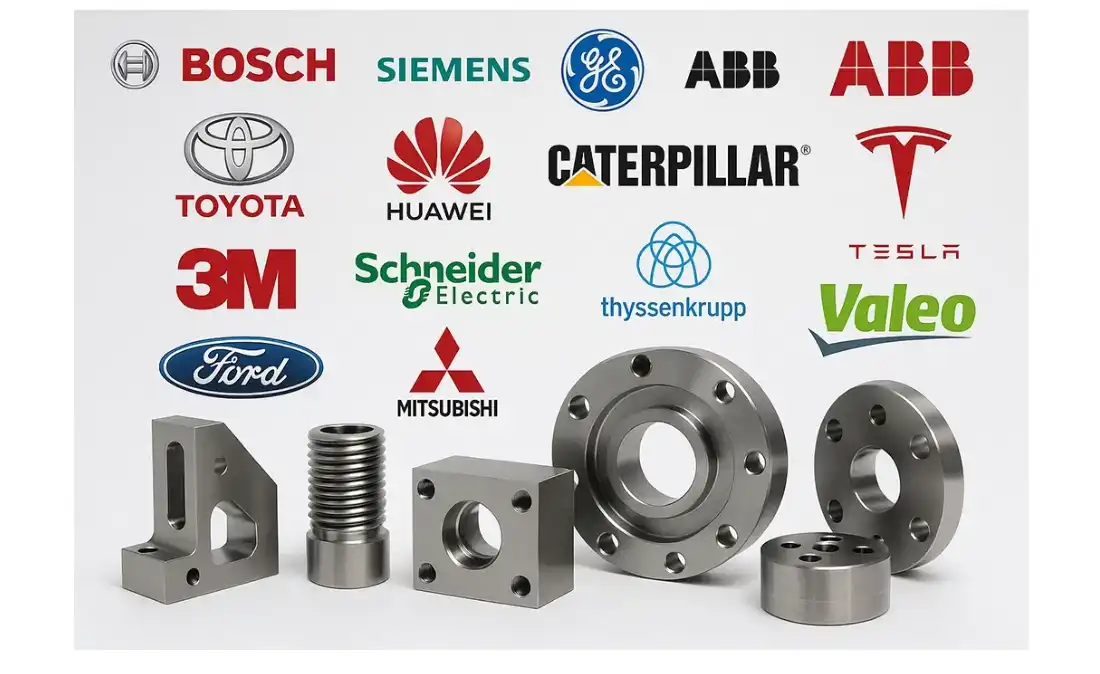
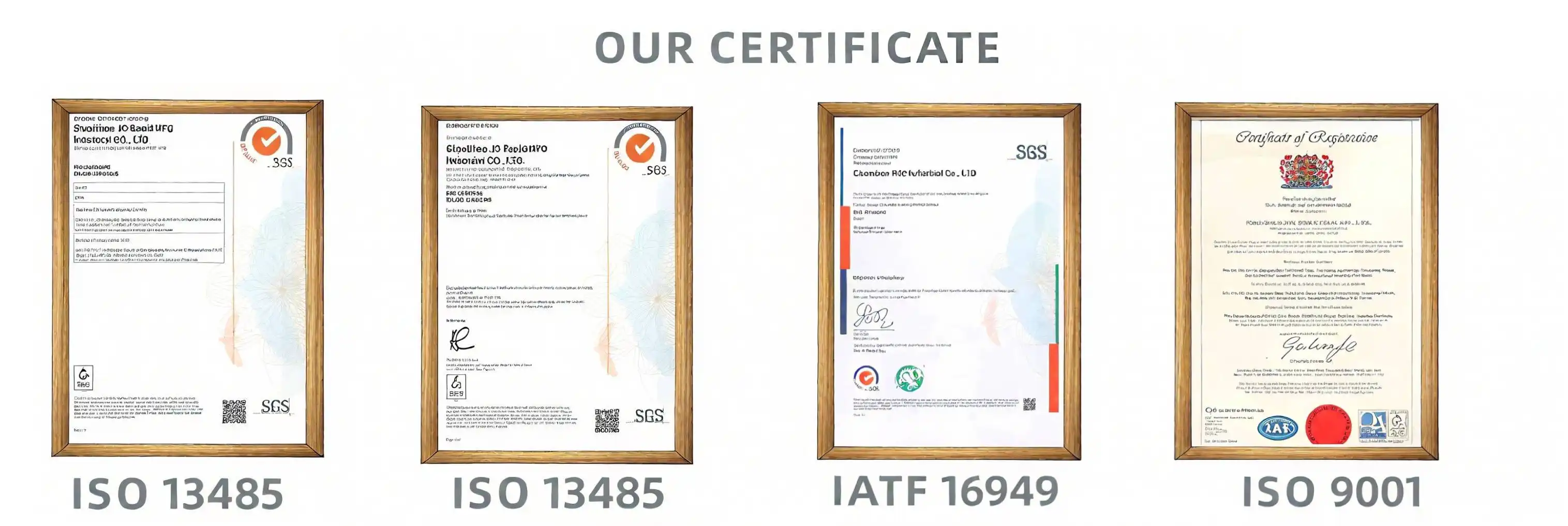
Reputable manufacturers with advanced CNC capabilities and quality certifications provide custom component manufacturing services. Look for suppliers offering ISO 9001:2015 certification and RoHS compliance to ensure quality and environmental standards.
What tolerances can be achieved in Stainless Steel Vehicle Part manufacturing?
Modern CNC machining capabilities enable tolerances as tight as ±0.01mm for critical dimensions. Precision manufacturing ensures proper fit and function in demanding automotive applications while maintaining consistency across production runs.
How do surface treatments affect stainless steel component performance?
Surface treatments enhance specific properties such as corrosion resistance, appearance, and functionality. Passivation improves corrosion resistance, while electropolishing provides smooth finishes that facilitate cleaning and maintenance.
Partner with Junsion for Premium Stainless Steel Vehicle Part Manufacturing
Dongguan Junsion Hardware Co., Ltd. specializes in manufacturing precision Stainless Steel Vehicle Part components that exceed industry standards for quality and performance. Our state-of-the-art facility features 32 advanced CNC machines capable of achieving tolerances as tight as ±0.01mm, ensuring seamless integration with your performance vehicle systems. We utilize premium-grade 304 and 316 stainless steel alloys and offer comprehensive surface treatment options, including passivation, electropolishing, and custom finishes. With ISO 9001:2015 certification and RoHS compliance, Junsion delivers reliable stainless steel vehicle part supplier solutions for procurement professionals worldwide. Contact our engineering team at Lock@junsion.com.cn to discuss your custom component requirements and experience our commitment to quality excellence.
References
1. Anderson, M.K. "Advanced Materials in Automotive Performance Applications: A Comprehensive Guide to Stainless Steel Components." Journal of Automotive Engineering Materials, Vol. 45, 2023.
2. Thompson, R.J. "Corrosion Resistance and Durability Analysis of Stainless Steel Automotive Parts in High-Performance Environments." Materials Science and Engineering Review, Issue 78, 2023.
3. Chen, L.W. "Manufacturing Precision and Quality Control Standards for Automotive Stainless Steel Components." International Journal of Manufacturing Technology, Volume 32, 2023.
4. Rodriguez, S.A. "Cost-Benefit Analysis of Stainless Steel vs. Alternative Materials in Performance Car Upgrades." Automotive Procurement and Supply Chain Management, Edition 15, 2023.
5. Kumar, P.S. "Surface Treatment Technologies for Enhanced Performance of Stainless Steel Automotive Parts." Surface Engineering and Materials Technology, Volume 29, 2023.
6. Williams, J.D. "Thermal Properties and Heat Resistance Characteristics of Automotive Grade Stainless Steel Alloys." High-Temperature Materials Research, Issue 41, 2023.