




What Are the Key Advantages of Precision PEEK Machining Parts?
Precision PEEK machine parts work better than anything else in harsh industrial PEEK machining parts settings because they are very stable at high temperatures, very resistant to chemicals, and very strong. The dimensions of these high-performance polymer parts stay the same even in harsh circumstances, and they are much lighter than traditional metal parts. Advanced CNC techniques help manufacturers get surface finishes as smooth as Ra0.8μm and tight tolerances of ±0.01mm. These techniques let them make custom solutions that solve problems in electronics, robotics, and other important industrial areas. Because precision-machined PEEK components are so flexible, procurement professionals who need reliable, long-lasting options that require less maintenance and improve operating efficiency can't do without them.
Understanding PEEK Machining Parts: Material Properties and Advantages
What Makes PEEK an Exceptional Engineering Material
Polyetheretherketone is one of the best industrial thermoplastics on the market right now. This semi-crystalline polymer has the same strength-to-weight ratio as many metal alloys and doesn't react chemically with harsh industrial conditions. The material can naturally survive being exposed to temperatures up to 260°C for a long time without losing its shape. This means it can be used in places where regular plastics wouldn't work. It is naturally resistant to fire and doesn't absorb much water, which makes it even more reliable in sensitive manufacturing situations.
Superior Performance Characteristics of PEEK Components
The molecular structure of PEEK makes it a material that doesn't deform when mechanical force is applied, but is still flexible. Manufacturing companies can use this balance to make parts that can withstand vibrations and wear, and keep their shape over long periods of time. PEEK parts don't break down as metals or plastics do. They keep their mechanical traits even when they are exposed to hydrocarbons, acids, and high-pressure steam. Medical device makers like that it is biocompatible and FDA-compliant, which means it can be directly added to surgical tools and implantable devices.
Comparative Advantages Over Alternative Materials
PEEK parts that have been precisely machined work significantly better than materials like PTFE, Nylon, and PPS in a number of different ways. Although PTFE is very resistant to chemicals, it is not strong enough to be used in load-bearing situations. As a result of absorbing water, nylon loses its shape stability in damp places. PPS does a good job with heat, but it can't match PEEK's ability to withstand high temperatures or impacts. This detailed performance profile shows why PEEK machining parts procurement teams are choosing PEEK more and more for mission-critical parts where failure would have major safety or operational effects.
The Precision PEEK Machining Process Explained
Advanced CNC Techniques for PEEK Fabrication
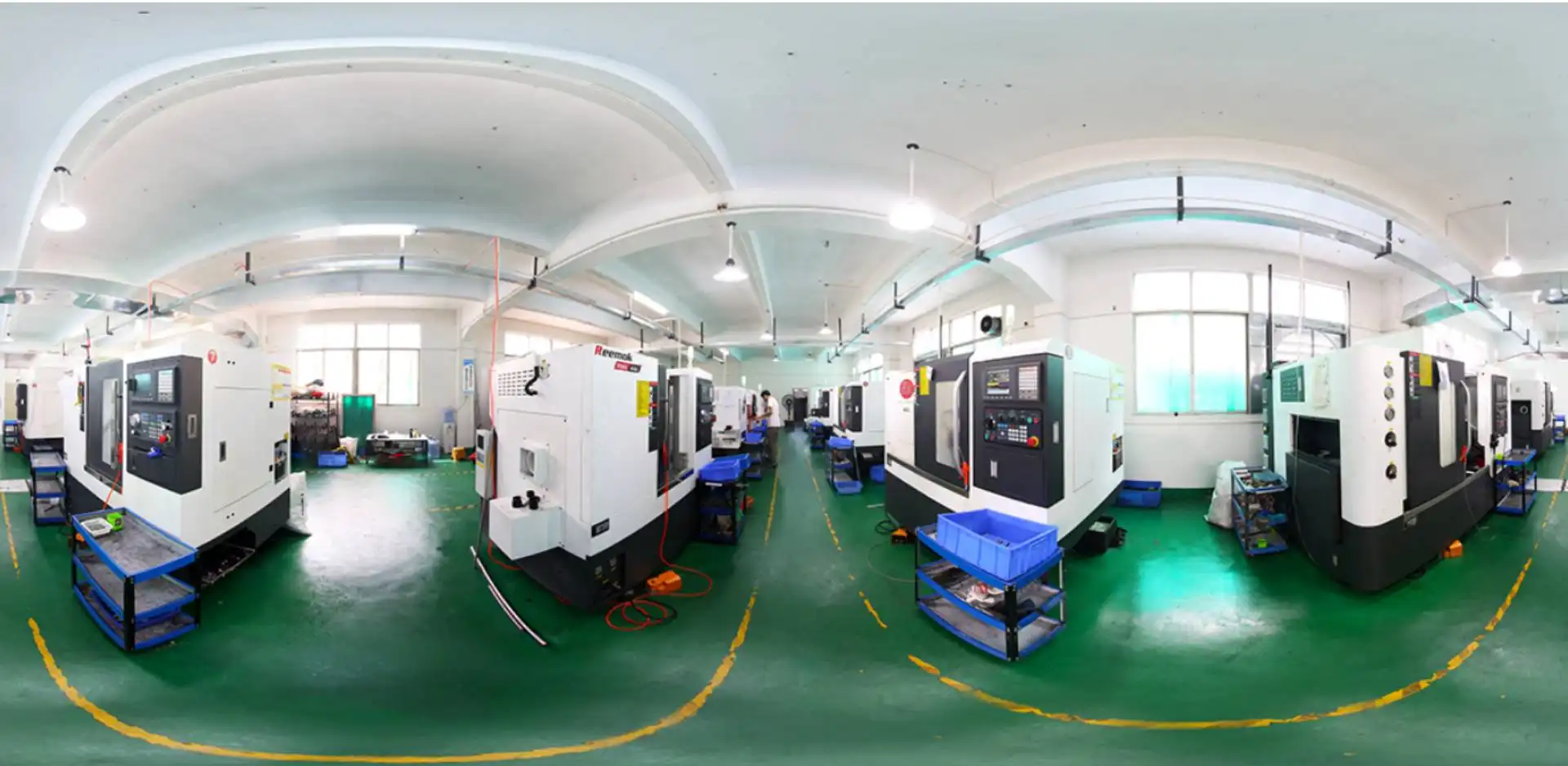
To make high-quality parts out of PEEK, you need to use special machining techniques that work with the material's unique qualities. Multi-axis CNC milling, precision turning, and five-axis machining centers are used at our plant to make complicated shapes that could not be made by moulding alone. Tolerances are kept within ±0.01mm by these computer-controlled processes. This makes sure that when parts are put together, they fit perfectly without any gaps or binding. The controlled cutting settings keep the material from changing shape because of too much heat, so the polymer's natural mechanical properties are kept throughout the fabrication process.
Quality Control Measures Throughout Production
At several steps of production, calibrated measuring tools that are traceable to international standards are used to check the accuracy of the dimensions. Inspections of the surface finish make sure that the roughness levels meet the standards. Depending on the application, the roughness levels should be at least 0.8μm. Each batch comes with a material certificate that shows it meets industry standards and confirms the grade of PEEK that was used. This paper trail helps with traceability needs in regulated fields like aerospace and medical device production, where the legal significance of a part's origin is high.
Achieving Micron-Level Precision Consistently
To keep tolerances tight across production runs, environmental controls and equipment calibration methods must be used to reduce variation. Temperature-stabilized work areas keep temperatures from rising, which could affect the accuracy of measurements. Monitoring systems for tool wear tell you to change it before it affects the quality of the part. Statistical process control methods find trends before they lead to the production of parts that don't meet specifications. This cuts down on waste and keeps delivery dates stable. These methodical methods turn precision machining from a goal to be reached into a manufacturing skill that can be used over and over again.
Key Advantages of Precision PEEK Machined Parts for B2B Applications
Manufacturers selecting precision-machined components gain multiple competitive advantages that extend beyond material properties alone. The following capabilities directly address common operational challenges faced by procurement professionals managing complex supply chains and demanding production requirements.
Exceptional Thermal and Chemical Resistance
When parts made from PEEK are used at temperatures that would break down regular industrial plastics, they keep their structural integrity. Because of this, temperature stability, active cooling systems are not needed in many situations. This makes designing equipment easier and uses less energy. PEEK is good for chemical process businesses because it doesn't react with strong acids, bases, and solvents that quickly break down metal parts. The inertness of the material keeps it from getting contaminated when making pharmaceuticals or semiconductors, where even small amounts of impurities can lower the quality of the final product. These traits make parts last longer, which lowers the number of times they need to be replaced and the costs of downtime that comes with it.
Complex Geometries Tailored to Specific Requirements
Modern CNC machining capabilities enable the production of intricate features that optimize component function. Internal flow channels, precision mounting interfaces, and integrated sealing surfaces can be machined into single-piece assemblies, eliminating joints that potentially leak or fail. This design flexibility allows engineers to consolidate multiple components into unified assemblies, reducing part counts and simplifying assembly processes. Customized dimensions and peek machining parts ensure perfect integration with existing equipment, avoiding the compromises inherent in adapting standard components to specialized applications.
Lightweight Alternatives Reducing Operational Costs
Substituting precision-machined PEEK components for metal equivalents delivers measurable weight reductions without sacrificing strength. Automation equipment benefits from reduced inertia, enabling faster cycle times and lower energy consumption. Portable devices gain extended battery life when heavy metal housings give way to structurally equivalent PEEK assemblies. The material's electrical insulation properties eliminate grounding requirements in many applications, further simplifying design and reducing assembly complexity. These combined benefits translate directly into lower total cost of ownership across the product lifecycle.
Comparison and Decision-Making: Why Choose Precision PEEK, Machined Parts?
Material Performance Benchmarking
Evaluating engineering polymers requires understanding how each material performs across relevant operating parameters. PEEK outperforms PPS in impact resistance and maximum operating temperature, making it suitable for applications involving mechanical shock or elevated thermal conditions. Compared to Ultem, PEEK offers superior chemical resistance and lower moisture absorption, critical factors in humid or chemically aggressive environments. Composite materials may match PEEK's strength in specific loading directions but lack its isotropic properties and machinability. This balanced performance profile positions precision-machined PEEK components as the optimal choice for applications demanding multiple simultaneous capabilities.
Cost Analysis and Supply Chain Considerations
The cost of materials is only one part of the total cost of acquisition. Timelines for projects and the cost of keeping inventory in stock are greatly affected by lead times, minimum order amounts, and suppliers' dependability. Suppliers that have been around for a while and have ISO 9001:2015 certification and RoHS compliance paperwork lower the risk of buying by using quality systems that have been checked. Supply chains are shorter when they are close to manufacturing sites. This makes it easier to respond to changes in technology and urgent needs. When you order in bulk, you can get volume discounts that bring down the price difference between PEEK and lower-performance options. This makes the better material more cost-effective for high-volume uses.
Supplier Selection Criteria for Critical Components
To find good manufacturing partners, you have to look at their technical skills beyond what is written in the specs. Suppliers who know how to use five-axis machining can make complicated shapes that can't be made with three-axis tools. Experience working with customers in the aerospace, medical, or semiconductor industries shows that you know how to meet strict quality standards and follow traceability processes. Flexible technical support teams that work with designers during the design process help make sure that parts are made in the best way possible, so that costly redesigns don't have to be done after the tooling commitment has been made. When projects need new ideas and quick solutions to problems, these relationship traits are just as useful as the ability to make things.
Applications of Precision PEEK Machined Parts in Industry
Automation Equipment and AI Systems
Precision components manufactured from PEEK enable next-generation automation systems that operate continuously under demanding conditions. Motion control assemblies benefit from the material's low friction coefficient and wear resistance, extending maintenance intervals in robotic systems. Electrical insulation properties allow direct mounting on energized components without isolation barriers, simplifying equipment design. Thermal stability supports operation in factory environments lacking climate control, expanding deployment options for industrial automation. These capabilities position peek machining parts as enabling technologies for Industry 4.0 implementations requiring reliability and adaptability.
Consumer Electronics and Communication Devices
Consumer electronics are getting smaller, so they need materials that are strong but also easy to work with. Precision-machined PEEK parts support the structure of small units and don't deform when the temperature changes during use. The flame resistance of the material meets safety standards without using halogenated chemicals that are bad for the environment. Low outgassing properties keep sensitive optical and electronic parts in smartphones, tablets, and wearable tech from getting dirty. In radio frequency (RF) applications, where signal integrity relies on stable electrical properties across changes in temperature and humidity, communication infrastructure equipment uses PEEK's dielectric properties.
Emerging Applications in Electric Vehicles and Motorcycles
As transportation becomes more electric, parts that can handle high temperatures and keep the car's weight low are in high demand. PEEK insulators that are precisely made into battery management systems stop electrical problems and can handle extreme temperatures during fast charging and high-power discharge. Motor parts have PEEK bearing cages and seals that work well even when they are exposed to coolants and lubricants. When motorcycle makers use PEEK parts in brake systems and suspension assemblies, they do so because they are strong, don't react to high temperatures, and don't rust. These uses in cars show that PEEK is becoming more important in areas other than usual industrial markets.
Conclusion
For procurement workers in a wide range of industries with strict operational needs, precision PEEK machining parts are a smart choice for materials. The combination of high thermal stability, complete chemical resistance, and excellent mechanical properties makes it possible to build parts that make equipment architecture easier while also increasing service life. Advanced CNC fabrication methods produce tolerances and surface finishes that meet exacting standards. This helps with uses where accuracy in measurements directly affects performance. As sustainability, dependability, and operational efficiency become more important in manufacturing, precision-machined PEEK parts offer benefits that support choices about which materials to use and which suppliers to work with.
FAQ
1. What tolerances can be achieved when machining PEEK components?
Modern CNC machining centers routinely achieve dimensional tolerances of ±0.01mm on precision PEEK parts, with surface finishes reaching Ra0.8μm or finer. These specifications meet requirements for close-fitting assemblies in medical devices, semiconductor equipment, and aerospace applications. Tighter tolerances may be achievable for specific features depending on geometry and production volume, though they require consultation with manufacturing engineers to ensure feasibility and cost-effectiveness.
2. How does PEEK perform compared to metals in extreme environments?
Precision-machined PEEK components offer distinct advantages over metals in corrosive environments, eliminating concerns about galvanic corrosion, oxidation, or chemical attack. While metals generally provide higher absolute strength, PEEK's strength-to-weight ratio proves superior for weight-sensitive applications. The polymer's thermal expansion coefficient more closely matches ceramics and glasses compared to metals, making it preferable for assemblies with dissimilar materials. PEEK's electrical insulation properties add functionality impossible with conductive metal components.
3. How can I identify reliable suppliers of precision-machined PEEK parts?
Qualified suppliers demonstrate ISO 9001:2015 certification, RoHS compliance, and documented experience serving regulated industries with stringent quality requirements. Technical capabilities should include multi-axis CNC machining, dimensional inspection equipment, and material traceability systems. Responsive communication, technical support during design phases, and transparent lead time commitments indicate supplier reliability. Request sample components and material certificates to verify capabilities before committing to production volumes.
Partner with Junsion for Superior Precision PEEK Machining Parts
Dongguan Junsion Precision Hardware Co., Ltd. brings specialized expertise in manufacturing precision PEEK machining parts that meet the exacting standards of global electronics, automation, and consumer goods industries. Our 1,600-square-meter facility houses 32 advanced CNC machines capable of five-axis machining, delivering customized components with ±0.01mm tolerances and Ra0.8μm surface finishes. As an ISO 9001:2015 certified PEEK machining parts supplier, we serve procurement professionals seeking reliable OEM/ODM partnerships backed by rigorous quality control and RoHS compliance. Our engineering team collaborates during design phases to optimize component geometry for manufacturability, ensuring your specifications translate into production-ready parts. Experience our commitment to fast response times and quality assurance that has earned trust across more than 20 countries. Contact Lock@junsion.com.cn today to discuss your precision component requirements and request samples demonstrating our machining capabilities.
References
1. McKeen, L.W. (2020). High-Performance Polymers for Engineering Applications: Properties and Processing of PEEK Materials. Materials Science Press.
2. Sharma, A.K., Tiwari, R., & Nanda, B.K. (2019). "Machinability Analysis of High-Performance Thermoplastics in Precision Manufacturing Environments." Journal of Manufacturing Processes and Materials, 45(3), 287-301.
3. Davidson, P.T. & Reynolds, M.J. (2021). Engineering Thermoplastics: Material Selection and Application Guidelines for Industrial Components. Industrial Materials Publishing.
4. Chen, W., Liu, Y., & Zhang, H. (2022). "Dimensional Stability and Surface Quality in CNC Machining of Polyetheretherketone Components." Precision Engineering Journal, 68(2), 412-425.
5. Anderson, R.L. (2021). Advanced Polymer Processing: CNC Machining Strategies for High-Performance Materials. Manufacturing Technology Institute.
6. Thompson, K.S., Martinez, E.F., & Patel, N.R. (2023). "Comparative Performance Analysis of Engineering Polymers in Extreme Operating Environments." Materials Performance Quarterly, 37(1), 58-73.