




What Finishes Are Popular for Bag Belt Metal Buckles?
The kind of finish of the metal buckle on a bag belt will determine how long it lasts, how it looks, and how well it works over time. People like chrome and nickel finishes for everyday use. A lot of people like anodizing, PVD, Bag belt metal buckle, and black oxide coats for high-end uses. The parts look good, don't rust, and can stand up to wear and tear thanks to these surface treatments. When procurement managers look for parts for the tech, consumer items, and transportation businesses, these are all important things to keep in mind. When you know about the different finish choices, you can make smart decisions that match functionality with the style of your business.
Understanding Metal Buckle Finishes: An Industry Overview
A metal clip finish is the last step in making hardware parts useful, attractive, and long-lasting. These steps at the end protect against damage from the surroundings, make things feel better, and make the brand look better. The finish of a bag belt metal buckle determines how well it will hold up against normal wear and tear, water, pressure, and temperature changes.
The Role of Finishes in Performance and Longevity
How the surface is treated has a direct effect on how buckles break down. Anodizing aluminum metals creates an oxide layer that is tough and doesn't easily scratch or mix with chemicals. Chrome or nickel are two types of metal that are added to base metals during electroplating to make them smooth. To change the straps, this is better. When you polish, you make surfaces smooth, so they look like mirrors. This makes them look better and keeps dirt from adding up. Each method focuses on a different set of performance factors, such as how well it resists corrosion in wet places and how well it handles wear and tear for high-friction uses like bag straps and outdoor gear.
Key Raw Materials and Their Finish Compatibility
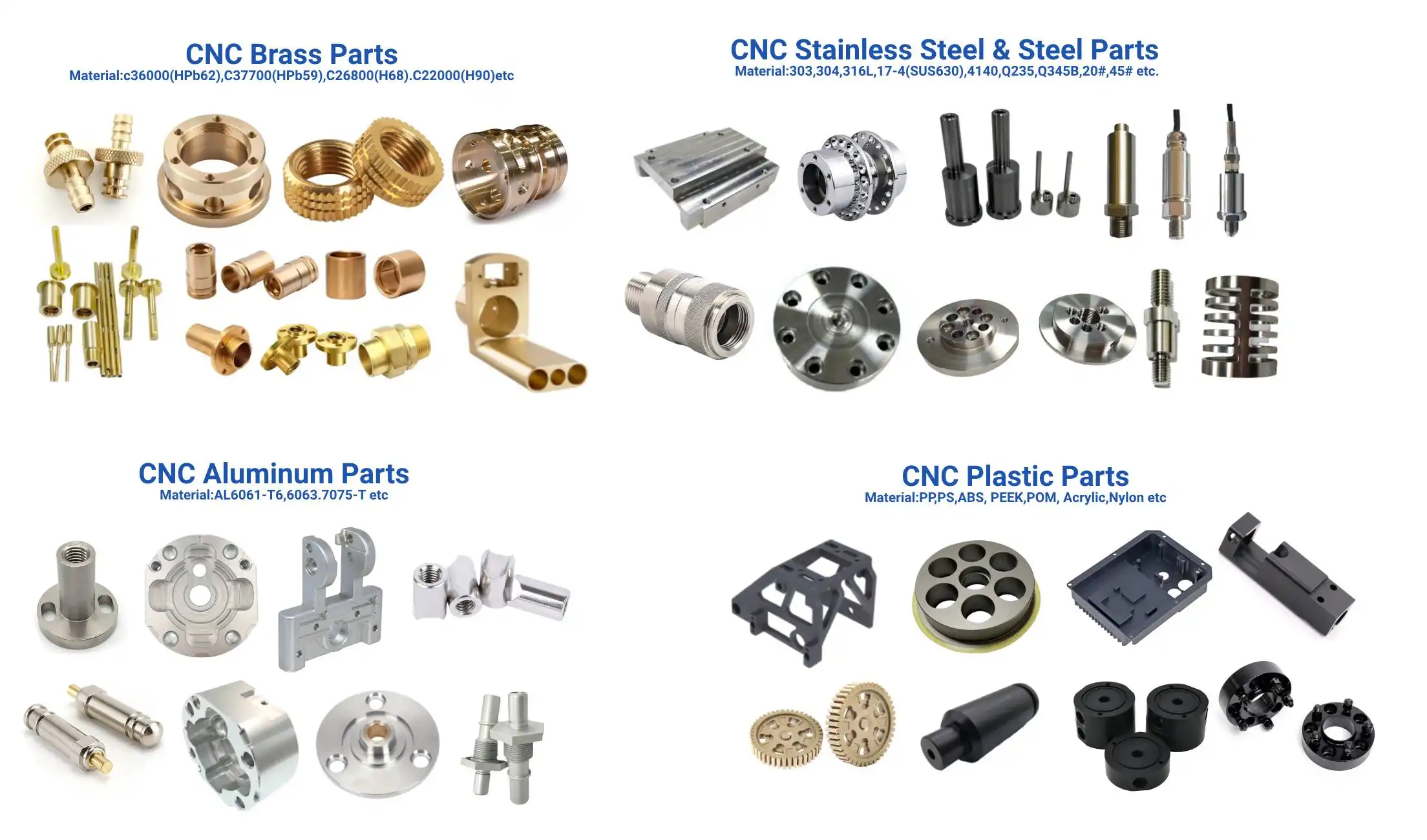
Based on the material, you can choose which finishes work best. Zinc metal clips are a cheap way to get chrome and nickel finishes because they are simple to set with electricity. Steel that has been polished or brushed looks better than steel that has not been polished or brushed. Antiquing is a way to give brass a worn look, and anodizing and powder painting are great ways to age aluminum metals, especially 6061, 6063, and 7075 types. At Dongguan Junsion Precision Hardware Co., Ltd., we use aluminum metals a lot because they are strong for their weight and can be finished with high-tech methods such as electrolysis, anodizing, and cutting.
Overview of Finishing Technologies
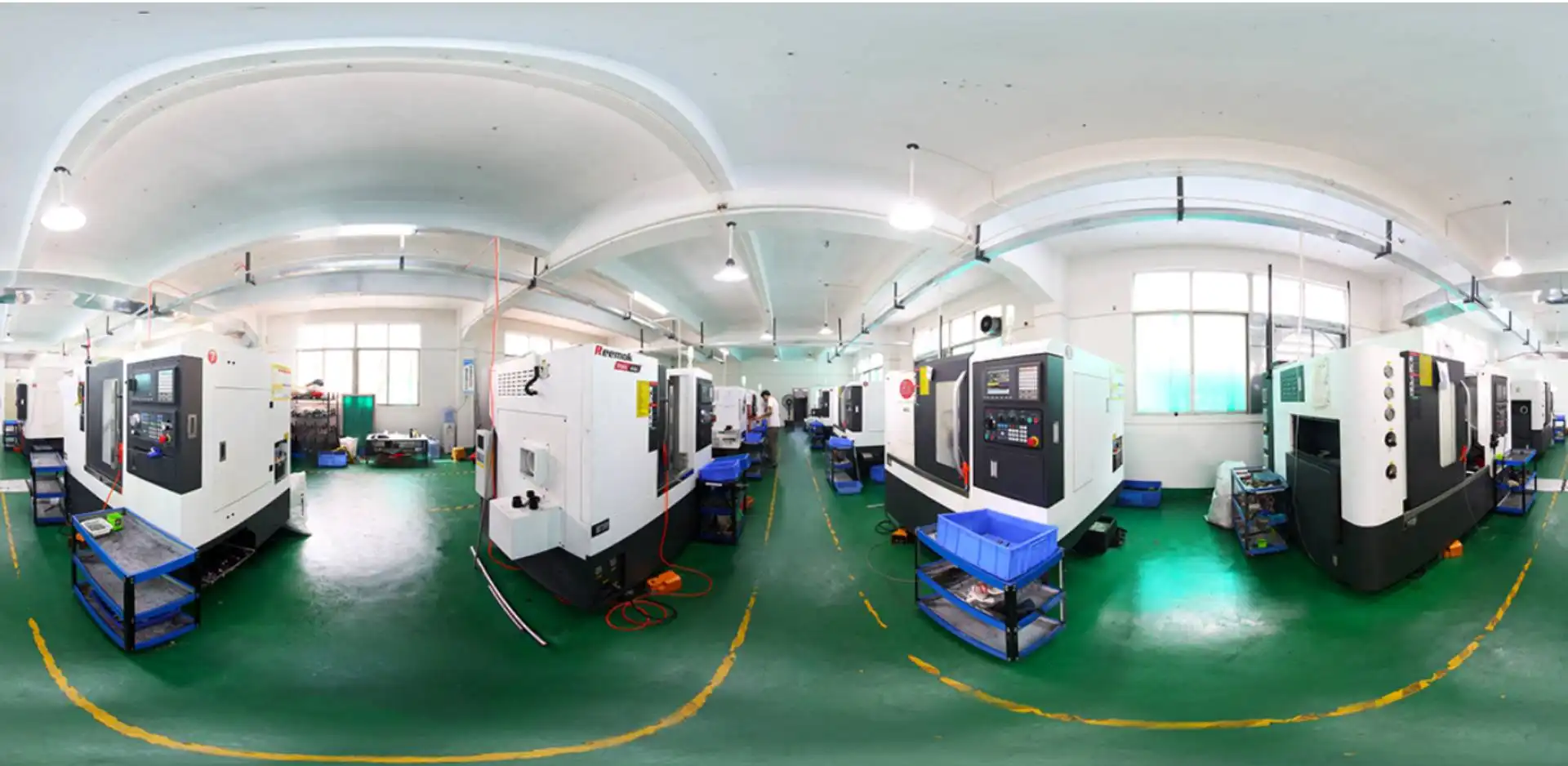
In modern business, different finishing methods are used to meet both functional and aesthetic needs. Electroplating adds layers of metal by using electrolytic deposition. This makes surfaces that are smooth, highly conductive, and shiny. Anodizing is a process that uses electricity to add metal layers to aluminum surfaces. You can brand these layers because they last a long time and don't change color. Powder coating is a way to set dry color bits that get hard when heated. The result is surfaces that are thick and won't chip. Abrasive chemicals are used in polishing to make surfaces physically smooth. It is possible to get hardness limits as low as Ra0.8μm. Our 1,600-square-meter center has 32 high-tech CNC tools that help us keep the standard at this level. Teams that buy things can pick styles that meet ISO 9001:2015 and RoHS standards with these tools.
Popular Metal Finishes for Bag Belt Buckles: Dimensional Analysis Approach
You need to know what bag belt metal buckle how the finish looks like and how it works for different types of people in order to pick the right one. This part sorts into groups based on how they look and how well they work. This will help people who work in buying things match surface treatments to the things they'll be used for.
Classic Polished Finishes
Most people choose chrome, nickel, or silver for the finish on their bag belt metal buckle because they look good on many types of belts. Chrome plating makes the surface shiny and mirror-like, and it looks great with both leather and man-made materials. This makes it great for fashion things like handbags, briefcases, and more. Nickel coating has a similar shine, but the tones are a little warmer, and it lasts longer than other ways. It works well for average items that need to be cheap and last a long time. A beautiful finish that people like on expensive items is silver plating. However, they need to be cleaned and shined every so often to keep them from rusting. Classic styles are still popular because they make things look more valuable without making the cost of making them go up a lot. This is helpful for OEM makers who need to keep costs low.
Matte and Brushed Options
Finishes like smooth, chrome, and old ones are liked by designers who want unique textures and a simple elegance. Fine sanding tools are used to make surfaces that are smooth and soft for satin finishes. They feel good when you touch them and don't stand out. The polishing or blackening processes used to make gunmetal finishes give things a dark, industrial look that is popular in both military gear and current fashion. Chemical patina and controlled rusting are popular ways to give things an old look that makes them look like they were made by hand in the past. This is why they look great on retro-styled items. These smooth options also make it harder to see surface flaws like fingerprints. This makes it easier to check the quality of a lot of goods at once.
Specialized Coatings for Premium Applications
People use advanced surface processes like black oxide, gold plating, and Physical Vapor Deposition (PVD) coats when they need something to last a long time and be special. Black oxide changes chemicals to make dark areas that don't rust. Heavy-duty suitcases and bags made for the military will love it. Gold finishing only works on the most expensive bags and fashion accessories, but it makes them look more expensive. PVD coats use pressure tanks to lay down very thin layers of metal. These finishes are scratch- and fade-resistant and come in a lot of different colors. When our clients at Junsion need long-lasting performance in industrial equipment, medical devices, or aerospace uses, they come to us for help. These one-of-a-kind finishes cost more, but they're worth it in the long run.
Emerging Trends: Rust-Resistant and Eco-Friendly Finishes
Laws and promises to be more environmentally friendly are making it more important to find goods that work well and don't hurt the earth too much. Water-based powder paints don't have any volatile organic compounds (VOCs), so they can follow RoHS rules without changing the color or the way they stick together. Standard electroplating uses more heavy metals than electroless nickel plating. This makes it appealing to businesses that want to get green approvals. Anodizing metal is a good way to meet sustainability goals because it doesn't make a lot of trash, which is bad for the earth. More and more, buying managers are choosing eco-friendly finishing, both to follow the law and to make the company's story more interesting to customers who care about the environment.
How to Select the Ideal Finish for Your Bag Belt Metal Buckle
Before you choose a finish, you should make sure that the surface treatment meets the needs of the product, the way it will be used, and the people you want to buy it. This system shows hiring workers important selection factors that help them make choices.
Defining Your Procurement Scenario
First, make it clear what you want to do with the bag belt metal buckle, and your clips. Finishes that are good at resisting rust and wear should be used on heavy-duty items like suitcase straps, tool belts for the workplace, and outdoor bags. For this job, anodized metal or black oxide processes work best since they are strong and don't change the environment. You can choose shiny chrome, satin nickel, or tarnished brass for fashion items like belts and wallets that are all about how they look. For everyday carry things, finishes like powder-coated or brushed stainless steel that offer average longevity and good looks are a good choice. If you explain your case right away, you can avoid problems that cost a lot of money when the skills don't meet performance standards.
Core Evaluation Metrics
Four main things should help you decide which goods to buy: how they look, how long they last, how much they cost, and how well they meet environmental standards. Things that make something look nice are how well the colors go together, how smooth the surface is, and how well the finishes fit other materials in the area. A product's longevity shows how well it will hold up against wear, rust, and color loss over the course of its normal lifecycle. When things get wet, UV rays hit them, or they are handled a lot, this is very important for a bag belt metal buckle. Cost efficiency looks at how much it costs to finish something in the first place and how much it costs to fix or replace something. Environmental compliance checks make sure that laws like VOC, RoHS, and REACH are being followed. With Junsion's exact engineering, margins of up to ±0.01mm and surface roughness of up to ≤ Ra0.8μm can be reached. This makes sure that the finished clips meet very strict standards in all four ways.
Comparative Analysis Through Case Examples
Here are three examples of how finish choice thinking works. If a company makes suitcases for frequent visitors, the buckles need to be strong enough to handle being handled by airport security, being out in the weather, and being changed many times. Anodized 7075 aluminum with Type III hard-coat anodizing is the most resistant to wear and rust. A person who makes expensive bags focuses on making their name stand out and making their items rare. They do this by using PVD gold-tone finishes that stay shiny without fading, which lets them charge more. When a company gives away tote bags at trade shows, they need cheap buckles to go on them. The most durable and attractive metal is electroplated zinc with a bright nickel finish. It also costs the least per unit. What the customer wants and how the product is positioned can change the style choices that are made.
Tailoring Choices to Procurement Profiles
People who buy in different ways value different aspects of the finish more than others. OEM makers put a lot of emphasis on regularity, scalability, and safety standards so that they can support large production runs with few changes. Trendy looks like shiny chrome and brushed nickel are liked by distributors because a lot of people can use them. People who buy in bulk and care about cost-per-unit pick medicines that are cheap and work as well as they should. When you talk to buyers, letting them know your buying profile helps them focus on the skills you value most, such as fast prototyping, custom color matching, or quality assurance from batch to batch. Modern CNC, EDM, and five-axis cutting tools are used by Junsion's team to work with all three types of people to come up with unique solutions that balance performance with the ability to make money.
Benefits and Challenges of Each Metal Buckle Finish
Every way of ending comes with a cost: it works better, but it can only be used in certain ways. If procurement managers know about these things, they can make specs better and plan for problems that might come up at work.
Durability Factors and Maintenance Requirements
Many metal finishes last a long time because they don't scratch easily and keep their color with little care—every once in a while, a few wipes with a mild cleanser will do the trick. It doesn't wear down very quickly because of the chrome finish, but if it gets hit hard, it can chip, which could let base metals rust. Powder coats protect well and don't chip or fade, but cracked or broken areas need to be fixed or polished. Black oxide processes can help keep things from rusting in dry places, but they don't work as well at the coast or in places with a lot of humidity without extra covering. By making sure the bag belt metal buckle finish lasts as long as it's supposed to, early mistakes that hurt the brand's reputation and make guarantee costs go up can be prevented.
Financial Impact: Initial Costs Versus Long-Term ROI
The finish you choose has a big effect on how much it costs to own in total. Finishing and electroplating are less expensive options that may work for people who want to save money, but they may need to be changed more often. Anodizing and powder finishing cost more to begin with, but they make things last longer, which means they don't need to be changed as often and are easier to throw away. Even though PVD coats cost more, they last longer and need less maintenance, so they're a good choice for high-value uses. Not only do finishes cost money, but they also change how people feel about a brand. For instance, premium surface processes let you charge more for your products, which raises the profit rates across all of them. We help our customers figure out these money issues by giving them detailed quotes that show how much the materials, handling, and finishing will cost. This helps with making plans.
Supply Chain Considerations
There are a lot of different lead times for each ending step. Standard electroplating usually takes three to five extra business days to finish a project. Certain finishing steps, like PVD finishing or special anodizing colors, can make something take two to three weeks longer to make. The plan is also changed by personalization options such as laser engraving, brand stamping, or custom color formulas. It's also important to have the right materials on hand. Issues with nickel, chrome, or certain paint chemicals can make finishing work take longer. Junsion stays in touch with approved finishing partners and keeps common materials on hand to avoid delays. This helps us keep the quick promises that procurement managers have to make when they are planning events that need to happen quickly. Because we're certified to ISO 9001:2015, we know that our process controls are always the same. This means that wait times for return orders stay the same.
Conclusion
To choose the right finish for bag belt metal buckle components, you have to think about your own style, how well the clips will work, your budget, and the surroundings. There are many people who like the shiny look of chrome and nickel. Coats that are made just for tough situations, like anodizing and PVD, make things last longer. Professionals in buying can use evaluation models that are organized and take into account different types of use, evaluation criteria, and the skills of the service. When people worry more about the environment, eco-friendly finishing options become more important in figuring out what is needed. Working with exact manufacturers that offer advanced cutting, a variety of finishing technologies, and strong quality systems ensures that buckles meet high standards all over the world for how long they last, how useful they are, and how nice they look.
FAQ
1. Which finish works best for outdoor or heavy-duty applications?
The black oxide and anodized metal methods are great for use outside because they don't rust or wear down as quickly. The best way to protect belts from water, UV light, and normal wear and tear is with Type III hard-coat anodizing. This makes it great for carrying camping gear and other things.
2. Can buckle finishes be customized for branding purposes?
Of course. Laser printing, unique anodizing colors, and mixed finishes can help a brand stand out. To support brand identity while still meeting performance standards, we work with our clients to make one-of-a-kind surface finishes with names, specific color choices, and different textures.
3. What are the best practices for cleaning metal buckles to extend their lifespan?
Light soap, water, and soft brushes can be used to clean smooth surfaces. Do not use rough cleaners that damage finishes. To avoid water spots, let things dry all the way after cleaning. Each so often, wax should be used to protect polished surfaces so they stay shiny and don't rust.
Partner with Junsion for Superior Bag Belt Metal Buckle Solutions
You can get bag belt metal buckle products from Dongguan Junsion Precision Hardware Co., Ltd. They can give you parts that are made just right and have all the features you need. Our current CNC, EDM, and five-axis cutting tools let us make buckles out of 6061, 6063, and 7075 aluminum metals with a surface roughness of 0.8μm or less and tolerances of up to ±0.01mm. We finish things in many different ways, such as by anodizing, spray coating, grinding, plating, and more, so we can meet the needs of many different businesses, from consumer electronics to automation equipment. Send us an email at Lock@junsion.com.cn to tell us about your needs and get samples that show how dedicated we are to quality, durability, and customer satisfaction.
References
1. Smith, J. & Anderson, M. (2021). Surface Engineering for Hardware Components: Modern Finishing Technologies. Manufacturing Press International.
2. Chen, L. (2020). "Comparative Analysis of Electroplating and Anodizing for Aluminum Alloy Hardware." Journal of Precision Manufacturing, 15(3), 112-128.
3. Roberts, P. (2022). Material Selection and Surface Treatment in Consumer Goods Manufacturing. Industrial Publishing Group.
4. Thompson, K. & Wu, H. (2023). "Environmental Compliance in Metal Finishing: RoHS and Beyond." International Journal of Sustainable Manufacturing, 8(2), 45-63.
5. Martinez, R. (2021). The Complete Guide to Hardware Finishing Processes for Product Designers. Technical Design Publications.
6. Zhang, Q. & O'Brien, S. (2022). "Cost-Benefit Analysis of Premium Coating Technologies in B2B Hardware Markets." Global Procurement Quarterly, 19(4), 201-218.