




How Do Plastic Gear Parts Perform Under Load Stress?
The tensile strength of Plastic gear parts can range from 50 to 90 MPa, based on the material used. When these thermoplastic parts are loaded and stressed, they behave specially: they spread forces through elastic flexibility instead of hard resistance. Modern engineering-grade plastics, such as nylon and acetal, are very good at resisting wear and keeping their shape even when they are loaded and unloaded many times. Their effectiveness depends on the exact shape of the teeth, the materials used, and the climate in which they are used. This is why procurement managers need to do their research before making a choice.
Understanding Plastic Gear Parts Under Load Stress
In the last twenty years, polymer-based gear systems have changed a lot. Thermoplastic materials like nylon (polyamide), acetal (polyoxymethylene or POM), and polycarbonate are used in these parts to transmit mechanical power in a variety of industrial settings.
Material Properties That Define Load Performance
Polymer gears behave mechanically very differently from their metal cousins. The tensile strength of engineering-grade thermoplastics is usually between 50 and 90 MPa, and the elastic stiffness is usually between 2 and 4 GPa. When twisting and rotational forces act on parts, these qualities have a direct effect on how they react. Dongguan Junsion Precision Hardware Co., Ltd. designs gear solutions with carefully chosen thermoplastics that work best under certain load conditions. CNC turning and grinding are used in our manufacturing process to keep limits of ±0.01mm. This makes sure that stress is evenly distributed across all tooth surfaces. This level of accuracy has a direct effect on how gears work and how they handle mechanical loads.
Temperature and Environmental Factors
The temperature at which the polymer is used has a big effect on its mechanical qualities. When temperatures rise from 20°C to 80°C, most engineering thermoplastics lose 20 to 30 percent of their tensile strength. Because of this temperature sensitivity, the application needs to be carefully thought through during the planning process. In plastic gear sets, lubrication does two things. Proper lubrication not only lowers friction coefficients but also gets rid of heat, keeping material qualities in the best ranges. Our expert team at Junsion can give you a lot of information about choosing the right oil for your needs.
Stress Distribution and Tooth Geometry
Metal gears need to be very hard so as not to wear down, but polymer gears need to have tooth shapes that are perfectly shaped to spread loads equally. The shape of the involute tooth stays the same, but changes to the pressure angles and tooth width ratios can make the load capacity much higher. Researchers have found that raising the pressure angle of plastic gear parts from 14.5° to 20° can make the load spread about 15% better.
Comparing Plastic Gear Parts Vs Metal Gears Under Load Stress
Choosing between plastics and metals as a material is a very important choice for engineering teams. Each type of material has its own benefits that depend on the needs of the activity.
Performance Characteristics in High-Torque Applications
Metal gears are usually used for high-torque tasks because they are stronger than Plastic gear parts, and they don't bend easily. In small forms, steel gears can handle power values higher than 500 Nm, while polymer gears usually work best below 50 Nm. But this similarity needs to be understood in the context of the other two. Polymer gears work great in situations where reducing noise is important. Studies show that when the same conditions are used, Plastic gear parts make 5–10 dB less noise than metal gears of the same type. This better soundproofing comes from the material's natural ability to receive vibration energy instead of sending it through the joint.
Weight and System Efficiency Advantages
Comparing densities shows strong advantages. The density of engineering thermoplastics is usually between 1.1 and 1.4 g/cm³, while the density of steel is 7.85 g/cm³. This difference in weight means that the vehicle has less inertial loads, uses less energy during acceleration cycles, and has less bearing loads all over the engine. When properly oiled, Junsion's precision-manufactured parts have surface roughness values of Ra0.8µm or better, which means that friction coefficients are kept to 0.15 to 0.25. Because they have low friction, these parts make the system 3–5% more efficient overall than metal gear sets in some situations.
Failure Modes and Predictability
Metal gears usually break because of surface wear and tear processes called pitting and spalling that happen slowly over millions of cycles. Different types of failure can happen in polymer gears, such as tooth wear, plastic deformation under long-term loads, and tooth fractures, sometimes under shock loads. The fact that polymer gear failure can be predicted is useful in real life. Visual inspection can show how wear is progressing, which lets maintenance teams plan replacements ahead of time. Failures of metal gears can sometimes be very bad, and they can spread damage to other parts nearby.
Cost Analysis Throughout Product Lifecycle
The initial purchase prices are much lower for polymer solutions. Gear-quality steel costs between $3 and $8 per kilogram, while industrial thermoplastics cost between $5 and $15 per kilogram. But polymer gears don't need extra steps like heat treatment and surface strengthening, which cuts the cost of making them by 30 to 40 percent. The cost of maintenance is another thing to think about. In many situations, polymer gears work well without being oiled, which saves money on grease and the work that goes along with it. When lubrication is used, the lower friction makes repair times longer, which lowers the total cost of ownership.
Designing and Selecting Plastic Gear Parts for Load Stress Optimization
To make reliable answers, good component design combines the concepts of material science, mechanical engineering, and manufacturing.
Optimizing Tooth Geometry for Stress Distribution
Changing the tooth shape has a big effect on the load capacity. Increasing the face width spreads forces over a bigger touch area, which lowers stress amounts in one place. Based on engineering figures, doubling the face width can boost load capacity by 60–70%. However, this relationship starts to lose its strength after a certain ratio. Tooth thickness has a direct effect on strength as well. Standard gears are made with well-known involute shapes, but Plastic gear parts have slightly bigger tooth sections that keep them from deflecting when they're loaded. Our engineering team at Junsion uses finite element analysis to find the best values for these factors based on the needs of each application.
Material Selection Criteria
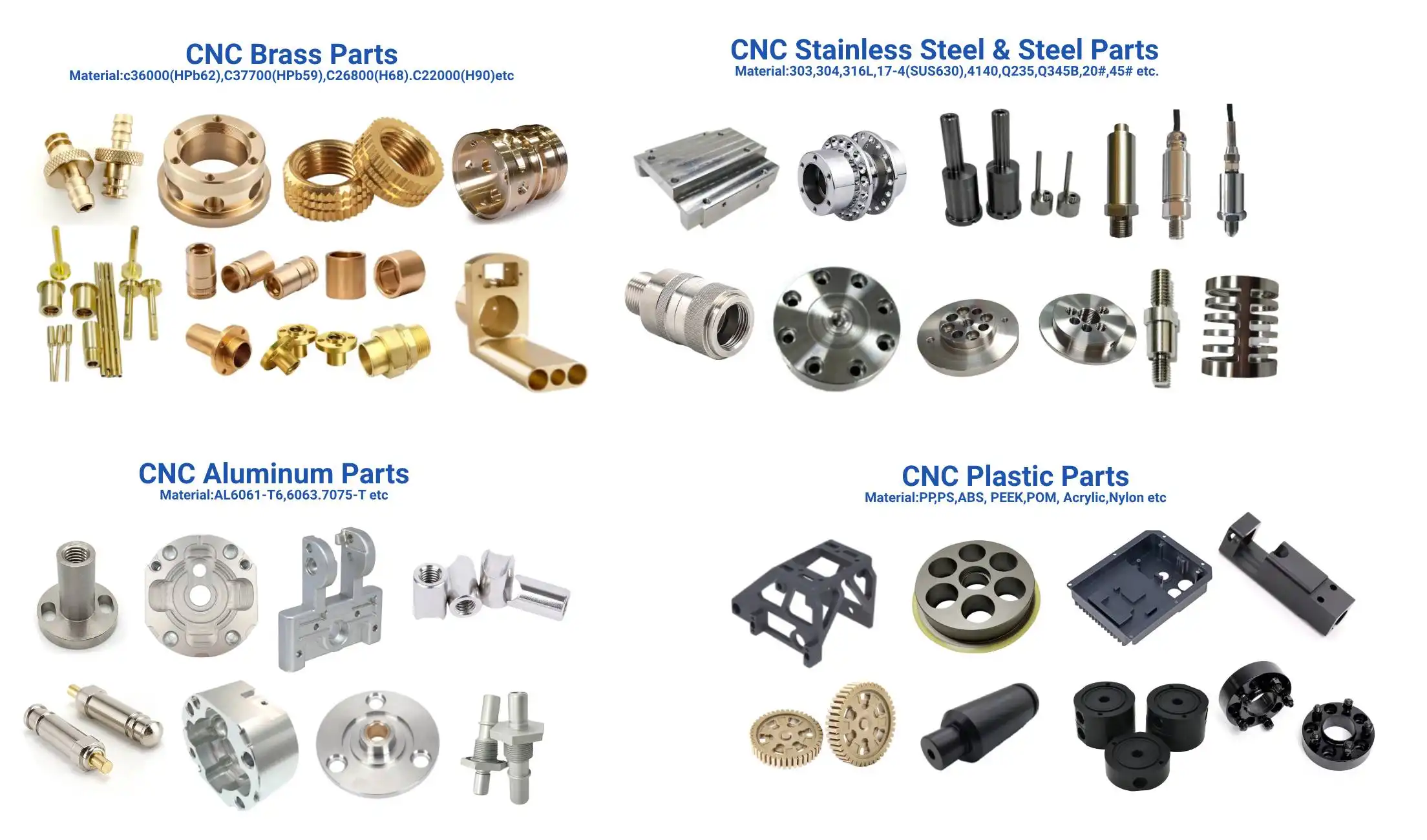
To pick the right thermoplastics, you have to balance a lot of different qualities. Acetal (POM) is great for precision uses in settings with changing humidity levels because it keeps its shape well and doesn't absorb water easily. Nylon is better at resisting impacts and maintaining its power over time, so it works well in situations where shock loads are present. Acetal (POM), because it has a low temperature expansion index, is very accurate in terms of size. This substance keeps its tight limits over a wide range of temperatures, which makes it ideal for instrumentation drives and precise positioning systems. Its low friction coefficient of about 0.20 against steel makes it last longer when used continuously. Nylon (Polyamide), which is also known as polyamide, is very tough and durable. This material is good at absorbing impact energy, which keeps parts further down the line safe from shock loads. The material's slight flexibility under pressure keeps stress concentration spots from forming, which would cause cracks. Nylon works especially well in situations where it is only used sometimes and is loaded in different ways. Polycarbonate has the best impact protection when it comes to popular gear materials. Even though it doesn't have as good rubbing properties as acetal or nylon, this material is very tough, so it can be used in places where sudden overloads happen. At Junsion, choosing materials starts with a full study of the application. To help you choose the best polymer, we look at things like working speeds, load features, temperature ranges, and external factors. Our flexible method makes sure that every part works perfectly in the situations it was made for.
Manufacturing Precision and Quality Control
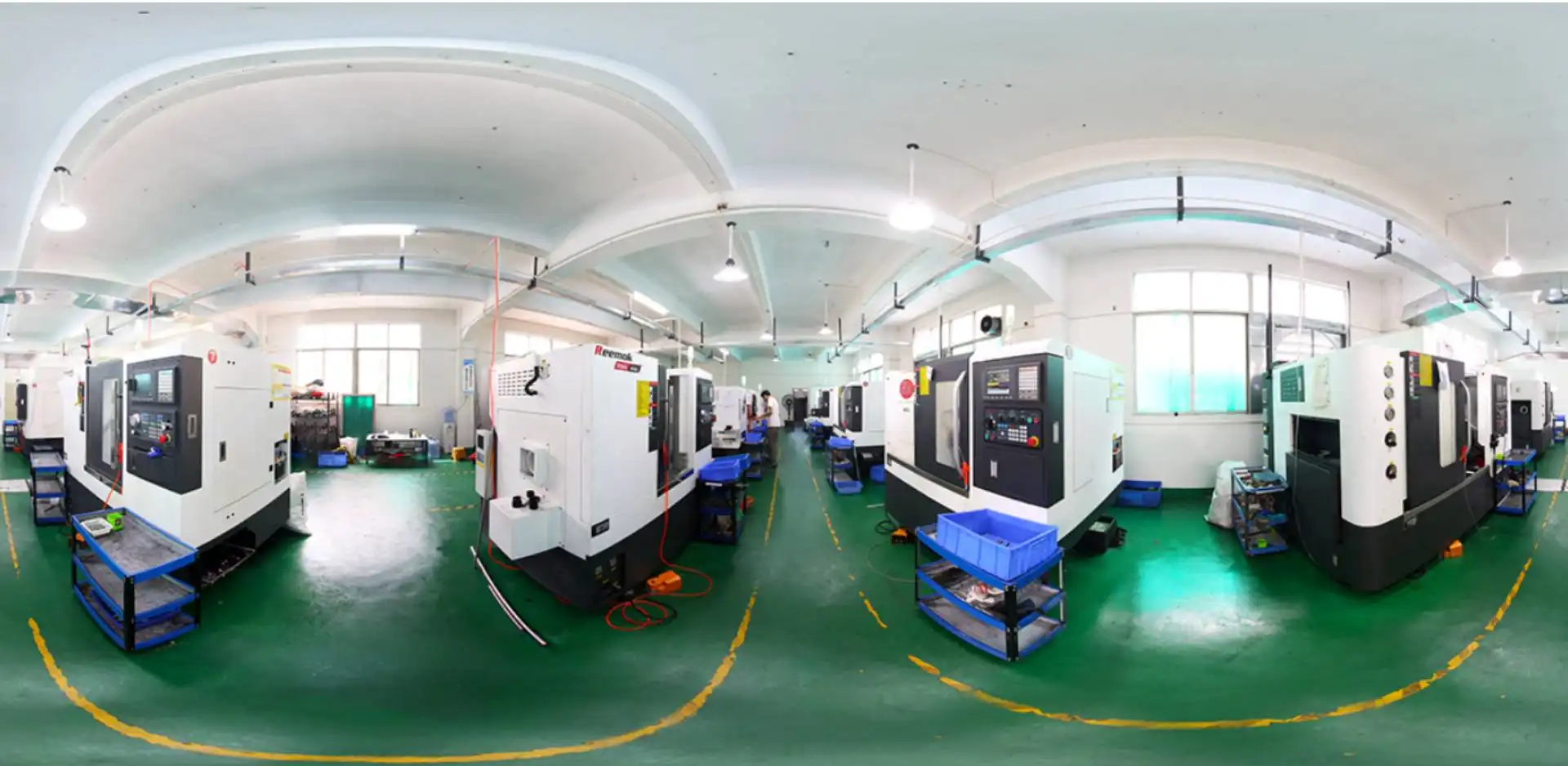
For making a lot of polymer gears, injection casting is the main way that they are made. When the right rules are in place, this process is very consistent. We have 32 modern CNC machines in our 1,600-square-meter building in Dongguan. These machines provide repeatable dimensional accuracy, which is necessary for solid mechanical performance. For making prototypes and small to medium-sized batches, CNC cutting is better than other methods. This method of subtractive manufacturing gets rid of the internal pressures that are sometimes created during injection molding, which could make the plastic gear parts more resistant to wear. Tolerances of ±0.01mm are possible with our CNC machines, and surface finishes can reach Ra0.8μm. This makes sure that the tooth surfaces are smooth, which reduces wear. Quality control is done at every stage of production. Coordinate measuring tools are used for dimensional inspection to make sure that the tooth profiles fit the design specs. Material proof testing makes sure that the thermoplastics that come in meet the standards for mechanical properties. Load testing on sample parts makes sure that statements about speed are correct before full production starts.
Surface Treatment Options
Post-processing improves the performance of polymer gears in tough situations. Many thermoplastics work fine without any changes to the surface, but some processes make some properties better. Coatings lower friction ratios even more and make things less likely to wear down. Coatings made of PTFE reduce friction to about 0.10 and protect against chemicals. You can't use lubricants in food preparation or medicinal uses, but these treatments work just as well. Painting, wire drawing, and special finishes that improve efficiency are some of the surface treatments that Junsion can do. Together with our customers, we figure out which treatments give them the most measurable benefits for their needs.
Real-World Applications and Case Studies
Thermoplastic gearing systems are used in many different businesses, and each one has its own mechanical needs and operating difficulties.
Automotive Applications
These days, cars use polymer wheels in many different ways. Small polymer gears power window lift systems and are used millions of times over the life of a car. The material works quietly and doesn't rust in damp places, which are both good for these uses. Moving parts for adjusting seats are another popular use. For these systems to work, the gears need to be able to handle irregular loads and keep their place accurately. Because engineering thermoplastics are self-lubricating, they don't need grease, which can stain clothes or make car seats smell bad.
Consumer Electronics and Appliances
Polymer gears are used a lot in home products. Transmissions in washing machines, drives for mixers, and printer devices can all benefit from being light and quiet. One big appliance maker cut warranty claims by 23% when they switched their mid-range products from metal gear units to properly designed Plastic gear parts. We made unique helical gears for a new smart home gadget for a company that makes consumer electronics. For this purpose, the motor had to be very quiet (below 35 dB) and have enough power to move motorized blinds. Our engineers chose a glass-filled nylon material and made sure the helix angle was just right to cut down on noise. The final assembly met all performance goals and cut the cost of parts by 18% compared to the metal version that was first suggested.
Medical Device Integration
When it comes to medical equipment, it needs to be very reliable and easy to clean. The parts that allow surgical robots to move are made with precision polymer gears. These parts must stay in place within 0.05 mm and work easily during thousands of surgical treatments. A company that makes orthopedic devices called Junsion asked for gears for a new powered surgery tool. For the job, it had to be resistant to autoclave cleaning, work smoothly at low speeds, and be small. We came up with an answer using PEEK (polyetheretherketone) material and changed the shape of the teeth. The parts that were made were able to withstand more than 500 rounds in the autoclave and still work smoothly.
Industrial Automation and Robotics
Polymer bearing methods are very important for collaborative robots (cobots). Because these tools work with people, safety and quiet operation are very important. The flexibility of thermoplastic gears makes them safer—when they're under too much stress, they bend a little instead of becoming hard and possibly dangerous. Our accurate spur gears were built into a new high-speed cartoning system by a company that makes packing equipment. The application needed to work reliably at 300 spins per minute with little upkeep. Their repair team said that after 18 months of nonstop use, there had been no gear-related breakdowns and that regular checks showed that wear was progressing slowly.
Logistics and Material Handling Equipment
Polymer gears are used in the drive mechanisms of conveyor systems and automatic storage solutions all over their structures. The ability of thermoplastics to prevent corrosion is important in these situations, especially in food preparation and drug distribution settings where cleaning is often done.
Procurement Guide: Buying Plastic Gear Parts That Withstand Load Stress
Choosing the right manufacturing partner is what makes the difference between successful and unsuccessful uses of polymer gears.
Certification and Quality Standards
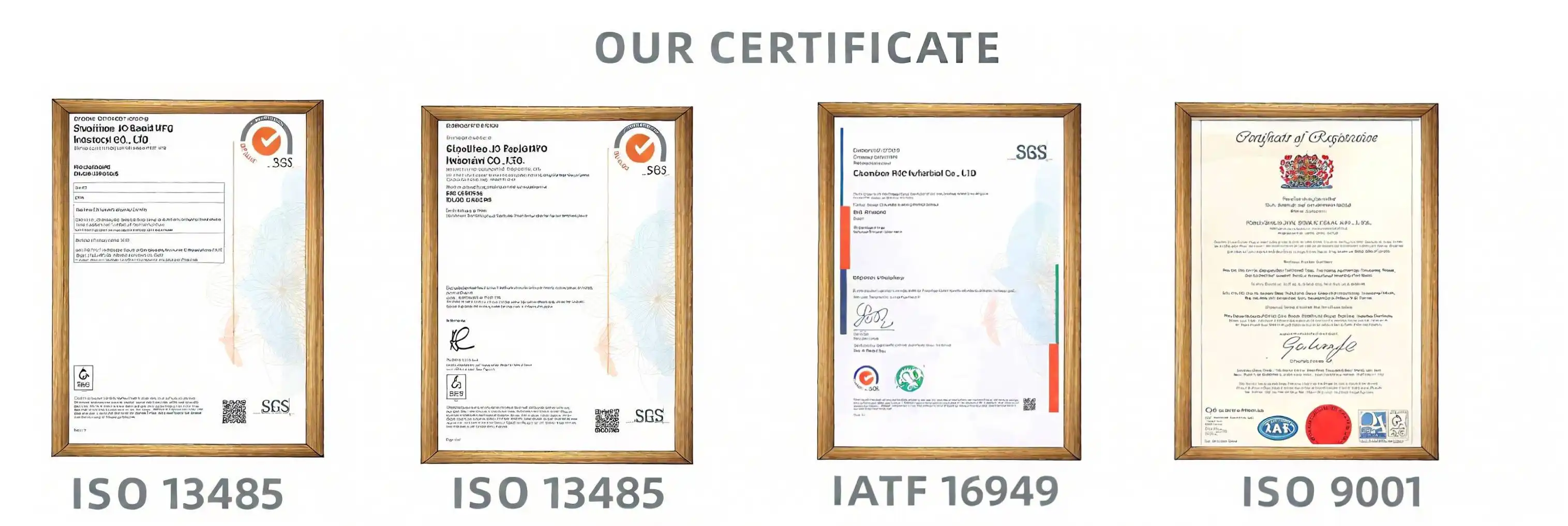
Getting ISO 9001:2015 approval is a good way to make sure that quality management systems work. This standard makes sure that producers keep records of their processes, do regular checks, and start projects to keep improving. Our ISO-certified quality management system controls every step of the production process at Junsion, from getting materials to doing the final check. Compliance with RoHS is becoming more and more important for parts used in household gadgets and cars. This environmental safety standard limits the use of dangerous materials in industry. Because we are committed to RoHS compliance, you can be sure that your goods meet international environmental standards without having to go through any extra testing. Material testing capabilities separate competent sellers from exceptional ones. Check to see if possible partners have their own testing equipment or have made partnerships with approved testing laboratories. Verification of mechanical properties, the ability to check dimensions, and the availability of load testing facilities are all signs of a real dedication to quality Plastic gear parts assurance.
Evaluating Manufacturing Capabilities
Lead times and price freedom are directly affected by the amount of goods that can be made. Finding out about a supplier's machine inventory, staffing numbers, and methods for planning output helps you figure out if they can meet your needs. Our 32 CNC machines give us a lot of capability while still letting us adapt to different order amounts and custom specs.
Customization and OEM Partnership Considerations
Standard stock parts work well for many uses, but to get truly optimized solutions, they often need to be customized. Check to see if possible sources are willing and able to make changes to designs, make custom material formulations, or create completely new parts that meet your exact needs. Minimum order numbers have a big effect on how procurement methods are used. The lowest cost per unit is found in large-scale production, but suppliers must be ready to support smaller amounts during the early stages of development projects and niche uses. We work with customers at all levels of volume, from making prototypes to large-scale production runs.
Pricing Structure Transparency
Knowing what causes costs makes talks go more smoothly. The end price is based on the cost of raw materials, machine time, amortization of tools, and quality control processes. When suppliers talk about these things, they show that they are honest, which builds trust and lets everyone work together to cut costs. Pricing rates are based on volume, rewarding loyalty while keeping costs stable. Setting up a framework that deals with graduated prices encourages organizations to make fewer purchases from fewer sellers, which lowers administrative costs and gets better terms. Managing lead times has an impact on both managing output and the cost of keeping inventory on hand. When you buy from suppliers with well-established production scheduling systems, you can be sure of when your orders will arrive, which saves you money on rush fees and safety stock. Our normal setups have an average lead time of 15 to 20 business days, which supports lean inventory strategies and can be shortened if needed quickly.
Conclusion
When they are designed and made correctly, thermoplastic gear components work reliably in a wide range of situations. Their unique mechanical qualities, such as good vibration damping, low friction coefficients, and good weight characteristics, make them clearly better than metal options in certain situations. To choose the right material from acetal, nylon, polycarbonate, and specialty plastics, you need to carefully look at the load patterns, temperature ranges, and weather factors that will be used. Precision production with close tolerances makes sure that stress is spread evenly and that the product lasts longer. Junsion uses modern CNC technology and methods that are ISO-certified to make parts that meet the strict needs of the automotive, medical, consumer electronics, and industrial automation industries. Procurement teams can improve both performance and total cost of ownership by forming strategic relationships with suppliers that focus on technical teamwork, quality assurance, and the ability to make changes.
FAQ
1. What materials work best for high-load polymer gear applications?
Acetal (POM) and glass-filled nylon are the most frequent materials used in tough situations. Acetal is very stable in terms of its shape and doesn't cause much friction, so it can be used continuously at mild amounts. Glass-filled nylon is stronger and stiffer than other types of nylon. It can handle higher torque levels and still fight wear well. While specialty materials like PEEK have great qualities, they are very expensive and should only be used for very important tasks.
2. Can thermoplastic components replace metal gears in high-torque applications?
When torque needs are less than 50 Nm, polymer gears work well instead of metal gears. However, their exact usefulness relies on speed, duty cycle, and working temperature. Using metal reinforcement pieces in hybrid methods to make them more useful. It is possible to replace an entire gear when the design is changed to account for the different mechanical properties of the material. This can be done by increasing the face width, improving the tooth shape, or changing the gear ratio.
3. How should procurement teams evaluate supplier technical competence?
Certification standing gives you basic peace of mind. For example, ISO 9001:2015 and RoHS compliance show that quality systems are well-established. The fact that they can make things with CNC precision equipment, measuring tools, and testing facilities shows how technically advanced they are. Ask about engineering support services and case studies from related projects. Suppliers who give help with design optimization, material selection, and prototype development usually have the skills needed to make the application go smoothly.
Partner with Junsion for Superior Plastic Gear Parts Manufacturing
To get the most out of your precision-engineered polymer gearing solutions for your mechanical systems, you need a manufacturing partner who has both technical know-how and proven production skills. Junsion offers this exact mix through our ISO 9001:2015-certified factory, which has 32 high-tech CNC tools that can hold tolerances of ±0.01mm. Our wide range of products includes spur, helix, bevel, worm, and rack-and-pinion designs that can be made to fit your unique needs. We provide automation equipment, automobile, medical device, aircraft, and robotics industries with high-quality parts that can handle heavy loads and last a long time. As a reliable provider of Plastic gear parts, we follow RoHS rules and offer reasonable prices with lead times of 15 to 20 days. Get in touch with our engineering team at Lock@junsion.com.cn to talk about your needs and find out how precision Plastic gear parts can help your product work better while cutting costs.
References
1. Mao, K. (2007). "A new approach for polymer composite gear design." Wear, 262(3-4), 432-441.
2. Singh, A.K., Siddhartha, and Singh, P.K. (2018). "Polymer spur gears behaviors under different loading conditions: A review." Proceedings of the Institution of Mechanical Engineers, Part J: Journal of Engineering Tribology, 232(2), 210-228.
3. Walton, D. and Shi, Y.W. (1989). "A comparison of ratings for plastic gears." Proceedings of the Institution of Mechanical Engineers, Part C: Journal of Mechanical Engineering Science, 203(1), 31-38.
4. Hoskins, T.J., Dearn, K.D., Chen, Y.K., and Kukureka, S.N. (2014). "The wear of PEEK in rolling-sliding contact - Simulation of polymer gear applications." Wear, 309(1-2), 35-42.
5. Düzcükoğlu, H. (2009). "Study on development of polyamide gears for improvement of load carrying capacity." Tribology International, 42(8), 1146-1153.
6. Pogačnik, A. and Tavčar, J. (2015). "An accelerated multilevel test and design procedure for polymer gears." Materials & Design, 65, 961-973.