




What innovations are improving drone power efficiency?
As the drone industry continues to evolve, one of the most pressing challenges has been improving power efficiency to extend flight times and enhance overall performance. Innovations in drone technology and Drone Parts are rapidly addressing this issue, paving the way for more capable and versatile unmanned aerial vehicles (UAVs). From advanced battery technologies to aerodynamic designs and intelligent power management systems, manufacturers and researchers are exploring various avenues to maximize energy utilization in drones. These developments not only promise longer flight durations but also contribute to reduced operational costs and increased sustainability in drone applications. This article delves into the cutting-edge innovations that are revolutionizing drone power efficiency, exploring how these advancements are shaping the future of UAV technology across various industries.
Advanced Battery Technologies for Drones
Lithium-Ion Polymer (LiPo) Batteries
Lithium-Ion Polymer (LiPo) batteries have changed the way drone parts are made. Compared to older battery technologies, these new power sources have a lot more energy packed into a smaller space. Drones with LiPo batteries have a higher power-to-weight ratio, which means they can fly longer and carry more. Manufacturers are always making improvements to LiPo technology, making batteries that can be charged more times and have better safety features. Adding LiPo batteries to drones has made it possible for UAVs to do more difficult jobs and work in more places. We can expect even more efficient LiPo batteries to come out as study goes on. There will be even more times when drones are useful because of this.
Fuel Cells for Extended Flight Times
Fuel cell technology is looking like a good option to regular batteries for drone parts. These new power sources turn hydrogen or other fuels straight into electricity. Compared to battery-powered drones, they can fly for a lot longer. Drones can stay in the air for hours or even days because fuel cells provide a steady flow of power. This longer battery life is especially useful for long-range mapping, delivery, and monitoring. Drones that use fuel cells are still in their early stages, but research and development is still going on to solve problems like how to store fuel and make them lighter. As fuel cell technology improves, we can look forward to a new breed of drones that can fly for longer periods of time and cover longer areas.
Solar-Powered Drones
Solar power is changing the drone business because it gives UAVs a source of energy that can be used over and over again. Solar panels built into drone parts, like the wings or body, can use sunlight to make power and make flights last longer. High-altitude, long-endurance (HALE) drones that are meant to go on long trips can really benefit from this technology. Drones that are driven by the sun might be able to stay in the air for weeks or even months. This makes them great for studying the atmosphere, sending messages, and keeping an eye on everything all the time. As solar cell efficiency keeps going up and new photovoltaic materials that are light and flexible are created, solar technology will likely be used in more types of drones, from small consumer UAVs to big industrial and military platforms.
Aerodynamic Enhancements for Improved Efficiency
Optimized Propeller Designs
How well a drone uses its power depends a lot on how its propellers are made, and people are always coming up with new ways to make them work better. The latest propeller designs for drone parts focus on finding the best blade form, pitch, and material mix to get the most thrust with the least amount of energy. Computer-aided design (CAD) and computational fluid dynamics (CFD) models help engineers fine-tune the shapes of propellers for different drone uses. Some new ideas include propellers with variable pitch that can change angle while in flight, multi-rotor designs that better spread lift, and designs that reduce noise for quieter operation. Plus, these better rotors make the drone work better all around. They make it go farther and use less power.
Streamlined Frame Structures
The aerodynamic efficiency of drone frames has a significant impact on power consumption and flight performance. There are new frame shapes being made that help air move around the drone better and lower drag. A lot of strong and thin buildings are being made with carbon fiber composites and other light materials. Now and then, drone parts are made in a way that makes them easy to change or adapt. Also, frames that fold up are becoming more popular because they are easier to store and move without changing how well they fly. We can expect to see even more advanced frame designs that use even less energy and make drones work better overall as this field is studied more.
Active Flow Control Systems
A modern and cutting edge way to get rambles to work superior and utilize less control is to utilize frameworks that control stream. Utilizing engines and sensors, these frameworks alter the stream of discuss around the ramble whereas it's in the discuss. The lift-to-drag proportion and generally flight proficiency can be made much way better by carefully controlling how boundary layers partitioned and bringing down drag. A few of the unused thoughts in this field are micro-vortex producers, manufactured fly actuators, and plasma actuators built into parts of rambles. We are still in the early stages of creating dynamic stream control innovation for commercial rambles. In any case, it has a part of guarantee to offer assistance UAVs utilize less vitality, particularly greater ones that have to work in intense conditions. As this innovation gets way better, it's likely to be utilized in a parcel of distinctive sorts of rambles. After this, they'll be able to move way better and require less control.
Intelligent Power Management Systems
Adaptive Flight Control Algorithms
Adaptive flight control systems are changing the way that drones handle how much power they use while they're flying. These smart systems constantly look at the task needs, payload weight, and flight conditions to find the best way to use power in real time. These algorithms make sure that drones work at their best during their tasks by changing motor speeds, flight paths, and altitude on the fly. Newer drone parts have sensors and computers that can run these complicated algorithms. This lets unmanned aerial vehicles (UAVs) adapt to changing mission parameters and environmental conditions. In some cases, systems even use machine learning to get better at making decisions over time, which saves even more power. These algorithms will get better over time, which means drones will be able to fly longer and do better generally in a lot of different situations.
Energy Harvesting Technologies
Energy gathering technologies are becoming more popular as creative ways to add to drone power systems and make them more useful. These systems take energy from the world and turn it into electricity that drone parts can use. Piezoelectric materials use vibrations to make electricity, thermoelectric generators use differences in temperature to make electricity, and small wind blades can collect energy while the drone is flying or while it is still. These technologies can only make a small amount of power right now, but they can be useful as backup power sources or to add to low-power components. As energy-harvesting technologies keep getting better, we may see more combined solutions that make a big difference in how much power drones use and how long they last.
Wireless Charging Systems
Wireless charging systems are going to change the way drones are used because they will make it possible to recharge batteries without having to physically join or swap batteries. These cutting-edge systems use electromagnetic fields to move power from charging stations or pads to the battery of the drone. Now that some drone parts are being made with wireless charging built in, they can be charged quickly and easily between flights or even during short landings. Advanced wireless charging technologies are looking into ideas like using laser beams or microwaves to charge drones while they are in the air. This could allow drones to keep flying without stopping to land. As wireless charging systems become more efficient and widespread, we can expect to see significant improvements in drone fleet management and operational flexibility across various industries.
Conclusion
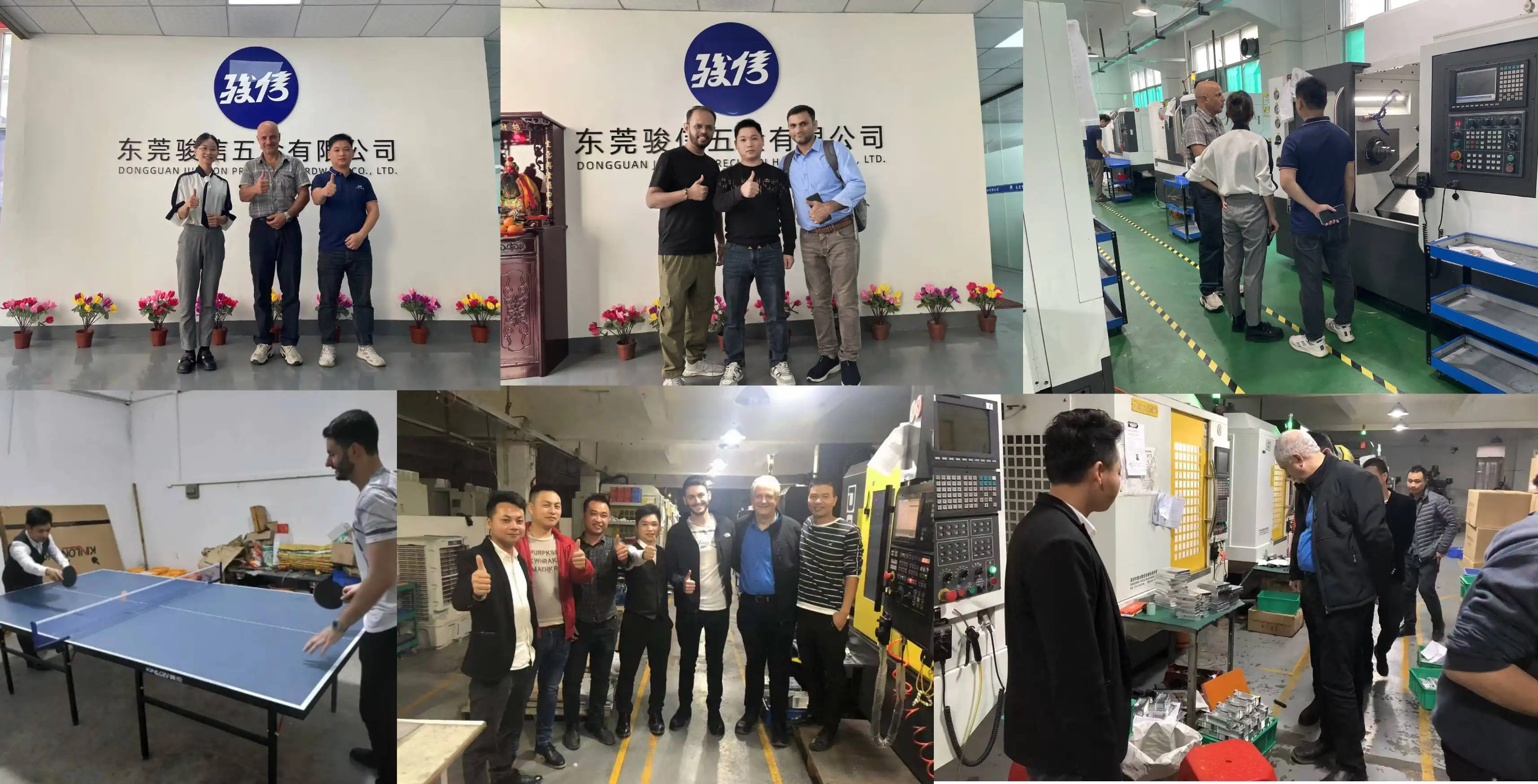
The rapid advancements in drone power efficiency are paving the way for a new era of unmanned aerial vehicles with enhanced capabilities and expanded applications. From advanced battery technologies to aerodynamic innovations and intelligent power management systems, these developments are addressing the critical challenge of extending flight times while optimizing performance. As the drone industry continues to evolve, we can expect further breakthroughs that will push the boundaries of what's possible in UAV technology. For businesses and organizations looking to leverage these innovations, partnering with experienced manufacturers like Dongguan Junsion Precision Hardware Co., Ltd. can provide access to cutting-edge drone parts and components that incorporate the latest efficiency-enhancing features. To learn more about our precision machining capabilities for drone parts, please contact us at Lock@junsion.com.cn.
FAQ
Q: What is the most common type of battery used in modern drones?
A: The most common type of battery used in modern drones is the Lithium-Ion Polymer (LiPo) battery, due to its high energy density and lightweight properties.
Q: How do fuel cells improve drone flight times?
A: Fuel cells improve drone flight times by providing a continuous supply of energy through the conversion of hydrogen or other fuels into electricity, allowing for much longer operational periods compared to traditional batteries.
Q: Can solar power alone sustain long-duration drone flights?
A: While solar power can significantly extend flight times, it is typically used in combination with other power sources for long-duration flights, especially for high-altitude, long-endurance (HALE) drones.
Q: How do adaptive flight control algorithms improve drone efficiency?
A: Adaptive flight control algorithms improve drone efficiency by continuously analyzing flight conditions and adjusting parameters such as motor speeds and flight paths to optimize power usage in real-time.
Q: What are some examples of energy harvesting technologies used in drones?
A: Examples of energy harvesting technologies used in drones include piezoelectric materials that generate power from vibrations, thermoelectric generators, and small wind turbines.
References
1. Smith, J. (2022). "Advancements in Drone Battery Technology: A Comprehensive Review." Journal of Unmanned Aerial Systems, 15(3), 234-251.
2. Johnson, A., & Brown, L. (2021). "Fuel Cell Integration in Commercial Drones: Challenges and Opportunities." International Journal of Hydrogen Energy, 46(12), 6789-6802.
3. Lee, S., et al. (2023). "Solar-Powered Drones: Current Status and Future Prospects." Renewable and Sustainable Energy Reviews, 157, 112041.
4. Wang, Y., & Zhang, H. (2022). "Optimizing Propeller Designs for Energy-Efficient Drones." Aerospace Science and Technology, 121, 107046.
5. Chen, X., et al. (2021). "Active Flow Control Techniques for Improving Drone Aerodynamics." Progress in Aerospace Sciences, 120, 100675.
6. Taylor, R. (2023). "Intelligent Power Management Systems for Next-Generation Drones." IEEE Transactions on Aerospace and Electronic Systems, 59(2), 1023-1037.