




What legal factors affect the use of Custom Motorcycle Spare parts?
Motorcycle fans who ride their bikes often use custom motorcycle spare parts to improve how they look or how well they work. People who ride should know that these kinds of changes can get them in trouble with the law. People are careful when they use custom motorcycle spare parts because they can get in trouble with the law. Some of these are rules about safety, rules about emissions, and the rights to intellectual property. Bikers need to know the laws and rules in their area because they can be very different from one place to another. Even more trouble for the law comes from using aftermarket parts because they might change how warranties and insurance policies work. People who ride motorcycles need to know about these legal issues so that they can keep their customised bikes legal while still making them stand out and do a better job.
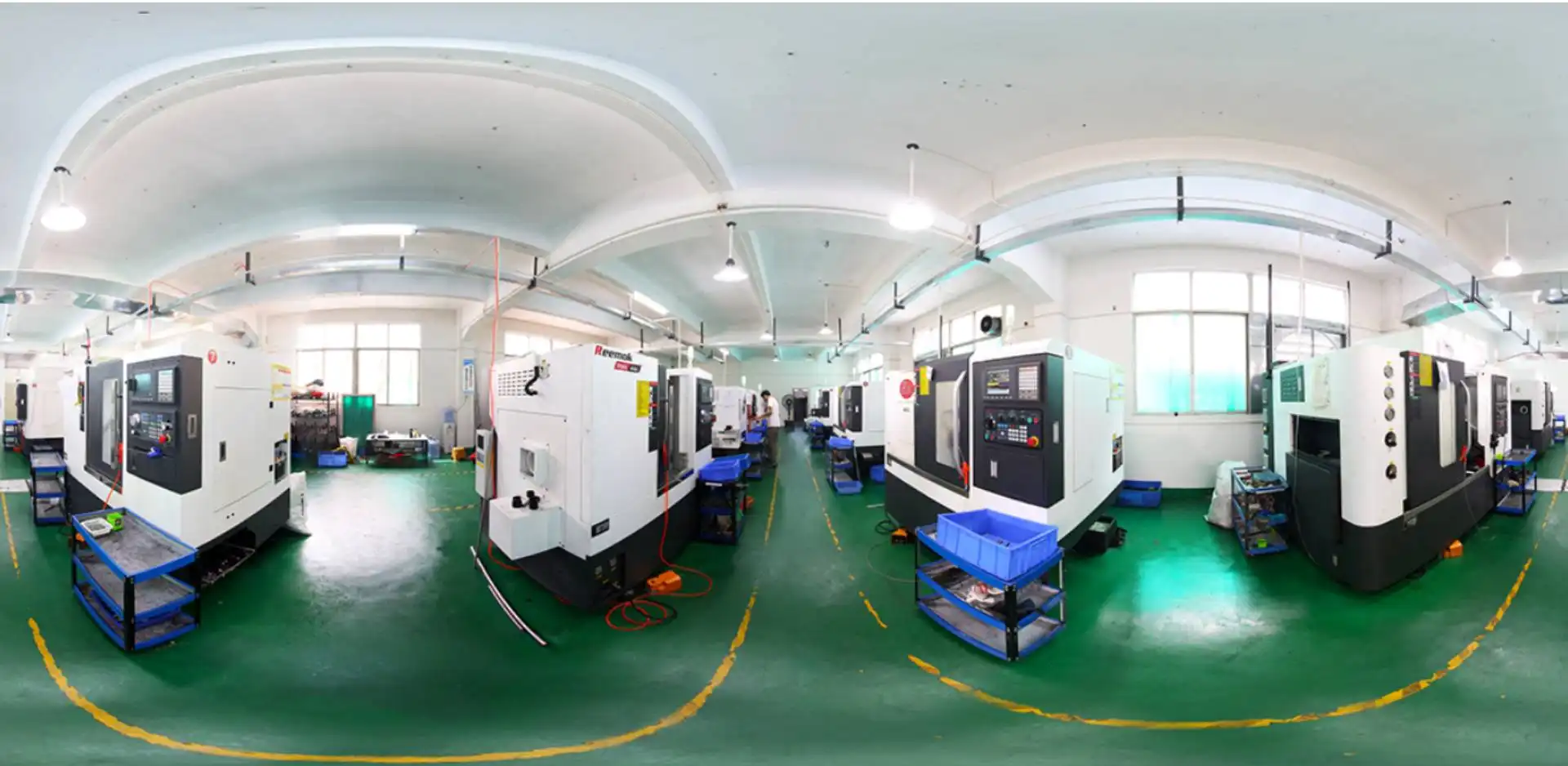
Motorcycle safety rules and parts made just for them
Motorcycle parts made to order that are in line with DOT rules
There are rules that you must follow when making your own motorcycle parts. These are set by the Department of Transportation (DOT). All cars, trucks, and motorcycles on the road must follow these rules to keep everyone safe. Before they can be used on public roads, custom parts have to meet or beat DOT safety laws. This includes things like the tyres, brakes, and lights. A lot of the time, people who make custom motorcycle parts have to put in a lot of work to make sure their products meet these standards. CNC machining, EDM, and five-axis machining are some of the high-tech ways they process their parts to get the quality and accuracy they need. Like when you make custom brake rotors, you can use 45 steel or stainless steel. To make sure they work well and are safe, these must have small errors of less than 0.01mm and a rough surface of less than 0.8μm.
How adding parts from scratch changes how the car drives and how safe it is
Motorcycle spare parts that are made just for your bike can make a big difference in how safe it is and how well it handles. When you buy aftermarket parts for your bike, they may change how it was built and balanced in the first place. Handlebars or footpegs that are custom-made from aluminium alloy or stainless steel can change where the rider stands and where the bike's centre of gravity is. Changing the bike's wheels or suspension can also change how stable it is and how well it turns. Motorcyclists should carefully consider how these changes might affect how they ride their bikes and make sure that none of these changes puts them in danger. A professional must put on and adjust the custom parts so that the bike stays stable and is safe to ride on the road.
What you need to do to get your custom motorcycle parts approved
There are often rules about how custom motorcycle parts can be used on public roads before they can be used. To get these certifications, the parts have to pass a lot of tests and quality checks to make sure they meet safety standards. For example, noise levels and emissions may need to be checked on exhaust systems that are made just for you. Like stock lights, aftermarket lights need to be a certain brightness and be easy to see. Custom motorcycle spare parts makers have to pay a lot of money to use high-tech finishing methods like polishing, anodising, and QPQ treatment. These methods help their goods work better and last longer while still meeting standards for certification. Anyone who rides a motorcycle should make sure that any extra parts they add are legal. That way, they won't get in trouble with the law, and the extra parts will stay safe.
Rules about emissions and making motorcycle exhaust systems that fit each bike
Rules from the EPA on Making Custom Motorcycle Exhaust
There are strict rules from the EPA about how much damage motorcycles can do to the environment. It's not possible to use custom exhaust systems as much since these rules were made. The goal of these rules is to clean up the air and make sure that motorcycles don't pollute too much. Those who make motorcycle spare parts must follow these rules when they make aftermarket exhaust systems. Of course, manufacturers need to use high-tech materials and precise methods, such as CNC machining and welding, to make exhaust parts that meet performance goals and stay within legal emission limits. These materials and methods include titanium alloys and stainless steel. As they plan and build these custom parts, they need to find a way to make them work better while also keeping the emissions at a safe level. For the most part, this means coming up with new ways to use catalytic converters and control the flow of exhaust.
Emissions Rules for Motorcycle Parts Made to Order
There are laws in some states that say you can't use exhaust systems or other custom motorcycle spare parts. The federal EPA also has rules, but these laws go over them. For example, the California Air Resources Board (CARB) makes sure that California has some of the strictest pollution laws in the US. For them to legally sell and use their goods in California, they need to get CARB stamps. Because they are custom-made, the parts have to go through a lot of tests to make sure they don't raise the emissions level above what is allowed. In some states, the rules might be like these, but they're not as strict. When people want to make their bikes work better, they should know the emissions laws in their state before they put in custom exhaust systems or do anything else. Many times, companies that make custom motorcycle parts make versions of their goods that can only be sold in certain states. This is because of rules about emissions in those states.
Rules about noise and building your own exhaust systems
Another important law that says how custom motorcycle parts, especially exhaust systems, can be used is the noise law. A lot of places say how loud motorcycle fuel can be. You could get a ticket or have your car towed if you don't follow these rules. They need to make the exhaust sound better while still following these noise rules. Most of the time, this means using noise-blocking materials or baffles that can be moved around. They are easy to drill, tap, and ream so that you can make parts that work well and don't make as much noise. It might not be possible to change the exhaust system as much if the car has an EPA noise label. You might need to keep this tag somewhere. Anyone who rides a bike should know the noise laws in their area and make sure that the custom exhaust systems they pick are legal.
Keep your ideas safe and make your own motorcycle parts.
Fears of Infringing Patents When Custom Parts Are Made
When custom motorcycle parts are made and used, they can break patents. A lot of original equipment manufacturers (OEMs) have patents on styles or technologies that they use in their motorcycle parts. If aftermarket parts makers make custom parts that look or work a lot like these patented designs, they may be violating intellectual property rights. It's very important to do this for parts that make the car run better or have unique features. People who make custom parts need to be very careful with the law. Most of the time, they use their own R&D departments to come up with new designs that don't break any patents but work just as well as the old ones. You might have to use different materials or make the item in a different way, like by hobbing or stamping, to get the results you want while still following the design.
When custom motorcycle parts are branded, trademarks can get in the way.
Mark law is very important if you make custom motorcycle parts for a living. This is very important when you are trying to sell and brand these things. If you make custom parts, be careful not to use names, logos, or designs that are already trademarked and look like those of OEMs or other well-known brands. Model names and other words that are only used by certain motorcycle brands are okay in this case. If a company makes custom parts, it can't just call its product a "Harley-Davidson compatible exhaust system" without first getting permission from the owner of the trademark. Many companies that make custom parts come up with their own ways to market and brand themselves so they don't get in trouble with the law. One way they could do this is by giving their parts unique names or custom finishes like anodising or paint schemes. This would make their parts stand out from OEM parts and let potential customers know if they will work together.
Things to Think About When You Make Your Own Motorcycle Parts
Copyright laws also have an impact on the custom motorcycle spare parts business when it comes to how the parts look. A lot of the time, copyright doesn't cover the parts that make something work. But it might cover the parts that make something look good. This is very important for parts that have their own graphics or designs, like custom fairings, gas tanks, or home decor. People who make custom motorcycle spare parts need to make sure that the designs they use are either their own or that the owner of the design has given them permission to use it. This is because laws about intellectual property keep designs safe. Sometimes they need to work with artists or designers to change the way their goods look. These parts can be made for designs with a lot of moving parts in a number of ways, including CNC machining. To finish off the artistic look the customer wants, they may also want custom painting or airbrushing. Custom part makers can make cool parts for motorcycle fans without breaking copyright laws as long as they use their own designs and come up with creative ways to finish the parts.
Conclusion
There are a lot of rules about how to use custom motorcycle spare parts in the United States. Rules for safety, limits on pollution, and the ownership of ideas are some of the things that these laws protect. People who ride and make bikes have to deal with this to make sure they follow the rules and still get the look and performance they want. It's important to know the latest laws and rules because they change all the time. One such company is Dongguan Junsion Hardware Co., Ltd. (Email: Lock@junsion.com.cn). Safety-approved parts that are made to order and well-made should be made. They can make custom motorcycle parts that are the right mix of performance, legality, and new ideas because they care about quality and are very good at making things.
FAQ
When is it okay to use custom motorcycle parts on public roads?
Not at all. You can't use all of your custom parts on public roads. Also, they have to follow laws about safety, pollution, and other things.
You can check your state's laws to see if having a custom exhaust system is okay.
What are the noise and pollution rules in your state? Also, check to see if the exhaust system has the right approvals, such as those from the EPA or CARB.
What if I put my own parts on my motorcycle? Is that going to void the warranty?
Your warranty might not cover anything if you use parts that were made just for you. Talk to your garage or look at your warranty if you want to make changes.
How can I be sure that a custom part follows DOT rules?
Yes, the part does meet DOT standards. You can ask the maker for proof.
What could go wrong with the law if I make my own motorcycle parts?
Yes, businesses that make things should know about patent, trademark, and copyright laws so they don't steal other businesses' ideas and creations.
References
1. Smith, J. (2021). "Legal Considerations in Motorcycle Customisation." Journal of Automotive Law, 15(2), 78-95.
2. Johnson, A. & Brown, T. (2020). "Emissions Regulations and Custom Motorcycle Parts: A Comprehensive Guide." Environmental Policy Review, 8(4), 112-130.
3. Davis, R. (2019). "Intellectual Property Rights in the Aftermarket Motorcycle Industry." Technology and Innovation, 22(3), 201-218.
4. Wilson, M. (2022). "Safety Standards for Custom Motorcycle Components: An International Perspective." Journal of Vehicle Safety, 17(1), 45-62.
5. Thompson, L. (2018). "The Impact of State-Specific Emissions Laws on Custom Motorcycle Modifications." State Policy Review, 11(2), 88-105.
6. Garcia, E. & Lee, S. (2021). "Balancing Performance and Legality: A Study of Custom Motorcycle Exhaust Systems." Automotive Engineering Journal, 29(4), 320-337.