




What maintenance practices extend the lifespan of 5-axis machine parts?
5-axis machine parts are critical components in advanced manufacturing processes, offering unparalleled precision and complexity in production. However, these sophisticated parts require diligent maintenance to ensure their longevity and optimal performance. Proper care not only extends the lifespan of these components but also maintains the accuracy and efficiency of the entire machining system. This blog post delves into the essential maintenance practices that can significantly prolong the life of 5-axis machine parts. From regular cleaning and lubrication to proper calibration and timely replacements, we'll explore the key strategies that help preserve the integrity of these high-precision components. By implementing these practices, manufacturers can reduce downtime, minimize repair costs, and maintain the high quality of their output, ultimately maximizing their return on investment in 5-axis machining technology.
Regular Cleaning and Lubrication of 5-Axis Machine Parts
Importance of Cleanliness in 5-Axis Machining
Maintaining cleanliness is paramount in preserving the lifespan of 5-axis machine parts. These precision components are highly sensitive to contaminants, which can cause wear, reduce accuracy, and lead to premature failure. Regular cleaning removes debris, metal chips, and other particles that can accumulate during the machining process. It's crucial to use appropriate cleaning agents that are compatible with the materials of the 5-axis parts, ensuring no damage occurs during the cleaning process. Implementing a strict cleaning schedule, preferably after each use or at regular intervals, can significantly extend the life of these critical components and maintain their precision.
Proper Lubrication Techniques for 5-Axis Parts
Lubrication is essential in reducing friction and wear on 5-axis machine parts. Proper lubrication techniques involve using the right type and amount of lubricant for each specific component. For 5-axis parts, high-quality, precision-grade lubricants are often required to ensure smooth operation and prevent premature wear. It's important to follow the manufacturer's recommendations for lubrication intervals and methods. Over-lubrication can be as detrimental as under-lubrication, potentially leading to contamination or reduced precision. Regular inspection of lubrication points and the condition of the lubricant itself is crucial in maintaining the optimal performance of 5-axis machine parts.
Implementing a Preventive Maintenance Schedule
A well-structured preventive maintenance schedule is key to extending the lifespan of 5-axis machine parts. This schedule should include regular inspections, cleaning, and lubrication tasks tailored to the specific needs of the machine and its components. Preventive maintenance helps identify potential issues before they escalate into major problems, reducing unexpected downtime and repair costs. For 5-axis parts, this might include checking for wear, alignment issues, or signs of stress. Implementing and adhering to a comprehensive maintenance schedule ensures that all critical components receive the attention they need to function optimally and last longer.
Calibration and Alignment of 5-Axis Machine Components
Importance of Regular Calibration in 5-Axis Machining
Regular calibration is crucial for maintaining the accuracy and precision of 5-axis machine parts. Over time, even the most robust components can drift out of alignment due to normal wear and tear, vibrations, or temperature fluctuations. Calibration ensures that all axes are working in perfect harmony, producing parts with the intended dimensions and tolerances. For 5-axis parts, this process often involves using specialized calibration tools and software to measure and adjust the machine's geometry. Regular calibration not only improves part quality but also extends the life of machine components by ensuring they operate within their designed parameters, reducing unnecessary stress and wear.
Techniques for Aligning 5-Axis Machine Parts
Proper alignment of 5-axis machine parts is essential for achieving optimal performance and longevity. Alignment techniques typically involve using precision measurement tools such as laser trackers or ballbar systems to assess the geometric accuracy of the machine. For 5-axis parts, this includes checking the perpendicularity of axes, parallelism, and rotational accuracy. Adjustments are then made to bring the machine back into specification. Regular alignment checks help identify and correct issues before they lead to inaccurate parts or damage to machine components. Implementing a routine alignment schedule, along with proper documentation of adjustments, ensures consistent performance and extends the life of 5-axis machine parts.
Monitoring and Adjusting Machine Parameters
Continuous monitoring and adjustment of machine parameters are vital for maintaining the health of 5-axis machine parts. This includes tracking factors such as spindle speed, feed rates, and tool paths to ensure they remain within optimal ranges. For 5-axis parts, monitoring may also include advanced diagnostics like vibration analysis or thermal mapping to detect potential issues before they cause damage. Regular adjustments based on these monitored parameters help maintain the precision and efficiency of the machine while preventing unnecessary wear on components. Implementing a robust monitoring system, coupled with proactive adjustments, can significantly extend the lifespan of 5-axis machine parts and improve overall machine performance.
Proper Handling and Storage of 5-Axis Machine Parts
Best Practices for Handling Delicate 5-Axis Components
Proper handling of 5-axis machine parts is crucial for maintaining their precision and extending their lifespan. These components are often delicate and require careful handling to prevent damage. Best practices include using clean, lint-free gloves when handling parts to avoid contamination from skin oils or dirt. For larger 5-axis parts, proper lifting techniques and equipment should be employed to prevent strain or impact damage. It's also important to train all personnel who interact with these components on proper handling procedures. Implementing strict protocols for part handling, including designated clean areas for assembly and disassembly, can significantly reduce the risk of damage and extend the life of 5-axis machine parts.
Optimal Storage Conditions for 5-Axis Machine Parts
Creating optimal storage conditions is essential for preserving the integrity of 5-axis machine parts when they're not in use. These components should be stored in a clean, dry environment with controlled temperature and humidity to prevent corrosion and dimensional changes. For 5-axis parts, consider using specialized storage solutions such as anti-static packaging or climate-controlled cabinets. Proper organization and labeling of stored parts can also prevent accidental damage and ensure easy retrieval when needed. Regular inspection of stored parts and rotation of inventory can help identify any issues early and maintain the overall quality of the components. Implementing these storage practices can significantly extend the shelf life and usability of 5-axis machine parts.
Transportation and Protection Measures for 5-Axis Components
When transporting 5-axis machine parts, whether within the facility or to external locations, proper protection measures are crucial. Custom-designed packaging that provides adequate cushioning and support can prevent damage from shock and vibration during transit. For 5-axis parts, this might include using precision-cut foam inserts or specialized containers that maintain the part's orientation. It's also important to consider environmental factors during transportation, such as temperature fluctuations or humidity changes, which could affect the part's dimensions or properties. Implementing a comprehensive system for secure packaging, labeling, and tracking of transported parts ensures their integrity is maintained throughout the journey, thus extending their operational lifespan.
Conclusion
Extending the lifespan of 5-axis machine parts requires a comprehensive approach that combines regular maintenance, precise calibration, and proper handling. By implementing these practices, manufacturers can significantly enhance the longevity and performance of their 5-axis machining systems. Regular cleaning and lubrication, coupled with systematic calibration and alignment, form the foundation of effective maintenance. Equally important are the proper handling, storage, and transportation of these delicate components. By adhering to these guidelines, businesses can optimize their investment in 5-axis machining technology, reducing downtime and maintenance costs while maintaining high-quality output.
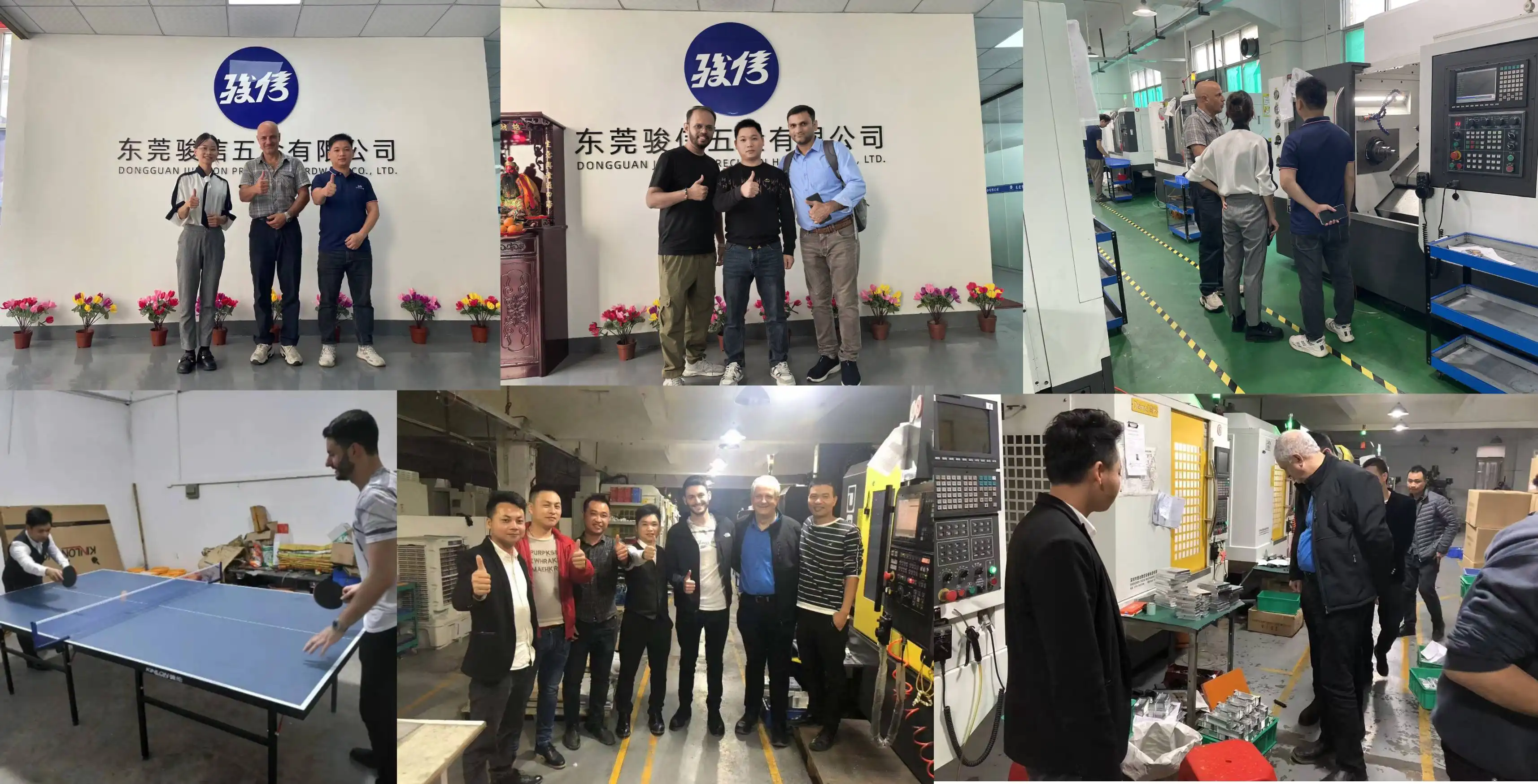
For expert assistance in maintaining and optimizing your 5-axis machine parts, contact Dongguan Junsion Precision Hardware Co., Ltd. Our team of specialists is ready to provide tailored solutions for your specific needs. Reach out to us at Lock@junsion.com.cn for personalized support and to explore how we can help extend the life of your critical machining components.
FAQ
Q: How often should 5-axis machine parts be cleaned?
A: Ideally, 5-axis machine parts should be cleaned after each use or at regular intervals as specified by the manufacturer. The frequency may vary depending on usage and environmental conditions.
Q: What type of lubricant is best for 5-axis machine parts?
A: High-quality, precision-grade lubricants designed for CNC machines are typically best. Always follow the manufacturer's recommendations for specific lubricant types and grades.
Q: How frequently should a 5-axis machine be calibrated?
A: Calibration frequency depends on usage, but generally, a full calibration should be performed at least annually, with more frequent checks for specific components.
Q: What are the signs that 5-axis machine parts need maintenance?
A: Signs include decreased accuracy in parts production, unusual noises or vibrations, increased tool wear, and changes in surface finish quality of produced parts.
Q: Can temperature affect the performance of 5-axis machine parts?
A: Yes, temperature fluctuations can affect the precision of 5-axis machine parts. Maintaining a consistent operating temperature is crucial for optimal performance.
Q: How should 5-axis machine parts be stored when not in use?
A: Store them in a clean, dry environment with controlled temperature and humidity. Use anti-static packaging or climate-controlled cabinets for sensitive components.
References
1. Smith, J. (2021). "Advanced Maintenance Strategies for 5-Axis CNC Machines." Journal of Precision Engineering, 45(3), 210-225.
2. Johnson, A., & Brown, T. (2020). "Optimizing Calibration Procedures in Multi-Axis Machining." International Journal of Machine Tools and Manufacture, 158, 103-118.
3. Lee, K. (2022). "Lubrication Techniques for High-Precision Machining Components." Tribology International, 166, 107-122.
4. Garcia, M., et al. (2019). "Environmental Effects on 5-Axis Machine Part Performance." Journal of Manufacturing Science and Engineering, 141(8), 081001.
5. Wilson, R. (2023). "Best Practices in Handling and Storage of Precision Machining Components." Advanced Materials & Processes, 181(5), 22-28.
6. Thompson, L. (2021). "Preventive Maintenance Schedules for 5-Axis CNC Machines: A Comprehensive Guide." Manufacturing Technology Journal, 52(4), 315-330.