




What Makes a High-Performance Dowel Pin?
A high-performance dowel pin is the pinnacle of precision engineering. It offers unmatched alignment accuracy, better material properties, and consistent dimensional stability in a wide range of challenging industrial settings. These cylinder screws are different because they have tight tolerance control (usually ±0.01mm), better surface finishes, and carefully chosen materials that can handle high stress loads while still staying in place. Better resistance to corrosion, exact hardness requirements, and production methods that guarantee reliable performance in important assembly tasks where accuracy directly affects product quality and operating efficiency are some of the things that make this product unique.
Understanding the Core Attributes of High-Performance Dowel Pins
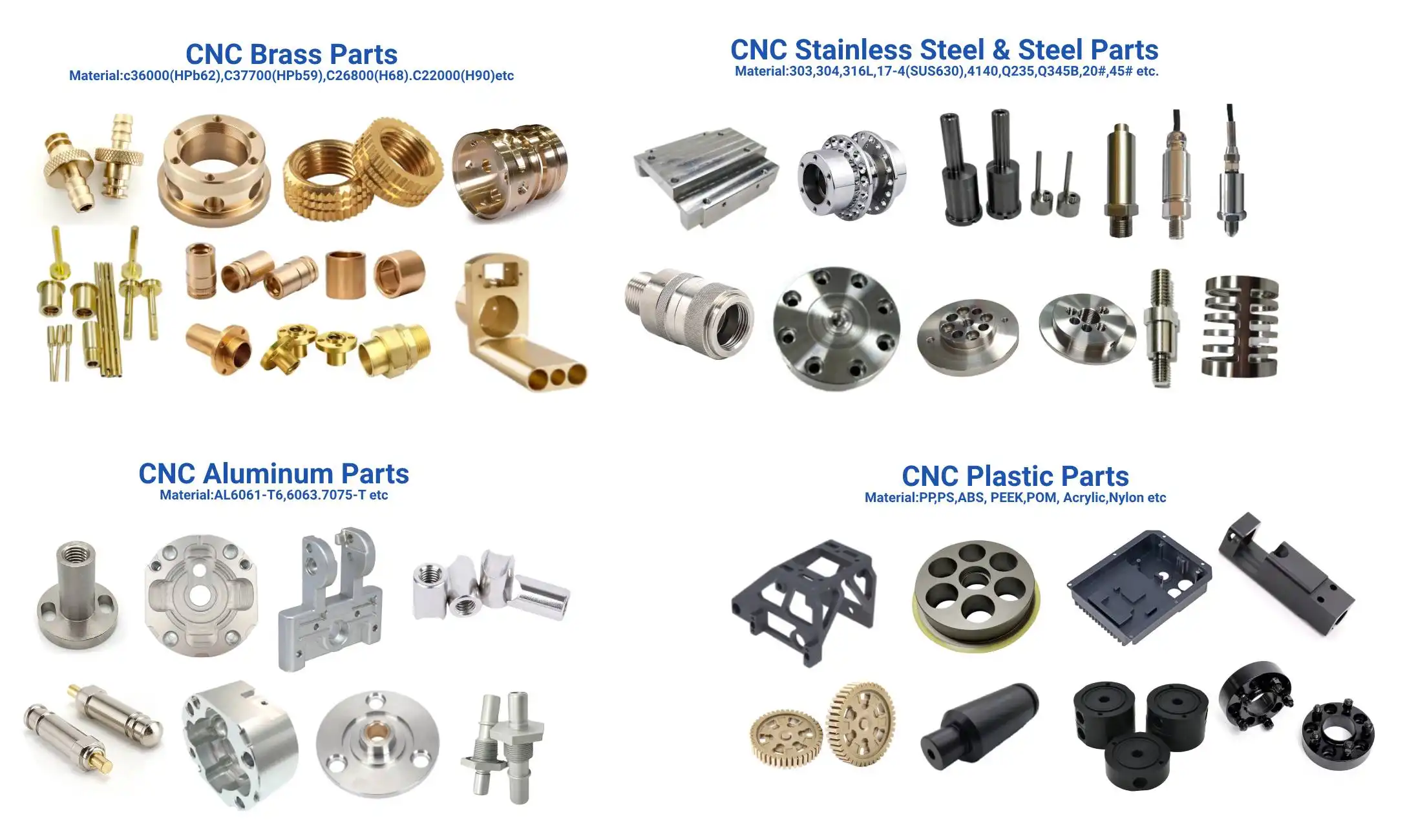
High-performance fixing pins are made from carefully chosen materials that are strong, don't rust, and can be machined to meet the needs of each application. Different types of stainless steel are better at resisting rust in tough environments, while different types of hardened steel are stronger for heavy-duty uses. Aluminum alloy pins are great for situations where weight reduction is important, and certain types of brass are great for electronic systems because they carry electricity very well.
The qualities of a material directly affect how long it will last and how reliable it is. Grades of stainless steel like 316 are very resistant to chemicals, which makes them perfect for use in food processing and pharmaceuticals. With the right heat treatment, carbon steel pins can reach hardness levels above 60 HRC, which means they can take a lot of mechanical force without breaking. To stop galvanic corrosion, the selection process must take into account the climate, the load needs, and how well the material will work with other materials around it.
Manufacturing guidelines are very important for making sure that the quality of each batch of Dowel Pin products is the same. ISO 8734 standards set the limits for errors in size and the quality of the surface finish, while DIN 7 standards set the exact requirements for width and length. American ANSI standards offer different requirements that are in line with U.S. industry needs. This makes sure that all foreign supply chains are compatible. Dimensional precision is one of the most important performance factors that sets high-performance alignment pins apart from regular ones. Specifications for tolerances of ±0.01mm allow for exact fit relationships that keep the accuracy of the system over long periods of service. Ra0.8μm or better surface roughness values make sure that the parts fit together smoothly and reduce wear during assembly.
These high standards are met by using advanced manufacturing methods such as CNC cutting, grinding, and specialized finishing methods. Five-axis machining makes it possible to make parts with complex shapes while keeping tight tolerances throughout the whole process. EDM processing makes exact surface finishes that improve performance in serious situations where standard methods of machining can't meet the needs. Comprehensive measurement methods and high-tech coordinate measuring machines are used in quality control processes to make sure that the dimensions are correct. Statistical process control makes sure that the quality of the output is always the same and finds any changes that might happen before they affect how well the product works. Professional-grade parts are different from cheaper ones that look the same but don't have the precision needed for tough jobs because they have to meet these strict standards.
Comparing Dowel Pins with Alternative Pin Solutions
Choosing the right positioning pins often means looking at a number of different types of fasteners to find the best ones for each job. Radial compression forces make spring pins very good at holding things together, which makes them good for uses that need to take things apart a lot. In situations where moderate accuracy is needed, roll pins are a cost-effective option that are strong enough for many common uses. Solid dowel pins work great in high-precision situations where keeping the shape and weight stable is very important. Because they are stiff, they don't bend when they're loaded, so the orientation stays the same throughout the assembly's life. Hollow versions are lighter while still being strong, which makes them appealing for uses in aircraft and portable tools where every gram counts.
Which pin type to use depends on the needs of the application, such as the type of load, the location, and the level of accuracy required. Solid construction is better at resisting fatigue in high-vibration settings, while solid copper or brass versions are better for uses that need to conduct electricity. Knowing these differences in performance lets you make smart purchasing choices that maximize both cost and usefulness. Precision-grade fixing pins cost more because they are made with better techniques and quality control checks. Standard grades might be fine for non-critical uses, but the extra money is worth it for apps that need to be very precise, like making electronics, optical equipment, and medical devices. The difference in cost is usually a small part of the failure costs that come with mishandling of the assembly or wear and tear on the parts.
More grinding, better surface treatments, and full measurement proof are all part of the manufacturing process for precision components. These steps make sure that the performance traits stay the same and meet the strict needs of the application. Standard parts may have bigger differences in size, which makes it harder to put them together correctly in precise situations. Long-term cost analysis shows that precision components often offer better value by lasting longer, needing less upkeep, and improving the quality of production. The higher cost at the start usually pays off in improved operating efficiency and fewer warranty claims for finished goods.
How to Choose the Right Dowel Pin for Your Application?
When choosing fixing pins for industrial use, load-bearing needs are the most important thing to think about. When you calculate shear strength, you have to include the maximum operating loads as well as the right safety factors to make sure the estimate doesn't fail in the worst circumstances. For compressive loads, the material's yield strength and pin thickness need to be checked to make sure the load is spread out evenly without permanently deforming the material. Environmental compatibility includes a wide range of temperatures, chemical contact, and weather factors that could change how well a pin works over time. In marine settings, construction must be made of stainless steel, which is more resistant to corrosion. On the other hand, high-temperature uses need materials that keep their strength at high temperatures. Places that process chemicals need materials that can stand up to certain chemicals that are used in the process.
Tolerance specifications and production methods are directly affected by the level of precision needed. Applications that need positional accuracy within micrometers need precision-grade parts whose dimensions have been checked. Standard precision applications can handle bigger limits while still delivering acceptable performance levels. This lets you save money without sacrificing usefulness. Cost and quality need to be balanced in good buying strategies that make sure the supply chain works reliably. When you buy in bulk, you can often save a lot of money, but you have to weigh that against the costs of keeping goods and the risk of items going out of style. Due to lead time issues, faster shipping may require higher prices, so predicting demand is very important for lowering costs.
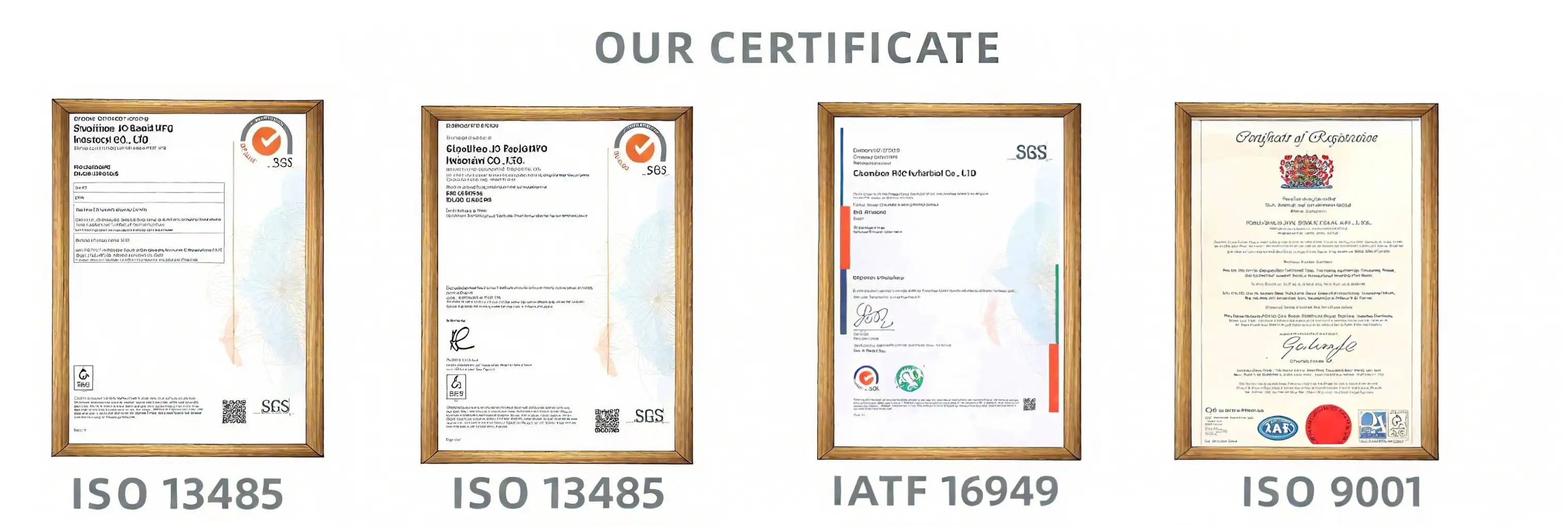
When evaluating a supplier, you should look at their professional skills, safety certifications, and history of on-time deliveries. ISO 9001 recognition shows that quality management systems are well-established, while certifications specific to a field show that the company has specialized knowledge. Case studies and references from customers are great ways to learn about how well a provider does in similar application situations. Logistics prices, wait times, and how well people can communicate are all affected by where things are located. When you need a lot of something, foreign sources might be cheaper, but domestic suppliers might be faster to respond and offer better technical help. The best mix relies on the needs of the application and the company's rules for buying things, such as managing risk and making sure suppliers are diverse.
Installation Best Practices and Maintenance Tips for Optimal Performance
The best performance and early failure due to stress concentrations caused by installation can be avoided by following the right steps. To get the right surface finish and dimensions, accurate drilling at the right cutting speeds and feed rates is needed for hole preparation. Reaming processes give you the final hole size and make sure the surface is smooth enough for inserting pins. To prevent damage from happening during assembly, installation tools must fit the Dowel Pin size and the features of the material. For press-fit installs to go smoothly, the force must be carefully managed so that the pin doesn't bend or the materials around it don't get too stressed. Hydraulic presses let you precisely control the force, while mechanical presses work well enough for most tasks as long as you keep an eye on the force.
Verifying the alignment during installation makes sure that everything is in the right place and stops binding that could lead to stress concentrations. Before the final tightening of the surrounding parts, measurement routines using precise tools make sure that the geometry of the assembly is correct. These steps of testing stop expensive rework and make sure that the performance of the assembly meets the requirements set by the designer. Programs for preventative maintenance make things last longer and find problems before they cause assemblies to fail. Pin quality, wear patterns, and signs of rust or stress concentration should be checked on a regular basis. Visual inspection and measurement checks make sure that performance stays within accepted limits.
Strategies for lubrication rely on the needs of the product and the conditions of the environment. Conventional lubricants work well in normal conditions, while dry lubricants work best in high-temperature situations. When making the choice, the materials used for the pins and the parts around them must be compatible so that bad chemical reactions don't happen. Scheduling replacements based on past service history and application needs stops surprise breakdowns and lowers maintenance costs. Using vibration analysis or thermal images for predictive maintenance can help find problems before they become assembly problems. These proactive methods cut down on downtime and make sure that the quality of the products always stays high.
Junsion: Your Trusted Partner for Precision Hardware Solutions
Dongguan Junsion precise Hardware Co., Ltd. is a global company that specializes in high-performance positioning pins and full furniture hardware solutions. They bring cutting-edge production skills to the precise hardware market. Our modern factory has 32 high-tech CNC machines spread out over 1,600 square meters of production space. This makes it possible to make exact parts with tolerances of up to ±0.01mm and surface finishes of Ra0.8μm or better. Our production services include CNC machining, EDM processing, five-axis machining, turning, milling, grinding, and a variety of finishing tasks. This wide range of tools makes it possible to make shapes with a lot of angles while still meeting the exacting standards needed for precision uses. Advanced quality control systems use statistical process control and thorough dimensional testing methods to make sure that the quality of the output is always the same.
Expertise in 45 different types of steel, aluminum alloy, stainless steel, plastic, and brass lets them choose the best material for each purpose. Surface treatments like anodizing, electroplating, powder coating, sandblasting, and other specialized finishing methods make things look better and work better. Our engineering team works with clients to make ideas as easy to make as possible while still meeting performance standards. Junsion keeps strict quality standards for every Dowel Pin by being ISO 9001:2015 certified and following RoHS rules. This makes sure that their goods meet world standards for quality and the environment. Regular testing of materials and group checks make sure that quality stays the same across production runs. Advanced measuring tools are used to make sure that dimensions are accurate and that tolerances are met. Load capacity testing procedures make sure that the system is safe and reliable in real-world settings.
As part of our quality management system, we keep detailed records, follow traceability rules, and work on ongoing improvement projects that make products better and cut down on wait times. Using customer comments to improve products and processes makes sure that solutions are in line with changing market needs. These methodical methods give global procurement workers the dependability and regularity they need. With quick response times, samples can be sent out within three days, and mass production orders can be finished in seven to fifteen days. This helps with quick product development processes while still meeting quality standards. Customers can meet tight project deadlines with this response without sacrificing the quality of the parts or the dependability of the delivery.
Conclusion
High-performance dowel pins are important parts that have a big effect on the quality of the assembly, the dependability of operations, and the long-term success of manufacturing. The difference between standard and precision-grade parts often determines whether businesses meet their performance goals or have to deal with expensive downtime because of parts that don't work right. To make sure they choose the best parts for the best price and performance, procurement workers have to look at things like the properties of the materials, the limits for sizes, and the abilities of the suppliers. Good installation and upkeep procedures extend the life of equipment and keep it from breaking down at the worst possible time, which could affect production plans and the quality of the goods.
Partner with Junsion for Superior Dowel Pin Solutions
Junsion is ready to meet your needs for precision hardware with its advanced manufacturing skills and unwavering dedication to quality. Professionals in buying work closely with our experienced engineering team to create unique solutions that improve both performance and cost-effectiveness. No matter if you need standard dowel pins or complicated custom designs, our wide range of services guarantees the prompt arrival of parts that exactly match your needs.
Get in touch with our technical experts at Lock@junsion.com.cn to talk about your unique needs and find out how our precision manufacturing skills can help your assembly processes. As a top dowel pin maker, we offer the quality assurance, expert support, and quick service that businesses around the world rely on for their most important parts.
References
1. Johnson, M. R., & Peterson, K. L. (2023). "Precision Fasteners in Modern Manufacturing: Material Selection and Performance Optimization." Journal of Manufacturing Engineering, 45(3), 127-142.
2. Anderson, D. K. (2022). "Dimensional Tolerance Analysis for High-Performance Assembly Components." International Conference on Precision Engineering Proceedings, 78-95.
3. Williams, S. J., & Brown, R. T. (2023). "Corrosion Resistance Evaluation of Stainless Steel Fasteners in Industrial Environments." Materials Science and Engineering Review, 31(2), 203-218.
4. Thompson, A. L. (2022). "Installation Best Practices for Precision Positioning Components in Electronics Manufacturing." IEEE Transactions on Manufacturing Technology, 18(4), 45-58.
5. Miller, J. P., & Davis, C. M. (2023). "Cost-Benefit Analysis of Precision versus Standard Grade Hardware Components in Industrial Applications." Journal of Industrial Engineering Economics, 12(1), 89-104.
6. Roberts, N. K. (2022). "Quality Control Standards for Precision Hardware Manufacturing: ISO and ANSI Compliance Guidelines." Quality Engineering Handbook, 5th Edition, Chapter 12, 334-367.