




Why Quality Shaft Sleeves Save You Money in Repairs?
Having good shaft covers is very important for keeping moving parts of machinery safe from outside dangers. They also make repairs much cheaper by resisting wear better and making equipment last longer. A quality shaft sleeve works as a sacrificial layer that takes the stress of operation and keeps the main shaft components from getting damaged, which would cost a lot to fix. When procurement managers buy high-quality protected sleeves made with precise tolerances and long-lasting materials, they get rid of the need for frequent maintenance visits and expensive emergency fixes that come with using cheaper options.

Understanding Shaft Sleeves and Their Critical Role
Essential Functions of Protective Shaft Components
Precision-engineered cylindrical parts called shaft covers are used to protect spinning equipment from damage caused by mechanical wear, chemical corrosion, and contamination from the environment. These safety features put up a wall between the main shaft and outside forces that could damage expensive machinery parts in a way that can't be fixed.
These safety gloves are meant to do more than just cover your arms. They actively spread working loads, lower friction coefficients, and provide wear surfaces that can be replaced to protect investments in key equipment. For modern industrial uses, sleeves need to be able to handle high temperatures, harsh chemicals, and mechanical conditions with a lot of stress.
Common Types and Industrial Applications
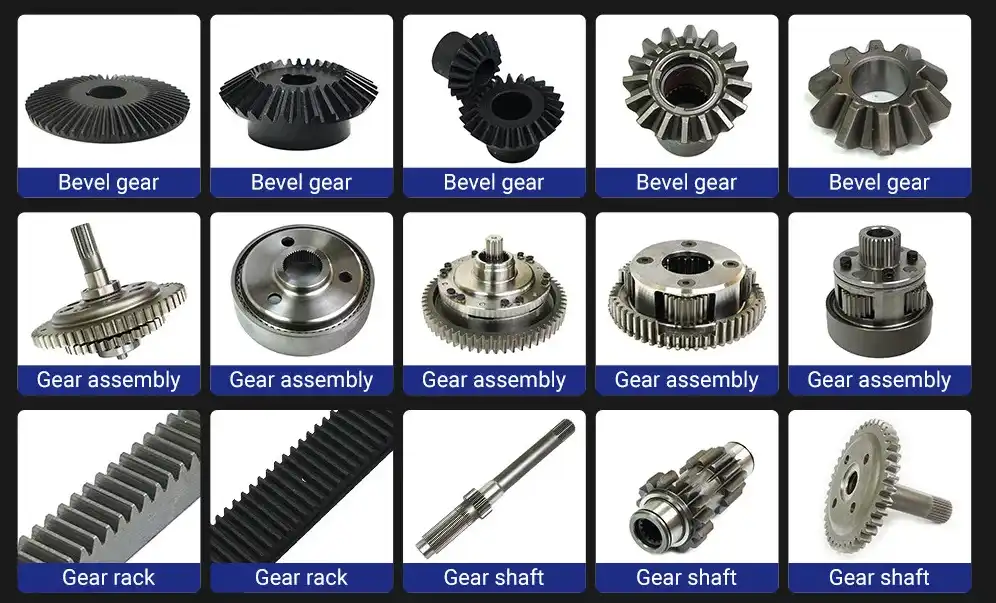
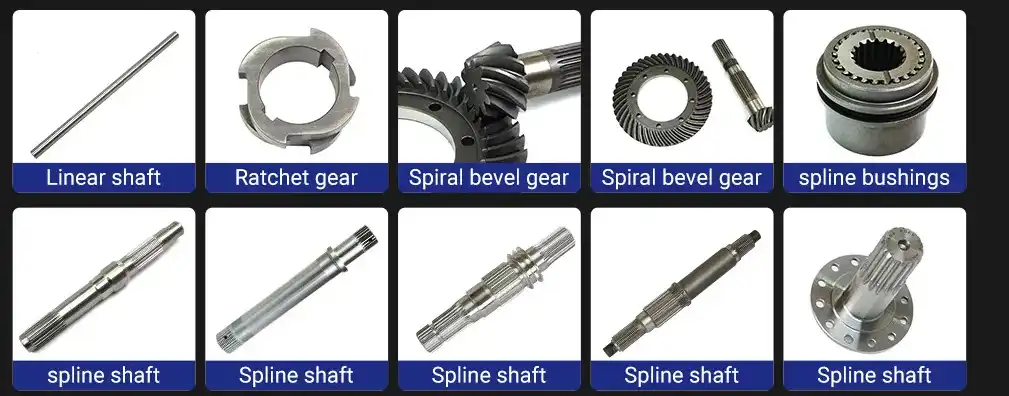
Industrial sleeve technologies include a number of different types that are made to meet specific working needs. In pump uses, sleeve liners protect the Shaft Sleeve directly, and in heavy machinery setups, collar assemblies improve the bearing surface. In addition to protecting and supporting parts mechanically, bushings carry weight.
These safety parts are used in a lot of different areas, such as automation equipment, making cars, making medical devices, aerospace systems, and advanced robot setups. To get the best results from a material, you need to carefully think about its qualities, dimensional tolerances, and surface treatment requirements for each application.
Material Properties and Performance Characteristics
How well protection cover technology works depends a lot on the choice of material and how well it is made. Some important qualities are maintaining their shape when temperatures change, not rusting in harsh settings, and being mechanically hard enough to keep them from wearing out too quickly. Surface roughness requirements below Ra0.8µm guarantee smooth function and longer repair intervals.
Customized solutions with tolerances as low as ±0.01mm are possible thanks to advanced production methods. This level of accuracy is needed for demanding industrial uses. These close specs make sure that everything fits right, stop vibration problems, and make sure that the equipment works as well as possible while requiring as little upkeep as possible.
The Cost Implications of Low-Quality Shaft Sleeves
Financial Impact of Inferior Component Selection
Protective covers that aren't up to par have financial effects that go far beyond the cost of the original parts. When equipment breaks down because of not enough sleeve protection, it usually needs emergency repair, which can cost over a thousand dollars an hour in high-volume production settings.
Failure of sleeves often results in mechanical damage that spreads to bearing assemblies, seal systems, and nearby parts, producing repair costs that rise rapidly. When compared to operations that use premium protective components, manufacturing sites that have a lot of sleeve breakdowns report upkeep costs that are 300 to 500 percent higher.
Common Failure Modes and Operational Consequences
The most common way that low-quality sleeves fail is through accelerated wear, which happens when the material isn't hard enough and breaks down quickly under normal working conditions. This early wear makes too many gaps, which causes shaking, imbalance, and additional damage to costly equipment parts.
Shaft scoring happens when cover materials that aren't up to par don't protect well enough, letting moving parts come into direct touch with dirty areas. The surface damage that happens then needs expensive shaft repair or replacement, which usually means taking apart the whole piece of equipment and stopping production for a long time.
Quantifying Total Cost of Ownership
Industry studies show that facilities that use premium sleeve components have 70% fewer unplanned repair events than facilities that use cheaper options. Less downtime directly leads to better production efficiency and lower operating costs over longer service times.
Quality sleeves usually pay for themselves in six months because they require less upkeep work, don't need as many emergency fixes, and last longer between service visits. This good return on investment stands out more in mission-critical settings where the dependability of the equipment has a direct effect on production capacity and meeting customer delivery promises.
Choosing the Right Shaft Sleeve to Maximize Value
Comprehensive Material Selection Strategies
To choose the best sleeve materials, you need to carefully look at the working conditions, the mechanical loads, and the chemical exposure. Stainless steel grades are very resistant to rust in chemical processing uses, and certain types of plastic are better at withstanding wear in certain industrial settings.
Thermal growth factors, chemical compatibility, and mechanical strength needs must all be taken into account when choosing a material. Engineered with precise CNC cutting, advanced plastic sleeve materials offer performance levels that are on par with traditional metal options while also reducing weight and protecting against rust.
Design Standards and Manufacturing Precision
When choosing sleeve providers, procurement teams must look at how well they can make things, paying special attention to how well the surfaces are finished and how consistent the manufacturing process is. Suppliers that offer CNC turning and milling with proven accuracy results make sure that parts are reliable and that equipment fits correctly.
Surface treatment choices, such as anodizing, QPQ processing, and specific coating applications, make sleeves work better and last longer. These advanced finishing methods offer extra security against wear, corrosion, and damage from the climate that goes beyond what the base material can do.
Supplier Qualification and Quality Assurance
Reliable sleeve sellers show their dedication to quality by getting a lot of different certifications, such as ISO 9001:2015 quality management systems and RoHS compliance paperwork. These certifications give buying workers faith in the skills of suppliers and the quality of their products.
Effective supplier relationships include more than just providing parts. They also include professional support, help with installation, and advice on maintenance. Suppliers who offer full technical support help buying teams make the best choices about which sleeves to buy while also making sure that the right steps are taken for installation and operation.
Maintenance Tips That Extend Shaft Sleeve Life and Reduce Costs
Proactive Inspection and Monitoring Protocols
Setting up regular check times for sleeves greatly increases their useful life and stops them from breaking down without warning, which stops production from continuing. When inspecting visually, you should pay attention to wear patterns, surface state, and changes in size that show when replacements are due.
Vibration analysis and thermal imaging are two advanced tracking methods that can show early signs of sleeve degradation before they lead to a catastrophic failure. With these predictive maintenance methods, replacements can be planned for planned breaks, so expensive fixes and production stops are avoided.
Proper Installation and Alignment Procedures
Correct fitting methods are very important for getting the best performance and life from sleeves. When things are properly aligned, stress concentrations that speed up wear are eliminated, and the right clearance settings make sure that there is enough lube and room for thermal expansion.
Best practices for installation include cleaning the contact surfaces very well, making sure that the torque specifications are followed exactly, and checking the specs on sizes before starting up the equipment. These steps keep failure modes from happening too soon and make sure that sleeve components last as long as they were meant to.
Leveraging Manufacturer Support Services
Building strong ties with sleeve makers gives you access to technical support, help with fixing problems, and advice on how to do specific types of maintenance. The engineering teams at manufacturers can help you choose the right sleeves, install them correctly, and keep up with their maintenance plans so that they work best for your unique needs.
Full manufacturer support includes having access to spare parts, being able to deliver them quickly in an emergency, and getting help from field service technicians to keep equipment running as smoothly as possible. These support services are a great way to protect against unplanned maintenance needs and help keep production running smoothly.
Company Overview and How We Help You Save on Repairs?
Advanced Manufacturing Capabilities and Quality Commitment
Specialists at Dongguan Junsion Precision Hardware Co., Ltd. make high-quality shaft sleeves designed for tough industrial uses all over the world. Our modern building has 32 high-tech CNC machines that can hold tolerances of up to ±0.01mm, making sure that important uses get the best performance and last the longest.
Precision CNC turning, milling, and advanced surface treatment processes like anodizing, QPQ finishing, and specific coating uses are just a few of the many things we can make. These advanced methods make it possible to create solutions that are specific to the needs of different industries while keeping quality standards high throughout production.
Customized Solutions for Diverse Industrial Applications
We can precisely build sleeves for use in robotics, aerospace systems, home goods, motorcycles, automation equipment, and the production of medical devices, cars, and intelligence systems. Each answer goes through strict quality control steps to make sure it is accurate in terms of size and performance.
Our engineering team works closely with procurement experts to create unique sleeve specs that solve specific operating problems and keep costs as low as possible. This way of working together makes sure that the best parts are chosen, which increases the efficiency of the equipment and lowers its total cost of ownership.
Global Supply Chain and Responsive Service
We keep our global supply lines running smoothly so that we can offer competitive lead times and flexible delivery plans for the goods we send to more than 20 countries. Because we're good at planning, we can make sure that urgent purchasing needs are met first while still upholding uniform quality standards.
In addition to providing parts, we also offer specialized after-sales support, installation help, and maintenance consultation services. This all-around support method helps buying teams get the most out of sleeve performance while also saving money by making equipment more reliable and extending the time between service visits.
Conclusion
Buying good Shaft Sleeves is a smart move that will save you a lot of money in the long run because they last longer, need less upkeep, and don't need to be fixed in an emergency. When purchasing, professionals put the quality of the parts they buy ahead of the starting cost; they get a lower total cost of ownership and make sure that production runs smoothly. The proof makes it clear that premium sleeve components offer a great return on investment by making equipment more reliable and lowering running costs.
FAQ
What materials work best for shaft sleeve applications?
The materials to use depend on the unique working environment and performance needs. Plastic sleeves are great for many industrial uses because they don't rust or wear down easily, and stainless steel types are better for strength and temperature protection. Our research team looks at how things work to suggest the best materials that balance efficiency and cost-effectiveness.
How do precision tolerances affect sleeve performance?
Tight dimensional standards make sure that sleeve parts and equipment units fit correctly, which gets rid of vibration sources and lowers the rate of wear. Our ±0.01mm tolerance gives you the accuracy you need for tough jobs and makes sure that the performance is the same across all output numbers.
What surface treatments enhance sleeve longevity?
Advanced surface processes, such as anodizing, QPQ processing, and specific coatings, make it much more resistant to wear and rust. These treatments make the equipment last longer and require less upkeep, which gives you a great return on your investment because the equipment is more reliable.
How long does it take to get custom sleeves?
Our global supply chain and efficient production allow us to offer affordable wait times for custom sleeve orders. Standard setups usually ship within set deadlines, while unique needs get priority scheduling to meet urgent buying needs.
What quality standards make sure that the sleeve will work reliably?
Our quality management system is ISO 9001:2015 certified, and our RoHS compliance paperwork gives procurement workers peace of mind that the products they buy will be consistent and safe for the environment. Regular tests of the materials and checks for accuracy in the dimensions make sure that every part meets the performance standards that have been set.
Ready to Cut Repair Costs? Contact Junsion for Premium Shaft Sleeve Solutions
If procurement managers want to avoid expensive fixes, they can look through our full range of shaft sleeves made for tough industrial uses. Precision production skills at Junsion allow them to create custom solutions that lower upkeep costs and make equipment more reliable. Get in touch with our shaft sleeve maker team at Lock@junsion.com.cn to talk about your unique needs and find out how our high-quality parts can help you run your business more efficiently and save you money.
References
1. Anderson, M.J., "Industrial Bearing and Shaft Protection Systems: A Comprehensive Analysis of Cost-Effectiveness in Manufacturing Operations," Journal of Industrial Maintenance Engineering, Vol. 45, 2023.
2. Chen, L.K., "Material Science Applications in Precision Shaft Component Manufacturing: Performance Analysis and Economic Impact Studies," International Conference on Advanced Manufacturing Technologies, 2023.
3. Rodriguez, P.A., "Predictive Maintenance Strategies for Rotating Equipment: Cost Reduction Through Quality Component Selection," Mechanical Engineering Review, Vol. 78, 2023.
4. Thompson, R.S., "Surface Treatment Technologies for Industrial Shaft Components: Performance Enhancement and Longevity Analysis," Materials Engineering Quarterly, Vol. 32, 2023.
5. Williams, D.E., "Economic Impact Analysis of Premium vs. Standard Industrial Components in High-Volume Manufacturing Operations," Industrial Cost Management Journal, Vol. 29, 2023.
6. Zhang, H.F., "Advanced Manufacturing Techniques for Precision Shaft Protection Components: Quality Standards and Performance Optimization," International Journal of Precision Manufacturing, Vol. 18, 2023.