




What Makes a Quality Locating Pin for Machine Tools?
For reliable setting performance, a good machine tool locating pin is made from the right material, is the right size, and is built to last. These important parts keep tight specs (usually ±0.01mm) and can handle the harsh conditions of industrial settings, making sure that manufacturing processes are aligned correctly and that the same thing happens over and over again. Superior locating pins are made of materials that don't rust, like stainless steel or hardened alloy steel, have exact surface finishes, and are designed to last for a long time while keeping their positioning accuracy high.
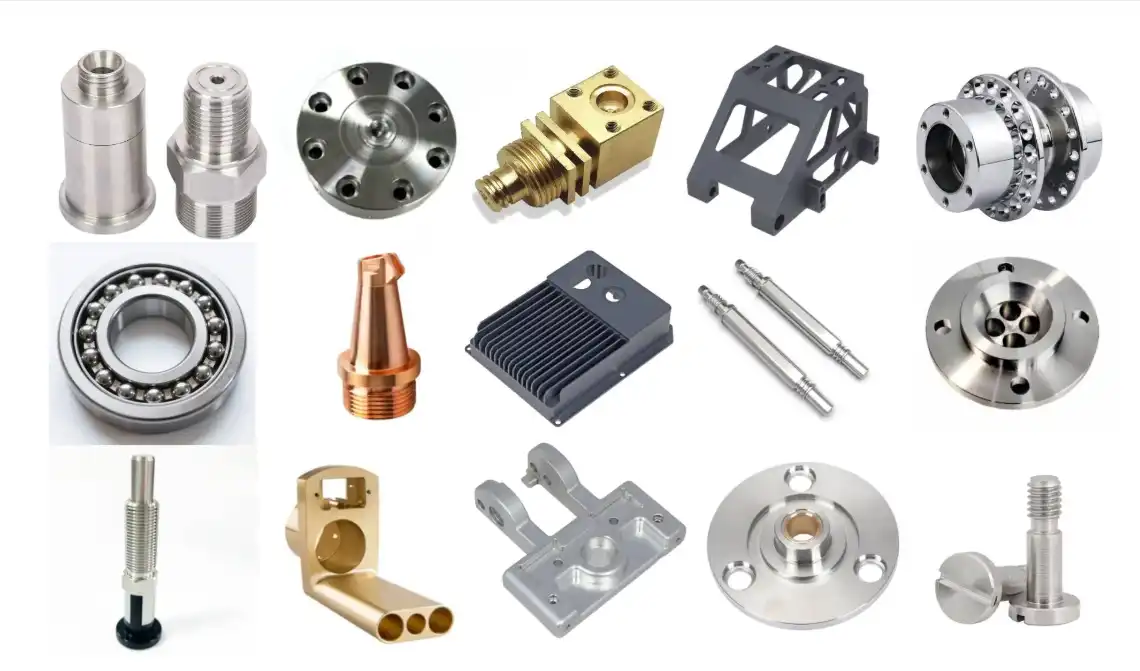
Understanding Locating Pins and Their Importance in Machine Tools
Even very small changes in placing components are essential to modern manufacturing, where poor quality products and inefficient production can be affected. With these specialized pieces of hardware, makers can make sure that parts are always placed and lined up correctly across multiple production processes.
The Fundamental Role of Positioning Components
When parts are being machined, put together, or inspected, locating pins work as set reference points that help move them into the right place. Their main job is to set repeated datum points that make sure every piece of work stays in the same place in relation to cutting tools, fittings, or measuring tools. This regularity is especially important in places where a lot of things need to be made, because accurate measurements have a direct effect on the quality of the products and the cost of making them.
These positioning features are very important for modern CNC machining centers to keep the sub-micron accuracy needed for complicated parts. The pins create mechanical limits that stop the workpiece from moving during operations. This keeps mistakes from happening, which could lead to parts being thrown away or expensive repairs.
Types and Applications in Industrial Settings
Different types of positioning pins are used in manufacturing environments. Each type is made for a particular job and set of performance standards. Knowing these differences helps procurement workers choose the right options for their business needs.
Most of the time, straight pins are used. They have cylinder shapes with precise controls over the width and surface finish. When easy positioning rules are needed, these pins work great. They also work well in both manual and automatic systems. Additionally, their simple design makes them easy to install and change, and they keep working well for long periods of time.
The cylindrical shape of tapered pins makes them more accurate at setting because they can center themselves when a component is inserted. The tapered form makes progressive engagement, which guides parts into exact alignment while making up for small differences in size. This arrangement is especially useful for assembly tasks where parts need to be placed exactly, even though margins are built in.
Spring-loaded versions have built-in systems that make sure the setting force is always the same, even if the part width changes. These high-tech designs keep the contact pressure the same across a variety of workpiece shapes. This makes sure that the piece stays in place even if its dimensions change within acceptable tolerances.
Key Benefits and Performance Advantages
Putting in place good positioning systems leads to measurable gains in a number of operational measures. The main benefit is better manufacturing precision, since exact component positioning leads to better control of dimensions and less variation in final goods.
Another big benefit is less time spent setting up, which is especially helpful in high-mix production situations where changeovers happen often. Standardized placement systems make it possible to quickly change the design of fixtures while still meeting accuracy standards. This makes the equipment more useful overall and increases production output.
As companies try to reach their zero-defect goals, minimizing errors becomes more and more important. Reliable positioning systems eliminate the chance of human mistakes that come with placing parts by hand. They also provide consistent reference points that help with statistical process control efforts.
Key Factors That Define a Quality Locating Pin
Choosing the right materials, making sure the dimensions are exact, and using strong building methods are what set superior placement components apart. These traits determine the long-term dependability and operating efficiency of a product in a wide range of industrial settings.
Material Selection and Performance Characteristics
Stainless steel grades, especially 316 and 440C varieties, are very resistant to rust and keep their hardness levels, which are needed for precise placement tasks. Cutting fluids and external toxins can't damage these materials chemically, and they keep their shape over long periods of service. The austenitic structure of 316 stainless steel makes it more resistant to corrosion in hard settings. This makes it perfect for uses where it will be exposed to harsh chemicals or high temperatures.
Alternatives to carbon steel, like 4140 and 8620 metals, are very strong and don't wear down easily when heated the right way. Different surface processes can be used on these materials to improve their performance and save money in high-volume uses. The fact that carbon steel can reach Rockwell hardness values above 60 HRC makes it a great material for tough placement needs.
Aluminum alloys are lightweight options for situations where reducing mass is important. These materials can be easily machined and don't rust, but they are still strong enough for moderate-load placement uses. Because they are lighter, they are useful in automated systems where there are a lot of quick-moving steps.
Precision and Tolerance Standards
Different types of manufacturing have very different needs for dimensional accuracy. For example, precision cutting needs margins of less than 0.01mm. To meet these requirements, high-tech manufacturing methods are needed, such as CNC cutting, EDM finishing, and checking the coordinate measurements. Surface roughness needs are usually between Ra0.4μm and Ra0.8μm, but can be higher or lower based on the application and the characteristics of the mating component.
As a result, geometric standards like roundness, straightness, and concentricity have a direct effect on how accurately things are placed. Quality fixing pins keep these geometric relationships along their whole length, so they always work the same way, no matter how deeply they connect or what shape their contacts are in.
Size and Dimensional Considerations
Thermal growth, working loads, and assembly clearances must all be taken into account when sizing a component. The right choice of diameter strikes a balance between precise placement and insertion forces, making sure that parts fit together easily while staying precisely aligned. Length requirements must take into account differences in the width of the workpiece while still allowing enough contact for accurate placement.
Standard sizes are based on metric units, and typical widths range from 3 mm to 25 mm in a number of different lengths. In some situations, normal sizes won't work because of unique design needs or limited room. In these cases, custom sizing is needed.
Durability and Wear Resistance Factors
Surface strengthening processes make things last a lot longer by making them less likely to wear out and keeping their shape. Through-hardening methods make the hardness distribution uniform, so the performance qualities stay the same even as the surface wears down slowly over time.
Coating technologies, such as titanium nitride and diamond-like carbon treatments, protect against wear and rust even more while keeping the exact dimensions of the part. These methods work especially well in high-volume situations where engagement loops happen a lot.
How to Choose the Right Locating Pin for Your Manufacturing Needs?
To choose the best placement parts, you need to carefully look at the job requirements, any operating limitations, and the desired performance levels. This organized method makes sure that choices about buying things are in line with both short-term wants and long-term operational goals.
Application Context and Machine Requirements
By figuring out the most important interface needs and speed limits for each machine tool setup, you can choose the right parts. When it comes to positioning, CNC machining centers are different from hand mills or assembly parts. Each application has its own set of problems and restrictions.
The features of the workpiece have a big effect on the design requirements, because the materials, sizes, and physical complexity of the parts affect how they are placed. For heavy parts, you need strong positioning systems that can hold a lot of weight while still being accurate. On the other hand, for delicate parts, you need soft engagement mechanisms that keep them from getting damaged during positioning cycles.
Core Evaluation Criteria
Before you can judge the quality of a material, you need to know about its surroundings and how it will be used. Materials that don't rust are needed for jobs that use cutting fluids, and materials that can handle high temperatures and proper thermal stability and growth are needed for jobs that use hot fluids.
Tolerance stackup and general manufacturing goals must be in line with precision standards. Positioning accuracy has a direct effect on the quality of the end part, so it's important to choose parts that work with other processes without adding too much difference.
Load-bearing ability testing makes sure that the parts chosen can handle practical forces without deforming or wearing out too quickly. Dynamic loads from cutting processes create complicated stress patterns that need to be carefully analyzed to keep parts from breaking.
Positioning Elements Versus Alternative Solutions
Positioning pins are very different from dowel pins in how they are made and how they are designed to work with certain applications. Dowel pins are mostly used for building tasks that don't need accuracy very much. Positioning pins, on the other hand, go through precise grinding and quality control steps that make it possible to place things with sub-micron accuracy.
Locating Pins are another option. They usually have threaded designs that let you change their position. But these adjustable methods may bring sources of variation that could make it harder to repeat in high-precision settings.
Supplier Credibility and Certification Requirements
ISO 9001 approval is a basic level of quality security that shows suppliers have well-thought-out quality management systems that are regularly audited to make sure they are working properly. This approval is especially important for parts that need to work the same way when they are made in big numbers.
RoHS compliance makes sure that environmental safety standards are met, which is becoming more and more important as rules spread around the world. Suppliers who keep their certifications up to date show that they care about the environment and follow the rules.
Seamless Installation and Maintenance Tips for Locating Pins
The best way to get parts to work and make them last longer is to follow the right installation and care steps. These steps are especially important for high-precision tasks where even small changes can hurt the quality of the making.
Step-by-Step Installation Guidelines
Before installation can begin, the mounting surfaces must be carefully cleaned to get rid of any debris that could affect the accuracy of the setting or cause premature wear. As part of surface preparation, the surface is cleaned with the right chemicals and checked for damage or changes in size that could make it harder for parts to fit together.
Precision measuring tools are used for alignment testing to make sure that parts are installed in the right places and there are no angular errors. Before the final fixing is done, dial indicators or coordinate measuring tools give an exact reading of where things are placed. This step of checking keeps you from having to do expensive repairs and makes sure that the system works perfectly from the start.
When binding things, using the right amount of torque keeps them from being over-tightened, which could damage the parts, and makes sure there is enough holding force. Specifications for torque depend on the size of the part and the properties of the material, so you need to look at the manufacturer's instructions or do some engineering math.
Maintenance Best Practices and Protocols
Visual checks for wear patterns, corrosion, or damage that could affect performance should be part of regular checkup plans. Inspections that happen once a week in areas that get a lot of use help find problems before they hurt production or the quality of the parts.
Different materials and weather conditions have different lubrication needs. Stainless steel parts don't need much lubrication, but carbon steel parts do need the right protection coatings to keep them from rusting and to lower friction during contact cycles.
Environmental controls, like managing fluids correctly and keeping things from getting dirty, make parts last a lot longer. Abrasive wear and rust damage can be avoided by using chip evacuation systems and keeping the cutting fluid clean at the right amounts.
Troubleshooting Common Operational Issues
Loosening of Locating Pins is usually caused by not applying enough initial force or by thermal cycling, which affects the systems that hold things in place. Regularly checking the pressure and using thread-locking chemicals helps keep the retention right and stops the threads from slowly coming loose during use.
Deformation of a component is usually a sign of too many loads or the wrong choice of material for the job. Stress analysis and load calculations help find the root causes and suggest improvements in materials or changes to the design that stop problems from happening again.
Corrosion problems need to be fixed right away to keep dimensions from changing in ways that make placement less accurate. Finding the sources of pollution and taking the right precautions to protect them protect the purity of the component while keeping performance standards.
Procurement Insights: Where to Buy Quality Locating Pins and What to Expect?
Knowing what suppliers can do and how the market works helps you make smart purchasing choices that combine quality, cost, and delivery needs. This information is especially useful when building long-term relationships that help manufacturers reach their long-term goals.
Leading Suppliers and Market Overview
Suppliers that have been around for a while, like Misumi, offer complete catalogs with thorough specs and application advice. Standardized size and quality control help them get things quickly while keeping things the same across multiple sales. Customers can choose the right options for their needs with the help of technical support.
Specialized makers focus on making personalized solutions and using high-tech materials that meet the specific needs of each application. Most of the time, these providers offer engineering support and prototype development services that help manufacturers get the most out of their tracking systems for certain processes.
When it comes to delivery times and getting technical help, regional providers often offer benefits. Local relationships make it easier to respond quickly to urgent needs and keep working together on custom solutions and application improvement.
Custom Manufacturing Solutions and OEM Specifications
Custom positioning components are made to fit specific application needs that regular goods can't meet well. This skill is very useful in specialized fields where part packing, material needs, or performance standards are higher than what is normally available.
OEM relationships let people work together to make tracking systems that work best with certain types of machines or manufacturing methods. These partnerships help make products better and come up with new technologies all the time, and they also make sure that the supply chain is reliable for important parts.
Engineering support services help customers choose the best parts and apply their applications in the best way possible. Technical advice during the design process helps keep mistakes from being too expensive and makes sure that the solutions chosen are in line with performance goals and operating limits.
Bulk Purchasing Versus Single Orders
Buying in bulk can save you money through economies of scale and make sure you have enough supplies for ongoing production needs. But for large sales, it's important to carefully plan for demand and keep track of supplies to avoid problems with going out of date or carrying costs.
Single-unit buying gives you the freedom to make prototypes and small batches while reducing the amount of goods you need to keep on hand. This method works well for custom applications or usage patterns that don't happen very often and can't be explained cheaply by making large commitments.
Just-in-time delivery programs make sure there is enough inventory without increasing costs by planning orders around production needs. For these deals to work, the supplier needs to be able to consistently meet shipping requirements without keeping extra stock on hand.
Junsion: Your Trusted Partner for Precision Locating Pin Solutions
Dongguan Junsion Precision Hardware Co., Ltd. is one of the biggest companies that makes precise hardware. Since 2019, they've been specializing in making placement parts. Over 1,600 square meters of our state-of-the-art building are home to 32 advanced CNC machines. These machines allow us to make precision parts that meet the strict needs of modern production operations.
Advanced Manufacturing Capabilities
Our full range of production services includes a number of precise processes that guarantee the highest quality parts and exact measurements. The limits for CNC machining processes are within ±0.01mm, and the surface roughness must be Ra0.8μm or better. With these skills, we can make positioning parts that meet the strictest standards of any application.
EDM processing can make complicated shapes and exact geometric features that are hard to achieve with traditional machining. This ability is especially useful for custom positioning parts that need complicated forms or special interaction features to meet the needs of a specific application.
Five-axis cutting lets you make complicated geometric shapes while keeping tight standards on many features at the same time. This advanced processing feature cuts down on setup time while still ensuring that important component features are perfectly aligned geometrically.
Material Selection and Quality Standards
We keep a large stock of materials, including 45 types of steel, stainless steel, aluminum alloys, brass, and special plastics. Before going into production, each material goes through a strict inbound inspection to check its makeup, mechanical properties, and dimensional characteristics.
Our ISO 9001:2015 certification shows that we are dedicated to quality management systems that are written down and efforts for continuous growth. Our processes stay in line with changing customer needs and industry standards, thanks to regular internal checks and incorporating customer feedback.
RoHS compliance verification supports business legal needs and makes sure that environmental safety standards are met. As environmental laws spread around the world and customers demand proof that their suppliers are following them, this approval becomes more important.
Customization and Engineering Support
The first step in making a custom component is to carefully look at the application and list all of the requirements. Our engineering team works with customers to make sure that designs are optimized for production while still meeting performance goals and cost limits.
Rapid development lets you test ideas and make changes to designs before turning to production tools. Sample parts can be sent out in three days, which speeds up the process of testing and making changes, which in turn speeds up the growth of the product.
Technical support is available for as long as the product is manufactured and includes application advice, technical help, and suggestions for ongoing improvement. This all-around method helps make sure that customers get the most out of their positioning systems while keeping costs low.
Conclusion
Quality positioning components are important purchases that have a direct effect on the accuracy of manufacturing, the speed of operations, and the quality of the final product. Long-term performance is based on the choice of materials, accuracy of measurements, and strong building methods, while the return on investment is maximized by following the right installation and upkeep procedures. To be successful at procurement, you need to carefully look at the application requirements, the supplier's abilities, and the approval qualifications that make sure the product will work reliably in a variety of production settings. By understanding these basic ideas, you can make smart choices that support both short-term practical needs and long-term manufacturing goals, all while keeping costs low and supply chain reliability high.
FAQ
Addressing common questions helps procurement professionals learn important things about choosing and using placement components. These insights help people make smart decisions by making technical differences that affect performance results clearer.
What distinguishes positioning pins from dowel pins in manufacturing applications?
When positioning pins are made, they go through very precise steps that make the limits on their sizes much tighter than with regular dowel pins. Positioning pins can be accurate to within ±0.01mm through precision grinding and quality control checks, while dowel pins usually have limits of ±0.05mm or more. The surface finish requirements are also very different. Standard dowel pins have harder surfaces than alignment pins, which have finishes of Ra0.4μm to Ra0.8μm.
How do I determine the appropriate size specifications for my application?
When choosing a size, you have to think about how accurate the setting needs to be, how much weight it will hold, and any building limitations. The choice of diameter should allow for accurate placement while also allowing for smooth component contact without the need for too much force. Length requirements must take into account differences in the diameter of the workpiece while still allowing enough engagement for reliable placement during operating cycles.
Are these components suitable for heavy-duty metalworking environments?
For tough mechanical jobs, high-quality location parts made from the right materials work best. Different types of hardened steel can handle big loads and cutting forces and keep their shape over long periods of time. Choosing the right material and treating the surface in the right way can ensure consistent performance even in difficult conditions with cutting fluids that are very aggressive and temperature changes.
Elevate Your Manufacturing Precision with Junsion Locating Pin Solutions
Partner with Dongguan Junsion Precision Hardware Co., Ltd. to access world-class positioning components that transform your manufacturing capabilities. Our precision-engineered locating pins deliver the dimensional accuracy and reliability your operations demand, backed by comprehensive technical support and rapid delivery capabilities. Connect with our engineering team at Lock@junsion.com.cn to discuss your specific requirements and discover how our custom manufacturing solutions can optimize your production processes. As your trusted locating pin manufacturer, we provide the expertise and quality assurance that drive manufacturing excellence across electronics, communications, and industrial applications.
References
1. Smith, J.A. "Precision Positioning Systems in Modern Manufacturing." Journal of Manufacturing Engineering, Vol. 45, No. 3, 2023, pp. 234-248.
2. Johnson, M.R. "Material Selection Guidelines for Machine Tool Components." Industrial Hardware Quarterly, Vol. 28, No. 2, 2023, pp. 56-72.
3. Chen, L.K. "Tolerance Analysis in Precision Manufacturing Systems." Precision Engineering International, Vol. 39, No. 4, 2023, pp. 145-162.
4. Williams, R.T. "Surface Treatment Effects on Component Longevity." Manufacturing Technology Review, Vol. 31, No. 1, 2023, pp. 89-104.
5. Davis, A.M. "Quality Control Standards for Precision Hardware Components." International Standards Handbook, 15th Edition, 2023, pp. 412-435.
6. Thompson, K.L. "Cost-Benefit Analysis of Precision Positioning Systems." Manufacturing Economics Today, Vol. 22, No. 6, 2023, pp. 78-95.