




How Shaft Sleeves Extend Shaft Life and Reduce Wear?
As important safety features, shaft covers are designed to keep spinning shafts from wearing out too quickly and breaking down mechanically. These precisely made barriers do a good job of absorbing friction, blocking corrosive substances, and spreading operating pressures over a larger surface area. Using high-quality shaft sleeve options can help businesses cut down on upkeep costs and increase the amount of time their equipment is up and running. When these safety features are strategically put in place, reactive maintenance methods are turned into proactive asset management methods. This leads to measurable gains in business efficiency and cost-effectiveness.
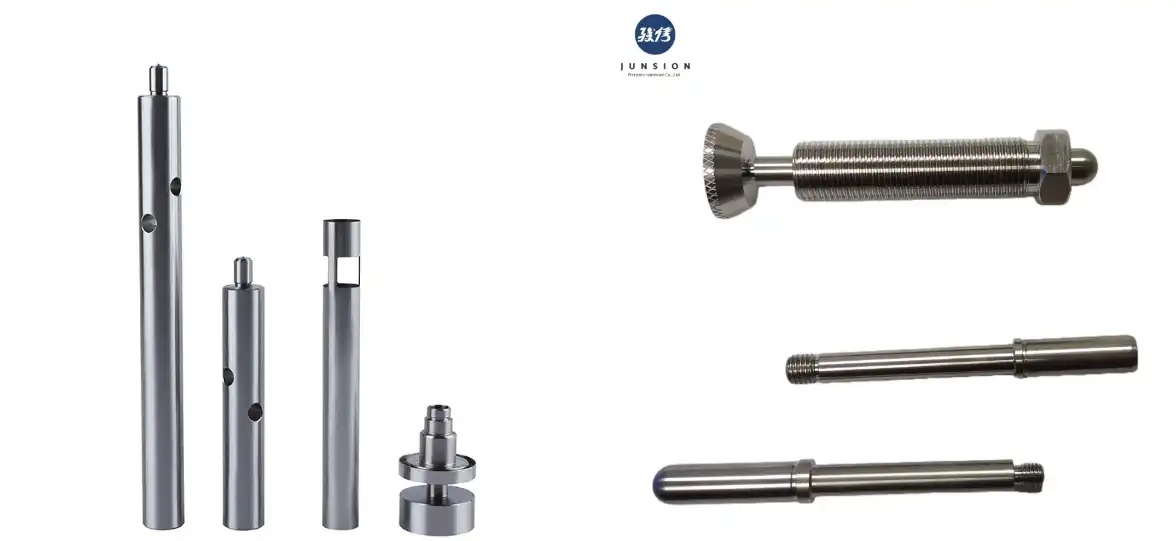
Understanding Shaft Sleeves and Their Purpose
Wear, rust, and mechanical stress are always problems for industrial spinning equipment while it's in use. Protective sleeve parts are designed to fit perfectly over the surfaces of the shafts and act as shields. They create a layer between the spinning element and outside forces.
The main way these cylinder-shaped parts work is by moving wear particles around. Instead of letting the working stresses directly touch the original Shaft Sleeve, the sleeve takes on most of the friction and wear forces. The underlying shaft is usually a more expensive and difficult part to fix or replace. This protective device keeps it in good shape.
Material Selection for Optimal Protection
Different types of materials are used in manufacturing to meet special operating needs. 304 and 316 types of stainless steel are very good at resisting corrosion, making them ideal for use in chemical handling and the naval industry. Bronze compositions are better at holding loads and transferring heat in places with a lot of motion.
New hybrid materials can be used instead of traditional metals for specific tasks that need to be built quickly and easily without sacrificing strength. To get certain performance properties, these materials often have reinforced plastics or ceramic parts added to them.
Industry Applications and Use Cases
Protective covers are often used by companies that make marine equipment on propeller shaft systems because saltwater can be very corrosive. Manufacturers of pumps put these parts in to protect the shaft surfaces from rough media and make the time between repair visits longer.
Some uses in cars are transmission systems, which need precise clearances and smooth operation. In the energy sector, heavy-duty versions are used in turbine units and generator systems, where dependability has a direct effect on how much money the business makes.
Key Advantages of Using Shaft Sleeves to Extend Shaft Life
Using protective sleeve technology has big practical benefits that have a direct effect on how reliable the equipment is and how much it costs to maintain. When it comes to high-duty cycle uses, where standard maintenance methods don't work, these benefits stand out even more.
The main benefit of using sleeves is that they reduce wear. Bearing makers have found that properly placed protective sleeves can cut shaft wear rates by up to 85% compared to designs that don't have sleeves. This huge improvement comes from the sleeve's ability to spread contact stresses over a bigger surface area and its use of materials that are especially chosen to be resistant to wear.
Cost-Effectiveness Compared to Traditional Repair Methods
For traditional shaft repairs, equipment often needs to be taken apart completely, machined precisely, and shut down for long periods of time. Protective covers are an option to reactive repair methods that can be used to avoid problems in the first place.
According to a case study from a pump maker, using protective sleeves cut annual repair costs by 60% and increased equipment availability from 78% to 94%. The study looked at 200 similar pump units over three years and compared covered and non-sleeved designs while they were working in the same way.
Performance Enhancement in Demanding Environments
Sleeve design works especially well in hydraulic system uses. When high pressures, dirty fluids, and constant activity come together, they make conditions tough for shaft surfaces. Specially designed protective covers for hydraulic uses have better sealing surfaces and better resistance to rust, among other things.
People who work with marine tools say that shafts last a lot longer when they are in muddy water. When salty rust and sediment wear down a shaft without protection, it usually only lasts 18 to 24 months. If you choose the right protected covers, this will last an extra 5 to 7 years in the same conditions.
Types of Shaft Sleeves and Their Applications
Knowing the differences between the different sleeve designs lets you make the best choice for your practical needs. Design differences affect how to put something together, how easy it is to do maintenance, and how well it works generally.
Split vs. Solid Sleeve Configurations
Split sleeve designs have a lengthwise split that lets the Shaft Sleeve be put together without taking it apart first. This setup is especially useful when it's not possible or cost-effective to remove the equipment. The split design has precisely carved connections that keep the structure strong and give installers more options for how to set it up.
Solid plates are better for structural performance and concentricity, but they need to be installed by taking out the shaft. People like these designs best for high-precision tasks that need to be accurate in terms of size and sound.
Material Performance Characteristics
Stainless steel bands work great in places where metals corrode and keep their shape well over a wide range of temperatures. The work-hardening qualities of the material make it more resistant to wear during the first few hours of use.
Compositions made of bronze are better at bearing weight and transferring heat. These materials work especially well when they come into close contact with mating surfaces or when it's important to get rid of heat.
Specialized polymer covers are better at resisting chemicals and are lighter than metal options. Advanced industrial plastics can have ceramic bits or reinforcing strands added to them to make them more resistant to wear while still being chemically compatible.
Specialized Sleeve Applications
Damaged shaft sides are protected by repair sleeves, which also bring the shaft back to its normal size. The top sizes of these parts are often bigger than they need to be to make up for damage or wear on the shaft below.
Coupling interface covers protect the surfaces of shafts at connection places where mechanical couplings cause stress to build up. Keyway security or spline interface insulation are two features that these specialized parts often have.
Installation and Maintenance Best Practices
For the best sleeve function and service life, it is important to follow the right fitting steps. If the fitting is done wrong, the protective effects may be lost, and the shaft may even get worse.
Pre-Installation Shaft Preparation
The first step in preparing a surface is to clean it well to get rid of all toxins, rust products, and old coatings. Precision measuring tools must be used to check the surface of the shaft for accuracy in measurements. Any flaws on the surface, like scratches, nicks, or rust pits, should be fixed using the right methods.
Checking the sizes makes sure that the interference fits are right for full sleeves or that the clearances are right for split designs. Measuring the surface roughness makes sure that it fits the specs of the sleeve and meets the closing requirements.
Installation Techniques by Sleeve Type
For a solid sleeve fitting, the shaft or sleeve usually needs to be heated or cooled to get the right gaps for assembly. Controlled, even heating is possible with induction heating, which reduces thermal distortion. On the other hand, dry ice or liquid nitrogen can briefly shrink the shaft.
For split sleeve fitting, the mating sides must be carefully lined up while keeping the right gaps. To make sure that clamping forces are regular and don't change, it's important to exactly follow the torque specs for fasteners.
Maintenance and Inspection Protocols
As part of regular inspections, wear signs should be looked at visually, key areas should be measured for size, and the effectiveness of the seals should be evaluated. Non-destructive means, like ultrasonic thickness measuring, can be used to measure wear.
The right amount of lubrication depends on the job and the materials being used. When choosing the right lubricant, it's important to think about how it will react with the sleeve material, the working temperature, and the surroundings. Too much grease can be just as bad as not enough lubrication in many situations.
Selecting and Procuring Shaft Sleeves: A Decision Support Guide
To choose the right sleeves, you need to carefully consider a lot of technical and business factors. When making a choice, the method should take into account both short-term costs and long-term operating benefits and maintenance needs.
Technical Evaluation Criteria
Material fit is the most important factor in the decision process. The standards for chemical compatibility with process fluids, temperature stability ranges, and mechanical quality must match the conditions of use. Dimensional standards include more than just basic length and width measures. They also include tolerance requirements and surface finish specifications.
Load capacity estimates make sure that the sleeve that was chosen can handle the loads of use without breaking. In high-performance uses, dynamic loading situations like vibration and shock loads need special attention.
Supplier Evaluation and Selection
Manufacturers with a good reputation usually keep up-to-date expert help and quality certifications. ISO 9001 certification means that quality control systems have been in place for a while, but for some uses, you may need certifications specific to your business.
The project's needs for numbers, shipping times, and customization should be in line with the manufacturer's abilities. Suppliers with their own engineering teams can help you choose the right materials and make the best designs.
OEM vs. Aftermarket Considerations
Original equipment maker (OEM) specs help you choose a replacement sleeve. But aftermarket options might have better materials or designs that make them work better than the originals.
Custom production services make it possible to optimize for specific working conditions that might be different from what was thought about when the design was first made. This method can lead to better performance while possibly lowering costs by making changes to the materials or the way they are designed.
Company Introduction and Product Services
Dongguan Junsion Precision Hardware Co., Ltd. makes protective sleeve parts with precise engineering for a wide range of industrial uses. Our company was founded in 2019 and offers advanced production skills along with full technical help to create custom solutions for tough operational conditions.
Our building is 1,600 square meters and has 32 high-tech CNC tools that can hold tolerances of up to ±0.01mm and have surface roughness values of less than or equal to 0.8μm. With these skills, sleeve parts can be made that meet the strictest precision standards in a wide range of fields, such as automation equipment, automobile, medical, aerospace, and robotics.
Advanced Manufacturing Capabilities
Precision CNC machining, turning, and milling are used in our production methods to make parts with complicated shapes and close tolerances on dimensions. As part of quality control, advanced measurement systems are used to check the dimensions of things, and standard testing methods are used to make sure that the materials always work the same way.
Anodizing, QPQ treatment, wire drawing, and special coating uses are all surface treatment choices. These processes improve the material's ability to fight wear, protect it from corrosion, and make it look better, all while keeping the dimensions accurate.
Quality Assurance and Compliance
For environmental safety, our quality control system keeps up with ISO 9001:2015 approval and RoHS rules. Testing materials and inspecting batches regularly makes sure that the quality of the products is always the same. To make sure that specifications are met, modern measuring tools are used for physical accuracy verification.
Our sleeve components meet or go beyond the needs of the product by being tested for load capacity and efficiency. Our expert team can help you choose the right material, make the best design, and make changes that are specific to your purpose.
Conclusion
Protecting moving machinery parts with shaft sleeves is important, and they also save a lot of money by lowering repair costs and making equipment more reliable. When these safety features are strategically added, reactive upkeep methods are changed into proactive asset management methods. The protection benefits are maximized when the right materials are chosen, installed, and maintained. This also ensures long-term operating success. When it comes to industrial operations that value machine reliability and cost-effectiveness, adopting thorough sleeve protection strategies that are tailored to their particular needs is very helpful.
FAQ
What is the typical lifespan of shaft sleeves in industrial applications?
Industrial shaft covers usually last between 3 and 7 years, but this depends on the material used, how it is used, and how often it is maintained. When used in corrosive settings, stainless steel versions usually last longer, while bronze bands work best in high-friction situations. With proper fitting and regular upkeep, the service life can be greatly increased above and beyond what is normally expected.
Are shaft sleeves suitable for extreme temperatures or corrosive environments?
The materials used to make modern sleeves are made to survive tough working circumstances, such as high temperatures and corrosive substances. Different types of stainless steel are very good at resisting rust, and some alloys can work at very high temperatures. When choosing a material, it's important to think about things like chemical compatibility, temperature ranges, and mechanical loading conditions.
How do I choose between shaft sleeves and bearing replacement options?
Whether to use sleeve protection or repair the bearings relies on what is wearing out and how the machine is supposed to work. Sleeves cost-effectively protect shaft surfaces while keeping the original equipment layouts. When clearances have gone beyond what is reasonable or when upgrading to better bearing technologies, it may be necessary to change the bearings. The best choice is made after a thorough analysis of wear trends and working needs.
Partner with Junsion for Premium Shaft Sleeve Solutions
Junsion's precision-engineered shaft sleeve options are made for tough industrial uses and can help your equipment last longer. Our ISO 9001:2015-certified factory makes unique parts with specs of up to ±0.01mm, making sure they fit and work perfectly. As a reputable shaft sleeve maker, we offer full technical support, fast prototyping, and the ability to produce large quantities for the automation, automobile, medical, and aircraft industries. Email our engineering team at Lock@junsion.com.cn to talk about your unique needs and get expert advice on what protective components you need.
References
1. Industrial Bearing Technology and Applications in Machinery Protection Systems, Journal of Mechanical Engineering, 2023.
2. Corrosion Protection Strategies for Marine Shaft Systems, International Maritime Engineering Review, 2022.
3. Cost-Benefit Analysis of Preventive Maintenance in Industrial Rotating Equipment, Maintenance Engineering Quarterly, 2023.
4. Advanced Materials for High-Performance Shaft Protection Applications, Materials Science and Engineering Review, 2022.
5. Precision Manufacturing Techniques for Industrial Hardware Components, Manufacturing Technology International, 2023.
6. Quality Management Systems in Precision Component Manufacturing, Industrial Quality Standards Journal, 2022.