




What Makes High-Quality Brass Lathe Screws Stand Out?
High-quality brass lathe screws stand out because they are very accurate in their measurements, don't rust, and are easy to machine. These precision-threaded screws keep tight specs, often within ±0.01mm, and offer reliable power performance. This makes them essential in precision machinery, electronics, and communications. Because they are made of a metal alloy, they naturally don't attract magnets and carry electricity very well, so they don't cause interference in sensitive uses. When made with advanced CNC turning and fitting methods, quality brass lathe screws make sure that the integrity of the system is maintained, that upkeep is minimised, and that the screws last longer in harsh industrial settings.
Introduction
Industrial purchasing decisions are very important, especially when picking out parts that have a direct effect on how reliable a product is and how long it can keep running. Brass threaded screws have become important parts of assembly processes in the production of technology, market items, communications infrastructure, and transportation equipment. The difference between standard-grade and luxury brass machine screws is often what makes the difference between expensive downtime and steady output on production lines.
We've worked with purchasing managers and design engineers in more than 20 countries, and one question keeps coming up: what makes truly excellent brass precision screws different from the many average ones that are filling the market? This detailed guide looks at the material science, industrial standards, quality control methods, and buying strategies that make brass lathe-turned screws the best they can be. When procurement workers know about these differences, they can make smart choices that balance short-term cost concerns with long-term business value.
Understanding Brass Lathe Screws: Material Properties and Uses
The Metallurgical Foundation of Brass Fasteners
Brass is a type of copper-zinc metal that was made to have certain electrical and mechanical qualities. Compositions that are often used are C36000 (free-cutting brass with 61.5% copper, 35.5% zinc, and lead) and C26000 (cartridge brass with 70% copper and 30% zinc). The electrical conductivity of these metals ranges from 28% to 44% IACS (International Annealed Copper Standard). This means that they can be used for grounding and electrical terminations where steel would cause resistance problems.
On normal scales, the machinability index of free-cutting brass is 100, which is much higher than that of stainless steel (about 40–50) and even aluminium alloys (70–80). Because of this feature, producers can get surface roughness values of Ra0.8μm or better without having to do any extra cleaning. This lowers the cost of production while keeping the quality for looks and function. When making electronics, ferromagnetic materials can mess up critical circuits or data recording devices, so materials that aren't magnetic are very important.
Practical Applications Across Industrial Sectors
Brass precision screws are used in electronics construction to hold circuit boards, connecting housings, and insulation components in place. Their non-magnetic and conductivity properties keep signals from getting mixed up. Because brass metals don't rust, they can handle the humidity and light chemicals that are common in places where consumer gadgets are kept. This means that the products last longer than zinc-plated steel options.
These screw bolts are used in antenna arrays, equipment racks, and junction boxes that are exposed to the elements and need to be able to withstand damage. Manufacturers of consumer goods use brass machine screws for long-lasting items that need to look good and work well, like appliance housings and furniture parts. Logistics and storage system designers use these parts in modular shelving units, conveyor systems, and handling equipment because they are stronger and won't rust, which is why they cost more than regular steel screws.
Comparative Material Analysis
When compared to stainless steel options, brass is easier to machine and requires fewer tools during production. However, stainless steel has higher tensile strength (500–700 MPa vs. 300–400 MPa for brass). Brass is more resistant to wear than aluminium metals, and the threads stay intact even after many assembly rounds. While steel rivets may have higher strength-to-weight ratios, their magnetic qualities and tendency to rust mean they can't be used in many exact situations where brass works better.
How to Identify and Choose High-Quality Brass Lathe Screws
Dimensional Accuracy as a Primary Quality Indicator
Premium brass lathe screw components are distinguished from economy grades by their dimensional precision. Critical measurements should adhere to tolerances defined in quality specifications—thread pitch diameter within ±0.01 mm, head diameter within ±0.02 mm, and overall length variation not exceeding ±0.05 mm. These tight tolerances ensure proper engagement with threaded holes, prevent cross‑threading during assembly, and maintain consistent clamping force across all fastener locations. Achieving these tolerances requires advanced CNC turning capabilities, precise tooling, and rigorous in‑process inspection protocols.
Hardness and Mechanical Property Verification
The Rockwell B scale says that brass alloys are usually between 60 and 85 HRB hard, but exact numbers rely on their make-up and how they are heated. Testing for hardness tells you if a material meets the requirements and gives you an idea of how it will work when force is applied. If a part's hardness is below a certain range, the threads may come off, or the head may bend during fitting. If the hardness is too high, the part could become weak.
Environmental Resistance Assessment
Corrosion resistance testing makes sure that the product will work as expected in the business area. According to ASTM B117 standards, testing with salt spray mimics faster ageing. After 72 hours of contact, the surface of quality brass screws shows little wear and tear. In plumbing and naval uses, where selectively removing zinc from the metal structure can weaken its mechanical stability, dezincification protection is very important.
Application-Specific Selection Criteria
When an OEM buys in bulk, they try to keep quality standards high while also lowering the cost of production. Standardised sizes and well-known metal types, such as C36000, give the best mix of performance and cost here. Tighter standards (±0.005mm) are needed for high-precision uses in medical devices, military parts, or optical equipment. These uses may support expensive alloys that are easier to machine. Distributor relationships that work with maintenance and repair operations need availability across a wide range of dimensions with modest quality standards. Immediate availability is more important than the ability to customise products.
The Manufacturing Process and Quality Assurance of Brass Lathe Screws
Alloy Composition and Raw Material Control
Checking the raw materials is the first step to making great products. Manufacturers with a good reputation get their brass bar stock from approved chemistry analyses that show the levels of copper, zinc, and minor elements are within the allowed ranges. The makeup of arriving materials is checked using spectroscopic analysis equipment. This keeps lesser metals from being used instead, which could hurt the mechanical qualities or make the material harder to work with. Traceability systems connect finished parts to specific lots of materials. This lets companies act quickly if quality problems happen during their operations.
Good practices for moving things around keep surfaces from getting dirty or damaged. The right way to store things keeps them clean and keeps them from getting wet, which could affect later cutting operations. Bar stock checking finds flaws on the surface, differences in size, or problems with straightness that could lead to flaws in the final product.
CNC Turning and Threading Operations
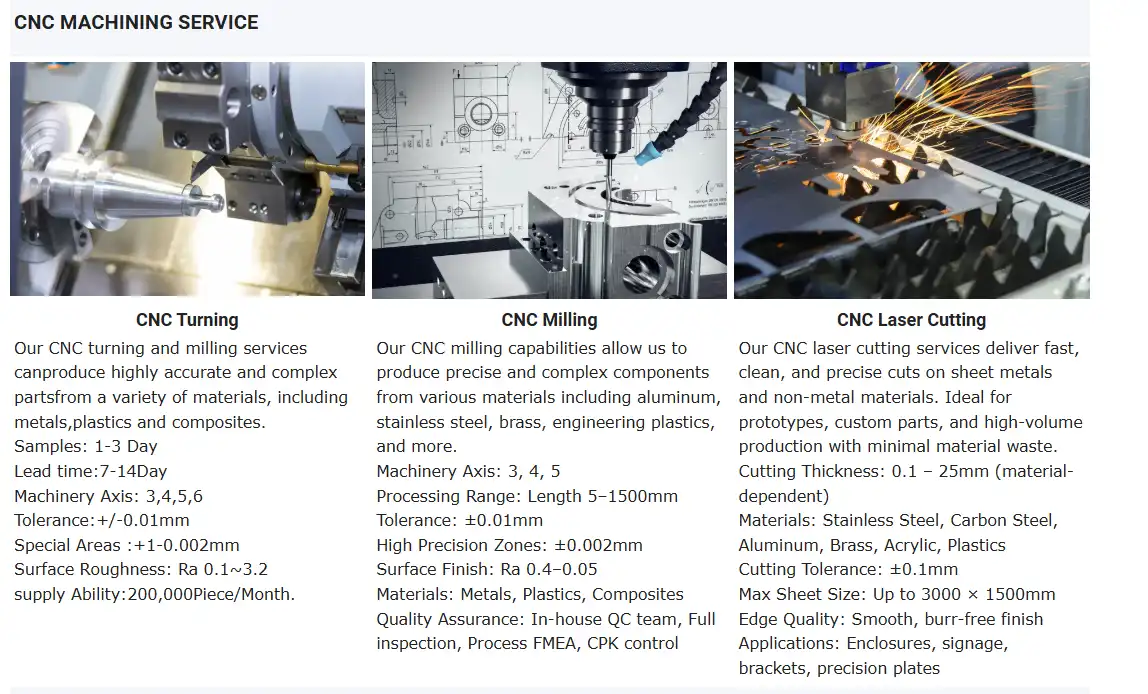
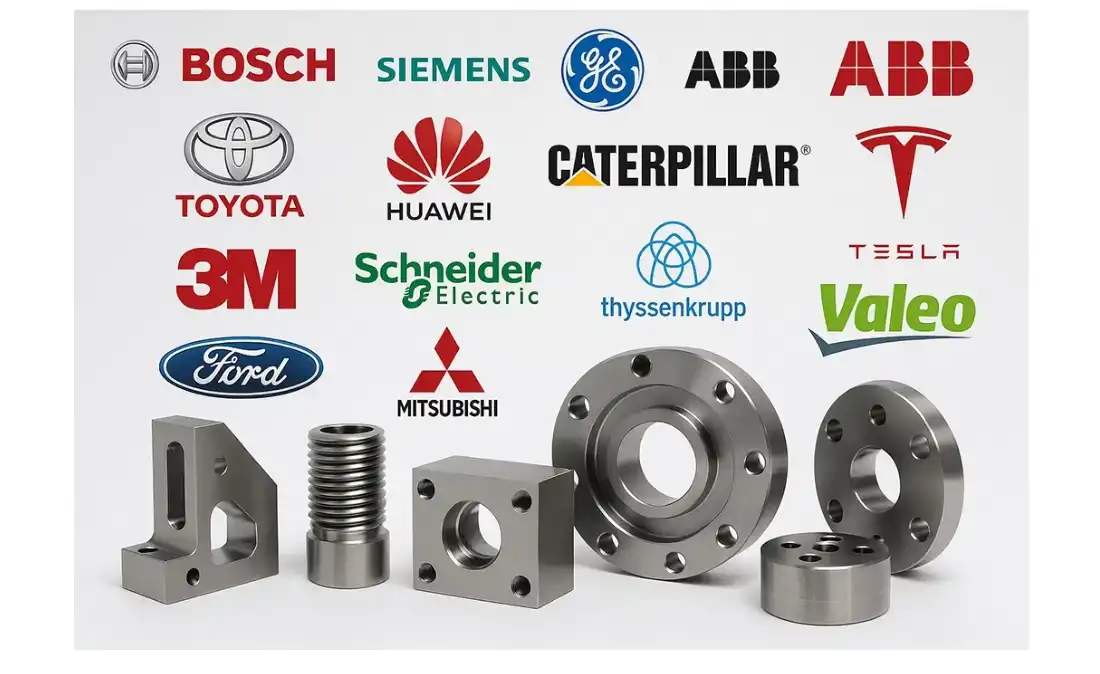
Computer numerical control (CNC) Swiss-type lathes are used to make precision screws today. These lathes can make whole bolts in a single process. With a setting accuracy of ±0.002mm, these machines can turn, thread, drill, and cut off parts. This makes sure that the sizes are the same from one production run to the next. Advanced tool path programming cuts down on cycle times while improving surface finish. Cutting settings are changed to fit the properties of the brass metal.
Form-rolling or single-point cutting are used in threading processes, based on the number of needs and size requirements. Thread rolling makes the surface of the material harder, which makes it more resistant to wear and makes thread patterns that are smooth and uniform thread patterns. Single-point threading gives you more control over the dimensions for specific needs, but you need to be very careful with the tool design and feed rates to get the right thread shape.
Adding methods to support production makes parts more useful than just moving them. With CNC cutting, you can make custom wrench flats, head shapes, or slot combinations. For special uses, drilling and tapping can be used to make fasteners with internal threads or through-holes. When normal turning operations can't meet accuracy requirements, grinding methods can control dimensions very precisely.
Heat Treatment and Surface Finishing
The properties of brass alloys used for brass lathe screw components can be modified through heat treatment to achieve desired hardness and strength levels. Stress‑relief annealing at controlled temperatures removes residual stresses from machining operations, reducing the risk of cracking or distortion during subsequent use. Selective hardening processes improve wear resistance for applications involving repeated assembly cycles. Properly specified and executed heat treatment ensures that the finished fastener achieves the mechanical properties required for its intended service environment, balancing strength, ductility, and corrosion resistance.
Surface cleaning is done for both looks and practical reasons. Polishing gets rid of small machine lines and leaves surfaces smooth and shiny, making them good for uses that need to be seen. Nickel, chrome, or tin plating methods make rust protection better than the natural qualities of the base material. Passivation processes add protective oxide layers that keep the metal's look while it is being stored and handled. Different finishing methods use different process controls to make sure that the quality and coverage are always the same.
Quality Validation and Testing Protocols
Full quality assurance systems make sure that all the standards for finished parts are met. Dimensional inspection takes samples that are representative of each production batch and uses standardised tools that can be traced back to national standards to measure important features. Thread gauges make sure that the pitch diameter, major diameter, and minor diameter all match up, which is important for making sure that threaded openings fit properly.
To check the mechanical performance, sample screws are put into example units, and failure limits are measured. Visual inspection finds flaws on the surface, threads that aren't fully threaded, or finishing flaws that might affect how something works or how it looks. Shipments come with material approval paperwork that includes chemical analysis reports, mechanical test results, and measurement inspection data to back up claims of product conformity.
Manufacturing Partnerships and Supply Chain Reliability
Buying from well-known companies with quality management systems in place lowers the risks of buying. Getting ISO 9001:2015 approval shows that a company is dedicated to controlling processes and always making things better. RoHS compliance checking makes sure that parts follow environmental rules that limit dangerous chemicals. This is especially important for electronics users who have to follow European Union rules.
With factory-direct relationships, you don't have to pay markups to middlemen, and you can get expert help and make changes right away. Being able to predict lead times makes it easier to plan production, which in turn lets you use just-in-time stocking methods that lower your need for operating capital. Long-term relationships with suppliers let you work together to create application-specific solutions. You can use the knowledge of the supplier to make sure that the design of each component is optimised for performance and ease of production.
Maintenance Tips and Common Issues with Brass Lathe Screws
Thread Wear Mechanisms and Prevention Strategies
When brass threaded fasteners are put together over and over again, thread degradation is the most common way they break. When the relatively soft brass is pushed against harder threaded containers, it gradually deforms, making the fit looser and the gripping force weaker. This effect is more noticeable in situations where parts need to be taken apart often for repair or adjustment.
Corrosion Management in Operating Environments
Even though brass is naturally resistant to rust, some weather factors speed up the process. Stress corrosion cracking happens when ammonia is exposed, especially when tension pressure is added. Salty air near seaside sites makes surface cracking and dezincification more likely. Galvanic rusting happens when brass bolts touch different metals while fluids are present. This creates electrochemical cells that speed up the loss of material.
Vibration-Induced Loosening Solutions
Moving loads and vibrations make even metal machine screws that are properly torqued loosen over time. Microscopic slip between thread surfaces lowers preload over time, which finally threatens the stability of the joint. This problem affects things that are likely to be vibrated during use (like machinery parts or car systems) or by things in the environment (like wind loads or earthquakes).
Inspection, Cleaning, and Storage Protocols
Cleaning a brass lathe screw gets rid of contaminants that could cause rust or interfere with proper fitting. Non-abrasive methods keep the surface finish and measurement accuracy. When mixed with water, mild cleansers remove most stains effectively without damaging the brass itself. Cleaners with ammonia could cause stress corrosion cracking, so they should be avoided. Thorough drying prevents moisture from remaining on the surface, which could lead to rusting during storage.
Procuring Brass Lathe Screws: Suppliers, Pricing, and Logistics for B2B Clients
Global Supplier Landscape and Manufacturer Selection
The world's suppliers and how to choose a manufacturer
There are many places in the world where precise fastener making takes place, and each has its own benefits. Through economies of scale and linked supply lines, Asian makers, especially those that work in well-established industrial zones, can offer affordable prices. European manufacturers put a lot of emphasis on their technical knowledge and advanced manufacturing skills. They often specialise in making things with complicated shapes or very high accuracy requirements. Customers who want quick responses and less complicated operations can benefit from North American providers' proximity.
To properly evaluate possible manufacturing partners, you need to look at more than just the price they offer. Production capacity tells providers if they can meet current needs and plan for future growth. Technical knowledge shows up as the ability to help engineers, suggest the best specs, and fix problems with applications. Quality management systems that are certified by ISO give people faith in the uniformity of the process and the lack of defects.
OEM Partnerships and Customisation Opportunities
Original equipment manufacturer relationships for brass lathe screw components unlock customisation capabilities beyond standard catalogue offerings. Custom head styles accommodate specific driver tooling requirements or aesthetic preferences for visible assemblies. Non‑standard thread specifications match unique mating components or optimise performance for particular applications. Material variations beyond standard alloys address specialised corrosion resistance or electrical conductivity requirements. These OEM partnerships enable procurement teams to specify fasteners precisely tailored to their product’s functional and manufacturing needs, eliminating compromises inherent in off‑the‑shelf solutions.
Dongguan Junsion Hardware Co., Ltd. exemplifies the capabilities modern precision manufacturers bring to brass screw production. Established in 2019, our 1,600-square-meter facility houses 32 advanced CNC machines capable of producing brass lathe-turned components with tolerances of ±0.01mm and surface roughness values reaching Ra0.8μm. Our manufacturing processes span CNC turning, five-axis machining, drilling, tapping, and threading operations, supported by finishing capabilities including polishing, plating, and surface treatment applications.
Pricing Structures and Cost Optimisation Strategies
Brass screw pricing reflects multiple cost drivers: raw material expenses (copper and zinc commodity prices), manufacturing complexity (tolerance requirements and secondary operations), order volume (setup amortisation and economies of scale), and logistics considerations (shipping methods and delivery urgency). Understanding these factors enables procurement professionals to structure purchases that optimise total cost rather than simply pursuing the lowest unit prices.
Volume commitments reduce per-piece costs by distributing setup expenses across larger production runs. Annual purchase agreements with scheduled releases balance inventory carrying costs against volume pricing advantages. Standardising on common dimensions across multiple product lines consolidates volume and simplifies inventory management. Design optimisation, eliminating unnecessary tight tolerances or complex features, reduces manufacturing costs without compromising functional performance.
Logistics Considerations and Supply Chain Management
International procurement introduces logistics variables affecting total landed costs and delivery reliability. Ocean freight provides economical transportation for large volumes with extended planning horizons, typically requiring 30-45 days transit from Asian origins to North American destinations. Air freight dramatically reduces transit time (3-7 days) but increases transportation costs, making it appropriate for urgent requirements or high-value, low-weight components. Hybrid approaches combine ocean transit for base inventory with air freight for expedited replenishment, balancing cost and responsiveness.
Customs compliance requirements vary by destination country, affecting clearance times and potential duty obligations. Harmonised System (HS) classification codes determine applicable tariff rates, with brass screws typically falling under 7318.15 classifications. Certificate of origin documentation may enable preferential duty treatment under trade agreements. RoHS declarations and material certifications support regulatory compliance for electronics industry applications.
Conclusion
Exceptional brass lathe screws distinguish themselves through precise dimensional control, appropriate material selection, rigorous manufacturing practices, and comprehensive quality validation. Procurement decisions balancing immediate cost considerations against long-term operational value require systematic evaluation of supplier capabilities, technical specifications, and supply chain reliability. The characteristics explored throughout this guide—dimensional accuracy within ±0.01mm, surface roughness achieving Ra0.8μm, proper alloy composition, and appropriate finishing—directly impact assembly quality, maintenance requirements, and product longevity. Organisations prioritising these quality indicators while partnering with capable manufacturers position themselves for operational excellence and competitive advantage in their respective markets.
FAQ
What advantages do brass lathe screws offer compared to stainless steel alternatives?
Brass threaded fasteners provide superior machinability, reducing manufacturing costs while achieving tighter tolerances and smoother surface finishes. Their non-magnetic properties prevent interference with electronic components and data storage devices, critical in consumer electronics and communications equipment. Brass offers better electrical conductivity for grounding applications, though stainless steel delivers higher tensile strength for high-load structural connections.
How can procurement teams verify brass screw compliance with industry standards?
Request material certifications documenting chemical composition through spectroscopic analysis, confirming alloy grade conformance. Dimensional inspection reports should demonstrate compliance with specified tolerances using calibrated measurement equipment. ISO 9001:2015 certification indicates established quality management systems, while RoHS compliance documentation verifies the restriction of hazardous substances for electronics applications.
What customisation options exist for application-specific brass precision screws?
Manufacturers can modify head styles (pan, flat, socket, hex), thread specifications (metric, unified, custom pitches), drive types (Phillips, Torx, hex socket), and overall dimensions to match unique requirements. Surface treatments, including plating, passivation, or coating, enhance corrosion resistance or aesthetic properties. Material selection among brass alloy variants optimises machinability, strength, or environmental resistance for particular operating conditions.
Partner with Junsion for Premium Brass Lathe Screw Manufacturing
Achieving operational excellence requires precision components manufactured to exacting standards. Dongguan Junsion Hardware Co., Ltd. combines advanced CNC machining capabilities with rigorous quality control to deliver brass lathe screws meeting the most demanding specifications. Our expertise serving electronics, communications, consumer goods, and logistics industries across more than 20 countries provides the technical knowledge to support your application requirements. We offer customised dimensions, tolerance control to ±0.01mm, surface finishing options, and fast response times backed by ISO 9001:2015 and RoHS compliance certification. Connect with our engineering team to discuss your brass lathe screw supplier requirements and discover how our precision manufacturing capabilities can enhance your product quality while optimising procurement costs. Contact Lock@junsion.com.cn today to begin your partnership with a trusted brass precision screw manufacturer.
References
1. Davis, J.R. (ed.). Copper and Copper Alloys: ASM Speciality Handbook. Materials Park, OH: ASM International, 2001.
2. Bickford, John H. Introduction to the Design and Behaviour of Bolted Joints: Non-Gasketed Joints. 4th ed. Boca Raton, FL: CRC Press, 2008.
3. Kulkarni, Suhas G., and Ramesh S. Sharma. Precision Machining of Brass Alloys: Process Parameters and Surface Integrity. Journal of Manufacturing Processes, Vol. 45, 2019.
4. International Organisation for Standardisation. ISO 68-1:1998 ISO General Purpose Screw Threads — Basic Profile — Part 1: Metric Screw Threads. Geneva: ISO, 1998.
5. Budinski, Kenneth G., and Michael K. Budinski. Engineering Materials: Properties and Selection. 9th ed. Upper Saddle River, NJ: Prentice Hall, 2010.
6. Zhang, Wei, and Liu Jianhua. Quality Control Methods in CNC Precision Manufacturing of Non-Ferrous Metal Fasteners. International Journal of Advanced Manufacturing Technology, Vol. 98, 2018.