




What Materials Are Used in peek machining parts Production?
PEEK machining parts are breakthrough solutions in sophisticated industrial production. They have an important role in aerospace, medical, automotive, and electronics. For procurement managers and product developers faced with the growing need to find components that work under harsh conditions, knowing the material behind these high-precision parts is key. The appropriate choice of materials will directly influence durability, efficiency of operation, and cost-effectiveness in the long run. This manual offers extensive details on the materials used in the manufacturing of PEEK machining parts, starting from raw material to processing. Whether you’re searching for providers of automation equipment components or precise hardware for AI intelligent systems, this website provides you with the technical know-how to make educated choices. We will look at material grades, compare alternatives, and explain what distinguishes top-tier PEEK components from the norm in today’s competitive production environment.
Understanding PEEK and Its Material Composition
Polyether ether ketone ( PEEK ) is one of the most advanced thermoplastic polymers for contemporary engineering and is used in a wide range of applications. Knowledge of the unique molecular architecture of this material starts the manufacture of PEEK machining parts. PEEK’s semi-crystalline structure is composed of repeated ether and ketone functional groups, which form a polymer chain that offers excellent stability at temperatures up to 260°C continuously and temporarily up to 310°C.
All PEEK components begin as virgin PEEK pellets, which manufacturers purchase in different grades according to the application’s needs. These pellets are subjected to rigorous screening protocols to ascertain the purity standards required for precise engineering applications.
Pure PEEK versus Reinforced Compounds
Virgin PEEK material has great baseline qualities; however, many demanding applications need improved features. Often, reinforced PEEK compounds are prepared by adding certain additives during the polymerisation stage by the manufacturers. Carbon fibre-reinforced PEEK generally has a carbon fibre composition of 10-30%, which greatly increases stiffness and dimensional stability and reduces thermal expansion. This variation is especially useful in aircraft applications where weight reduction is desired without compromising structural integrity.
Another way of enhancing it is to use PEEK reinforced with glass fibre. The addition of 20-40% glass fibre improves its mechanical strength and wear resistance. These compounds are superior in heavy load-bearing applications in automation equipment and industrial machines. The reinforcing fibres contribute to the distribution of stress more uniformly in the component, and prolong service life in demanding operating settings.
Material Grade Selection Impact
The PEEK grades largely affect both the machining characteristics and the performance of the finished component. Unfilled PEEK has better chemical resistance and biocompatibility and is hence the material of choice for medical implants and pharmaceutical processing equipment. The smooth surface finish achieved with unfilled grades (typically with roughness values of Ra 0.8μm or greater) lends itself to applications where low friction or particle formation are important considerations.
Machining concerns are different for reinforced grades. The fibres contained in the matrix result in increased tool wear rates and require modified cutting settings to avoid delamination or fibre pullout. But these grades provide better creep resistance and hold tighter tolerances across wider temperature ranges, important for parts in thermal management systems in consumer electronics or motorcycle engine compartments.
Comparison of Key Materials Used Alongside PEEK in Machining
It is important to know how PEEK compares to other engineering plastics and metals that are often used in comparable applications to choose the best material for precision components.
PEEK versus PTFE (Polytetrafluoroethylene)
PTFE is the dominant material for chemical processing applications because of its practically universal chemical inertness and extraordinarily low coefficient of friction. However, the mechanical qualities of PTFE are rather poor compared with those of PEEK. PTFE is great for sealing applications and chemical containment, but its poor tensile strength (on the order of 20-35 MPa) and susceptibility to cold flow under prolonged stresses restrict structural uses. PEEK has tensile strength of over 90 MPa for unfilled grades and 150+ MPa for reinforced versions, allowing its use in load-bearing parts in logistics storage systems and material handling equipment.
Another differentiator for these materials is temperature performance. PTFE is stable over a wider temperature range (-200°C to +260°C), but it softens significantly beyond 100°C and loses its dimensional stability. PEEK is capable of retaining mechanical characteristics at a constant 250°C, offering consistent performance for high-temperature electronics systems where dimensional accuracy cannot be compromised over time.
PEEK versus PPS (Polyphenylene Sulfide)
PPS is another high-performance thermoplastic with strong chemical resistance and intrinsic flame retardancy. PPS is typically used instead of PEEK from a cost point of view because of its lower cost. However, PEEK machining parts have better impact resistance and ductility, which reduces the probability of brittle failure in applications that are subjected to shock loads or vibration.
The glass transition temperature of PPS is ~85-90°C, limiting continuous usage temperatures to ~200°C. With a 60°C working temperature difference, PEEK is the logical option for components in communications equipment that are exposed to long-term thermal cycling or high ambient temperatures.
PEEK versus Engineering Metals
Aluminium and stainless steel are the staples of conventional precision hardware manufacture, but PEEK machining parts have compelling benefits in some applications. The PEEK density (1.32 g/cm3) over aluminium (2.70 g/cm3) allows for substantial weight savings in aerospace and automotive applications without losing strength in well-designed components. PEEK’s intrinsic corrosion resistance removes the need for surface treatments needed for metal parts that are exposed to aggressive chemicals or maritime conditions.
The electrical qualities are another differentiating factor. PEEK has strong dielectric strength and low dissipation factor, which may be used as electrical insulation in AI intelligent systems and consumer electronics where metal components would need extra layers of insulation or coatings.
Materials Processing and Machining Guide for PEEK Parts
Turning PEEK into precise components requires multidisciplinary manufacturing expertise. From pellet to completed product, precisely regulated operations retain material characteristics and meet exact dimensional standards.
Raw Material Preparation and Pre-Processing
Materials must be handled and prepared properly to make quality PEEK machining parts. PEEK is hygroscopic and needs 3-4 hours at 150°C to dry to 0.02% before processing. Final components include voids and dimensional irregularities from inadequate drying. Junsion uses climate-controlled material storage and tight material rotation methods to start every component with appropriately conditioned PEEK stock.
Selection of material form affects processing efficiency. CNC machining starts with extruded rod, plate, or tube stock, whereas injection moulding uses pellet feedstock. Before entering production, these semi-finished shapes are quality-certified for material grade, mechanical characteristics, and dimensional uniformity.
CNC Machining Parameters for PEEK
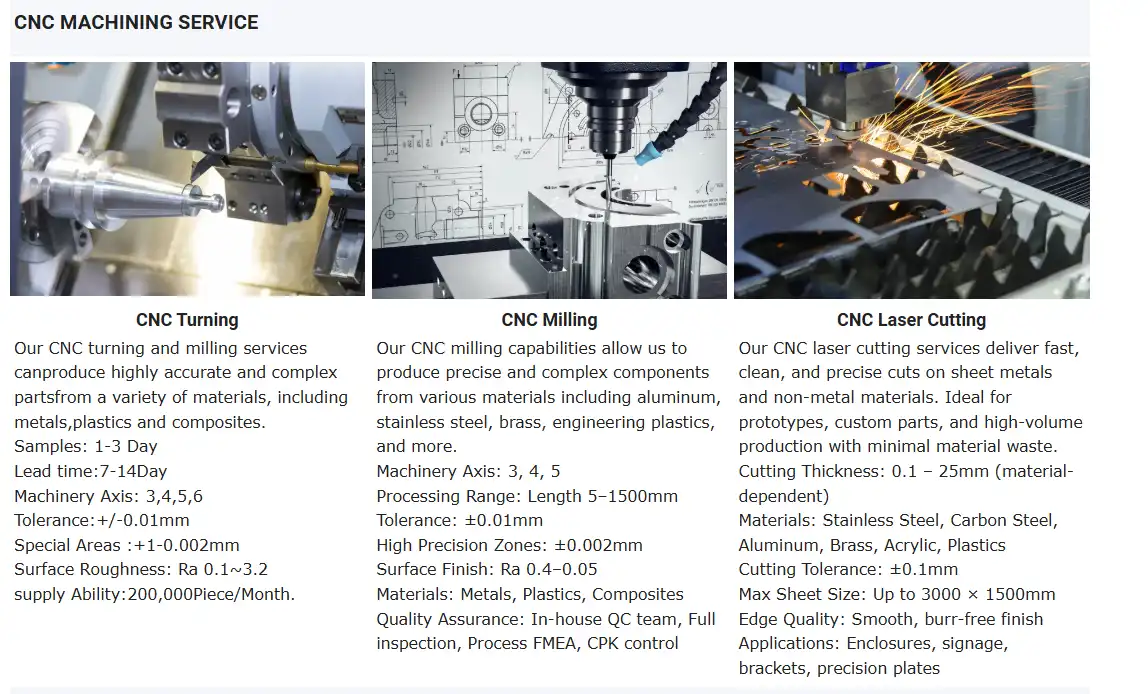
Precision CNC machining is the preferred approach for fabricating PEEK components with ±0.01mm tolerances. Understanding PEEK's differences from metals and softer polymers is essential for machining.
Choice of cutting tool is crucial. Polished rake faces reduce edge buildup and prolong tool life in carbide tooling. Sharp cutting edges protect surface integrity by reducing cutting forces and heat. In high-volume manufacturing, we use polycrystalline diamond (PCD) tooling to maintain surface roughness of Ra 0.8μm across thousands of pieces without tool changes.
Cutting speed and feed rate optimisation balance quality and productivity. Turning operations in PEEK machining use surface speeds of 100-300 m/min and feed rates of 0.1-0.3mm/rm, depending on depth of cut and finish. Five-axis machining allows complicated geometries with excellent tool engagement angles, decreasing cutting forces that might distort thin-walled parts.
Coolant method greatly affects surface finish and dimension. We avoid thermal stress and microcracking by using air blast or a limited amount of lubrication instead of flood coolant. PEEK's limited thermal conductivity concentrates heat at the cutting zone, requiring regular chip evacuation to minimise heat buildup and dimensional deformation.
Advanced Manufacturing Techniques
Five-axis CNC machining allows design options that three-axis processing cannot. This method eliminates tolerance stack-up by allowing undercuts, complicated shapes, and compound angles in one setup. Our 32 modern CNC machines, including five-axis machining centers for engineering thermoplastics, produce automation equipment and household appliance components with the strictest geometric criteria.
Small diameter PEEK components needing high concentricity and surface polish benefit from Swiss-type turning. The guiding bushing support system reduces workpiece deflection, allowing for length-to-diameter ratios above 20:1 and ±0.01mm accuracy bands. Communications device connection pins, bushings, and precise shafts benefit from these capabilities.
Quality Control and Verification
Every peep machining item is thoroughly inspected before shipping. Dimensional verification uses CMMs with temperature-compensated probes to measure part geometry regardless of environmental circumstances. Applications where surface texture affects friction, wear, or sealing need contact profilometer surface roughness testing to establish finish criteria.
Sample testing confirms that machining hasn't damaged material properties. Tensile testing, flexural strength measurement, and hardness assessment quantify component performance over time.
Advantages and Application Areas of PEEK Machining Parts
The widespread adoption of PEEK machining parts across demanding industries stems from a unique combination of properties that few materials can match. Understanding these advantages helps procurement professionals recognize where PEEK components deliver maximum value relative to alternatives.
Exceptional Chemical Resistance
PEEK demonstrates outstanding resistance to aggressive chemicals including strong acids, bases, organic solvents, and hydrocarbons. This inertness maintains component integrity in pharmaceutical processing equipment, chemical metering systems, and oil and gas industry parts exposed to sour gas or corrosive drilling fluids. Unlike metals that corrode or elastomers that swell and degrade, Peek machining parts retain dimensional stability and mechanical properties after prolonged chemical exposure.
The material resists attack from virtually all automotive fluids, making it ideal for fuel system components, sensor housings, and under-hood applications in high-performance motorcycles and vehicles. Components maintain sealing effectiveness and structural integrity across the vehicle service life without the coating failures or galvanic corrosion issues affecting metal alternatives.
Superior Mechanical Strength and Durability
The high strength-to-weight ratio of PEEK enables component designs that reduce system weight without compromising performance. Aerospace applications capitalize on this characteristic, utilizing PEEK brackets, fasteners, and structural components to achieve meaningful weight savings that translate directly to improved fuel efficiency and increased payload capacity. Our PEEK machining parts achieve tensile strengths exceeding 100 MPa while weighing less than half of equivalent aluminum components.
Excellent wear resistance extends component service life in high-cycle applications. PEEK's low coefficient of friction combined with dimensional stability under load makes it superior for bushings, bearings, and sliding wear components in automation equipment. Parts maintain tight clearances and smooth operation through millions of cycles, reducing maintenance frequency and improving equipment uptime.
Thermal Stability in Extreme Environments
Continuous operating temperatures up to 260°C position PEEK among the highest-performing thermoplastics available. This thermal capability supports applications in semiconductor manufacturing equipment where components encounter elevated process temperatures, and in oil and gas downhole tools operating in geothermal wells. The material maintains mechanical properties across this temperature range, preventing the creep and dimensional changes that compromise lesser materials.
Low flammability and minimal smoke generation during combustion meet stringent aerospace and transportation industry requirements. PEEK's inherent flame retardancy eliminates the need for flame retardant additives that could leach out or degrade properties over time, providing long-term safety assurance in critical applications.
Biocompatibility for Medical Applications
FDA-compliant PEEK grades support medical device manufacturing, from surgical instrument components to implantable devices. The material's biocompatibility prevents adverse tissue reactions, while its radiolucency under X-ray and MRI allows post-operative imaging without artifacts. Spinal fusion cages, dental implant components, and surgical instrument housings represent growing application areas where peek machining parts combine sterilization compatibility with long-term biological inertness.
Industry-Specific Applications
Automation equipment accuracy in PEEK machining precision guides, sensor housings, and actuation components depends on dimension stability. Motor components and electrical connections may be insulated to avoid moisture absorption and dielectric breakdown.
PEEK's thermal stability and electromagnetic transparency enhance AI systems. System-critical optical and electrical components are precisely placed in housings, sensor mounts, and structures. Low-outgassing sealed assemblies protect delicate parts.
PEEK is used in steam boilers, heating elements, and motor bearings. This material is stable enough for years of appliance usage and meets consumer product safety standards.
For signal integrity, antenna systems, connection bodies, and structural supports have PEEK machining. Dimensional stability over temperature reduces signal-degrading connection misalignment in outdoor installations with frequent heat cycling.
How to Source High-Quality PEEK Machining Parts
Procuring components that meet exacting specifications while supporting project timelines requires careful supplier evaluation and clear communication of requirements. Several key factors distinguish capable PEEK component manufacturers from suppliers who may compromise quality or delivery performance.
Certification and Quality Management Systems
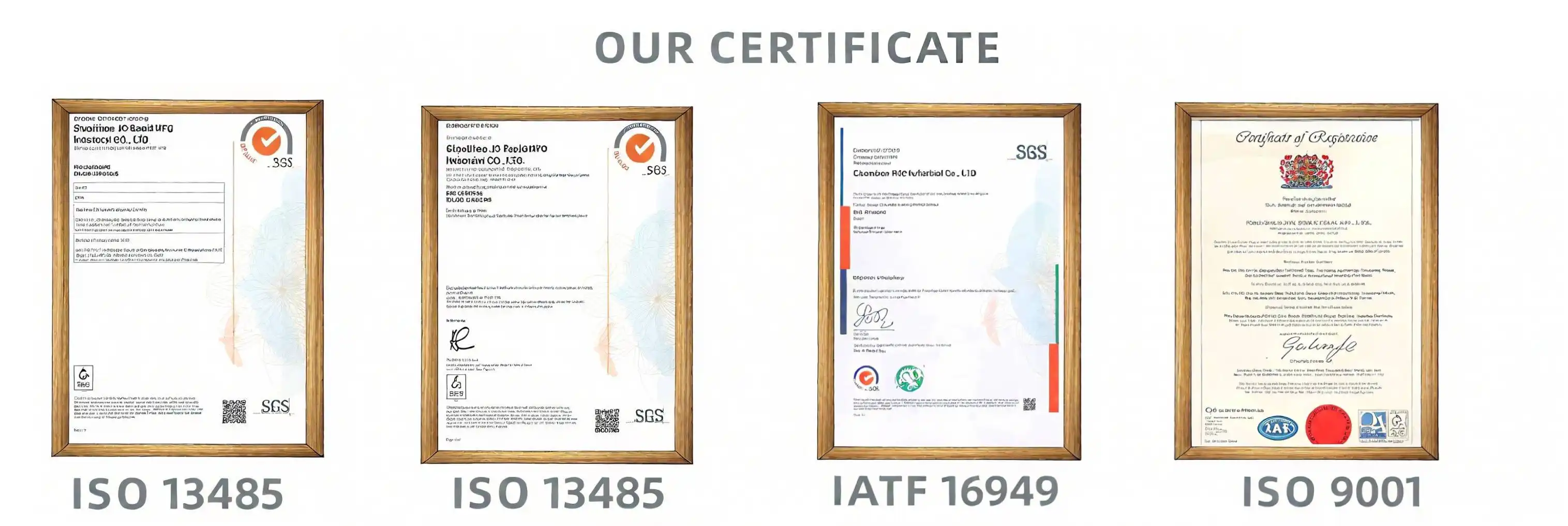
The ISO 9001:2015 standard ensures manufacturers have established quality management practices. This accreditation shows dedication to continual development and methodical problem-solving. Applications-specific certificates are more valuable depending on your business. Medical devices need ISO 13485 and FDA registration, whereas aerospace uses AS9100.
RoHS compliance checks components for hazardous substance safety. This certification is crucial for consumer electronics and home appliances sold in Europe or California, where regulatory enforcement aggressively pursues non-compliant devices.
Ask for material certificates linking raw PEEK pellets to Victrex, Solvay, or Evonik. Material quality, lot traceability, and specifications are verified by these documents. Avoid vendors that cannot offer complete material documentation, since they may employ off-grade or recycled material that degrades component performance.
Manufacturing Capability Assessment
Tour potential suppliers' facilities when possible, or request detailed capability documentation including machine inventories, measurement equipment lists, and quality control procedures. Suppliers specializing in peek machining parts maintain climate-controlled manufacturing environments preventing moisture absorption during production. They utilize dedicated tooling optimized for thermoplastic machining rather than general-purpose metalworking tools.
Verify CNC machine capabilities match your component complexity. Simple geometries may only require three-axis milling, while complex parts with undercuts or compound angles demand five-axis machining centers. At Junsion, our 1,600 square-meter facility houses 32 advanced CNC machines including dedicated five-axis centers, enabling us to efficiently produce everything from simple bushings to intricate housings with complex internal features.
Prototyping Flexibility and Lead Time Management
A successful product development frequently takes numerous prototype iterations before finalising designs. Assess suppliers' prototype response and manufacturing-based design input. Manufacturers with PEEK machining expertise may discover machining issues or advise design changes to increase manufacturability without losing functionality.
Lead time openness fosters confidence and precise project planning. Determine whether stated lead times include material procurement or stock availability. Speciality grades and big orders might take 2-4 weeks longer with PEEK material procurement. Strategic material inventory shows suppliers' commitment to urgent client needs.
Small batch manufacturing allows flexibility during product introduction when demand projections are unknown. From single prototype pieces to thousands, we optimise manufacturing methods to maximise cost-effectiveness.
Technical Support and Communication
Responsive communication separates exceptional suppliers from merely adequate ones. Evaluate responsiveness during the quoting process as an indicator of ongoing support quality. Suppliers who promptly answer technical questions, provide detailed quotes breaking down cost elements, and proactively communicate potential issues demonstrate the customer service orientation necessary for successful partnerships.
Engineering support adds value beyond simple production execution. Experienced PEEK component manufacturers can suggest material grade alternatives that reduce cost without sacrificing performance, or recommend design modifications that simplify manufacturing while maintaining functionality. This collaborative approach optimizes both component cost and manufacturability.
Conclusion
PEEK machining parts materials affect component performance in demanding electronics, communications, logistics, and other applications. Virgin PEEK and reinforced composites have different properties for biocompatible medical components and high-strength aerospace constructions. To source precision components with consistent quality and dependable delivery, you must understand material grades, processing methods, and supplier capabilities. PEEK meets strict regulatory criteria and performs well in sectors that need lightweight, chemically resistant, and thermally stable components. Your company may benefit from PEEK's unique benefits by partnering with qualified manufacturers that use sophisticated CNC and strong quality control systems.
FAQ
1. What makes PEEK ideal for high-temperature applications compared to other plastics?
PEEK maintains mechanical strength and dimensional stability at continuous operating temperatures up to 260°C, significantly higher than most engineering plastics. Its semi-crystalline structure resists creep and thermal degradation, while the glass transition temperature around 143°C allows the material to retain stiffness well above temperatures that soften commodity thermoplastics. This thermal performance enables peek machining parts to function reliably in environments that would cause competing materials to fail.
2. How can PEEK parts be customized for prototype runs?
CNC machining provides exceptional flexibility for prototype development, enabling production of single components or small batches without the tooling investment required for injection molding. We machine prototype peek machining parts from stock rod or plate material, accommodating design iterations quickly. Standard lead times for prototype components range from 5-10 business days depending on complexity, with expedited options available for urgent development timelines.
3. Which certifications are essential for PEEK component supplier selection?
ISO 9001:2015 certification establishes quality management baseline requirements applicable across industries. Medical applications require ISO 13485 and FDA registration, while aerospace components necessitate AS9100 compliance. RoHS certification verifies environmental compliance for electronics applications. Material certifications tracing raw PEEK to reputable polymer producers provide additional assurance of consistent material properties and performance reliability.
Partner with Junsion for Precision PEEK Machining Parts Manufacturing
Dongguan Junsion Precision Hardware Co., Ltd. delivers exceptional PEEK machining parts that meet the exacting standards of automation equipment, AI intelligent systems, home appliances, and communications applications. Our ISO 9001:2015 certified facility combines 32 advanced CNC machines with specialized expertise in high-performance thermoplastic machining. We achieve tolerances of ±0.01mm and surface finishes reaching Ra 0.8μm through optimized cutting parameters and rigorous quality control protocols. Whether you require prototype quantities or production volumes, our team provides fast response times and technical support throughout your project lifecycle. As an experienced PEEK machining parts supplier, we maintain RoHS compliance and comprehensive material traceability, supporting your quality assurance and regulatory requirements. Contact Lock@junsion.com.cn today to discuss your custom PEEK component specifications and receive a detailed quotation tailored to your application needs.
References
1. McKeen, L. W. (2020). The Effect of Temperature and Other Factors on Plastics and Elastomers (4th ed.). William Andrew Publishing.
2. Kurtz, S. M. (2019). PEEK Biomaterials Handbook (2nd ed.). Academic Press.
3. Deng, Y., & Zhou, T. (2021). "Machining Characteristics and Surface Quality of PEEK Composites: A Review." Journal of Manufacturing Processes, 58, 1201-1219.
4. Scholes, S. C., & Unsworth, A. (2020). "The Wear Properties of CFR-PEEK-OPTIMA Articulating Against Ceramic Assessed on a Multidirectional Pin-on-Plate Machine." Proceedings of the Institution of Mechanical Engineers, Part H, 234(8), 891-901.
5. Davim, J. P., & Reis, P. (2018). Machinability of Advanced Materials. ISTE Press.
6. Siddiqui, M. A., & Sateesh, N. (2022). "Optimization of CNC Turning Parameters for PEEK-GF30 Composite Using Response Surface Methodology." Materials Today: Proceedings, 62, 3401-3407.