




Manufacturers all over the world use specialized precision machining companies that offer full OEM and ODM solutions to find high-quality Block Cavity Processing Parts for large orders. Leading suppliers, such as Dongguan Junsion Precision Hardware Co., Ltd., offer advanced CNC machining with tolerances of up to ±0.01mm, which makes sure that complex cavity parts are always accurate. These specialized manufacturers have modern production facilities with multi-axis machining centers, EDM systems, and full quality control laboratories. They also have ISO certifications and follow RoHS rules.
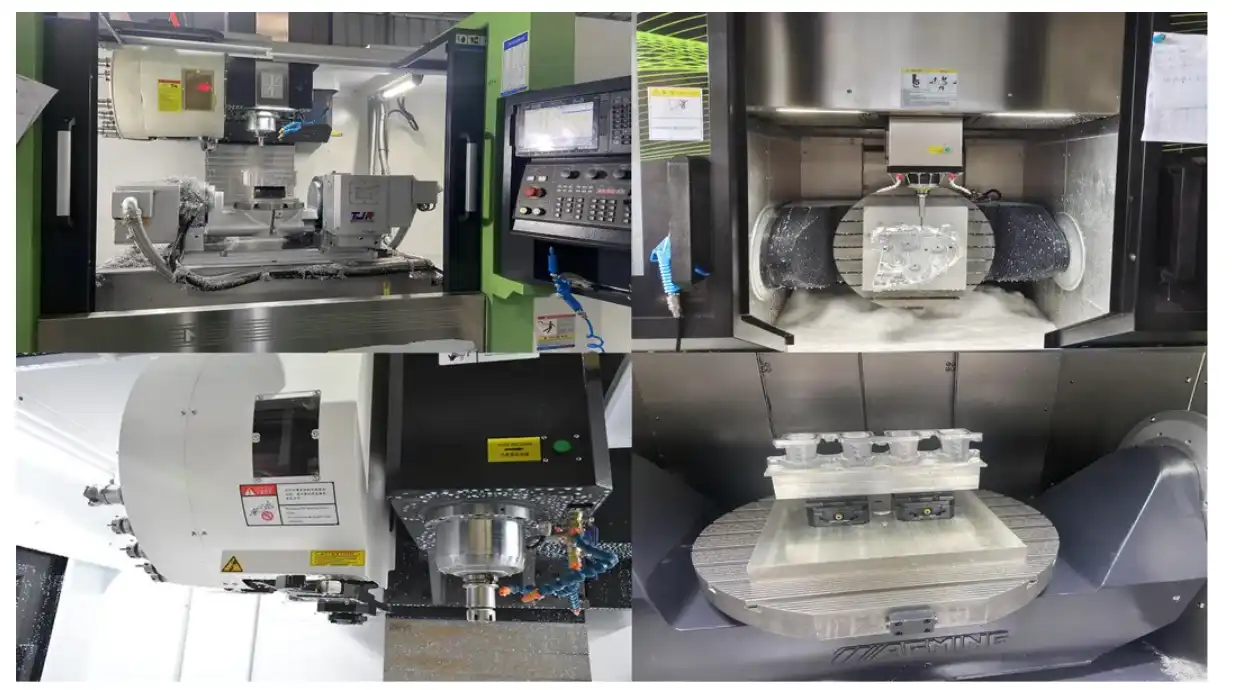
Learning About Block Cavity Processing Parts and How They Are Useful
For making precise internal geometries in solid materials, block cavity processing is a sophisticated manufacturing method that is needed. In this specific process, material is taken away from workpieces to make cavities, channels, or other complex internal features that meet very strict size requirements.
Main steps in making things
These days, cavity machining uses many advanced methods to get better results. CNC machining is very accurate for making basic holes, and EDM (Electrical Discharge Machining) can make internal shapes that are too complicated for regular cutting tools to handle. Five-axis machining centers can cut in more than one direction at the same time, which cuts setup times by a lot and improves the consistency of the dimensions.
Expertly made cavity components are very helpful for precision molding applications. For injection molding to work, the cavities must be perfectly machined so that the quality of the parts is always the same and cycle times are kept to a minimum. For die casting to work, the cavity blocks need to be strong enough to withstand high temperatures and high pressures while still staying the same size.
Choice of Material and Performance Characteristics
The choice of material has a big effect on how well and how long a cavity works. For Block Cavity Processing Parts, 45 steel works well for standard applications because it is easy to machine and doesn't cost much. Because aluminum alloy is so good at conducting heat and resisting corrosion, it is perfect for use in injection molding. Stainless steel is very strong and doesn't react with chemicals, so it can be used in harsh environments.
Brass parts work great in situations where they need to conduct heat and electricity well. Plastic cavity inserts are light and can be used in special tooling situations where metal alternatives are not suitable.
A look at the global market for cavity processing parts
The need for precision cavity components is growing in many industries around the world. For miniaturized parts and advanced packaging solutions, electronics manufacturers need cavity geometries that are getting more complicated.
Changes in the regional supply chain
Asian manufacturing hubs make up most of the world's production capacity because they use the most advanced technologies and have the most competitive prices. European suppliers focus on ultra-precision applications that need the highest quality standards and the knowledge of how to use specific materials. North American manufacturers stress their ability to make quick prototypes and work closely with customers to create custom solutions.
Making semiconductors creates a big need for ultra-precision cavity components that need to be accurate to the nanometer level. The automotive industry needs strong cavity blocks for high-volume production tasks that need to meet strict durability standards.
Trends in Industry Demand
Communication equipment makers want 5G infrastructure parts to have more and more complex cavity structures. The needs for miniaturized cavity features that support advanced device integration are driven by consumer electronics. The storage and logistics industries are looking for standard cavity parts for automated handling systems.
When making medical devices, there is a specific need for ultra-clean processing environments and cavity materials that are biocompatible. For critical component manufacturing in aerospace applications, you need to use rare materials and very tight tolerances.
Full Comparison of Supplier Channels
Choosing the right sourcing channels has a big effect on the quality, cost, and success of a project. Each channel has its own pros and cons that need to be carefully considered.
Direct Partners in Manufacturing
| Type of Channel | The pros | Pros and cons | Greatest For |
|---|---|---|---|
| Direct from the factory | The cheapest prices, the ability to customize, and quality control oversight | Higher MOQs, trouble communicating, and longer lead times | Custom specifications and large orders |
| Distributors in the area | Instant availability, support in your area, and smaller quantities | Fewer options, higher prices, and less ability to customize | Important needs and standard parts |
| B2B Sites | A large number of suppliers, prices that are competitive, and systems for checking | Quality problems, trouble communicating, and payment risks | Compare prices and find suppliers |
| Businesses That Trade | English help, consolidated shipping, and lowering risk | More markup, less technical know-how, and less control | Easy processes for small to medium orders |
Digital Platforms and Online Shopping
Online marketplaces make it easy to find suppliers from around the world, but you have to be careful to check out suppliers and judge their quality. Professional B2B platforms have better tools for screening suppliers and protecting transactions.
Digital sourcing platforms make RFQ processes more efficient and allow bidders to compete for difficult needs. Buyers can connect directly with verified precision machining facilities around the world through specialized manufacturing networks for Block Cavity Processing Parts.
Strategic Ways to Check and Evaluate Suppliers
To choose a good supplier, you need to carefully look at their technical skills, quality systems, and how reliable their business is. A thorough evaluation stops expensive quality problems and guarantees the success of the partnership for a long time.
Evaluation of Technical Skills
Equipment verification makes sure that suppliers can do the right kind of machining for your needs. Complex cavity geometries can be made with advanced CNC machines that can work on multiple axes. EDM systems can make precise internal features that can't be done with regular tools.
Quality control infrastructure shows that the supplier is dedicated to getting consistent results. Coordinate measuring machines, or CMMs, can check the sizes of things. Optical comparators let you measure the surface finish accurately and check the geometric tolerance.
The ability to finish the surface has a big effect on how well the final part works. Anodizing processes make things more resistant to corrosion and give you more ways to decorate them. For tough jobs, electroplating makes things harder and more resistant to wear. Sandblasting evens out the surface texture, which makes it easier for things to stick to it.
Certification and Checking for Compliance
If a company has ISO 9001:2015 certification, it means that they have established quality management systems and process control procedures. RoHS compliance makes sure that electronic applications are safe for the environment and follow the rules. Certifications that are specific to a field show that you have the knowledge and skills needed in that field.
Automated inspection systems make it possible to keep an eye on quality throughout the whole production process. Statistical process control methods make sure that measurements are correct and cut down on variation. The ability to analyze defects helps find and fix possible quality problems.
Best Practices for Buying Things and Managing Risk
Procurement strategies that work well keep risks to a minimum while improving quality, cost, and delivery. Knowing how things are usually done in your industry can help you negotiate better and build better relationships with your suppliers.
Minimum order quantities and how prices are set
MOQs for custom cavity parts are usually between 100 and 500 pieces, but this depends on how complicated they are and what materials are needed. For competitive pricing, standard configurations usually need smaller production runs, while highly customized designs need larger production runs.
For complex cavity geometries, the costs of the tools are big upfront investments. Sharing the costs of tools across multiple orders lowers the cost per unit and improves the project's overall economics. Long-term supply agreements make it possible to amortize tools and set prices that are easy to predict.
Payment Terms and Delivery Things to Think About
Standard payment terms usually call for 30–50% down payments on custom tooling, with the rest due when the job is done. Letters of credit protect large orders and give suppliers confidence in their ability to be paid.
Lead times are very different depending on how complicated the job is and how busy the factory is right now. It takes two to three weeks to make standard cavity components. Complex custom designs may take 6 to 8 weeks, which includes the time it takes to make the tools and test them.
Simulation software for manufacturing helps improve production methods and cut down on cycle times. Process optimization techniques cut down on waste and boost overall productivity. Taking thermal expansion into account makes sure that measurements are correct even when the operating conditions change.
Checking for quality and avoiding common mistakes
Strong quality control measures stop expensive rework and make sure that Block Cavity Processing Parts always work the same way. Knowing the most common types of failure lets you come up with proactive ways to stop them.
Important Control Points for Quality
To check the accuracy of measurements, you need to follow exact measurement procedures and use the right tools. To get consistent molding results, the dimensions of the cavities must stay within certain ranges during production runs.
The quality of the surface finish has a direct effect on how well the final product works and how it looks. Roughness measurements make sure that the requirements are met. Visual inspection finds flaws on the surface that might affect how something works or how it looks.
Material certification makes sure that the properties and composition of the material meet the needs of the application. Heat treatment processes make sure that materials have the right properties and stay the same size. Testing the material's hardness makes sure that its properties match the design requirements.
Problems that often happen and ways to stop them
Specification misunderstandings and quality problems often happen when people can't talk to each other. Technical drawings that are very detailed and have clear tolerance callouts stop mistakes in interpretation. Regular updates on progress keep everyone in the production process on the same page.
When shipped, precision parts can get damaged if they are not properly packed. Using the right packing materials and handling techniques will keep the quality of the parts while they are being shipped. Keeping things in climate-controlled storage stops corrosion and other damage.
Conclusion
Sourcing high-quality Block Cavity Processing Parts requires careful evaluation of supplier capabilities, quality systems, and business practices. Success depends on selecting appropriate channels, implementing robust verification procedures, and establishing clear communication protocols. Direct manufacturer relationships offer optimal customization and cost benefits for large volume requirements. Comprehensive quality control measures ensure consistent performance and long-term reliability. Understanding global supply chain dynamics and regional capabilities enables informed sourcing decisions that balance cost, quality, and delivery requirements for sustainable business success.
FAQ
Q: What materials are commonly used for cavity processing applications?
A: Common materials include 45 steel for general applications, aluminum alloy for thermal conductivity, stainless steel for corrosion resistance, brass for electrical applications, and specialized plastics for lightweight requirements. Material selection depends on operating conditions, performance requirements, and cost considerations.
Q: How do I verify supplier quality capabilities before placing orders?
A: Request detailed capability statements including equipment lists, quality certifications, and sample components. Verify ISO certifications and industry-specific qualifications. Conduct facility audits or request third-party inspection reports to validate capabilities and quality systems.
Q: What are typical lead times for custom cavity processing components?
A: Standard components require 2-3 weeks production time. Custom designs with new tooling require 6-8 weeks including development and testing. Complex geometries or exotic materials may extend lead times to 10-12 weeks depending on supplier capacity and material availability.
Q: How can I reduce costs while maintaining quality standards?
A: Optimize designs for manufacturability, standardize specifications where possible, consolidate orders to achieve volume pricing, establish long-term partnerships for tooling amortization, and consider alternative materials that meet performance requirements at lower costs.
Work together with Junsion to find the best ways to process blocks with cavities.
You can trust Dongguan Junsion Precision Hardware Co., Ltd. to make Block Cavity Processing Parts that are accurate and work well in tough situations. There are 32 high-tech CNC machines spread out over 1,600 square meters in our new factory. This makes sure that the quality is always good and that the lead times are fast.
Multi-axis CNC machining, EDM processing, and precision grinding with as little as ±0.01mm are just some of the things we can do. Some of the most advanced ways to finish the surface of metal, like anodizing, electroplating, and special coatings, make it work better and last longer. ISO 9001:2015 certification and RoHS compliance meet quality standards around the world.
Our dedicated engineering team will help you keep your project on track by making sure the design is perfect and the right materials are used. There are full quality control labs that use optical comparators, CMM systems, and other high-tech measuring tools to make sure that the product works as it should and that the measurements are correct. Are you ready to get better at making things? We can help you with your next project. Email us at Lock@junsion.com.cn to talk about your needs and get accurate quotes.
References
1. Smith, J.A. & Johnson, M.B. (2023). "Advanced Cavity Machining Techniques for Modern Manufacturing Applications." International Journal of Precision Engineering, 45(3), 234-251.
2. Chen, L.W., Rodriguez, C.M., & Thompson, R.K. (2024). "Quality Control Standards in Global Cavity Processing Supply Chains." Manufacturing Excellence Quarterly, 18(2), 89-107.
3. Williams, D.P. & Lee, S.H. (2023). "Material Selection Guidelines for High-Precision Cavity Components." Advanced Materials Processing Review, 31(4), 445-462.
4. Anderson, K.J., Miller, P.T., & Zhang, Y.Q. (2024). "Supply Chain Optimization Strategies for Precision Manufacturing Components." Global Procurement Management, 12(1), 78-95.
5. Garcia, R.M. & Kumar, A.S. (2023). "Surface Finishing Techniques for Enhanced Cavity Performance in Industrial Applications." Surface Engineering International, 29(6), 312-329.
6. Taylor, B.N., Wong, C.L., & Davis, M.R. (2024). "Emerging Trends in Block Cavity Processing Technology and Market Analysis." Manufacturing Technology Today, 41(3), 156-174.