




Which carbide milling inserts Deliver Longer Tool Life?
When sourcing carbide milling inserts, longer tool life is the single metric that directly impacts your machining cost per part. Tungsten carbide—rated between 8.5 and 9 on Mohs' hardness scale—gives cutting inserts their exceptional wear resistance. Inserts made from fine-grain carbide grades, paired with advanced PVD or TiAlN coatings, consistently outperform alternatives in abrasive and high-temperature environments. Choosing the right carbide milling inserts means fewer changeovers, tighter tolerances, and lower scrap rates—outcomes every procurement manager in electronics, communications, and precision manufacturing needs to achieve.
Understanding Carbide Milling Inserts and Their Tool Life Impact
Because it is about twice as stiff and thick as steel, tungsten carbide is the best material for cutting things that need to be cut quickly. When you heat and press tungsten metal powder and carbon powder, they sinter together, forming carbon. This material doesn't rust or corrode when exposed to chemicals, and it stays hard even at high cutting temperatures. High-speed steel (HSS) can't do these things at the same feed rates.
The life of carbide milling inserts is affected by three factors that are all linked: the substrate grade, the coating chemistry, and the machining parameters. A carbide grain structure that is coarser makes it tougher but less hard. Edges that are sharper last longer on finer grain grades. Cutting speed and feed rate decide how much heat is made. Crater wear speeds up when the coating's thermal barrier is surpassed. When purchasing teams match these factors with the material of the part, they can actually make tools last 30 to 50 per cent longer than when they use stock inserts.
Figuring out these connections isn't just for school; it directly leads to fewer production delays and lower tooling costs over the course of a fiscal quarter.
Key Characteristics That Determine Longer Tool Life in Carbide Milling Inserts
Wrought-aluminium cutting tools are not all the same. What makes a milling insert last longer is its grade, surface coating, and geometric profile. When procurement managers and experts know about these traits, they can make more solid buying choices instead of just going with the lowest unit price.
Carbide Grades and Coating Technologies
ISO divides inserts into groups based on their use: P for steel, M for stainless steel, K for cast iron, N for non-ferrous metals, S for superalloys, and H for hardened materials. Higher-cobalt grades are better at absorbing impact, while lower-cobalt grades are better at resisting wear from abrasion. It is common in aircraft, robots, and medical device making to work with aluminium alloys like 6061, 6063, and 7075. When cutting these alloys, uncoated or diamond-coated inserts often work better than TiAlN-coated ones because aluminium sticks to titanium-based coatings.
The coating technology is also very important. TiAlN coatings work great in dry, high-speed milling because at high temperatures, they create a barrier of aluminium oxide that stops oxidative wear. When PVD coatings are applied at lower temperatures, they keep cutting edges sharper and work well for finishing tasks that need a surface roughness goal of Ra0.8 µm or better. Even though the idea behind TiN coatings is older, they are still a reliable way to reduce friction in general milling.
Insert Geometry and Its Effect on Stress Distribution
The shape of the chip breaker, the angle of the rake, and the size of the nose all affect how stress is spread across the cutting edge. When working with softer alloys, positive rake angles reduce cutting forces and heat buildup, which makes the insert last longer. When you use negative rake shapes, you can handle irregular cuts and hard materials better because the edges are stronger. Even if you use a high-quality carbide grade, picking the wrong shape can cut the expected tool life in half.
Comparing Popular Carbide Milling Inserts to Identify Those with Longer Tool Life
The market for cutting tools around the world is very competitive, and many companies have built strong names for making inserts that last a long time. For instance, Sandvik Coromant's GC4330 grade uses Inveio coating technology with a columnar crystal structure that keeps heat away from the cutting edge, which makes steel milling last longer. Kennametal's KCSM15 grade is made for stainless steel and titanium, which need edges that are tough as well as hard. Iscar's SUMO TEC finish uses a post-coat process to smooth out surface bumps, which stops edges from building up.
If you only look at unit cost to compare these choices, you're missing the point. This is because a $14 carbide insert that makes 600 parts costs more per part than a $8 carbide insert that makes 200 parts. Procurement managers should keep an eye on the total cost of ownership, which takes into account things like switching time, machine downtime, and scrap risk. When you buy in bulk from approved sellers, you can save money on each item and make managing the supply chain easier across multiple sites.
How to Choose Carbide Milling Inserts for Maximum Tool Longevity?
A common and expensive mistake is to choose cutting inserts without making sure they are right for the environment where they will be used. In an organised selection process, the roughness of the workpiece material, the power of the machine spindle, the available coolant strategy, and the desired surface finish are all taken into account.
Here are the main selection criteria that procurement engineers use to make sure that inserts last as long as possible:
- Workpiece material alignment: Aluminium alloys (6061, 6063, 7075) processed via CNC, five-axis machining, or EDM require inserts with sharp edges and low built-up edge tendency. Uncoated carbide or diamond-like carbon coatings perform well here, particularly when surface roughness must meet Ra0.8μm specifications.
- Cutting strategy: High-speed milling generates more heat and benefits from TiAlN-coated inserts with thermal stability. Conventional milling at lower speeds works well with PVD-coated inserts that maintain edge sharpness across extended runs.
- Insert shape and size: Round inserts distribute cutting forces evenly and suit semi-finishing. Square and triangular inserts offer more cutting edges per body, reducing cost per edge. Matching insert size to depth-of-cut requirements prevents premature edge chipping.
- Tolerance requirements: When machining components to ±0.01mm tolerances—as demanded in aerospace, medical, and automation equipment sectors—insert runout and seat condition matter as much as the insert itself.
When these factors are used regularly, engineers can make an insert selection process that works every time instead of having to try things and see what works. One of the best ways to make sure that inserts will work in your setting is to look at maker application guides and ask for trial samples before placing large orders.

Procurement Insights: Where and How to Buy Carbide Milling Inserts with Longer Tool Life?
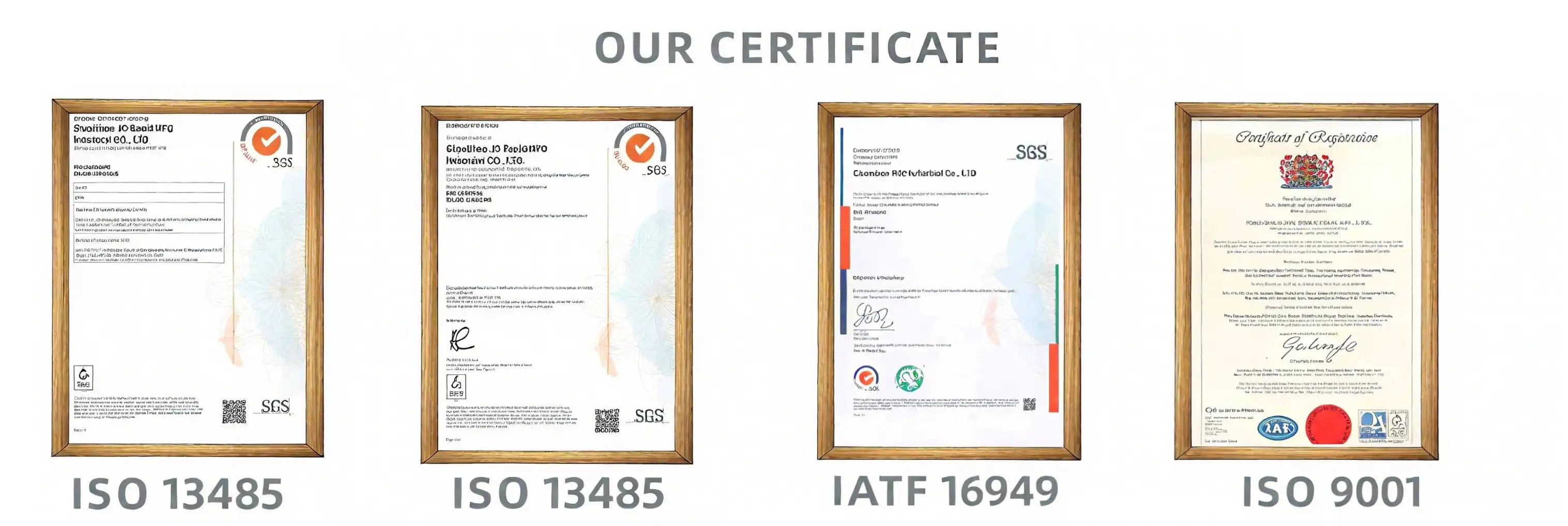
Finding the right high-performance cutting tool isn't enough; you also need to build a relationship with your supplier based on clear documentation, quick technical support, and consistent lead times. Purchasing managers should give more weight to suppliers who have ISO 9001:2015 certification and RoHS compliance. This is because these credentials show systematic quality management instead of inconsistent quality from batch to batch.
When looking at foreign providers of carbide milling inserts, make sure they offer material approvals, dimensional inspection reports, and proof of tracking. Suppliers who have their own CNC machines, such as those that can do five-axis cutting, EDM, and turning, can make insert shapes that are special to part families, which cuts down on the need for extra work.
When you buy in bulk and negotiate delivery times, you can keep your tooling supply chain stable and protect yourself from spot-market price changes. You can ask for sample runs before making large orders, and a reliable source will gladly do so.
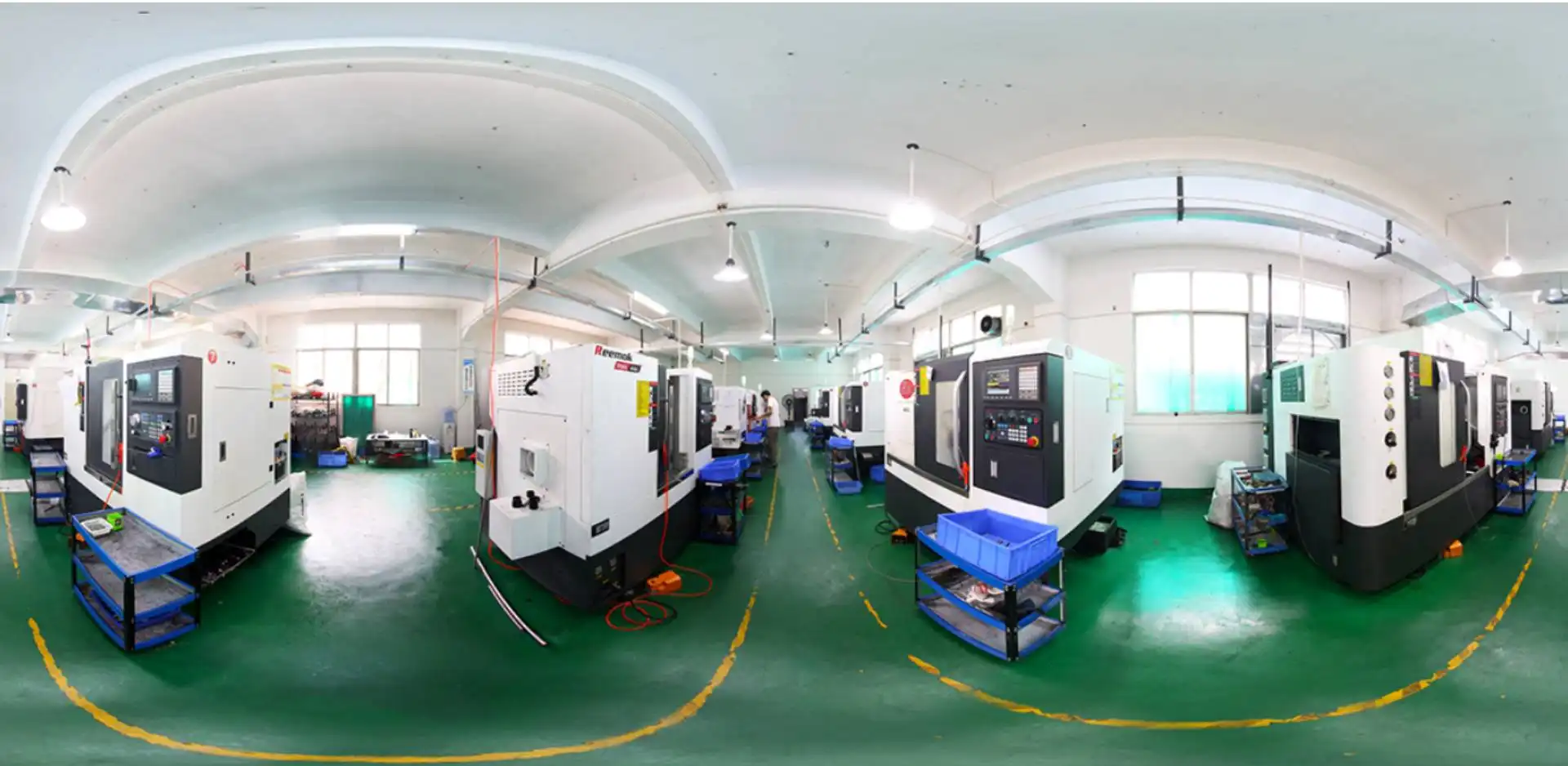
Every step of the way we do things at Junsion is based on precision. Our factory in Dongguan has 32 high-tech CNC machines, spread over 1,600 square metres. They make precise metal parts with a surface roughness of 0.8 μm and tolerances of ±0.01mm. We use CNC, EDM, five-axis cutting, and turning to work with 6061, 6063, and 7075 aluminium metals. Some finishes are QPQ, anodising, polishing, sandblasting, and plating. Over 20 countries buy our products, which are used in medical devices, robotics, AI hardware, automation equipment, and consumer electronics. Junsion is ISO 9001:2015 approved and RoHS compliant, so you can be sure of the quality and show proof to your internal stakeholders.
Conclusion
To get longer tool life from carbide milling inserts, you need to carefully choose the right carbide grade, coating technology, and shape for the job. When it comes to wear resistance and thermal stability, fine-grain tungsten carbide substrates with coatings that are specifically made for the job always do better than general-purpose options. When you base your purchasing choices on the total cost of ownership instead of unit price, you can see that you save money. The insert you choose affects both the quality of your work and your bottom line, whether you're cutting aluminium alloys for aerospace parts or precise hardware for consumer electronics.
FAQ
What makes carbide milling inserts last longer than HSS tools?
On the Mohs scale, tungsten carbide is 8.5–9, while HSS is 6.5. Because it is more thermally stable and harder than HSS, cutting inserts can keep their sharp edges at high temperatures where HSS starts to soften. This means that tools will last longer when they are used at higher cutting speeds.
Which coating extends the life of carbide cutting inserts the most?
By creating a protected layer of aluminium oxide under heat, TiAlN compounds work best in high-speed, dry milling. PVD coats are good for finishing jobs that need very sharp edges and a very smooth surface (Ra0.8¼m or better). The best choice varies on the situations in which you are cutting.
How do I match the insert grade to aluminium alloy machining?
For aluminium metals like 6061, 6063, or 7075, pick sharp-edge carbide or diamond-coated pieces that are not coated. TiAlN coatings can make aluminium stick to surfaces, which shortens the life of edges. When working with non-ferrous materials, positive rake geometries lower the cutting force and keep the heat buildup to a minimum.
Can I request custom insert geometries from a supplier?
Yes. Suppliers who have five-axis CNC and EDM machines can make cutting insert profiles that are exactly the right shape and size for each part. Always ask for measurement inspection records to be sent with your samples.
Partner with Junsion — Your Trusted Carbide Milling Inserts Manufacturer
Junsion provides precise carbide milling insert parts with surface roughness ≤ Ra0.8μm and tolerances of ±0.01mm. Our ISO 9001:2015 certification and RoHS compliance give people in charge of purchasing the paperwork they need to feel confident. We can meet any requirement because we have 32 CNC tools and know how to do five-axis cutting, EDM, and anodising. You can ask for a sample today by sending your drawings to Lock@junsion.com.cn or going to junsionprecision.com.
References
1. Sandvik Coromant. (2023). Cutting Tool Materials: Carbide Grades and Properties. https://www.sandvik.coromant.com/en-us/knowledge/milling/pages/cutting-tool-materials.aspx
2. Kennametal Inc. (2022). PVD and CVD Coatings for Milling Inserts: Performance Guide. https://www.kennametal.com/en/resources/articles/pvd-cvd-coatings-milling.html
3. Iscar Ltd. (2023). SUMO TEC Coating Technology Overview. https://www.iscar.com/eCatalog/family.aspx?fnum=6093&mapp=ML&App=0&GFSTYP=M
4. Manufacturing Engineering Society. (2022). Tool Life Optimisation in High-Speed Milling. Society of Manufacturing Engineers. https://www.sme.org/technologies/articles/2022/tool-life-optimization-high-speed-milling/
5. International Organization for Standardization. (2023). ISO 9001:2015 Quality Management Systems — Requirements. https://www.iso.org/standard/62085.html
6. Junsion Precision Hardware Co., Ltd. (2024). Precision CNC Machining Components — Product Overview. https://www.junsionprecision.com/
