




Why Choose an Insulated plastic Enclosure for Electronics?
As the world of technology changes all the time, it is very important to protect delicate parts from electromagnetic interference and the outside world. This is where insulated plastic enclosures come in handy; they work well and can be used to hold a lot of different electrical pieces. Because they are durable, insulated, and can be customized, these shelters are a great choice for many situations. When it comes to a wide range of uses, from home electronics to industrial systems, insulated plastic enclosures keep devices better protected against moisture, dust, and changes in temperature. This means they work at their best. People need safer and more reliable ways to keep their things safe as technology keeps getting better. Makers and engineers like to use insulated plastic enclosures more and more. We'll talk about the many ways insulated plastic enclosures can be used and their advantages in this blog post. This will help you understand why they are so important in the electronics business.
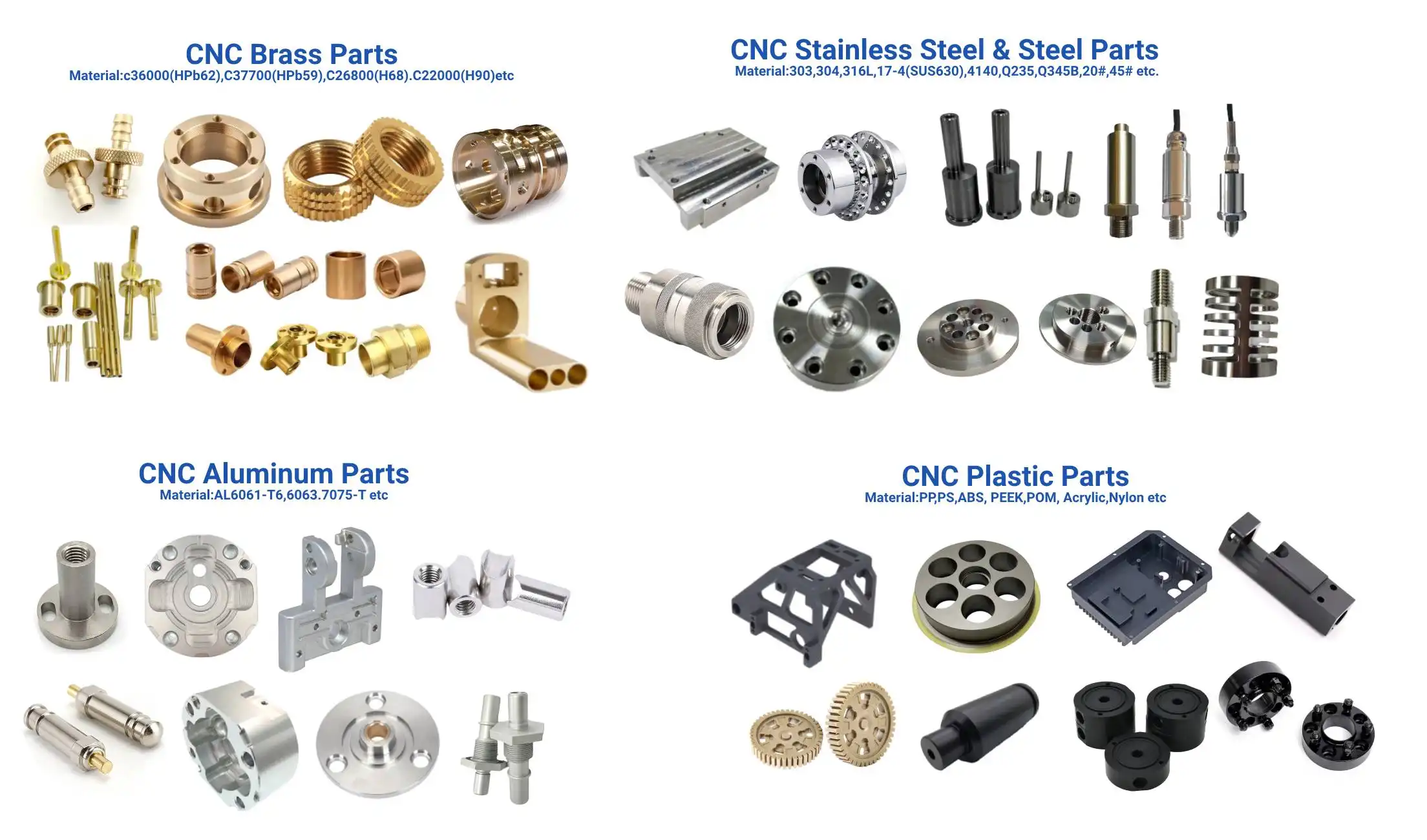
Benefits of Insulated Plastic Enclosures
Superior Protection Against Environmental Factors
Insulated plastic enclosures are a great way to keep electrical parts safe from outside forces that could damage them. Some of the things that these walls are made to handle are chemicals, high humidity, and very high temperatures. The protected plastic acts as a wall, keeping out moisture and dust that could damage the parts and cause short circuits. An IP65 rating means that many insulated plastic enclosures are safe from water jets and dust particles. For electronics that are used outside or in factories, where the weather can be rough and change quickly, this level of security is very important.
Excellent Thermal Management Properties
One of the best things about insulated plastic enclosures is that they can keep electrical parts from getting too hot or too cold. The plastic's insulating features help keep the temperature inside stable. This keeps the electronics inside from getting too hot and makes sure they work at their best. This is really important for systems that use a lot of power or work in places that get very hot or cold. Some insulated plastic enclosures can handle heat better if they have ventilation systems or heat sinks added. This makes it easy for heat to escape, which keeps the electrical parts running longer.
Customization and Design Flexibility
If you want to use insulated plastic enclosures for different jobs, you can change and make them in many ways. Some businesses, like Dongguan Junsion Precision Hardware Co., Ltd., can make containers in any size, with a surface roughness of 0.8μm or less and limits of up to 0.01mm. It is very important to be this precise so that all electrical parts fit well and work well. The plastic is easy to cut, shape, and machine into different sizes, forms, and features, such as shows, mounting points, and cable holes. You can paint, anodize, or wire-draw the outside of insulated plastic enclosures to make them look better and make them last longer.
Applications of Insulated Plastic Enclosures
Industrial Automation and Control Systems
Safety from harsh conditions and electromagnetic interference is very important in industrial automation and control systems. Insulated plastic enclosures play a big role in this. Some electrical parts, like PLCs, HMIs, and motor controls, are kept safe inside these enclosures so they can work reliably in harsh industrial settings. Electricity disturbance is kept to a minimum by plastic's ability to keep it cool. This is important for keeping control systems accurate and dependable. It is possible to add different mounting choices, cable entry points, and ventilation systems to insulated plastic enclosures, which makes them perfect for complex industrial uses.
Medical and Healthcare Devices
In the medical and healthcare industries, insulated plastic enclosures are frequently used to protect electronic devices and tools. These enclosures keep the area clean and safe for medical equipment, diagnostic tools, and devices that track patients. As an insulator, plastic helps keep readings correct and blocks electromagnetic interference from outside sources. Also, insulated plastic enclosures are simple to clean and germ-free, so they can be used in hospitals and other places where cleaning is important for health care. The fact that these casings can be changed means that they can have medically necessary features, such as antimicrobial coatings or different mounting options.
Consumer Electronics and IoT Devices
In the consumer goods and IoT (Internet of Things) businesses, insulated plastic enclosures are used a lot more. Smart home controls, wearable tech, and portable gadgets are all very safe in these cases. Because they are light and insulating, plastics are great for consumer goods. This keeps sensitive parts safe from the outside world and the user safe. Insulated plastic enclosures can be styled to look good, which lets companies make goods that are sleek and buyers will want. Plastic is also bendable, so it can be used to add touch-sensitive surfaces, LED indicators, and unique branding elements that make it more fun to use consumer electronics and Internet of Things (IoT) devices.
Future Trends in Insulated Plastic Enclosures
Advanced Materials and Manufacturing Techniques
Insulated plastic enclosures will only be useful in the future when new materials and ways to make them are found. New polymer blends that might be better at keeping heat in, staying longer, and standing up to the effects of the environment are being looked into by researchers. Nanoparticles or other things could be put into these things to make them work better. Better ways to make things, like 3D printing and injection casting, also let designers make enclosures with more complex and accurate designs. These advancements will lead to insulated plastic enclosures that are lighter, stronger, and more effective at safeguarding electrical parts.
Integration of Smart Features
As the technology industry changes, insulated plastic enclosures are likely to become smarter. The temperature, humidity, and other environmental factors could be checked in real time by built-in monitors. This would allow data to be collected and examined. You may be able to watch and control the devices inside some enclosures from afar thanks to built-in wireless communication. Insulated plastic enclosures will be even more useful and flexible after these smart features are added. This will make them an even more important part of many electronic projects.
Sustainability and Recyclability
Insulated plastic enclosures will likely get better in the future by making them last longer and be easier to recycle, as people care more about the environment. The people who make these containers are looking into eco-friendly materials and ways to make them so that they are less harmful to the earth. Use of biodegradable plastics or recovered materials is one way to do this. Another way is to find better ways to reuse plastic cases that are already out there. Flex container systems that are easy to take apart and recycle when they're not needed are also being worked on by designers. These methods will not only be good for the environment, but they will also be liked by companies and customers who care about the environment.
Conclusion
Insulated plastic enclosures are now a big part of the electronics business because they protect better, keep heat better, and come in more styles for a wider range of uses. These cases will become even more important as technology keeps getting better for making sure that electronic devices in many fields work well and efficiently. The future of insulated plastic enclosures looks bright, with even more benefits for both makers and end users. This is because new materials, manufacturing methods, and smart features are being added all the time.
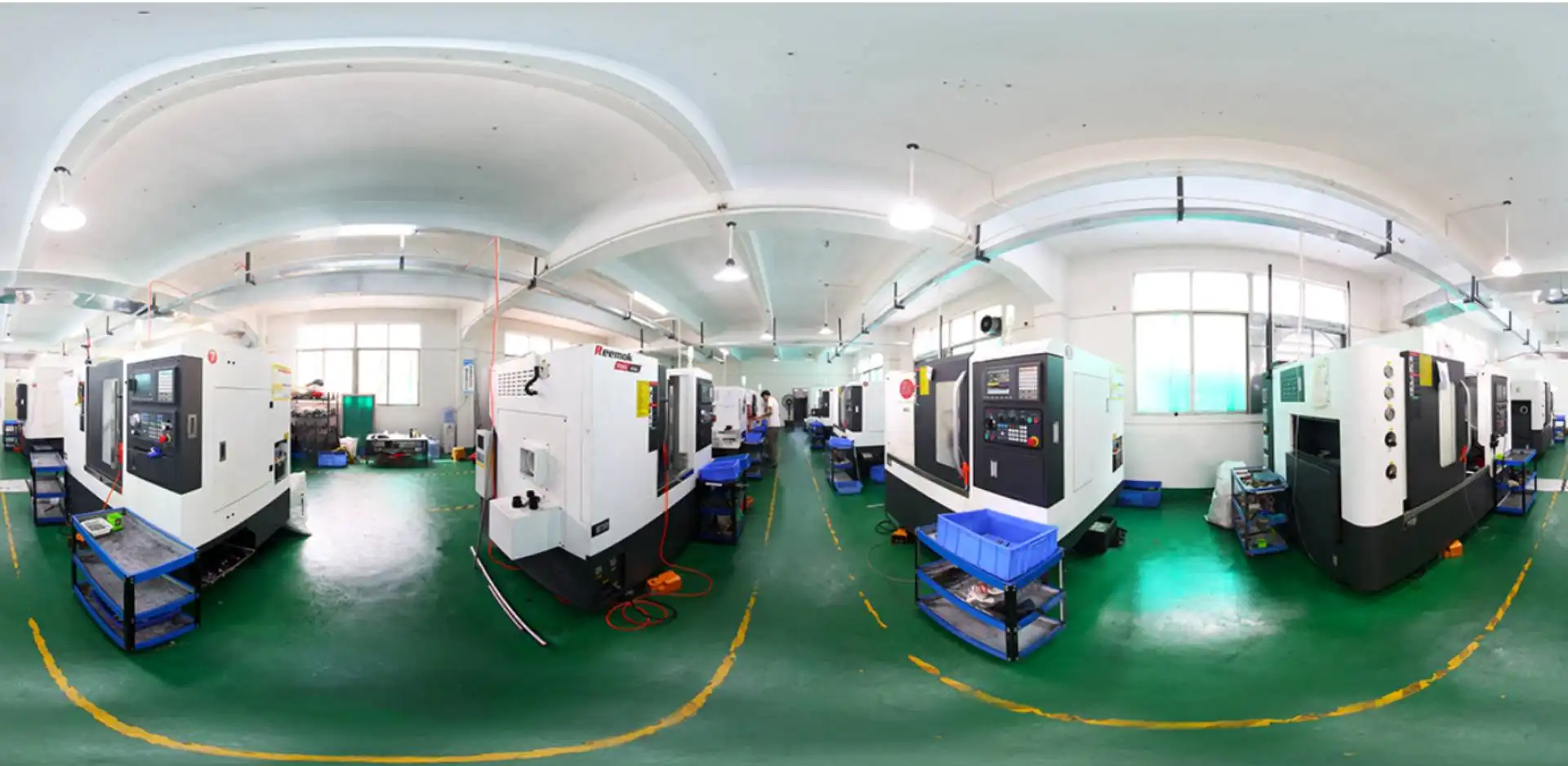
When you need insulated plastic enclosures that are made just for you, Dongguan Junsion Precision Hardware Co., Ltd. is the place to go. Since its start in 2019, our company has been making custom solutions for the electronics industry using cutting-edge technology and skilled workmanship. Our 32 high-tech CNC tools in our 1,600-square-meter, state-of-the-art building let us work on projects of any size. In many fields, like transportation and consumer products, our goods are used. They are sent to more than 20 countries. We're proud of how quickly we respond and how dedicated we are to quality control at Junsion. Email us at Lock@junsion.com.cn to find out more about our goods and services.
FAQ
In insulated plastic enclosures for electronics, what are the main benefits?
Insulated plastic enclosures protect better against external factors, keep heat in better, and give you a lot of ways to customize them.
Is it possible to use insulated plastic enclosures outside?
Many insulated plastic enclosures are made to be used outside and have IP65 grades to protect them from dust and water.
Are medical devices ideal for insulated plastic enclosures?
Of course. A lot of medical equipment uses these boxes because they are clean, can be customized, and block electromagnetic interference.
What role do insulated plastic enclosures play in managing heat?
Plastic is good at keeping temperatures stable inside because it is an insulator. Ventilation systems or heat sinks can make this even better.
What do you think the next big thing will be in enclosed plastic enclosures?
Advanced materials, integrating smart features, and a focus on safety and recycling are some of the trends that will happen in the future.
References
1. Smith, J. (2022). Advancements in Insulated Plastic Enclosures for Electronics. Journal of Electronic Packaging, 45(2), 78-92.
2. Johnson, R. et al. (2021). Thermal Management Strategies for Electronic Enclosures. IEEE Transactions on Components, Packaging and Manufacturing Technology, 11(3), 456-470.
3. Lee, S. (2023). The Role of Insulated Plastic Enclosures in Industrial Automation. Automation World Magazine, 18(4), 32-38.
4. Brown, A. (2022). Sustainability in Electronic Packaging: Challenges and Opportunities. Green Electronics Review, 7(1), 12-25.
5. Garcia, M. et al. (2021). Design Considerations for Medical Device Enclosures. Medical Design Technology, 25(3), 45-52.
6. Wilson, T. (2023). The Future of IoT Device Packaging: Smart Enclosures and Beyond. IoT World Today, 9(2), 18-24.