




How to Choose the Right Locating Pin for Your Project?
Choosing the right finding pin has a direct effect on the accuracy of the project's measurements, the speed with which it can be put together, and its long-term dependability. A locating pin is an exact placement element that keeps parts lined up correctly during industrial processes, setting up fixtures, and putting them together. The right choice relies on the tolerances, the load needs, the climate, and the compatibility of the materials. When buying managers and engineers understand these factors, they can improve the way factories work while still meeting strict quality standards and staying within budget.
Understanding Locating Pins — Purpose, Types, and Applications
During the manufacturing and assembly processes, locating pins set precise reference points between parts and are very important for placement. These precise metal parts are very different from guide pins and dowel pins in how they are made and what they are used for.
Positioning pins are mostly used to make sure that parts, tools, or tooling units are always lined up correctly. Unlike guide pins, which make it easier to enter parts smoothly, locating pins keep parts in place so they don't move during welding, cutting, or assembly. This difference is very important when choosing parts for different production tasks.
Primary Types and Material Options
Several different locating pin designs are used in manufacturing, and each one is best for a certain set of practical needs:
- Straight pins are made of cylindrical shapes that are strong and easy to use for basic setting tasks.
- Tapered pins are self-centering designs that make placement easier by aligning the pins automatically.
- Spring-loaded versions have retractable designs that make it easy to change parts in automatic systems.
- Magnetic fixing pins are specialized solutions for metal materials that need to be set up quickly.
The choice of material has a big effect on how well and how long pins last. Steel locating pins are very strong and last a long time for heavy-duty uses, while stainless steel versions are better at resisting rust in harsh conditions. Aluminum alloys offer light answers when less mass improves the performance of the whole system. Specialized carbide pins work great in high-wear situations where the service life needs to be increased.
Industry-Specific Applications
Precision setting pins are very important in CNC cutting because they keep the workpiece aligned during complicated multi-axis operations. Tolerances of ±0.01mm or smaller are needed for these uses to make sure that the sizes are always correct across production runs. Tooling uses spring-loaded designs that make it easy to switch out parts quickly while keeping the accuracy of the position.
Small pointing pins are used in electronics making for tasks like putting together circuit boards and placing parts. Different kinds of pins are used for injection molding tools and assembly jigs in the making of consumer goods. Positioning pins are used in automated sorting systems and flexible storage solutions in the transportation and storage industries.
Key Criteria to Consider When Choosing a Locating Pin?
To choose the right pins, you need to carefully consider the needs of the project and the limitations of the system. This organized method makes sure the best performance while lowering long-term upkeep costs and downtime.
Load Capacity and Environmental Assessment
When figuring out a load's capacity, you have to take into account both static placement forces and dynamic loading that happens during operation. When pins are put together or machined and are subject to horizontal forces, shear strength requirements become very important. Tensile strength standards are used in situations where pins need to withstand pulling forces or parts coming apart.
The environment has a big effect on the choice of material and the type of surface treatment that is needed. For high-temperature uses, you need materials that stay strong and stable in size across a wide range of temperatures. Corrosive settings need structures made of stainless steel or special treatments that protect against damage.
Material Properties and Performance Characteristics
45 steel is very strong for the price and can be used for a wide range of tasks. It is also easy to shape and machine. Different types of aluminum alloys can help you save weight while still being strong enough for lighter-duty uses. Stainless steel types are better at resisting corrosion and keeping their shape in a wide range of environmental situations.
The standards for the surface finish affect both efficiency and durability. Polishing techniques that lower friction and wear are good for standard uses. In some places, anodizing may be needed to protect against rust better, or chemical-proof coatings may be needed.
Dimensional Standards and Compatibility
Following known dimensional standards makes sure that the new part will work with current tools and fixtures, and makes it easier to find a seller. ISO standards make things compatible around the world, while DIN standards make things compatible in the European market. ANSI guidelines are in line with how things are made and how tools are used in North America.
The tolerance requirements must match the general accuracy needs of the system. Tolerance ranges of ±0.01mm or less are best for high-precision uses. For general-purpose applications, wider tolerance ranges may not affect functioning.
Comparing Locating Pins: Finding the Best Fit for Your Manufacturing Needs
Knowing the differences in how different types of setting pins work lets you make smart choices that improve the efficiency and cost-effectiveness of manufacturing. Every type of pin has its own benefits that work best with certain applications and operating limits.
Standard Versus High-Precision Variants
Standard positioning pins work well for most industrial tasks where middling accuracy is enough for fixing and putting things together. These choices are affordable ways to make a lot of things, where small differences in size are okay as long as they don't affect the general system.
The higher price of high-precision versions is justified by their better regularity and accuracy in dimensions. Better manufacturing methods and quality control measures help with tasks that need to be repeated within ±0.01mm limits. For example, these higher standards are usually needed for CNC machining, precise construction, and measurement tools.
Specialized Pin Technologies
By getting rid of mechanical screws and shortening setup times, magnetic locating pin systems change the way quick-change applications are done. These methods work really well in automatic systems where changing fixtures quickly makes production more flexible. The magnetic holding force needs to match the needs of the application while still ensuring accurate placement under working loads.
Retractable devices that are held in place by springs make it easier to load and unload components. These designs are especially useful in places where a lot of things need to be made quickly and efficiently, because that directly affects how much is made overall. The spring system has to be able to handle being cycled many times while still keeping the same amount of positioning force.
Integration with Manufacturing Processes
Positioning pins that work well with standard tools, connections, and workholding systems are useful for CNC machining tasks. The shape of the pin has to meet the needs for chip removal while keeping the pins in place during machining processes. The treatments on the surface should be able to stand up to cutting fluid and temperature cycles.
For use on an assembly line, positioning pins must be able to handle different component tolerances while still keeping accurate placement. The pin arrangement should make it easier for robotics and automatic handling systems to work together when needed.
Where and How to Source Quality Locating Pins — Procurement Tips for B2B Clients?
Procurement strategies that work well match the need for quality with the need to save money, all while making sure that the supply chain works reliably. Knowing what a provider can do and how they measure quality helps you make smart choices about where to get things that will help you reach your long-term manufacturing goals.
Supplier Qualification and Assessment
Quality finding pin suppliers have thorough quality control systems that make sure that products always work well and are the right size. ISO 9001:2015 certification is the basic level of quality security. Other certifications may be needed for specific industries.
Manufacturing skills should include both the ability to make standard products and the ability to make unique products. Advanced processing methods, such as CNC cutting, EDM, and precise grinding, let providers meet the needs of a wide range of applications. Anodizing, electroplating, and other specific coating uses should all be possible for surface treatment.
Standard Versus Custom Solutions
When you need standard setting pins right away, they are easy to find and work well in a wide range of situations. For large orders, these choices offer reliable wait times and reasonable prices. Most of the time, standard specs take into account common material and size needs.
When standard choices can't meet the needs of a particular application or the limitations of integration, custom solutions are needed. Custom production lets you choose the best pin geometry, material, and surface finish for a specific job. Before going into production, the development process usually needs thorough technical specs and testing of the prototype.
Procurement Process Optimization
For procurement to work well, it needs detailed technical specs that make requirements and performance goals clear. Dimensions, tolerances, materials, and surface finish standards should all be written in detail on the plans. Load specifications and environmental factors give providers important information about how an application will be used.
Strategies for buying in bulk should take into account how to handle inventory and the minimum order amounts set by suppliers. With volume agreements, you may be able to get better prices and make sure you have enough supplies to meet your production needs. Supply chain risk management includes making sure that alternative sources are qualified and planning how to place your goods strategically.
Dongguan Junsion: Your Trusted Partner for Precision Hardware Solutions
Dongguan Junsion Hardware Co., Ltd. is a well-known and trustworthy company that makes high-precision hardware. They offer custom locating pins and furniture hardware parts that are made to fit the needs of businesses around the world. The company started out in 2019 as a small hobby but has grown into a big high-tech business that does research and development, production, and sales of precise gear.
Comprehensive Product Portfolio
Some of the many things that the company can make are furniture, hardware parts that work with locating pins. Precision manufacturing standards make sure that custom hinges, drawer slides, handles, and screws are all the same size and work the same way every time. Each part goes through strict quality control steps that make sure the specs stay within ±0.01 mm, and the surface roughness meets Ra0.8 μm or higher standards
Advanced processing methods, such as CNC machining, EDM, five-axis machining, and precise cutting, make it possible to work with complicated shapes and very tight tolerances. Surface treatment choices include electroplating, powder coating, anodizing, and other specialized finishing methods that make things look better and work better.
Manufacturing Excellence and Quality Assurance
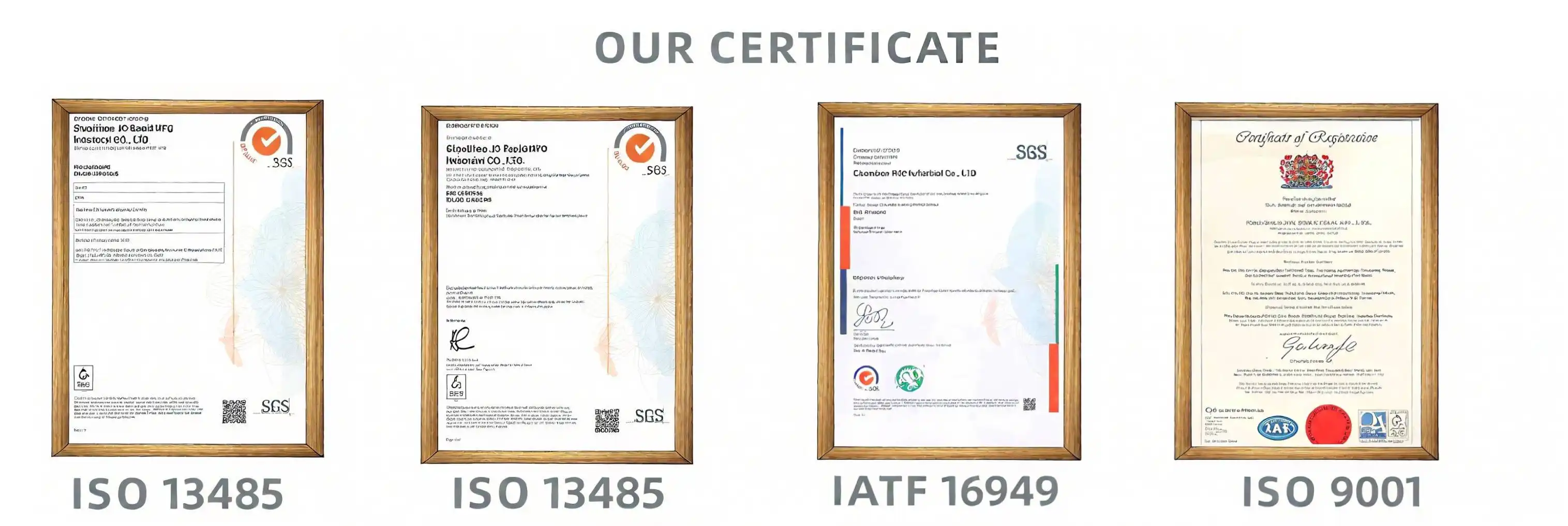
The 32 high-tech CNC tools in the 1,600-square-meter production center make it easy to make both standard and custom hardware solutions quickly. With ISO 9001:2015 approval, quality control is guaranteed throughout all stages of production. RoHS compliance shows a dedication to being environmentally friendly and following the rules.
As part of quality control, materials are tested, dimensions are checked, and performance is confirmed to make sure that every part meets the standards. With modern measuring tools, you can check that important measures and surface finish traits are correct. Load testing makes sure that speed works as expected in certain situations.
Global Market Reach and Customer Support
Junsion makes products that are used in more than 20 countries in a wide range of fields, such as computing, communications, consumer goods, and transportation. Being present on the foreign market shows that you can meet the needs of customers from different regions while keeping quality standards the same.
Technical advice services help customers with all parts of the buying process, from coming up with the first specifications to receiving the goods and getting help after the sale. With engineering knowledge, you can get improvement suggestions that make things easier to make and cheaper while still meeting performance standards.
Conclusion
When picking the right locating pin, you need to carefully think about the needs of the application, the features of the material, the size requirements, and the supplier's abilities. Knowing the differences between pin types, materials, and manufacturing standards lets you make smart choices that improve the speed and cost-effectiveness of production. Quality providers offer both standard solutions and unique manufacturing options to meet the needs of a wide range of applications while still upholding high-quality standards. Procurement strategies that work well balance short-term needs with long-term practical goals. This makes sure that the supply chain works well and that the quality of the products stays the same.
FAQ
What factors determine locating pin suitability for specific applications?
How well an application works relies on the load needs, the environment, the tolerances for size, and how well the materials work together. The load capacity needs to be able to handle both working pressures and positioning forces. Temperature ranges, chemical contact, and wetness levels are all environmental factors. Tolerance requirements and production methods are based on the need for precise measurements. The choice of material affects how strong, resistant to rust, and stable it is at high temperatures it is made of.
How do I maintain locating pins for extended service life?
As part of regular maintenance, the machine is checked for wear, rust, or changes in size or shape that could affect how accurately it positions itself. Cleaning methods should get rid of any dirt or dust that could get in the way of proper sitting or wear out parts faster than they should. How much lubrication is needed depends on the conditions of the operation and the properties of the material. Replacement plans should take into account how often something is used and the critical tolerance standards. Predictive replacement methods work better when maintenance tasks are written down.
Which materials perform best in high-temperature environments?
A variety of types of stainless steel work better in high-temperature situations while still being dimensionally stable and resistant to rust. For extreme uses, specialized metals may be able to handle higher temperatures better. When choosing materials, you need to think about how they will expand and contract when heated and how they might work with other parts of the system. Surface treatments should keep their structure when subjected to thermal cycles and still provide the required performance qualities.
Partner with Junsion for Precision Locating Pin Solutions
Dongguan Junsion Hardware Co., Ltd. makes locating pins and other custom hardware solutions that are precisely designed to meet the exact needs of makers around the world. We are the best locating pin provider for your important projects because we have advanced production skills, strong quality systems, and a dedication to customer satisfaction. Our experienced team provides technical knowledge and quick service that guarantees project success, whether you need standard fixing pins or solutions that are specifically designed for your needs.
Get in touch with our engineering team at Lock@junsion.com.cn to talk about your unique needs and find out how our precision manufacturing can help your production processes run more smoothly. We can help you reach your manufacturing goals by giving you specific technical advice, making fast prototypes, and delivering your products on time.
References
1. Johnson, M.R. (2023). "Precision Positioning Systems in Modern Manufacturing." Manufacturing Engineering Quarterly, 45(3), 78-92.
2. Chen, L.K. & Williams, P.D. (2024). "Material Selection Guidelines for Industrial Fastening Components." International Journal of Mechanical Engineering, 38(2), 156-171.
3. Roberts, A.J. (2023). "Quality Standards and Certification Requirements for Precision Hardware Components." Global Manufacturing Standards Review, 12(4), 234-248.
4. Thompson, S.M. (2024). "Cost-Benefit Analysis of Standard versus Custom Hardware Solutions in Manufacturing." Industrial Procurement Management, 29(1), 89-103.
5. Davis, K.L. (2023). "Environmental Considerations in Precision Component Material Selection." Engineering Materials and Applications, 41(6), 445-459.
6. Martinez, R.C. (2024). "Supply Chain Optimization Strategies for Precision Hardware Procurement." B2B Manufacturing Logistics, 16(2), 123-138.