




Why Choose CNC Processing Parts for Precision Manufacturing?
Deciding on the CNC Processing Part. In today's cutthroat business world, part solutions for precision manufacturing ensure scalability, reproducibility, and accuracy that no one else can match. Computer numerical control technology allows for the fabrication of complicated geometries, consistent quality across production runs, and remarkable dimensional tolerances, which are not achievable with older methods. When it comes to developing prototypes and producing large quantities of a product, this modern manufacturing method offers cost-effective solutions while reducing material waste and human error.
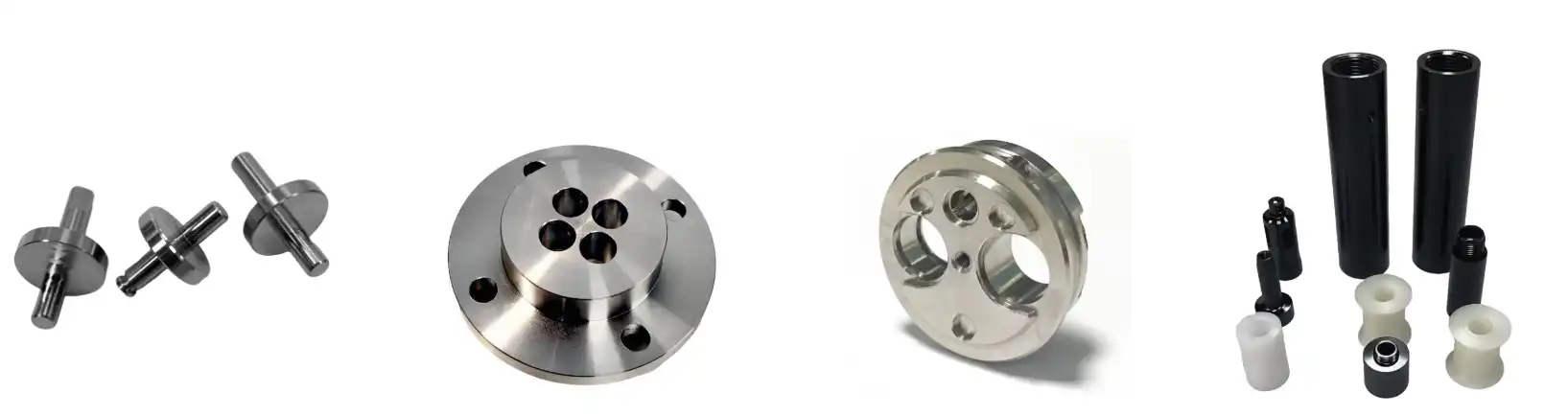
Understanding CNC Processing Parts and Their Role in Precision Manufacturing
Computer numerical control machining represents a transformative approach to manufacturing precision components across multiple industries. The technology utilizes computer-controlled machine tools to remove material from solid workpieces, creating parts with extraordinary dimensional accuracy and surface finish quality.
Fundamental Principles of CNC Machining Technology
CNC machining generates accurate machine instructions by translating CAD files through complex software. These commands regulate the feed rates, spindle speeds, and cutting tools to meet the specified requirements. First, engineers use computer-aided design (CAD) software to make precise 3D models of all the necessary parts. The next step is for sophisticated CAM software to produce mathematically precise toolpaths, which direct machine operations. Materials such as copper, titanium, aluminum alloys, stainless steel, and specialty composites can all be incorporated into the manufacturing process. The best cutting parameters, tool choices, and machining processes for each material are material-specific. To make sure components match the demanding quality standards for important uses, modern CNC machinery may keep tolerances as narrow as ±0.01 mm.
Advantages Over Traditional Manufacturing Methods
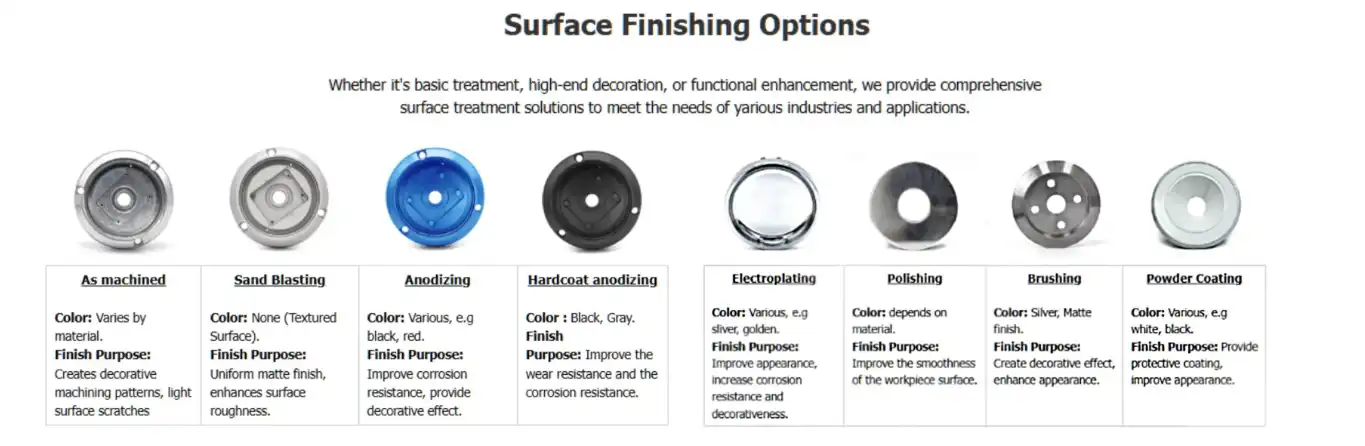
When contrasted with more traditional methods of milling, CNC technology provides several advantages. Manual operations can compromise part quality due to the high degree of operator expertise and experience required. Computer-controlled systems eliminate this inconsistency by performing the same activities without variation. It is in production settings where the benefits of scalability really shine. After the programming is finished, lots of identical parts can be mass-produced without sacrificing quality. Whether it's providers of safety-critical components for automobiles or electronics manufacturers demanding exact connector housings, this constancy is priceless. One more major perk is material consumption efficiency. CNC systems are designed to optimize cutting pathways in a way that minimizes waste. This helps reduce raw material costs and supports environmental sustainability goals. Parts need minimum finishing processes following machining, thanks to this technology's ability to enable near-net-shape manufacture.
The CNC Processing Manufacturing Process Explained
Understanding the comprehensive workflow of CNC manufacturing helps procurement professionals make informed decisions about component sourcing and quality expectations.
Design Integration and Programming Stages
The fabrication process starts with a nitty-gritty plan examination and manufacturability appraisal. Engineers audit portion geometries, dimensional necessities, and material selections to create ideal machining procedures. This preparatory stage distinguishes potential challenges and builds up reasonable resilience desires based on portion complexity and application requirements. Programming speaks to a basic stage where experienced engineers decipher a plan into executable machine code. Present-day CAM frameworks computerize much of this preparation, but gifted software engineers must approve toolpaths, select suitable cutting instruments, and set up machining parameters. Appropriate programming specifically impacts surface wrap-up quality, dimensional exactness, and generation efficiency. Quality affirmation conventions are coordinated throughout the preparation rather than consigned to the last review stages. In-process checking frameworks track dimensional compliance amid machining operations, empowering real-time alterations when essential. This proactive approach anticipates inadequate parts from advancing through ensuing operations.
Typical Tolerance Ranges and Quality Standards
Proficient CNC offices routinely accomplish tolerances between ±0.005 mm and ±0.05 mm, depending on portion geometry, fabric properties, and surface finish requirements. Components requiring uncommon accuracy, such as aviation equipment or therapeutic gadgets, may indeed require tighter specifications. Surface wrap-up quality changes based on machining parameters, apparatus determination, and post-processing necessities. Standard machined surfaces regularly accomplish Ra values between 0.8 μm and 3.2 μm, whereas specialized wrapping-up operations can reach Ra 0.1 μm for applications requiring remarkable smoothness. Dimensional steadiness all through generation runs depends on appropriate machine support, natural controls, and quality observing frameworks. Temperature variances, instrument wear, and machine vibration can impact portion quality, making comprehensive preparation control basic for keeping up reliable outcomes.
Comparing CNC-Processing Parts with Alternative Manufacturing Methods
Procurement professionals must evaluate multiple manufacturing options to optimize cost, quality, and delivery performance for their specific applications.
CNC Machining Versus Traditional Methods
While manual machining procedures are versatile for one-off repairs or prototypes, they don't provide the level of consistency needed in production settings. Even though skilled machinists may make parts of outstanding quality, CNC systems remove quality concerns caused by operator variability and modifications to the setup. Sand casting and investment casting let you save money when producing in bulk, but they limit your design options when it comes to wall thickness, internal geometries, and surface polish. To obtain the desired dimensions and surface quality standards for cast components, it is common to perform numerous machining processes. The dimensional accuracy, surface smoothness, and material qualities needed for demanding applications are areas where additive manufacturing technologies, such as 3D printing, fall short. On the other hand, they are excellent at making complicated interior geometries and rapid prototyping. The mechanical qualities and dimensional uniformity of production components are improved using CNC processing part solutions.
Custom Versus Standard Component Considerations
Custom-machined components offer plan optimization opportunities that standard equipment cannot supply. Engineers can indicate correct measurements, fabric properties, and surface medications to coordinate application necessities flawlessly. This customization capability is especially important for space-constrained congregations or specialized working environments. Standard off-the-shelf components reduce the complexity of acquisition and often reduce investment costs for common applications. Be that as it may, plan compromises may be essential to suit accessible setups. The choice between custom and standard parts ought to consider the total cost of ownership, including labor, stock carrying costs, and execution optimization benefits. Volume prerequisites essentially impact the determination of the fabrication strategy. Low-volume applications may favor CNC machining due to negligible tooling prerequisites, whereas high-volume generation might legitimize speculation casting or other forms with higher setup costs but lower per-piece estimates.
How to Choose the Right CNC Processing Parts Supplier for Your Business?
Supplier selection directly impacts product quality, delivery performance, and long-term business success. Comprehensive evaluation criteria help procurement professionals identify partners capable of meeting demanding requirements consistently.
Essential Supplier Evaluation Criteria
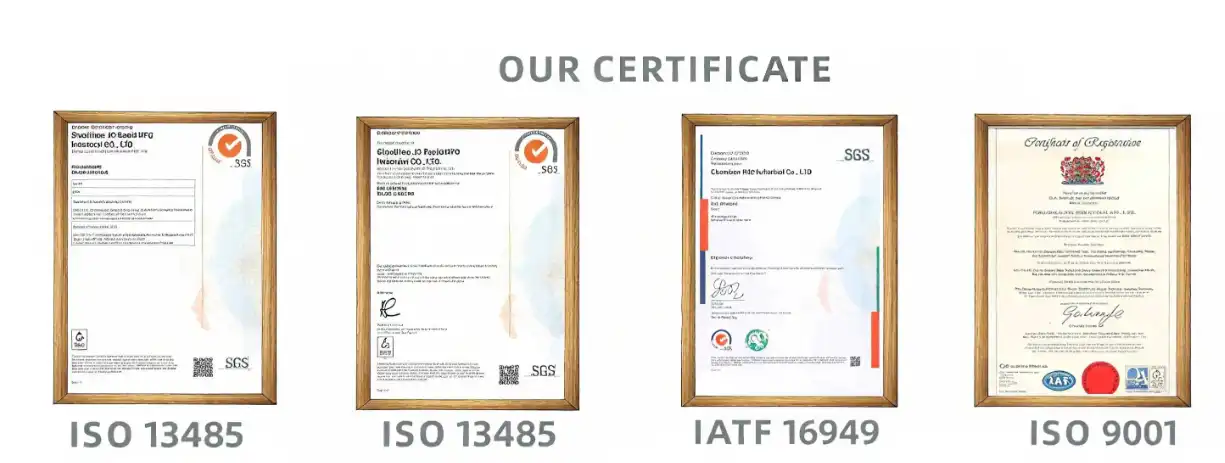
Fabricating capability appraisal starts with office visits and hardware assessments. Present-day CNC offices ought to work current-generation machine devices with fitting shaft control, instrument changing capabilities, and workholding frameworks for expected portion geometries. The machine age, upkeep programs, and administrators' preparation levels give insight into quality consistency potential. Quality management systems need to be looked at very carefully. ISO 9001:2015 certification illustrates commitment to precise quality and honesty, whereas industry-specific certifications like AS9100 for aviation or ISO 13485 for therapeutic gadgets demonstrate specialized skill. Compliance with RoHS ensures that electronic applications meet natural security measures. Technical mastery assessment ought to include a plan for manufacturability counseling, material selection direction, and surface treatment proposals. Providers who enhance building esteem beyond essential machining capabilities often establish superior long-term associations.
Quality Assurance and Certification Standards
Comprehensive quality control systems incorporate incoming material inspection, in-process monitoring, and final dimensional verification. Advanced measurement equipment, including coordinate measuring machines, optical comparators, and surface finish analyzers, should be available for critical dimension verification. Statistical process control implementation demonstrates commitment to continuous improvement and quality consistency. Suppliers should provide capability studies, control charts, and corrective action documentation when quality issues arise. At Dongguan Junsion Precision Hardware Co., Ltd., we maintain strict quality control standards throughout our production processes. Our ISO 9001:2015-certified quality management system ensures consistent results, while RoHS compliance guarantees environmental safety. Regular material testing, batch inspections, and dimensional accuracy checks using advanced measurement tools provide confidence in our CNC processing part manufacturing capabilities. Our state-of-the-art facility houses 32 advanced CNC machines capable of maintaining tolerances up to ±0.01 mm across wide material selections, including stainless steel, aluminum, copper, and titanium. We serve diverse industries from automotive to aerospace, handling projects ranging from prototypes to large-scale production runs with equal precision and attention to detail.
Future Trends and Innovations in CNC Processing Parts
Technological advancement continues to reshape CNC manufacturing capabilities, creating opportunities for enhanced productivity, quality, and sustainability.
Advanced Automation and Control Systems
Savvy fabricating integration empowers real-time generation checking, prescient support, and versatile preparation control. Machine learning calculations analyze cutting powers, vibration designs, and dimensional estimations to optimize machining parameters. These frameworks diminish administrator mediation while making strides in consistency and productivity. Collaborative mechanical technology applications mechanize fabric dealing with portion stacking and quality assessment tasks. These advancements reduce labor costs and eliminate human errors that can compromise portion quality. Advanced sensor innovations give input for handle optimization and early caution of potential quality issues. Multi-axis machining capabilities continue to grow, with synchronous 5-axis operations getting to be standard for complex geometries. These progresses decrease setup necessities, progress surface wrap-up consistency, and empower the fabrication of parts already requiring numerous operations or specialized installations.
Sustainability and Environmental Considerations
Environmental consciousness drives innovation in cutting fluid management, energy efficiency, and material waste reduction. Minimum quantity lubrication systems reduce coolant consumption while maintaining cutting performance. Energy-efficient spindle motors and servo drives lower operational expenses while supporting sustainability goals. Material recycling programs capture machining waste for reprocessing, reducing raw material costs and environmental impact. Digital documentation systems eliminate paper-based quality records while improving traceability and data accessibility. Supply chain localization trends favor regional suppliers who can provide faster response times, reduced transportation expenses, and enhanced collaboration opportunities. This shift benefits suppliers who invest in advanced capabilities and customer service excellence.
Conclusion
CNC processing parts represent the optimal choice for precision manufacturing across electronics, communications, consumer goods, and logistics industries. The technology delivers unmatched accuracy, consistency, and scalability essential for modern manufacturing requirements. Proper supplier selection, based on comprehensive evaluation criteria including certifications, capabilities, and quality systems, ensures long-term success. Future innovations in automation, sustainability, and advanced materials promise continued improvements in cost-effectiveness and performance capabilities.
FAQ
What tolerances can be achieved with CNC processing parts?
Professional CNC facilities routinely achieve tolerances between ±0.005mm and ±0.05mm, with specialized applications reaching ±0.01mm or tighter. Achievable tolerances depend on part geometry, material properties, machine capabilities, and environmental controls. Critical aerospace and medical components often require the tightest specifications.
How do CNC-processed parts compare to cast components in terms of quality?
CNC-machined parts typically offer superior dimensional accuracy, surface finish, and mechanical properties compared to cast components. Machining eliminates porosity issues common in casting while providing better control over surface roughness and dimensional consistency. Cast parts may require secondary machining operations to achieve final specifications.
What materials are suitable for CNC processing parts manufacturing?
CNC machining accommodates extensive material selections, including aluminum alloys, stainless steel, carbon steel, copper, brass, titanium, and various plastics. Material selection depends on application requirements such as strength, corrosion resistance, weight, and cost considerations. Specialized materials for aerospace, medical, or marine applications are also machinable.
Partner with Junsion for Premium CNC Processing Part Solutions
Dongguan Junsion Precision Hardware Co., Ltd. stands ready to serve as your trusted CNC Processing Part manufacturer for precision hardware components and customized storage solutions. Our 1,600 square-meter facility, equipped with 32 advanced CNC machines, delivers exceptional quality with tolerances up to ±0.01 mm across diverse material selections. We export to over 20 countries, providing fast response times and rigorous quality assurance backed by ISO 9001:2015 certification and RoHS compliance. Contact our experienced team at Lock@junsion.com.cn to discuss your specific requirements and discover how our precision machining capabilities can optimize your manufacturing operations.
References
1. American Society of Mechanical Engineers. "Dimensioning and Tolerancing Standards for CNC Machined Components. " ASME Y14.5-2018 Geometric Dimensioning and Tolerancing Standard.
2. Manufacturing Technology Research Institute. "Precision Manufacturing Capabilities and Quality Control Systems in Modern CNC Operations." Journal of Manufacturing Science and Engineering, Vol. 145, Issue 3.
3. International Standards Organization. "Quality Management Systems for Manufacturing Industries: Implementation Guidelines for CNC Processing Facilities." ISO 9001:2015 Quality Management Principles.
4. Society of Manufacturing Engineers. "Advanced CNC Machining Techniques and Surface Finish Optimization Strategies. "Manufacturing Engineering Magazine, Annual Technology Review 2023.
5. National Institute of Standards and Technology. "Measurement and Calibration Standards for Precision Manufacturing Equipment." NIST Special Publication 500-290: Dimensional Metrology Guidelines.
6. Industrial Research and Development Council. "Future Trends in Computer Numerical Control Manufacturing: Automation, Sustainability, and Quality Enhancement." Advanced Manufacturing Technology Quarterly, Vol. 28, No. 4.