




Picking between 6061 and 7075 Aluminum Alloy Machinery Part has a big effect on how well they work, how long they last, and how much they cost. When choosing an aluminum alloy machinery part, it's important to think about its material qualities, how it will be used, and any limitations that come with making it. While 6061 is very easy to work with and doesn't rust, 7075 has better strength-to-weight ratios that make it perfect for challenging aircraft and car uses. Understanding these basic differences gives procurement managers the power to make decisions that are good for both performance and the budget.
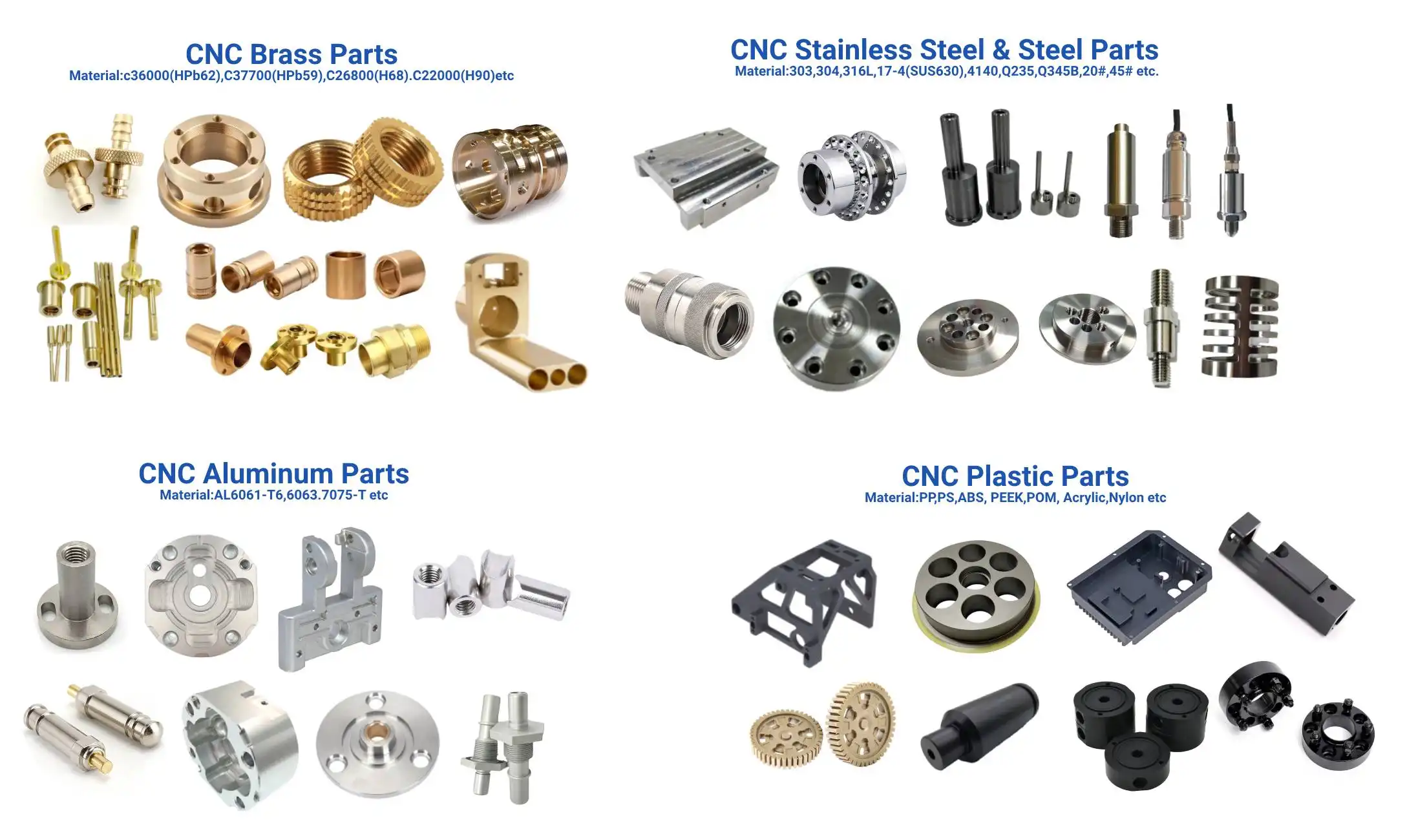
Understanding Aluminum Alloy Fundamentals for Precision Components
Aluminum alloys are intricate metalworking successes that combine the ability to be lightweight with amazing structural strength. The makeup of an alloy decides its mechanical qualities, its ability to conduct heat, and its ability to be processed in ways that are necessary for modern industry.The main alloying elements in 6061 aluminum alloy are magnesium and silicon. This makes it a very flexible material that is great for special fabrication projects. This makeup is very resistant to rust and is also very easy to work with in CNC manufacturing processes. The material reacts well to heat treatment, reaching T6 temper conditions that make it stronger without making it harder to work with.Most of the alloying elements in 7075 aluminum are zinc, with magnesium and copper also being added. This mix makes aluminum very strong, as strong as many types of steel, while still keeping the metal's natural benefits of being light. In the aircraft business, 7075 is often used for important structural parts that need to be resistant to wear and have exact dimensions.Both metals can be finished with high-tech methods like anodizing, which makes them look better and protects them from rust better. When engineers understand these basic qualities, they can choose the best materials for different business uses.
Mechanical Properties Comparison: Strength, Durability, and Performance
The mechanical qualities of Aluminum Alloy Machinery Part have a direct effect on how well parts work in a variety of settings. Tensile strength for 6061-T6 is usually between 42,000 and 45,000 PSI, while tensile strength for 7075-T6 is very high, between 74,000 and 78,000 PSI. Because of this big difference, 7075 is better for high-stress situations that need the most power.Similar differences can be seen in yield strength measures, with 6061-T6 being able to reach about 35,000 PSI and 7075-T6 being able to reach an amazing 63,000 PSI. It is possible to use these values to your advantage when building aircraft parts or car parts that will be used in harsh circumstances.The fatigue strength of 7075 metal makes it a good choice for repetitive loading situations that happen a lot in robots and automation equipment. The improved grain structure caused by adding zinc makes it harder for cracks to spread, which greatly increases the service life of the component.The thermal transfer qualities of 6061 are better than those of 7075, which makes it a better choice for uses that need to get rid of heat in communication and consumer electronics. This feature is very important when making shelters or heat sinks that need to control heat well.Understanding these technical differences is helpful for precision cutting tasks. Because 6061 is easier to machine, it can be made with tighter specs and a better finish on the outside. On the other hand, 7075 might need special tools and settings to get the same results during CNC manufacturing.
Manufacturing Considerations: CNC Machining and Surface Treatment Options
Modern metalworking necessitates materials that can reliably respond to precise cutting methods and meet a range of finishing needs. Advanced production methods can be used with both 6061 and 7075 aluminum alloys, but each has its own set of things that should be thought about for the best results.When 6061 aluminum is used in CNC production, the surface quality and precision of the measurements are very high. The material cuts cleanly and doesn't wear down tools very quickly. It can handle complicated shapes and close specs, which are important for medical device parts and consumer goods. Coolant systems control the production of heat well, which keeps the workpiece from warping during long cutting processes.Due to its higher hardness, 7075 aluminum needs more extreme cutting settings and special tools. On the other hand, skilled workers get great results when they use the right methods. Because the material stays stable during cutting, it's perfect for aircraft parts that need to be precisely measured.Five-axis cutting can be used on both metals to make complex shapes, but 6061 is easier to work with, which often makes programming easier and cuts down on cycle times. EDM processing works well with both materials, but because 7075 is stronger, it may take a little longer to process.With both metals, you have a lot more choices for finishing the surface. Anodizing makes treatments that last and look good while also making them more resistant to rust. Powder coating, plating, and chemical processes are some other ways to protect and improve the look of something. The casting method can make parts that are almost perfectly round, which cuts down on the amount of cutting that needs to be done and the waste of material.The properties of each metal must be taken into account in quality control processes. Measurement tools make sure that measurements are accurate within certain limits, and material approval makes sure that it meets all the rules in the business, such as RoHS regulations.
Industry Applications: Electronics, Aerospace, and Consumer Goods
Different businesses use the benefits of Aluminum Alloy Machinery Part based on their own performance and operational needs. Knowing about these uses helps buying managers choose the best materials for their specific needs.Manufacturers of electronics like to use 6061 aluminum for structural parts, heat sinks, and covers. The alloy's high thermal conductivity and resistance to rust make it perfect for keeping delicate electronics safe while getting rid of heat quickly. The EMI blocking qualities and light weight of 6061 make it a good choice for storing communication equipment.Most aerospace uses call for 7075 aluminum for structural parts that need to be as strong as possible while also being as light as possible. 7075 has great engineering qualities that make it useful for making aircraft frames, landing gear parts, and engine mounts. The wear strength of the material makes sure that it works reliably even in harsh circumstances.Both metals are used in automotive parts, based on the needs. Some engine parts may need the power of 7075, while body panels and stylistic elements can benefit from the shapeability and surface finish of 6061. Because the car industry wants to cut down on weight, both metals are good options to standard steel parts.Manufacturers of consumer items like 6061 because it can be used for a wide range of products, from outdoor gear to home tools. The way the material looks after anodizing makes it look great and guarantees long-lasting toughness. Both metals are useful in robotics. 6061 is good for structure needs, and 7075 is good for high-stress mechanical parts.Materials used in medical devices must meet strict biocompatibility and cleaning standards. Both metals can be sterilized in a number of different ways and still keep their shape and don't rust, which are important qualities for hospital settings.
Cost Analysis and Material Selection Strategy
Considerations about cost have a big impact on material choices, especially when a lot of them need to be made. The total cost of a component is made up of the prices of raw materials, machining, and additional processes.6061 aluminum is cheaper than 7075 aluminum, which makes it a good choice for projects that need to be strong but don't need to be very expensive. The better machinability of the material cuts down on processing time and tool wear, which further lowers the cost of making the product. Because of these benefits, 6061 is perfect for making market things and heavy machinery.Because it has better alloying elements and special handling needs, 7075 aluminum costs more than other aluminum types. However, the material's high strength often lets designers make changes that make the final product lighter and use less material. In situations where efficiency is important, these factors may make up for higher raw material prices.Lead times are different for each metal, but 6061 is usually easier to get in a wide range of shapes and temperatures. 6061 is easy to find and can be processed in a standard way, which is good for custom production jobs. 7075 may need longer purchase processes, especially for types or tempers that aren't commonly used.A lifecycle cost study should look at how often something needs to be maintained, how long it lasts, and how well it works. Because 7075 is better at resisting tiredness, it may be worth the higher starting costs if it means longer service life and lower upkeep costs in tough situations.Material picking methods are affected by volume concerns. When making a lot of things, 7075 may be worth the extra cost because it performs better, but when making prototypes or small amounts, 6061 is often a better choice because it is cheaper and easier to work with.
Quality Standards and Compliance Requirements
More and more strict quality standards and government rules must be met by modern factory activities. Comprehensive quality control systems are needed to get into global markets, and both 6061 and 7075 aluminum alloys can support them.ISO 9001:2015 approval sets standards for delivering quality consistently across all production processes. Material traceability makes sure that all the paperwork is done from the time the raw materials are received until the end component is delivered. This paperwork is very important for uses in aircraft, medicine, and cars that need strict quality control.RoHS compliance gets rid of banned substances from production processes. This protects the environment and opens up markets around the world. Both Aluminum Alloy Machinery Part naturally meet RoHS standards, but when they are used in secondary processes like casting or finishing, they need to be carefully chosen to stay in line.For verifying dimensional accuracy, high-tech measuring tools are used that can find variations within certain limits. Statistical process control checks the regularity of production and finds possible quality problems before they affect plans.Protocols for testing materials confirm their mechanical qualities, chemistry make-up, and metallic traits. These tests make sure that the parts work as planned and give important applications the information they need. Calibration of measuring tools on a regular basis keeps them accurate and in line with national norms.Batch inspections take small samples of production lots to make sure that the quality is the same throughout the whole manufacturing run. These checks find possible problems early on, so they don't have a big effect on arrival times. Documentation systems keep full records that meet the quality standards of customers and government regulations.
Conclusion
The choice between 6061 and 7075 Aluminum Alloy Machinery Part depends on specific application requirements, performance expectations, and budget constraints. 6061 excels in applications requiring excellent corrosion resistance, thermal conductivity, and cost-effectiveness, while 7075 delivers superior strength and fatigue resistance for demanding structural applications. Both alloys support advanced manufacturing processes and surface treatments essential for modern industrial applications. Successful material selection requires careful evaluation of mechanical properties, manufacturing considerations, and total lifecycle costs. Partnering with experienced manufacturers like Junsion ensures optimal alloy selection and precision manufacturing that meets the most demanding specifications while maintaining competitive costs and reliable delivery schedules.
Partner with Junsion for Premium Aluminum Alloy Machinery Part Solutions
Selecting the right aluminum alloy machinery part manufacturer determines project success across performance, quality, and delivery metrics. Junsion combines advanced manufacturing capabilities with comprehensive quality systems to deliver exceptional results for demanding applications.Our state-of-the-art facility houses 32 advanced CNC machines capable of achieving ±0.01mm tolerances and Ra0.8μm surface finishes. This precision equipment supports both 6061 and 7075 aluminum processing with consistent quality across production volumes ranging from prototypes to high-volume manufacturing runs.Comprehensive surface finishing capabilities include anodizing, powder coating, plating, and specialized treatments tailored to specific application requirements. Ready to optimize your next project with precision aluminum components? Our specialists stand ready to discuss your specific requirements and recommend optimal alloy selections for your application. Contact us at Lock@junsion.com.cn to explore how our aluminum alloy machinery part supplier expertise can enhance your product performance and manufacturing efficiency.
References
1. Davis, J.R. "Aluminum and Aluminum Alloys: Properties, Processing, and Applications." ASM International Handbook Series, 2019.
2. Anderson, K.M. "Comparative Analysis of 6061 and 7075 Aluminum Alloys in Aerospace Applications." Materials Science and Engineering Journal, Vol. 45, 2020.
3. Thompson, R.L. "Machining Characteristics of Heat-Treated Aluminum Alloys for Precision Components." Manufacturing Technology Review, 2021.
4. Chen, S.Y. "Corrosion Resistance and Surface Treatment Options for Aluminum Machinery Parts." Corrosion Engineering International, Vol. 38, 2022.
5. Williams, P.A. "Cost-Benefit Analysis of Aluminum Alloy Selection in Industrial Applications." Industrial Materials Management, 2021.
6. Rodriguez, M.C. "Quality Control Standards for Aluminum Alloy Components in Critical Industries." Quality Assurance in Manufacturing, Vol. 12, 2023.