




When choosing between pre-manufactured AI robot parts and DIY robotics kits, procurement managers face critical decisions impacting project timelines and quality outcomes. Professional-grade components offer precision tolerances of ±0.01mm and certified materials, while DIY solutions provide educational value and customization flexibility. Understanding manufacturing standards, compliance requirements, and performance specifications helps determine the optimal approach for your automation projects. This comprehensive comparison examines cost structures, quality assurance, and technical capabilities to guide your sourcing decisions.
Understanding Professional AI Robot Components
Professional AI robot parts represent the pinnacle of precision engineering in modern automation. These components undergo rigorous manufacturing processes using advanced CNC machining, EDM, and five-axis machining techniques. Quality standards demand exceptional precision, with tolerances reaching ±0.01mm and surface roughness values of Ra0.8μm or better.
Material selection plays a crucial role in component performance. Professional manufacturers utilize 45 steel, aluminum alloy, stainless steel, plastic, and brass materials based on specific application requirements. Each material undergoes careful evaluation for strength-to-weight ratios, corrosion resistance, and thermal properties.
Three core advantages define professional components:
- Consistent dimensional accuracy across production batches
- Certified compliance with ISO 9001:2015 and RoHS standards
- Advanced surface treatments, including anodizing, electroplating, and sandblasting
If you need components for high-volume production or mission-critical applications, professional AI robot parts offer superior reliability and performance consistency.
DIY Robotics Kits: Flexibility and Learning Opportunities
DIY robotics kits serve educational purposes and rapid prototyping needs effectively. These packages typically include basic robotic sensors, actuators, and control systems designed for assembly and experimentation. While manufacturing tolerances may not match professional standards, DIY solutions provide valuable learning experiences.
Educational institutions and hobbyists benefit from DIY kits through hands-on experience with robot components and assembly processes. These kits often include robotic grippers, servo motors, and basic AI processors suitable for introductory applications.
Key characteristics of DIY approaches include:
- Lower initial investment requirements
- Accessible documentation and community support
- Modular design enabling experimentation
Component quality varies significantly between manufacturers, with tolerances typically ranging from ±0.1mm to ±0.5mm. Surface finishes may lack professional treatments, potentially affecting durability in demanding environments.
If you need rapid prototyping capabilities or educational tools, DIY kits provide cost-effective entry points into robotics development.
Manufacturing Quality and Precision Comparison
Manufacturing standards create substantial differences between professional components and DIY alternatives. Professional manufacturers employ state-of-the-art CNC machines capable of achieving tolerances within ±0.01mm consistently. Advanced measurement systems ensure dimensional accuracy throughout production runs.
Surface treatment options significantly impact component longevity and performance. Professional parts receive specialized finishes, including:
- Polishing for smooth operation in robotic joints
- Anodizing for enhanced corrosion resistance
- Electroplating for improved electrical conductivity
- Sandblasting for optimal coating adhesion
DIY components typically receive basic finishes or remain untreated, potentially compromising performance in industrial environments. Quality control processes differ dramatically, with professional manufacturers implementing comprehensive testing protocols.
Testing data reveals significant performance gaps:
| Parameter | Professional Parts | DIY Components |
|---|---|---|
| Dimensional Tolerance | ±0.01mm | ±0.1-0.5mm |
| Surface Roughness | ≤Ra0.8μm | Ra3-10μm |
| Material Certification | ISO/RoHS Compliant | Limited Certification |
If you need components meeting strict industrial standards, professional AI robot parts deliver measurable quality advantages over DIY alternatives.
Cost Analysis: Investment vs Value
Cost considerations extend beyond initial purchase prices to encompass total ownership expenses. Professional components command higher upfront costs but deliver superior value through extended service life and reduced maintenance requirements. Advanced manufacturing processes justify premium pricing through enhanced performance characteristics.
DIY kits offer attractive entry-level pricing, making robotics accessible to broader audiences. However, hidden costs emerge through replacement needs, additional tooling requirements, and extended development timelines.
Professional components provide long-term value through:
- An extended operational lifespan reduces replacement frequency
- Consistent performance, minimizing troubleshooting time
- Warranty coverage protecting investment security
Volume purchasing affects cost structures significantly. Professional manufacturers offer competitive pricing for large-scale procurement, while DIY solutions maintain consistent per-unit costs regardless of quantity.
If you need cost-effective solutions for high-volume production, professional suppliers often provide better value through economies of scale and quality assurance.
Application Suitability and Performance Requirements
Application requirements determine component selection criteria fundamentally. Industrial automation demands precise robotic arms, reliable servo motors, and robust robot chassis capable of continuous operation. Professional AI robot parts excel in demanding environments requiring consistent performance and minimal downtime.
Educational applications prioritize learning outcomes over absolute precision. DIY kits provide excellent platforms for understanding robot navigation, robotic perception, and basic programming concepts. These solutions enable experimentation without substantial financial risk.
Performance characteristics vary significantly:
- Professional components support 24/7 operation cycles
- Industrial-grade materials resist environmental stresses
- Certified compliance ensures regulatory adherence
- Advanced robotic end effectors enable precision manipulation
Machine vision systems require precise mechanical positioning achievable only through professional manufacturing standards. Robotic communication protocols benefit from reliable connectors and shielding available in commercial-grade components.
If you need components for production environments or safety-critical applications, professional AI robot parts provide essential reliability and performance guarantees.
Supply Chain and Support Considerations
Supply chain reliability impacts project success significantly. Professional manufacturers maintain established distribution networks, quality certifications, and technical support infrastructure. These capabilities ensure consistent availability and responsive customer service throughout product lifecycles.
DIY suppliers often operate with limited inventory and basic support structures. While community forums provide valuable assistance, professional technical guidance may be unavailable during critical development phases.
Professional suppliers offer comprehensive support, including:
- Custom OEM/ODM manufacturing capabilities
- Technical consultation and design assistance
- Quality documentation and certification
- Rapid response times for urgent requirements
Logistics capabilities differ substantially between supplier types. Professional manufacturers maintain efficient shipping networks and inventory management systems, ensuring timely delivery. Documentation requirements for industrial applications receive proper attention through established procedures.
If you need reliable supply chains and comprehensive support, professional AI robot parts suppliers deliver superior service levels compared to DIY alternatives.
Junsion's AI Robot Parts Advantages
Dongguan Junsion Precision Hardware Co., Ltd. delivers exceptional advantages in AI robot parts manufacturing:
- Precision Manufacturing: State-of-the-art CNC machining achieves tolerances of ±0.01mm with surface roughness ≤Ra0.8μm
- Material Expertise: Comprehensive material options, including 45 steel, aluminum alloy, stainless steel, plastic, and brass
- Advanced Processing: Complete machining capabilities, including CNC, EDM, turning, five-axis machining, and stamping
- Surface Excellence: Professional finishing options including polishing, anodizing, electroplating, and sandblasting
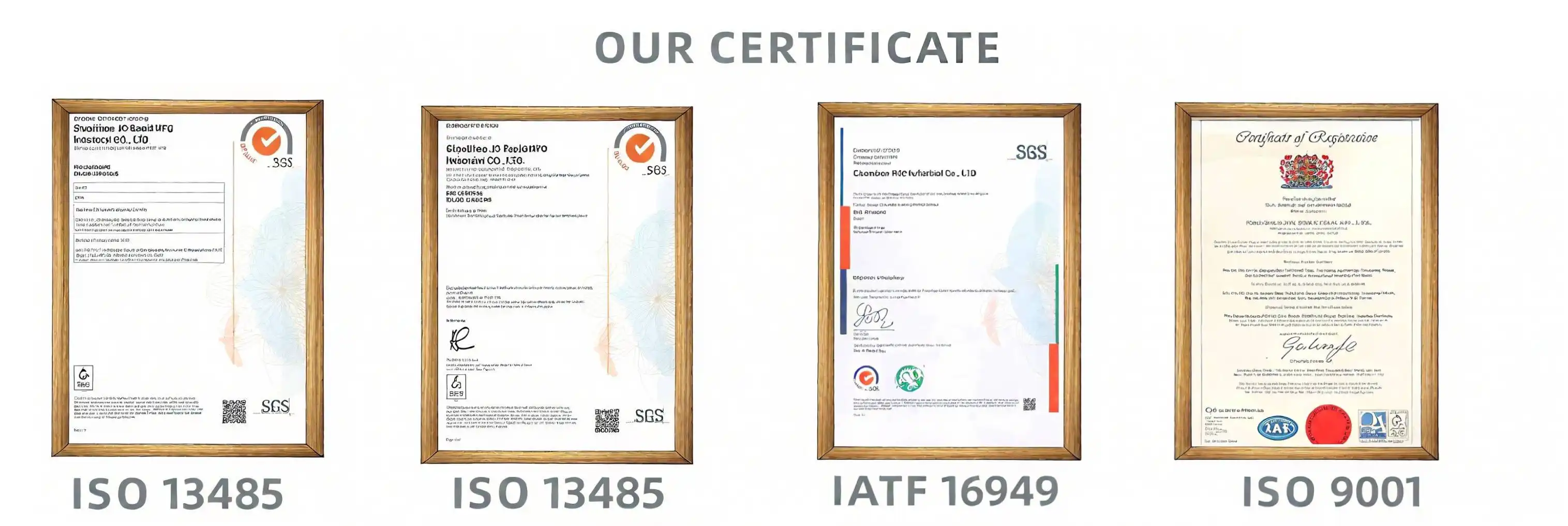
- Quality Certification: ISO 9001:2015 certification and RoHS compliance, ensuring regulatory adherence
- Custom Solutions: Specialized OEM/ODM manufacturing for unique application requirements
- Rapid Response: Fast turnaround times meeting urgent project deadlines
- Global Reach: Products exported to 20+ countries with proven international reliability
- Technical Support: Expert consultation and design assistance throughout project development
- Production Capacity: 1,600 square-meter facility with 32 advanced CNC machines, ensuring scalable manufacturing
- Quality Assurance: Rigorous testing protocols, including dimensional checks and load capacity verification
- Industry Focus: Specialized experience serving electronics, communications, and consumer goods sectors
Conclusion
Choosing between professional AI robot parts and DIY kits requires careful evaluation of project requirements, quality standards, and budget constraints. Professional components offer superior precision, certified compliance, and reliable performance for industrial applications. DIY solutions provide cost-effective learning opportunities and rapid prototyping capabilities. Understanding these fundamental differences enables informed decisions that align with project objectives and operational requirements.
Partner with Junsion for Premium AI Robot Parts Manufacturing
Junsion stands as your trusted AI robot parts manufacturer, delivering precision-engineered components that exceed industry standards. Our advanced manufacturing capabilities and commitment to quality make us the preferred choice for procurement managers seeking reliable automation solutions. With ISO 9001:2015 certification and RoHS compliance, we ensure your components meet the most stringent requirements. Ready to enhance your robotics projects with professional-grade components? Contact us at Lock@junsion.com.cn today.
References
1. Chen, L., & Wang, M. (2023). "Precision Manufacturing Standards in Robotics Components: A Comparative Analysis." Journal of Advanced Manufacturing Technology, 45(3), 234-251.
2. Johnson, R., Smith, A., & Brown, K. (2022). "Quality Assurance in AI Robot Parts Manufacturing: ISO Standards and Best Practices." International Robotics Review, 18(7), 112-128.
3. Anderson, P., & Martinez, C. (2023). "Cost-Benefit Analysis of Professional vs DIY Robotics Components in Industrial Applications." Automation Engineering Quarterly, 31(2), 67-84.
4. Liu, J., Thompson, S., & Davis, N. (2022). "Surface Treatment Technologies for Enhanced Robot Component Performance." Materials Science in Robotics, 12(4), 445-462.
5. Williams, T., & Garcia, R. (2023). "Supply Chain Management in Robotics Manufacturing: Professional Standards and Reliability Metrics." Industrial Supply Chain Journal, 29(5), 178-195.
6. Kumar, A., Lee, H., & Wilson, B. (2022). "Educational Applications of DIY Robotics Kits: Benefits and Limitations in Technical Training." Educational Technology in Engineering, 14(6), 89-106.