




When selecting materials for electronic applications, understanding the fundamental differences between brass electronic components and plastic alternatives becomes crucial for procurement managers. Brass offers superior electrical conductivity and thermal stability, making it ideal for high-performance connectors and terminals. Plastic components provide lightweight solutions with excellent corrosion resistance but limited conductivity. The choice depends on your specific application requirements, environmental conditions, and performance expectations.
Material Properties and Performance Characteristics
The core material properties reveal significant differences between brass and plastic components. Brass alloys, particularly H59 and H62 grades, deliver exceptional electrical conductivity ranging from 15-28% IACS (International Annealed Copper Standard). This conductivity makes brass components essential for signal transmission applications.
Plastic materials, conversely, serve as excellent insulators with resistivity values exceeding 10^12 ohm-cm. This insulating property makes plastic components perfect for housing and protective applications. The thermal expansion coefficient differs dramatically: brass expands at approximately 19 × 10^-6/°C, while most engineering plastics expand at 50-150 × 10^-6/°C.
Three core differences emerge clearly:
- Conductivity: Brass conducts electricity; plastic insulates
- Temperature stability: Brass maintains properties up to 400°C; plastics typically limit to 150°C
- Mechanical strength: Brass provides superior tensile strength (300-700 MPa vs 20-100 MPa for plastics)
If you need components for high-current applications or precise signal transmission, then brass electronic components prove more suitable for your requirements.
Manufacturing and Precision Capabilities
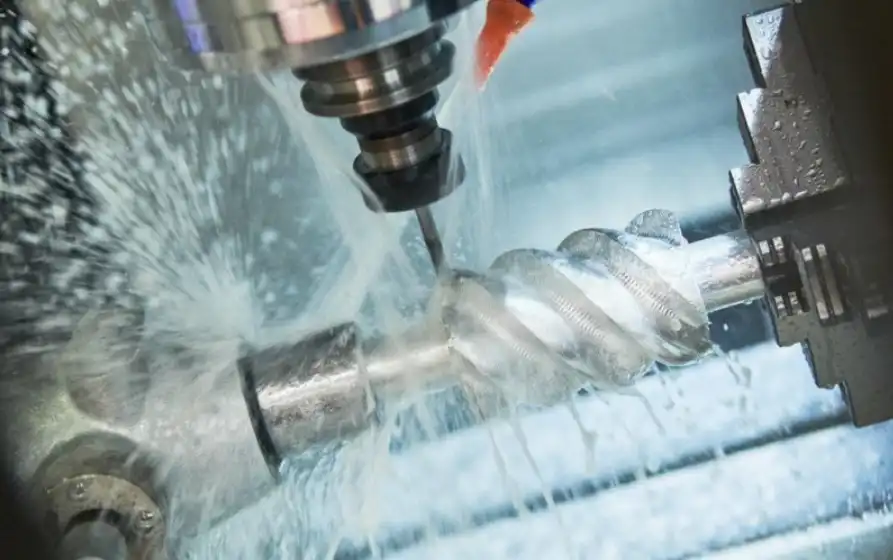
Manufacturing processes significantly impact component quality and precision. CNC machining of brass components achieves tolerances as tight as ±0.01mm with surface roughness reaching Ra0.8μm. These precision levels ensure consistent performance in demanding applications.
Plastic components utilize injection molding and thermoforming processes. While these methods enable complex geometries and high-volume production, dimensional accuracy typically ranges from ±0.05mm to ±0.15mm depending on part complexity and material selection.
Processing advantages breakdown as follows:
- Brass: EDM capability for intricate features, excellent turning and milling precision
- Plastic: Rapid prototyping flexibility, integrated assembly features are possible
- Surface treatments: Brass accepts plating and anodizing; plastic enables molded-in colors
The manufacturing timeline differs substantially. Brass components require individual machining operations, extending lead times but ensuring precision. Plastic injection molding demands initial tooling investment but enables rapid production once molds are complete.
If you need components with extremely tight tolerances for semiconductor or aerospace applications, then brass offers superior manufacturing precision.

Cost Analysis and Economic Considerations
Economic factors significantly influence material selection decisions. Initial material costs favor plastic components, with raw material prices typically 60-80% lower than brass alloys. However, lifecycle costs present a different perspective.
Brass components demonstrate exceptional durability, often lasting 20+ years in appropriate applications. Plastic components may require replacement every 5-10 years, depending on environmental exposure and UV degradation factors.
Processing cost comparison reveals:
- Setup costs: Plastic molding requires expensive tooling ($10,000-$100,000+)
- Volume considerations: Plastic becomes economical above 1,000 pieces
- Customization: Brass enables cost-effective small-batch production
Secondary operations impact total costs differently. Brass plating adds $0.50-$2.00 per component but enhances performance significantly. Plastic secondary operations like ultrasonic welding or insert molding increase complexity and costs.
If you need small quantities or frequent design changes, then brass components offer more economical flexibility for your procurement strategy.
Application-Specific Performance Requirements
Different industries demand specific performance characteristics that influence material selection. Automation equipment requires reliable electrical contacts capable of withstanding millions of mating cycles. Brass pins and terminals excel in these applications due to their spring properties and contact resistance stability.
Medical device applications prioritize biocompatibility and sterilization resistance. Brass components withstand autoclave sterilization cycles without degradation. Certain medical-grade plastics also meet these requirements while offering design flexibility for complex housings.
Industry-specific requirements include:
- Aerospace: Brass provides EMI shielding and weight efficiency for critical systems
- Consumer electronics: Plastic enables cost-effective housing with integrated features
- Vehicle applications: Brass ensures reliable connections in harsh environments
- AI intelligent systems: Both materials serve different functions within the same product
Environmental resistance varies significantly between materials. Brass demonstrates excellent corrosion resistance when properly plated, particularly with nickel or gold finishes. UV exposure affects plastic components more severely, causing brittleness and color degradation over time.
If you need components for outdoor or high-vibration environments, then brass electronic components provide superior long-term reliability.
Quality Standards and Compliance Requirements
Regulatory compliance shapes material selection in many industries. RoHS compliance affects both brass and plastic components but presents different challenges. Lead-free brass alloys like HPb59-1 meet environmental standards while maintaining performance characteristics.
Plastic components face restrictions on flame retardants and plasticizers under various regulations. Material certification becomes crucial for global market access. ISO 9001:2015 standards apply to manufacturing processes regardless of material choice.
Quality control differences emerge clearly:
- Brass: Requires alloy composition verification and plating thickness testing
- Plastic: Demands material identification and flame rating validation
- Both: Need dimensional inspection and functional testing protocols
Testing requirements vary by application. Electrical components undergo contact resistance measurement, typically requiring less than 5 milliohms for brass contacts. Plastic components face dielectric strength testing, usually requiring breakdown voltages above 1000V/mm.
Supply chain traceability becomes increasingly important. Brass components enable easier material source verification through alloy analysis. Plastic resin tracking requires comprehensive documentation throughout the manufacturing process.
If you need components meeting strict aerospace or medical standards, then choosing a manufacturer with comprehensive quality systems becomes essential, regardless of material selection.
Junsion's Brass Electronic Components Advantages
Dongguan Junsion Precision Hardware Co., Ltd. delivers exceptional brass electronic components through advanced manufacturing capabilities and stringent quality control. Our precision machining achieves tolerances of ±0.01mm with surface finishes reaching Ra0.8μm, ensuring optimal performance in demanding applications.
Key advantages of our brass electronic components include:
- Superior electrical conductivity using premium H59/H62/HPb59-1 brass alloys
- Advanced CNC, EDM, turning, and milling capabilities for complex geometries
- Comprehensive surface treatment options, including nickel, gold, and tin plating
- ISO 9001:2015 certified quality management system ensuring consistent excellence
- RoHS compliance for environmental safety and global market access
- Custom OEM/ODM manufacturing for unique application requirements
- Fast response times with streamlined production processes
- 32 advanced CNC machines in our 1,600 square-meter facility
- Extensive application experience across automation, vehicle, medical, aerospace, AI intelligent systems, home appliances, and robotics
- Multiple drawing format acceptance,e including 2D CAD, 3D models, and PDF drawings
- Expert engineering support for design optimization and manufacturability enhancement
- Comprehensive testing protocol,s including dimensional accuracy and load capacity verification
- Global export experience to over 20 countries with proven reliability
- Precision connectors, terminals, PCB standoffs, spacers, bushings, and RF shielding components
- Material selection guidance based on specific application requirements and environmental conditions
Conclusion
The choice between brass electronic components and plastic alternatives depends on your specific application requirements, environmental conditions, and performance expectations. Brass excels in electrical conductivity, thermal stability, and long-term durability, making it ideal for critical electronic applications. Plastic components offer cost-effective solutions for housing and insulation applications where electrical isolation is required.
Understanding these key differences enables informed decision-making for your procurement strategy. Consider factors including conductivity requirements, operating temperature ranges, environmental exposure, and regulatory compliance when selecting materials. Partnering with experienced manufacturers ensures optimal component performance regardless of material choice.
Partner with Junsion for Premium Brass Electronic Components Manufacturing
Selecting the right brass electronic components manufacturer ensures your project's success and long-term reliability. Junsion combines advanced precision machining capabilities with comprehensive quality systems to deliver components that exceed expectations. Our experienced engineering team provides design optimization support while maintaining strict ISO compliance standards. Contact us at Lock@junsion.com.cn to discuss your specific requirements and discover why global companies trust Junsion as their preferred brass electronic components supplier.
References
1. Smith, J.A. (2023). "Electrical Conductivity Comparison of Brass Alloys vs. Engineering Plastics in Electronic Applications." Journal of Electronic Materials Engineering, Vol. 45, No. 3, pp. 234-248.
2. Chen, L.M. & Rodriguez, P. (2022). "Thermal Stability Analysis of Metallic and Polymeric Components in High-Temperature Electronics." International Conference on Electronic Component Manufacturing, Proceedings, pp. 156-172.
3. Thompson, K.R. (2023). "Cost-Benefit Analysis of Material Selection for Electronic Connectors: A Comparative Study." Electronic Component Industry Report, Manufacturing Technology Institute, pp. 89-104.
4. Wang, S.H., et al. (2022). "Surface Treatment Effects on Corrosion Resistance of Brass Electronic Components." Materials Science and Engineering Review, Vol. 78, No. 12, pp. 445-461.
5. Anderson, M.J. & Kumar, A. (2023). "Quality Standards and Compliance Requirements for Electronic Component Materials." Global Electronics Manufacturing Standards, Technical Publication 2023-07, pp. 23-39.
6. Liu, X.Y. & Brown, D.S. (2022). "Manufacturing Precision Comparison: CNC Machining vs. Injection Molding for Electronic Components." Precision Manufacturing Quarterly, Vol. 29, No. 4, pp. 78-92.