




Alloy Bolt and Nut Standards: What Should You Know?
When sourcing fasteners for mission‑critical applications, understanding alloy bolt and nut specifications is essential. Standard carbon steel fastener systems cannot match the strength or corrosion resistance provided by alloy bolt and nut combinations. These threaded components are manufactured from specially formulated alloy steels—typically containing chromium, nickel, molybdenum, or vanadium—to meet stringent international standards, including ISO, ASTM, DIN, SAE, and ANSI. Standardized alloy fasteners are vital for procurement managers in the transportation, consumer goods, technology, and communications industries to ensure interoperability, safety, and long‑term reliability across diverse operating environments. Selecting the correct alloy grade and protective finish directly impacts joint integrity, maintenance intervals, and total cost of ownership.
Understanding Alloy Bolt and Nut Standards: An Overview
When businesspeople talk about nuts, they always say how stable they are. You can tell them apart from metal bolts and nuts because normal carbon steel fasteners don't rust and work better. Chrome, molybdenum, nickel, and vanadium are mixed in metal alloys that make up these parts. Each of these elements gives the metals a different set of strengths that make them great for harsh settings.
Around the world, there are rules about everything related to these screws, from what they are made of to the sizes and shapes of their threads and surfaces. The International Organization for Standardization (ISO), the Society of Automotive Engineers (SAE), and the American National Standards Institute (ANSI) are some of the groups that make the rules. All over the world, these groups work with producers and people who buy things. These rules make sure that everyone in the supply chain can work together and keep the standard high. They also allow people to keep an eye on things.
Just formally knowing these rules isn't enough. Some nuts need to be found that won't break, are the wrong size, or don't follow the rules. To do this, procurement managers have to look through long lists of specifications. Standard metal bolt and nut sets save you money over the life of the product, cut down on downtime, and make the product safer.
Why Standards Matter in Procurement
Standards give makers, sellers, and end users a way to talk to each other in the same language. They list the types of materials, their mechanical qualities, the ways they will be tested, and any allowed deviations in size. This makes expert conversations clearer. The seller knows exactly what tensile strength, proof load, and hardness are needed when a procurement manager asks for an ISO 898-1 Grade 10.9 bolt. This clarity speeds up sources, cuts down on mistakes, and makes sure that parts work as expected in the places they're meant to go.
Common Alloy Materials and Their Applications
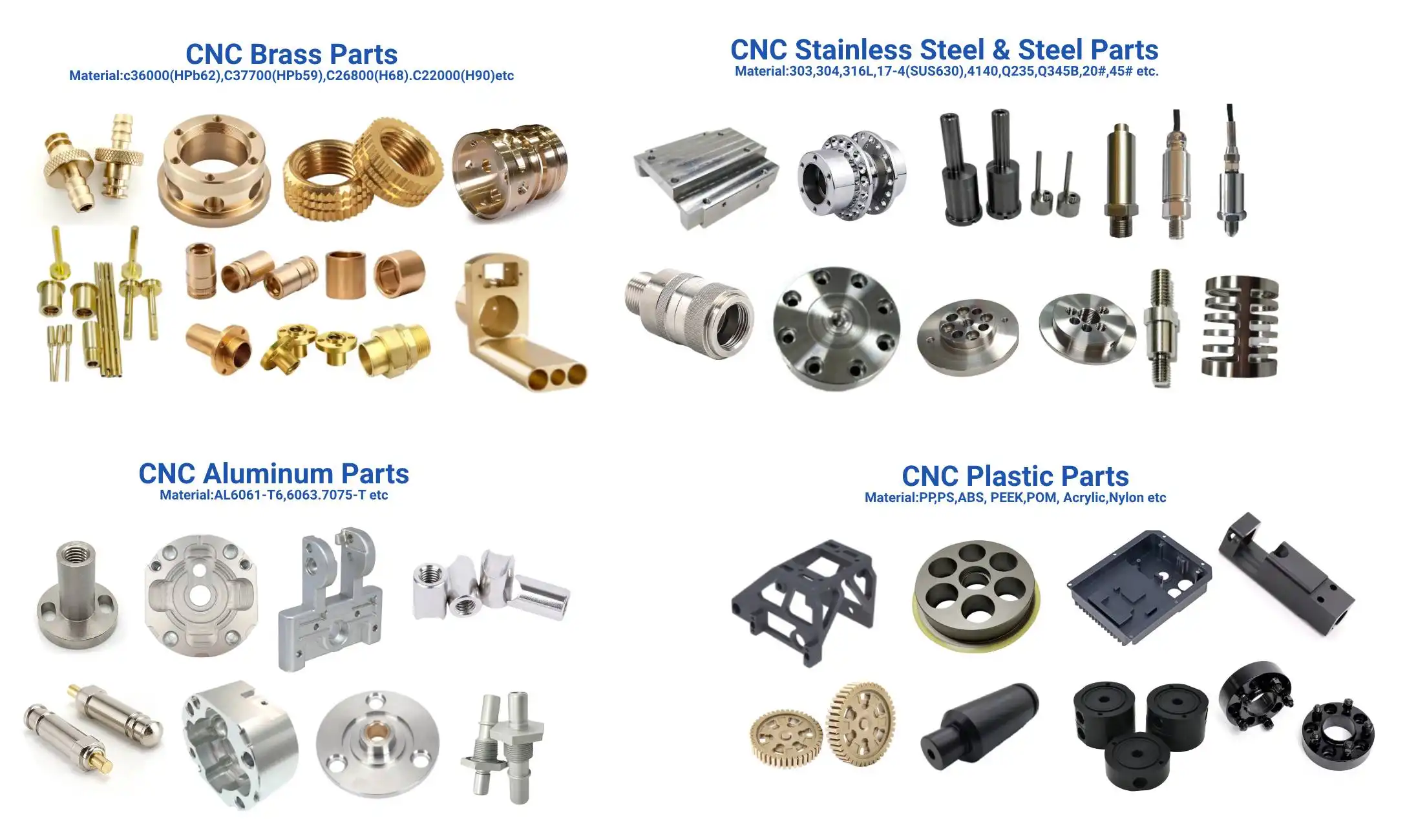
Different types of metal are used to make screws that work well in certain scenarios. People who work with cars and planes use chrome-molybdenum metals a lot because they are strong for how light they are. Nickel-based metals don't rust as quickly in water or chemicals. Aluminum metals 6061, 6063, and 7075 are light options that won't weaken the structure. They can be used when it's important to keep the weight down.
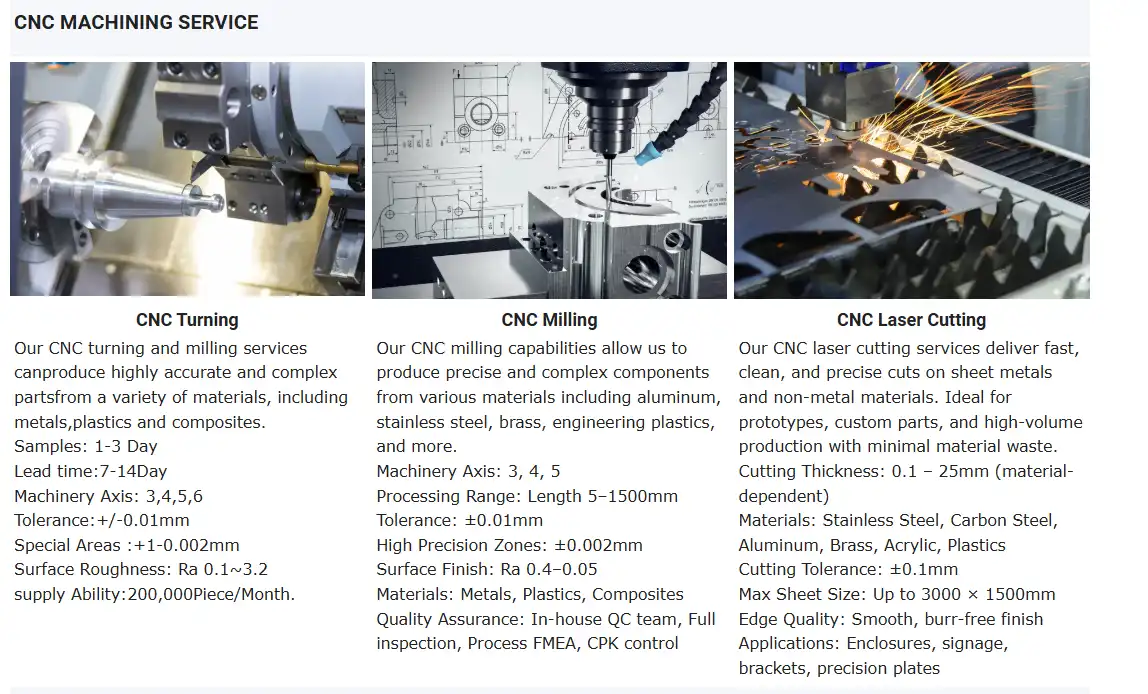
It is excellent at making bolts and other metal parts that fit together perfectly with high-tech aluminum alloys like 6061, 6063, and 7075. For accuracy of ±0.01 mm and surface roughness as low as Ra 0.8 µm, our CNC, EDM, turning, and five-axis tools are the best in the business. These standards for accuracy are very important for things like robots, medical devices, airplane parts, home goods, AI systems, and automation tools. If the measurements are correct, it affects how well things are put together and how often they work.
Key Properties and Specifications Defined by Standards
Standards clearly spell out the mechanical and physical features of metal bolts, giving people who buy things a way to measure how well they work in certain situations. In a wide range of working situations, these standards have a direct effect on performance, durability, and safety gaps.
Tensile Strength Classifications
Tensile strength represents the maximum stress a fastener can withstand while being pulled or stretched before fracture. Standards classify alloy bolt and nut combinations into grades based on tensile and yield strength properties. Grade 8 bolts, commonly used in industrial settings, have a minimum tensile strength of 150,000 psi, enabling them to withstand high‑stress applications. ISO metric grades such as 10.9 and 12.9 provide comparable strength levels, with grade 12.9 bolts exhibiting tensile values exceeding 1,220 MPa. Selecting the appropriate strength grade requires matching fastener capability to expected service loads, with higher strengths typically commanding premium pricing and potentially requiring more careful installation procedures.
With these categories, buying teams can perfectly match the strength of the bolt to the load needs. Alloy nuts regularly have better strength-to-weight ratios than normal carbon steel screws. This is an important factor to consider in fields like aircraft and automobile manufacturing, where reducing weight has a direct effect on speed and fuel economy.
Corrosion Resistance and Surface Finishes
Corrosion resistance depends on both the makeup of the base material and the surface processes that are used. Standards list approved ways to stop rust, such as zinc plating, hot-dip galvanizing, anodizing, blackening, electrophoresis, and special coats like QPQ (Quench-Polish-Quench). Each method of finishing offers a different amount of security and a look that is better for certain types of outdoor exposure.
Anodizing, which is especially useful for aluminum alloy bolts, makes a durable oxide layer that makes the metal much more resistant to rust while keeping its lightweight properties that are important in electronics and aircraft. Our factory has many finishing choices, such as painting, anodizing, etching, plating, blackening, electrophoresis, QPQ, and wire drawing. This lets buying teams choose the exact rust protection they need for their work environment.
Dimensional Tolerances and Interchangeability
Accurate measurements make sure that fasteners fit correctly and work reliably in systems. Standards set thread sizes, head shapes, nut profiles, and length tolerances that make sure parts from different makers can be used together. In automated assembly processes, where differences in size can slow down output or break equipment, these margins are especially important.
Modern manufacturing techniques and strict quality control rules can achieve tolerances of ±0.01 mm. We can regularly deliver parts that meet or exceed international size standards thanks to Junsion's 32 advanced CNC machines and cutting-edge measuring tools. This level of accuracy gets rid of connection problems and lowers the number of parts that get rejected during assembly.
Comparing Alloy Bolt and Nut Standards to Other Fasteners
Selecting the optimal fastener material requires understanding the performance characteristics, certifications, and cost implications of various alloy types relative to carbon steel, stainless steel, and specialty materials.
Stainless Steel Versus Alloy Fasteners
People love stainless steel screws because they don't rust, especially in chemical, food processing, and sea settings. But normal austenitic stainless steels, such as 304 and 316, are not as strong when pulled apart as high-grade alloy steel bolts. Precipitation-hardened stainless steels or nickel alloys are needed when both resistance to rust and high mechanical strength are needed. These materials are usually much more expensive.
Alloy bolt and nut systems are an option. They are made of high-strength alloy steel cores that have protective coats that make them almost as resistant to rust as stainless steel while still having better mechanical qualities. In situations like car frame components and industrial machines, this mix is often the best balance between efficiency and cost-effectiveness.
Carbon Steel and Galvanized Options
Builders and manufacturers use carbon steel screws a lot in buildings and machines because they are cheap and strong enough for noncritical tasks. Screws made of galvanized carbon steel have a zinc covering that helps protect them from rust to a certain extent. But these choices don't work well in places with a lot of stress or corrosion, where failure would have bad results.
Although alloy screws cost more at first, they last longer, need less upkeep, and have a lower total cost of ownership in challenging situations. When choosing screws for important parts, procurement managers should look at total costs instead of unit prices.
Specialty Alloys: Titanium and High-Temperature Materials
Titanium fasteners, particularly Grade 7 alloy bolt and nut combinations, represent the highest-cost option in the specialty fastener market. The addition of palladium to Grade 7 titanium provides exceptional corrosion resistance, making these fasteners ideal for demanding oil and gas, military, and sporting goods applications. Titanium offers superior strength-to-weight ratios compared to both steel and aluminum alloys, though this performance comes at a significant cost premium. The economic decision to specify titanium over more traditional materials must therefore be justified by application requirements where weight reduction, corrosion resistance, or material compatibility outweigh the higher initial procurement cost.
For use in jet engines, power generation machines, and industrial boilers where temperatures are higher than what normal alloy steels can handle, high-temperature alloys with nickel, cobalt, or speciality steel formulas are used. These materials meet strict standards, such as the AMS specs that control how well aircraft fasteners work.
When procurement workers understand these material trade-offs, they can choose the right fastener grade for each job, combining performance needs with budget limitations and legal requirements.
Practical Aspects of Procuring Alloy Bolts and Nuts According to Standards
Effective procurement extends beyond specifying the correct standards—it requires evaluating suppliers, interpreting certifications, and establishing quality assurance protocols that ensure delivered products meet specifications.
Evaluating Supplier Compliance and Certifications
Fastener providers with a good reputation keep their ISO 9001:2015 quality management certifications up to date and give material test records (MTRs) for every production batch that show the chemical makeup, mechanical properties, and heat treatment data. These papers show where the raw materials came from and how they were made, which makes buying teams more open and responsible.
RoHS compliance paperwork makes sure that screws meet safety standards for the environment by limiting harmful chemicals like mercury and lead. In the European Union, this approval is needed for apps involving technology and consumer goods. Large companies around the world are also starting to demand it.
When looking for precision metal parts, we suggest getting inspection reports from a third party, info on dimensions, and test results for samples. These steps of approval make sure that providers have the manufacturing skills and quality control methods to make sure that goods are uniform and meet standards.
Minimum Order Quantities and Lead Times
Because of the higher costs of getting the right materials and setting them up, alloy screws usually have higher minimum order numbers (MOQs) than normal carbon steel ones. It is important to know the minimum order quantities (MOQs) and production wait times of suppliers in order to plan purchases, especially when keeping track of inventory prices and production schedules.
For molding, development, and proof testing, custom OEM fastener options need more time. Customization, on the other hand, lets the design of fasteners be optimized for specific uses, which could cut down on assembly time, weight, or material costs. For buying teams and engineering departments to fully understand the pros and cons of both standard off-the-shelf components and unique solutions, they need to work together closely.
The Value of Sample Testing
Before agreeing to big production orders, fasteners are tested on samples to make sure they work as expected in real-world situations. Tensile testing, torque testing, salt spray rust testing, and measurement checking all give real-world evidence that backs up what the provider says and makes sure the standard is met.
Testing samples also shows possible problems with thread contact, coating bonding, or material hardness that might not be clear from just reading the paperwork. This investment in approval lowers the chance of expensive production delays or problems in the field due to parts that don't meet standards.
Junsion has a production center that is 1,600 square meters and has high-tech measuring and testing tools. Before making large orders, we tell buying managers to ask for samples and test them for quality. Our ability to respond quickly and our quality control procedures make sure that sample parts are a good representation of production batches.
Ensuring Quality and Trust: Working with Certified Alloy Bolt and Nut Suppliers
Building lasting partnerships with certified fastener suppliers mitigates supply chain risks and ensures consistent component quality across production runs. Several factors distinguish reliable suppliers from those unable to meet the demands of precision manufacturing environments.
Identifying Reputable Manufacturers
Well‑known alloy bolt and nut manufacturers maintain current certifications, invest in advanced production technologies, and demonstrate consistent performance through customer references and industry reputation. ISO 9001:2015 certification indicates robust quality management systems, while industry‑specific certifications—such as AS9100 for aerospace or ISO 13485 for medical devices—demonstrate specialized capabilities. For mission‑critical applications, verifying these certifications and requesting facility audit reports assures that the supplier’s quality systems meet the rigorous standards required for high-reliability assemblies.
The terms of the warranty and the return policy show how confident the provider is in their goods. Suppliers who offer full guarantees and quick technical help show that they care about quality assurance and customer happiness.
Specifications alone can't show how well something works in real life, but customer comments and case studies can. Looking at a supplier's past work in similar situations can tell you a lot about how reliable, quick, and good at fixing problems they are.
Global Versus Local Supplier Dynamics
Global sellers usually have good prices and can get you access to special metals or production methods that you can't get locally. But longer wait times, trouble communicating, and rules about import compliance make buying operations more difficult.
Local sources make shipping faster, transportation easier, and quality checks simpler. A good buying strategy usually includes both global sources for standard parts that are bought in large quantities and local partners for parts that are made to order or need to be sent quickly.
Dongguan Junsion Hardware Co., Ltd. was founded in 2019 and is a reliable source for high-precision hardware parts in the transportation, communications, consumer goods, and electronics industries. Our factory is in Dalingshan, Dongguan, and it ships to more than 20 countries while still meeting the needs of buying managers for speed and quality.
The Role of OEM Partnerships and Quality Audits
OEM (Original Equipment Manufacturer) partnerships give you access to engineering help, unique design services, and ongoing quality changes that are made to fit your needs. During the development stages of a product, OEM providers work together to suggest fastener specs that make assembly more efficient, reduce weight, or boost reliability.
Quality checks are done on a regular basis to make sure that suppliers stick to the same manufacturing standards for all production runs. Regular checks find possible changes in quality, ways to make the process better, and ways to cut costs while making sure that standards are still being followed.
Case Study: Automotive Industry Standards Compliance
A major automaker had to deal with repeated failures in the field of suspension parts caused by worn-out fasteners. After looking into it, it was found that the original supplier's screws didn't always meet the requirements because they were heat-treated and finished unevenly. By switching to an approved metal bolt and nut provider with strict batch testing and tracking processes, failures were removed, warranty claims dropped by 87%, and the company saved over $2.3 million a year in recall costs and image damage.
This case shows how expensive it can be to choose a supplier based only on price per unit, without looking at their quality processes and compliance with standards. The small extra cost of approved screws from a trusted maker paid for itself many times over in higher durability and lower total cost of ownership.
Conclusion
Navigating alloy bolt and nut standards requires understanding material properties, strength classifications, corrosion resistance factors, and dimensional tolerances that directly impact performance and reliability. International standards from ISO, ASTM, DIN, SAE, and ANSI provide the frameworks that ensure fastener quality, compatibility, and safety across diverse applications. Effective procurement involves evaluating suppliers against certification requirements, interpreting test documentation, and establishing quality assurance protocols that verify standards compliance. Partnering with certified manufacturers who demonstrate technical expertise, advanced manufacturing capabilities, and commitment to quality management systems reduces risk and ensures consistent component performance across production lifecycles.
FAQ
What are the main differences between Grade 8 and Grade 10.9 alloy fasteners?
Grade 8 fasteners, designated under SAE standards, exhibit a minimum tensile strength of 150,000 psi and are manufactured from medium-carbon alloy steel through quenching and tempering processes. Grade 10.9 fasteners, governed by ISO 898-1 standards, offer tensile strength of 1,040 MPa (approximately 150,900 psi) and proof load strength of 940 MPa. While comparable in strength, ISO metric grades provide more precise material property specifications and are preferred in international manufacturing environments where metric dimensions predominate.
How do I verify that a supplier's alloy bolts meet specified standards?
Request material test reports (MTRs) documenting chemical composition, mechanical properties, and heat treatment data for production batches. Verify ISO 9001:2015 and relevant industry certifications. Conduct sample testing, including tensile testing, hardness verification, and dimensional inspection. Review third-party inspection reports and supplier audit records. Establishing these verification protocols before placing volume orders prevents costly quality issues during production.
Are aluminum alloy fasteners suitable for high-stress applications?
Aluminum alloys such as 7075 provide excellent strength-to-weight ratios suitable for aerospace, automotive, and robotics applications where weight reduction is critical. However, aluminum fasteners exhibit lower absolute tensile strength compared to steel alloys. Applications requiring maximum load capacity in minimal space typically specify steel alloy fasteners, while weight-sensitive designs benefit from aluminum options. Consulting with engineering teams and conducting application-specific testing determines optimal material selection.
Partner with Junsion for Standards-Compliant Precision Hardware Solutions
Procurement managers seeking a reliable alloy bolt and nut supplier can trust Junsion to deliver precision-engineered fasteners and hardware components that meet the most demanding standards. Our advanced manufacturing capabilities include CNC machining, EDM, turning, and five-axis processing, with tolerances of ±0.01 mm and surface roughness values of Ra 0.8 μm. We work with premium aluminum alloys, including 6061, 6063, and 7075, applying finishes such as anodizing, plating, blackening, electrophoresis, QPQ, and wire drawing to ensure optimal corrosion protection and performance.
Established in 2019, Junsion maintains ISO 9001:2015 certification and RoHS compliance, operating 32 advanced CNC machines within our 1,600-square-meter facility in Dongguan. Our products serve automation equipment, vehicles, medical devices, aerospace systems, AI-intelligent applications, home appliances, and robotics across more than 20 countries. We provide fast response times, comprehensive quality assurance, and custom OEM/ODM manufacturing tailored to your specifications.
Contact our technical team today to discuss your fastener and precision hardware requirements. Reach us at Lock@junsion.com.cn. Let Junsion become your trusted partner in delivering efficient, durable, and standards-compliant components that enhance your product quality and operational reliability.
References
1. International Organization for Standardization. "ISO 898-1:2013 Mechanical Properties of Fasteners Made of Carbon Steel and Alloy Steel." Geneva: ISO, 2013.
2. ASTM International. "ASTM F568M-17: Standard Specification for Carbon and Alloy Steel Externally Threaded Metric Fasteners. "West Conshohocken: ASTM, 2017.
3. Society of Automotive Engineers. "SAE J429: Mechanical and Material Requirements for Externally Threaded Fasteners." Warrendale: SAE International, 2014.
4. Bickford, John H. "Introduction to the Design and Behavior of Bolted Joints: Non-Gasketed Joints." Fourth Edition. Boca Raton: CRC Press, 2008.
5. Barrett, Richard T. "Fastener Design Manual." NASA Reference Publication 1228. Washington: National Aeronautics and Space Administration, 1990.
6. Deutsches Institut für Normung. "DIN 267: Technical Delivery Conditions for Fasteners." Berlin: DIN Standards Committee Fasteners, 2016.