




How Durable Are High-Precision Metal Shaft Parts?
When made with tight specs and high-quality materials, high-precision metal shaft parts last a very long time. A well-designed metal shaft part can last for millions of operations without breaking down much, especially if the specs are within ± 0.01 mm and the surface roughness stays at Ra 0.8 μm or better. Advanced stainless steel metals, precise CNC cutting, and the right surface processes are used to make parts that can work reliably for years in harsh industrial settings, such as medical devices and aircraft systems.
Understanding the Durability of High-Precision Metal Shaft Parts
What Defines a High-Precision Shaft?
High-precision metal shaft parts are different from regular parts because they are made to very tight specs and have very accurate measurements. When we talk about accuracy in shaft production, we mean surface finishes that are at least Ra0.8¼ m smooth and tolerances that are as small as ± 0.01 mm. These specs aren't just random numbers; they mean the difference between machines that work perfectly and ones that break down too soon.
To meet these standards, manufacturing needs modern CNC turning, the ability to machine on five axes, and strict quality-control procedures. At Junsion, our 32 high-tech CNC machines keep these limits the same across all production runs. This makes sure that every shaft component meets the exact requirements needed to fit into your parts without any problems. Precision production leads to stable dimensions, which directly leads to less shaking, less wear, and longer operating lifetimes.
Load-Bearing Capacity and Design Considerations
Precision shafts last a long time if they are designed correctly and meet the needs of the application. When you figure out a part's load-bearing ability, you have to take into account the rotational loads, axial forces, bending moments, and twisting stresses it will face while it's in use. Choosing the right material is very important here. For example, 316 stainless steel is better at resisting rust in medical and naval settings, while 410 stainless steel is harder and better for places with a lot of wear.
Design experts also have to think about where the stresses are concentrated, how the shaft width changes, and how good the surface finish is. Stress peaks and crack starting points will cause a shaft with good material qualities but a rough surface finish to fail early. These worries are taken care of by our precise production processes, which keep the surface quality uniform and get rid of tiny flaws that weaken the structure.
How Wear Resistance Impacts Operational Lifespan
When it comes to metal shaft parts, wear resistance tells you how well they keep their shape and surface quality over time. Wear traits are affected by many things, such as the stiffness of the material, how it is treated on the outside, how much grease is used, and the area in which it is used. Grades of stainless steel, like 304 and 316, naturally don't wear down due to rust. Surface treatments like hard anodizing or specialized plating can make them last even longer.
It is very important to note the link between surface sharpness and wear rate. This is why our standard Ra 0.8 μm finish guideline is so important in precision applications: smoother surfaces have lower friction coefficients and less sharp wear. These improved surface properties are very helpful for parts that work in automation equipment, robots, and aircraft systems. They allow for longer repair gaps and a lower total cost of ownership.
Materials and Manufacturing Processes Influencing Durability
Comparing Stainless Steel Grades for Shaft Applications
The choice of material is the basis for how long a shaft will last. The types of stainless steel that Junsion uses—316, 304, 303, and 410—each have their own benefits that depend on the needs of the application.
Grade 316 stainless steel has molybdenum, which gives it excellent resistance to pitting corrosion in chloride environments and high-temperature settings. This makes metal shaft part components fabricated from this alloy ideal for medical instruments, pharmaceutical equipment, and marine systems that experience regular exposure to aggressive chemicals or saltwater. The material maintains its mechanical properties across a wide temperature range, ensuring reliable performance even in challenging operating conditions where lower‑grade stainless steels would suffer premature degradation.
When it comes to versatility, grade 304 stainless steel is the best choice. It is resistant to rust, easy to shape, and cheap. A lot of consumer goods, home tools, and general automation equipment use it because it works so well in most industry settings. 304 is a good choice for high-volume production runs because it strikes a good mix between performance and cost.
Grade 303 stainless steel has sulfur added to it to make it easier to machine. This lets it be made more quickly and with better surface finishes. This grade works great for jobs that need complicated shapes or a lot of machining. The better machinability lowers the cost of production without lowering the strength or resistance to rust too much for many domestic uses.
The martensitic structure of Grade 410 stainless steel makes it harder and more resistant to wear. It gets hard enough after being heated that it can be used in high-stress situations in aircraft, car gears, and big machines. The higher carbon content makes the steel stronger than austenitic types, but it also makes it less resistant to rust.
Critical Production Methods and Surface Finishes
Precision shaft components' final quality and how long they last depend on the advanced production methods used to make them. CNC turning is the main way we make things, and it lets us control the thickness and concentricity of our shafts across all lengths. CNC cutting is computer-controlled, so mistakes made by humans are not possible. Tolerances stay within the required range of ± 0.01 mm throughout production runs.
Our manufacturing options are expanded by five-axis cutting, which lets us make complicated shaft shapes with many features, eccentric sections, or combined parts. This cutting-edge technology cuts down on the number of setups that need to be done, keeping standards tighter and changing the way dimensions relate to each other. The less moving and handling, the less likely it is that the surface will get damaged or contaminated.
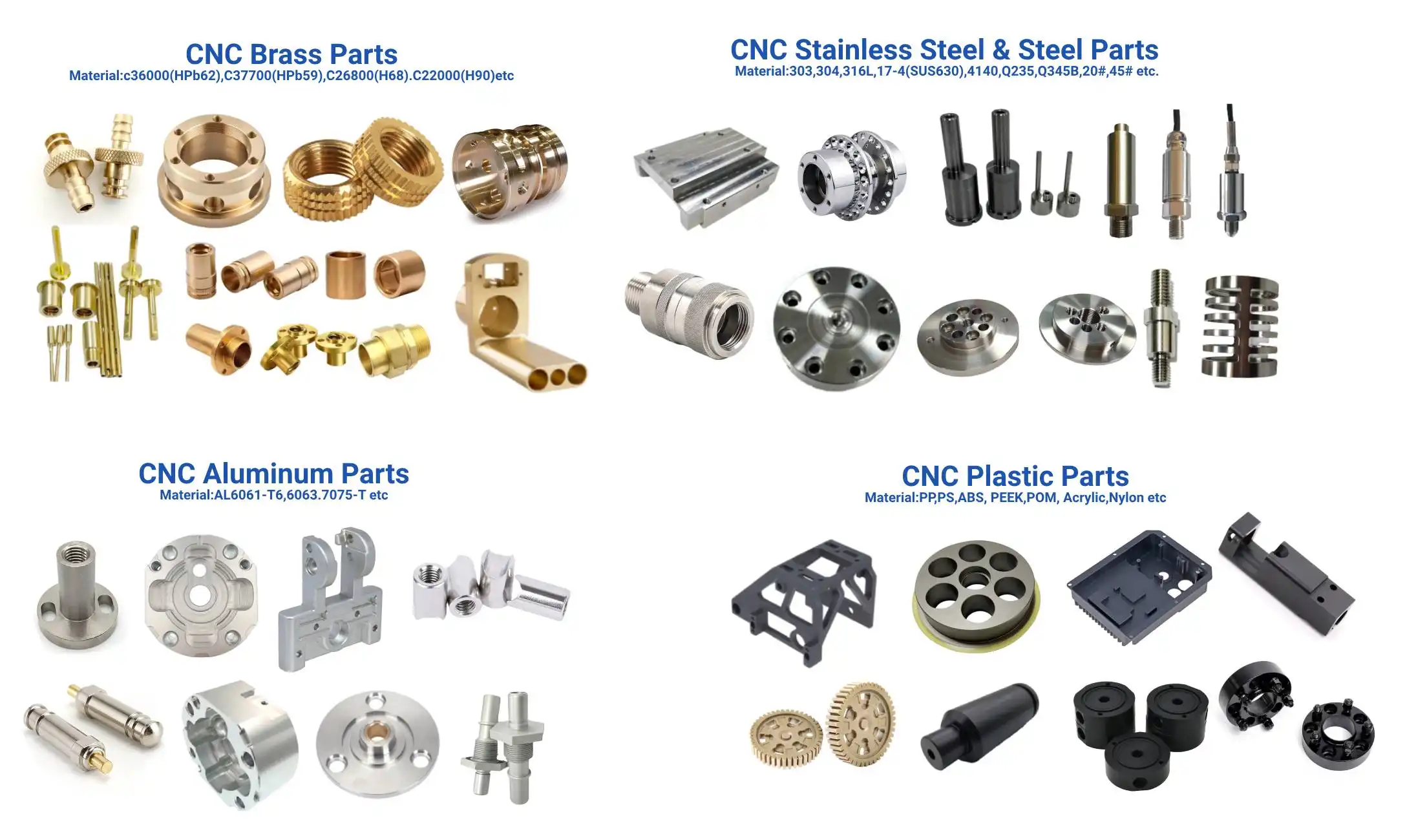
Surface finishing options have a big effect on both how something looks and how long it lasts. Polishing makes surfaces look like mirrors, which lowers friction and improves rust resistance by getting rid of surface rough spots where dirt and other contaminants could gather. Anodizing creates a tough metal layer that makes the part more resistant to wear and lets you use color coding to find it. Plating with materials like nickel or chrome adds certain qualities, like making something harder or better at conducting electricity.
Electrophoresis coating covers surfaces evenly, even if they have complicated shapes. It protects against rust well with little effect on the shape. Sandblasting gets surfaces ready for the next step in the process. It also makes regular matte finishes that help paints or coats stick better. Each finishing method meets different practical needs, and choosing the right treatment for a part's intended use extends its life.
Quality Control Measures and Inspection Processes
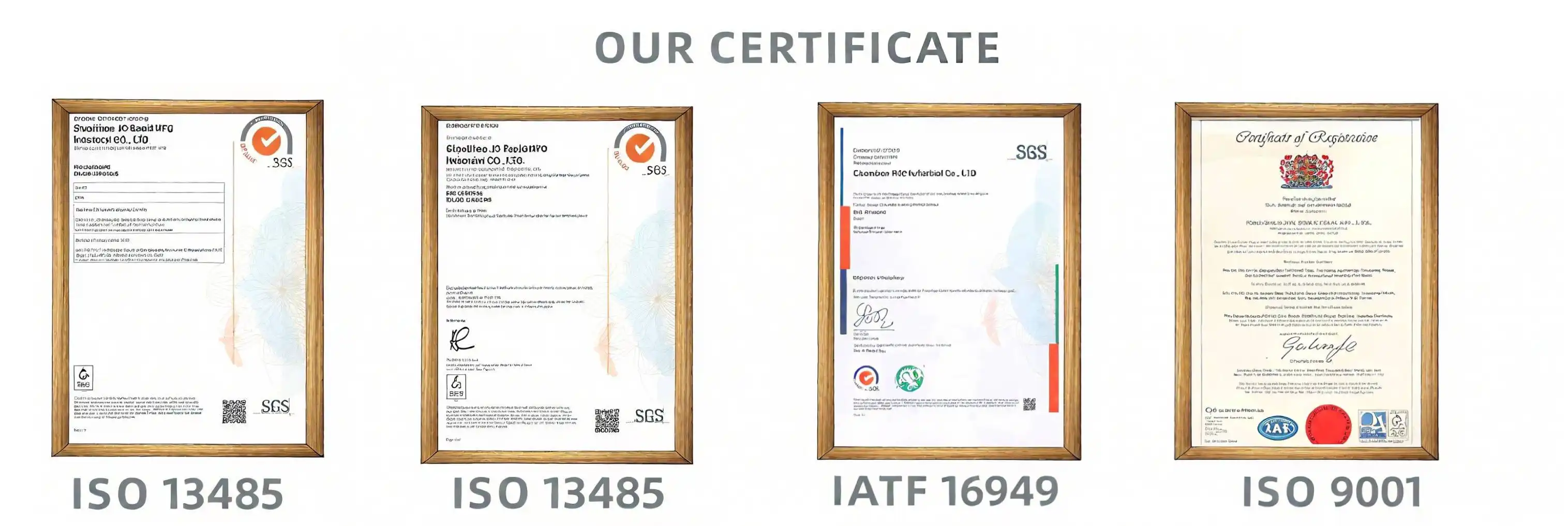
Junsion's quality assurance procedures are based on ISO 9001:2015 standards and include checking for RoHS compliance throughout the whole production process. Coordinate measuring tools and precision micrometers are used for dimensional accuracy checks on every production batch to make sure that the limits are correct. Before parts go through finishing steps, surface roughness testing with profilometers makes sure that Ra values are within the acceptable range.
Material proof includes spectroscopy research to make sure that the metal makeup fits the grades that were asked for. Testing the hardness of a grade confirms that heat treatment works for grades that need it. These regular quality checks make sure that every metal shaft part that leaves our plant meets the strict standards that your uses need. This cuts down on failures in the field and guarantees claims.
Comparing Metal Shaft Parts: Durability and Suitability
Metal Versus Plastic Shaft Alternatives
Picking between metal and plastic shafts relies on the load capacity, operating conditions, and climate in which the product needs to work. When strength-to-weight ratios, temperature resistance, and physical stability under stress are important, metal shaft parts work best in high-load situations. Plastic options might be cheaper in low-stress situations, but they aren't strong enough for precision machines.
Metal rods stay the same size over a wide range of temperatures, usually from very cold to several hundred degrees Celsius, based on the metal used. Plastics often expand a lot when they get hot or cold, which can change the space and cause blocking or too much play when the working temperature changes. Medical devices, flight systems, and industrial processes all need precise tools that can handle high temperatures. Only metal parts can do this.
There are big differences in how much weight different materials can hold. A stainless steel shaft with a diameter of 10 mm can hold many times more weight than a plastic shaft with the same thickness. Because of this power edge, makers can make parts that are smaller, lighter, and take up less space while still meeting safety standards. Metal rods are stiff, so they don't bend, which could affect the accuracy of systems like robotic positioning systems or CNC machines.
Stainless Steel Versus Aluminum Shafts
When you look at stainless steel and aluminum rods side by side, you can see how their weight, strength, resistance to rust, and cost all vary. Stainless steel is stronger and harder than other metals, so it is better for heavy-duty uses or places where it will be exposed to acids. Because the material is naturally resistant to rust, protective coverings are not needed in many situations. This makes upkeep easier.
Aluminum is about one-third as dense as stainless steel, which makes it much lighter. This makes it a good choice for uses where weight reduction is important, like aircraft parts or portable equipment. But because aluminium has a lower stiffness of elasticity, shafts bend more when they are loaded, which could make precision less reliable in tough situations. Hard anodising and other surface processes can make aluminum more resistant to wear, but the metal itself is still lighter than some types of stainless steel.
Balancing Cost and Performance in Procurement
When making a purchase choice, the initial cost of a component must be weighed against the total cost of ownership, which includes costs for upkeep, replacements, and downtime. Premium metal shaft parts made of better materials and styles cost more per unit, but they usually cost less over their lifetime because they don't break down as often and need less maintenance.
During budget reviews, low-cost options may look good, but early mistakes in important applications can cause costs that are much higher than the initial savings. A broken shaft in a production line could cost thousands of dollars in lost work time, even though the price difference between cheap and expensive parts could be as little as a few dollars per unit. From our experience at Junsion, we know that customers who put quality standards first get more reliable operations and lower total costs over the lifecycle of their equipment.
Custom production adds value by making ideas work better for certain uses. When using standard catalog parts, you might have to give up some functionality or fit, but when you customize the specs, everything fits together perfectly. When you can define exact lengths, widths, feature locations, and surface treatments, you don't have to do any extra work, and the building process is simpler.
Maintenance and Longevity Tips for Metal Shaft Parts
Routine Inspection and Lubrication Best Practices
Precision shafts last a lot longer when they get regular preventative maintenance. Visual checks should be done on a regular basis to look for harm to the surface, the start of rust, wear patterns, and proper alignment. Finding wear early on lets replacements be planned for planned repair windows instead of failures happening out of the blue during production runs.
Managing lubrication is very important for shafts that work in bearing systems or moving contact situations. Friction and wear can be kept to a minimum by choosing the right oil for the speeds, loads, and temperatures of operation. Abrasive particles can't get into bearing surfaces, where they speed up wear, because of contamination control. The manufacturer's suggestions for lubrication times should be followed, with changes made based on real working conditions and wear data.
Identifying Common Failure Modes
Knowing how things usually break down helps repair teams spot warning signs and fix problems as soon as possible. Failures due to fatigue are caused by repeated loading and usually start at stress concentration places like keyways, shoulders, or surface flaws. Cracks that show up visually are often small lines running perpendicular to the shaft axis. Replacing parts that show the start of a crack stops rapid breaks that could damage expensive machinery.
Failures caused by corrosion show up in different ways based on the surroundings. When surface material is lost uniformly due to rust, shaft sizes slowly get smaller, and fit errors get worse. Pitting rust creates small holes in the metal that act as stress lifters and can cause fatigue cracks to form. Stainless steel types don't rust in most situations, but some chemicals or electrical conditions can still break them down.
Maximizing Service Life Through Proper Handling
How parts are handled has a big effect on how long they last. Damage to the surface from falling, scratching, or bad storing causes places where stress builds up, and rust starts. Precision shafts should be kept in packaging that keeps them safe and stops touch damage and contamination. During restocking times, rust can't happen in clean, dry storage areas.
During the installation process, there should be no hard hits that could cause damage that can't be seen. Using the right tools and methods makes sure that parts fit together properly, protecting delicate parts and surfaces from damage. Verifying the alignment during installation stops operating stresses that speed up wear or cause failure before it's time. By following the manufacturer's setup instructions and pressure recommendations, joints will work as intended without putting too much stress on the parts.
Procuring Durable High-Precision Metal Shaft Parts: What You Need to Know
Evaluating Supplier Credentials and Capabilities
A careful review of the seller is the first step to successful buying. If a provider can regularly meet your technical needs, you can tell by looking at their manufacturing skills. The level of sophistication of the production tools, especially the number and capabilities of CNC machines, directly affects the limits that can be used and the amount that can be made. Junsion has 32 high-tech CNC tools that can handle large orders while keeping the ± 0.01mm limits that are needed for precise uses.
Quality certificates show that sellers follow organized methods for managing quality. Through written processes and frequent checks, ISO 9001:2015 approval shows a dedication to ongoing growth and customer happiness. RoHS compliance makes sure that parts meet environmental standards for banned chemicals. This is very important for goods that one wants to sell in places with strict rules, like the European Union or California.
Key Procurement Considerations
Minimum order quantities affect cost-effectiveness and inventory management strategies. Some suppliers require large production runs to justify setup costs, while others offer flexibility for prototype quantities or small-batch production. Junsion accommodates both scenarios, supporting product development phases with small quantities while scaling efficiently for volume production once designs are finalized.
Pricing models vary between suppliers and may include volume discounts, tooling costs, or setup fees. Transparent pricing that clearly identifies all cost components allows accurate total cost comparisons. Custom manufacturing often involves tooling investments that spread across production quantities, making unit costs more favorable for larger orders. Understanding these cost structures helps optimize order quantities and timing.
Custom Manufacturing and Technical Support
Custom OEM/ODM manufacturing capabilities enable optimization of metal shaft parts for specific applications. Design collaboration during development phases can identify opportunities for cost reduction, performance enhancement, or manufacturing simplification. Technical expertise in material selection, tolerance allocation, and surface treatment specification adds value beyond basic manufacturing services.
Engineering support throughout the procurement process ensures specifications align with application requirements and manufacturing capabilities. Dimensional reviews catch potential issues before production begins, avoiding costly corrections after tooling investment. Material recommendations based on operating conditions optimize durability while controlling costs. This consultative approach transforms suppliers into partners who contribute to product success.
Conclusion
High-precision metal shaft parts deliver exceptional durability when manufactured with appropriate materials, tight tolerances, and quality surface finishes. The combination of superior stainless steel alloys, advanced CNC machining, and rigorous quality control creates components capable of reliable performance across demanding applications from medical devices to aerospace systems. Material selection between grades like 316, 304, 303, and 410 stainless steel allows optimization for specific environmental conditions and performance requirements. Proper maintenance practices and strategic procurement from certified suppliers maximise component lifespan while minimizing total cost of ownership. Understanding these factors empowers procurement professionals and engineers to make informed decisions that enhance equipment reliability and operational efficiency.
FAQ
How can I verify the precision quality of metal shaft parts?
Precision verification requires dimensional inspection using calibrated measurement equipment such as coordinate measuring machines or precision micrometers. Request inspection reports documenting critical dimensions, tolerances, and surface roughness measurements. Reputable suppliers provide material certifications confirming alloy composition and mechanical properties. At Junsion, every production batch undergoes comprehensive quality checks per ISO 9001:2015 standards, with documentation available to verify conformance to your specifications. Surface finish verification using profilometers confirms Ra values meet requirements. These verification methods ensure components meet the ± 0.01 mm tolerances and Ra 0.8 μm surface finishes essential for precision applications.
What factors most significantly affect shaft durability?
Material selection, manufacturing precision, and surface treatments represent the primary durability determinants. Stainless steel grades with appropriate corrosion resistance and mechanical strength for the operating environment prevent premature degradation. Tight manufacturing tolerances minimize stress concentrations and ensure proper fit with mating components. Surface finishes below Ra0.8μm reduce friction and wear while eliminating defects that could initiate cracks or corrosion. Proper maintenance, including lubrication and contamination control, extends service life significantly.
Do surface coatings effectively extend shaft life?
Surface treatments substantially enhance durability when matched to application requirements. Hard anodizing increases wear resistance for aluminum components operating in abrasive environments. Chrome plating provides exceptional hardness for high-wear applications. Electrophoresis coating delivers uniform corrosion protection on complex geometries. Polishing creates smooth surfaces that resist corrosion and reduce friction. The effectiveness depends on selecting appropriate treatments for specific operating conditions and applying them correctly during manufacturing. Our range of finishing options, including polishing, anodizing, plating, and electrophoresis, allows customization for your exact requirements.
Partner with Junsion for Superior Metal Shaft Part Manufacturing
Dongguan Junsion Hardware Co., Ltd. specializes in manufacturing high-precision metal shaft parts engineered for exceptional durability across demanding industrial applications. Our 1,600 square-meter facility houses 32 advanced CNC machines capable of maintaining ± 0.01 mm tolerances and Ra 0.8 μm surface finishes consistently. We manufacture customized shaft components in 316, 304, 303, and 410 stainless steel grades using precision CNC turning, five-axis machining, and stamping processes. Our comprehensive finishing capabilities—including polishing, anodizing, plating, and electrophoresis—optimize components for automation equipment, vehicles, medical devices, aerospace systems, AI applications, home appliances, and robotics. As an experienced metal shaft part supplier maintaining ISO 9001:2015 certification and RoHS compliance, we deliver fast response times and quality assurance that procurement managers depend on. Contact our team at Lock@junsion.com.cn to discuss your precision hardware requirements and discover how our OEM/ODM manufacturing expertise can enhance your product performance and reliability.
References
1. ASM International Handbook Committee. "ASM Handbook Volume 1: Properties and Selection: Irons, Steels, and High-Performance Alloys." ASM International, Materials Park, Ohio, 2005.
2. Budinski, Kenneth G., and Budinski, Michael K. "Engineering Materials: Properties and Selection." Pearson Education, Upper Saddle River, New Jersey, 2010.
3. Machinery's Handbook Editorial Staff. "Machinery's Handbook: A Reference Book for the Mechanical Engineer, Designer, Manufacturing Engineer, Draftsman, Toolmaker, and Machinist. "Industrial Press, New York, 2020.
4. Kalpakjian, Serope, and Schmid, Steven R. "Manufacturing Engineering and Technology." Pearson Education, Singapore, 2014.
5. Davis, Joseph R. "Stainless Steels: ASM Specialty Handbook. "ASM International, Materials Park, Ohio, 1994.
6. Bayer, Raymond G. "Mechanical Wear Fundamentals and Testing: Revised and Expanded." CRC Press, Boca Raton, Florida, 2004.