




Alloy Bolt and Nut vs Titanium Fasteners: Which Wins?
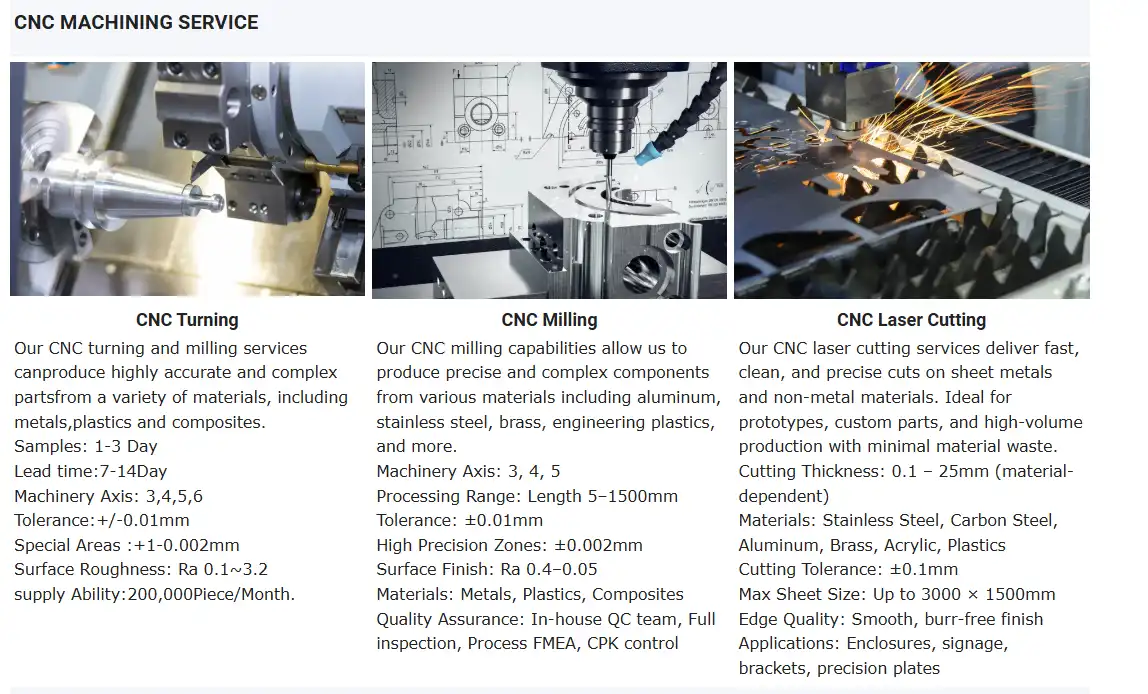
When evaluating fastening options, procurement managers often face a difficult choice between titanium alternatives and alloy bolt and nut systems. The answer depends on your program requirements. Alloy bolts generally offer higher tensile strength at lower cost, making them ideal for high‑load structural applications in transportation and electronics assembly equipment. Titanium fasteners excel where corrosion resistance and weight reduction are critical, such as in aerospace and medical devices. At Junsion, we manufacture precision‑machined alloy components from 6063, 7075, and 6061 aluminum alloys with tolerances up to ±0.01 mm.
Understanding Alloy Bolts and Nuts vs Titanium Fasteners
Core Material Composition and Properties
Alloy screws are a large group of metal parts made from steel alloys that have extra elements like nickel, chromium, and molybdenum added to them. Through controlled cooling and hardening processes, Grade 8 metal bolts can reach tensile strengths of 150,000 psi. This makes them the best choice on the market for tough industrial uses. These screws have six raised lines that help you identify them. They can hold a lot of weight in structural systems. Ti screws, especially Grade 7 types, are very resistant to rust and have a strength-to-weight ratio that is better than most metal options. Palladium is added to grade 7 titanium to make it more resistant to reducing acids and chlorides. This makes it an essential material for use in the military, in oil and gas, and in sports goods. The biocompatibility of the material also meets ISO 10993 standards. This means it can be used in medical devices where both power and tissue compatibility are important.
Manufacturing Processes and Quality Standards
Several important steps are needed to make metal bolt and nut sets, and the results are directly related to how well they work. The basic shape is made by cold heading, and then the thread is rolled to make it harder than cutting. The microstructure is then changed by heat treatment, which usually includes austenitizing at 1500°F and oil cooling. Finally, tempering is done to get the right mix of hardness and flexibility. Surface processes like blackening, copper coating, or QPQ offer extra rust protection that is specific to the working area. The reacting nature of titanium at high temperatures means that special tools and methods are needed to make titanium screws. CNC cutting, EDM, and five-axis processes make it possible to form precise threads with little waste. Titanium easily takes oxygen, nitrogen, and hydrogen at high temperatures, which could weaken its mechanical qualities. This means that the production setting must strictly control pollution. Anodising processes make oxide layers that are 30nm to 300nm thick. These layers make the metal more resistant to wear and allow colour-coded identification systems to work.
Technical Specifications and Industry Standards
Knowing how bolt scoring systems work helps buying workers choose the right parts. The standards for alloy bolts are SAE J429 and ASTM A354. The grade and maker are marked on the nuts. Medium-carbon alloy steel is used to make Grade 8 bolts, which have minimum tensile strengths of 150,000 psi and proof loads of 120,000 psi. They can be used for important structural links in big machinery and car frames. Titanium screws are made to meet the requirements set out in ASTM B348 and AMS, which describe their chemical make-up and mechanical qualities. Tensile strengths of Grade 7 titanium hex bolts are usually between 50,000 and 65,000 psi, which is lower than those of Grade 8 steel. However, these bolts can do this job while being only 56% as dense as steel. This edge in weight is very important in flight, where every gram affects how much fuel is used and how much weight can be carried.
Technical Comparison: Performance and Application
Strength and Load-Bearing Capacity Analysis
The mechanical strength of fixing systems is the most important factor in deciding what uses they are best suited for. Alloy bolt and nut sets made to Grade 8 standards have a lot of clamping force, which is important for holding heavy parts in place in automation equipment and car systems. Because the material has a high tensile strength, smaller bolt sizes can achieve the same load rates as higher-grade options. This saves weight and money on materials for large-scale installs.
Titanium screws have better wear resistance and springy qualities than steel ones, which makes up for their lower absolute tensile strength. Titanium has a high durability limit, which means that bolts made of it can hold their shape through millions of load cycles. This is a huge benefit in places where vibrations are common, like medical implants and aircraft structures. When saving weight is worth the extra cost, titanium is the best material for the strength-to-weight ratio that alloys can't match.
Corrosion Resistance in Demanding Environments
Conditions in the environment have a big effect on how fasteners are chosen. Titanium's natural oxide layer naturally protects against rust and heals itself when it gets broken. It has a dielectric breakdown voltage of up to 100V and is very resistant to chlorides and acidic compounds. Titanium screws don't need much care in coastal settings, chemical processing plants, and outdoor sites that get salt spray because they can fix themselves.
To get the same level of rust protection, alloy nuts need protective coats. Zinc plating is a cheap way to protect things in mild environments. Cadmium plating, hot-dip galvanising, or specialised methods like electrophoresis are needed for more hostile environments. These coats add steps to the process and cost money, but they make metal screws reliable in controlled indoor environments like those used to make electronics, put together consumer goods, and store logistics goods.
Thermal Stability and High-Temperature Performance
Operating temperature ranges have a big effect on how well and how long fasteners last. When heat-treated correctly, alloy bolts keep their mechanical qualities over a wide temperature range, usually from -40°F to 800°F, based on the alloy makeup. When used in home products, robots, and AI intelligent systems that normally experience small changes in temperature, this thermal stability is ideal.
Titanium screws work great in cold environments and can be used constantly at temperatures up to 600°F without losing much of their power. The low thermal expansion rate of the material keeps stress levels low in systems that are thermally changing. This lowers the risk of failure due to wear or weakening. This thermal stability is especially helpful for aerospace structures, whose parts have to deal with big changes in temperature between working on the ground and flying at high altitudes.
Application-Specific Performance in Key Industries
Alloy bolt and nut assemblies are used a lot in the automotive industry for frame building, engine mounts, and suspension systems. These assemblies hold parts together under dynamic loads with high holding forces. Alloy screws can be used in large quantities because they are cost-effective and meet strict safety standards. Titanium screws are mostly found in high-performance cars and race equipment, where lowering the weight directly leads to better acceleration and handling.
When putting together electronics and communication equipment, you need precise screws that don't rust in wet environments and keep their shape. Our custom-made aluminium alloy parts, which are cut to 0.01mm accuracy using CNC and turning methods, are safe ways to place circuit boards and cases. Galvanic rusting happens when metals that are not the same touch each other in an assembly. Surface treatments like anodising and coating protect against this.
Cost and Procurement Considerations for B2B Buyers
Price Structure and Total Cost of Ownership
The main difference in cost between metal and titanium fixing options is the cost of the materials. Prices for raw titanium are usually five to ten times higher than prices for alloy steel. This has a direct effect on the costs of parts, even before processing complexity is taken into account. Because of this big price difference, titanium screws need clear performance reasons—like less weight, resistance to rust, or biocompatibility—that give measured value that more than makes up for the higher initial investment.
Processing difficulty adds to the costs. Titanium is reactive and sharp, which makes tool wear faster during cutting and raises the cost per unit of production. Specialised tools and controlled environments are needed to work with titanium. These require a lot of capital investment, which means that fewer makers can meet the needs of suppliers. The production of alloy bolts and nuts is helped by a stable, widely available industrial infrastructure that keeps prices low by allowing suppliers to offer a range of products.
Supplier Evaluation and Quality Assurance
Identifying reliable suppliers requires assessment across multiple dimensions critical to procurement success. ISO 9001:2015 certification indicates established quality management systems that consistently deliver conforming products. RoHS compliance demonstrates environmental responsibility and ensures compatibility with electronics manufacturing requirements. Verification of these certifications through third-party audits builds buyer confidence in supplier capabilities.
Material traceability becomes crucial when fasteners serve safety-critical applications. Reputable manufacturers maintain batch records documenting material certifications, heat treatment parameters, and dimensional inspection results. This documentation enables root cause analysis if field failures occur and provides evidence of due diligence for regulatory compliance. Procurement teams should require complete material traceability as a baseline supplier qualification criterion.
Minimum Order Quantities and Lead Times
Bulk purchasing dynamics differ substantially between alloy and titanium fasteners due to production economics. Standard alloy bolt and nut configurations typically feature low minimum order quantities—sometimes as few as 100 pieces—because manufacturers maintain inventory of common sizes and grades. This flexibility accommodates prototype development and small-scale production runs without excessive capital commitment to fastener inventory.
Titanium fastener suppliers often impose higher minimum orders reflecting the specialized nature of production runs. Custom configurations may require 500 to 1,000 pieces minimums to justify setup costs and material procurement. Strategic buyers negotiate framework agreements establishing pricing and specifications for multiple delivery releases, spreading setup costs across larger total volumes while maintaining flexible call-off quantities that align with production schedules.
Global Sourcing and Supply Chain Reliability
Geographic supplier distribution affects both pricing and supply chain resilience. Asian manufacturers, particularly those in China's Guangdong province, combine competitive labor costs with significant capital investment in advanced manufacturing equipment. This combination enables pricing structures that support cost-sensitive applications while maintaining quality standards through ISO certification and modern quality control systems.
Supply chain risk mitigation strategies increasingly emphasize supplier diversification across geographic regions. Dual-sourcing approaches split volumes between domestic and international suppliers, balancing cost optimization against delivery reliability and geopolitical considerations. Long-term supplier relationships foster collaborative improvement initiatives that reduce total costs through joint value engineering and process refinement efforts.
Making the Right Choice: Decision Support for Procurement Managers
Application Requirements Analysis Framework
Systematic fastener selection begins with comprehensive requirements definition. Load analysis determines necessary tensile and shear strength ratings, accounting for safety factors appropriate to application's criticality. Static loads in structural assemblies differ fundamentally from dynamic loads in vibrating equipment, influencing material fatigue resistance requirements. Procurement managers should collaborate with design engineers to document these parameters explicitly before soliciting supplier quotations.
Environmental exposure assessment identifies corrosion risks, temperature extremes, and chemical contacts that fasteners will encounter throughout service life. Indoor electronics assembly environments present vastly different challenges than outdoor logistics equipment or marine applications. This environmental characterization directly informs material selection decisions and protective coating specifications that ensure adequate performance margins..
Cost-Benefit Analysis Methodology
Quantitative comparison frameworks help justify material selection decisions to stakeholders. Initial acquisition costs establish baseline pricing, while installation labor considers any differences in torque requirements or special tooling needed. Lifecycle maintenance costs reflect anticipated replacement intervals based on environmental exposure and load cycling expectations.
Weight-sensitive applications require careful evaluation of mass savings benefits. Aerospace structures justify significant cost premiums when every kilogram removed increases payload capacity or fuel efficiency. Automotive applications may achieve similar justifications in electric vehicles where reduced mass extends battery range. Conversely, stationary industrial equipment realizes minimal value from weight reduction, making alloy bolt and nut solutions economically optimal despite titanium's performance advantages.
Customization Capabilities and Order Flexibility
Standard fastener geometries serve many applications adequately, but custom dimensions optimize performance in specialized assemblies. Our precision manufacturing capabilities deliver threads, head styles, and lengths tailored to exact design requirements with tolerances reaching ±0.01mm. This customization extends to material selection across 6063, 7075, and 6061 aluminum alloys, each offering distinct strength and corrosion resistance profiles suited to particular applications.
Surface finishing options dramatically expand functional possibilities. Anodizing creates wear-resistant, electrically insulating surfaces available in multiple colors for visual coding. Sandblasting produces uniform matte textures that improve paint adhesion. Wire drawing generates brushed aesthetics for visible fasteners in consumer products. Electroplating deposits protective metal layers—zinc, nickel, or chromium—tailored to corrosion environments. This finishing versatility ensures fasteners integrate seamlessly into assemblies from both functional and aesthetic perspectives.
Supplier Partnership Development
Strategic supplier relationships transcend transactional purchasing to create collaborative value. Joint engineering reviews identify opportunities for fastener consolidation, reducing part number proliferation and inventory complexity. Suppliers contribute materials expertise that influences design decisions early in product development, preventing costly redesigns when manufacturing constraints surface late in projects.
Continuous improvement initiatives drive incremental performance and cost gains over time. Regular business reviews assess quality metrics, delivery performance, and cost trends, establishing accountability frameworks that motivate supplier excellence. Collaborative problem-solving addresses quality escapes or delivery disruptions through root cause analysis and corrective action implementation, strengthening supply chain resilience.
Industry Trends and Future Outlook
Material Innovation and Performance Enhancement
Ongoing metallurgical research continues to advance both alloy and titanium fastener capabilities. New steel alloy formulations incorporate micro-alloying elements that enhance strength without compromising ductility, enabling further weight reduction through downsized fastener dimensions. Thermomechanical processing techniques refine grain structures for improved fatigue resistance, extending service life in demanding applications.
Titanium alloy development explores compositions that reduce costs while maintaining performance characteristics. Near-alpha and alpha-beta titanium alloys provide design flexibility across the strength and temperature resistance spectrums. Additive manufacturing technologies enable complex titanium geometries impossible through conventional machining, opening new application possibilities where integrated features reduce assembly complexity and part counts.
Sustainability and Circular Economy Considerations
Environmental consciousness increasingly influences procurement decisions beyond regulatory compliance. Recyclability assessments favor materials with established recovery infrastructure and minimal recycling degradation. Steel alloys boast near-perfect recyclability with established collection and reprocessing systems worldwide, allowing alloy bolt and nut products to incorporate significant recycled content without performance compromise.
Titanium recycling presents greater challenges due to contamination sensitivity and limited recovery infrastructure. However, the material's longevity and corrosion resistance extend product lifespans dramatically, potentially offsetting recycling limitations through reduced replacement frequency. Lifecycle analysis methodologies compare total environmental impacts across material extraction, manufacturing, use phase, and end-of-life disposition, providing holistic sustainability assessments.
Market Dynamics and Supply Chain Evolution
Automotive electrification trends significantly impact fastener demand patterns. Electric vehicle architectures require specialized fastening solutions for battery pack assembly, high-voltage electrical connections, and lightweight structural components. This application shift increases demand for corrosion-resistant materials and precision fasteners that accommodate tight dimensional tolerances in battery enclosures.
Aerospace market expansion, particularly in commercial space and unmanned aerial systems, drives demand for high-performance lightweight fasteners. These applications push material property boundaries, requiring exceptional strength-to-weight ratios and temperature resistance. Procurement managers serving aerospace markets must maintain relationships with suppliers possessing specialized certifications and quality systems meeting stringent industry requirements.
Conclusion
Selecting between alloy bolt and nut systems and titanium fasteners requires balancing performance requirements against cost constraints and application-specific demands. Alloy fasteners deliver exceptional strength and value for electronics manufacturing, logistics systems, and consumer goods assembly, where controlled environments prevail. Titanium alternatives excel in corrosion-prone environments, weight-sensitive aerospace applications, and medical devices requiring biocompatibility. Procurement success depends on systematic requirements analysis, thorough supplier evaluation, and strategic partnerships that ensure quality, delivery reliability, and continuous improvement. As material innovations advance and sustainability considerations gain prominence, procurement professionals must maintain awareness of evolving capabilities while focusing on solutions that optimize total cost of ownership and operational performance throughout product lifecycles.
FAQ
What are the main differences between alloy bolts and titanium fasteners?
Alloy bolts manufactured to Grade 8 specifications provide higher tensile strength (150,000 psi) compared to titanium Grade 7 fasteners (50,000-65,000 psi), making alloy options superior for high-load structural applications. Titanium offers exceptional corrosion resistance through its self-healing oxide layer and weighs approximately 56% less than steel alloys, justifying its use in aerospace and medical applications. Cost represents another significant difference, with titanium typically priced five to ten times higher than alloy steel. Material selection should align with specific application priorities—strength and cost favor alloys, while corrosion resistance and weight reduction favor titanium.
How do I determine which fastener type suits my application?
Begin by analyzing load requirements, environmental conditions, and weight constraints specific to your application. High-load structural assemblies in controlled environments typically favor alloy bolt and nut solutions for their strength and cost efficiency. Applications exposed to marine environments, chemical processing, or requiring biocompatibility benefit from titanium's corrosion resistance. Consult with engineering teams to establish performance criteria, then request samples for validation testing under actual operating conditions. Consider the total cost of ownership, including maintenance and replacement intervals, rather than focusing solely on initial purchase price.
Can I source customized fasteners with specific dimensions?
Reputable manufacturers offer extensive customization capabilities for both alloy and titanium fasteners. Our facility produces precision components with tolerances reaching ±0.01mm using CNC machining, EDM, and five-axis processing techniques. Customization extends to material selection across various aluminum alloys, surface treatments including anodizing and plating, and specialized geometries tailored to assembly requirements. Custom orders typically require higher minimum quantities and extended lead times compared to standard configurations, but provide optimal fit and performance for specialized applications across automation equipment, vehicles, medical devices, and aerospace systems.
Partner with a Trusted Alloy Bolt and Nut Manufacturer
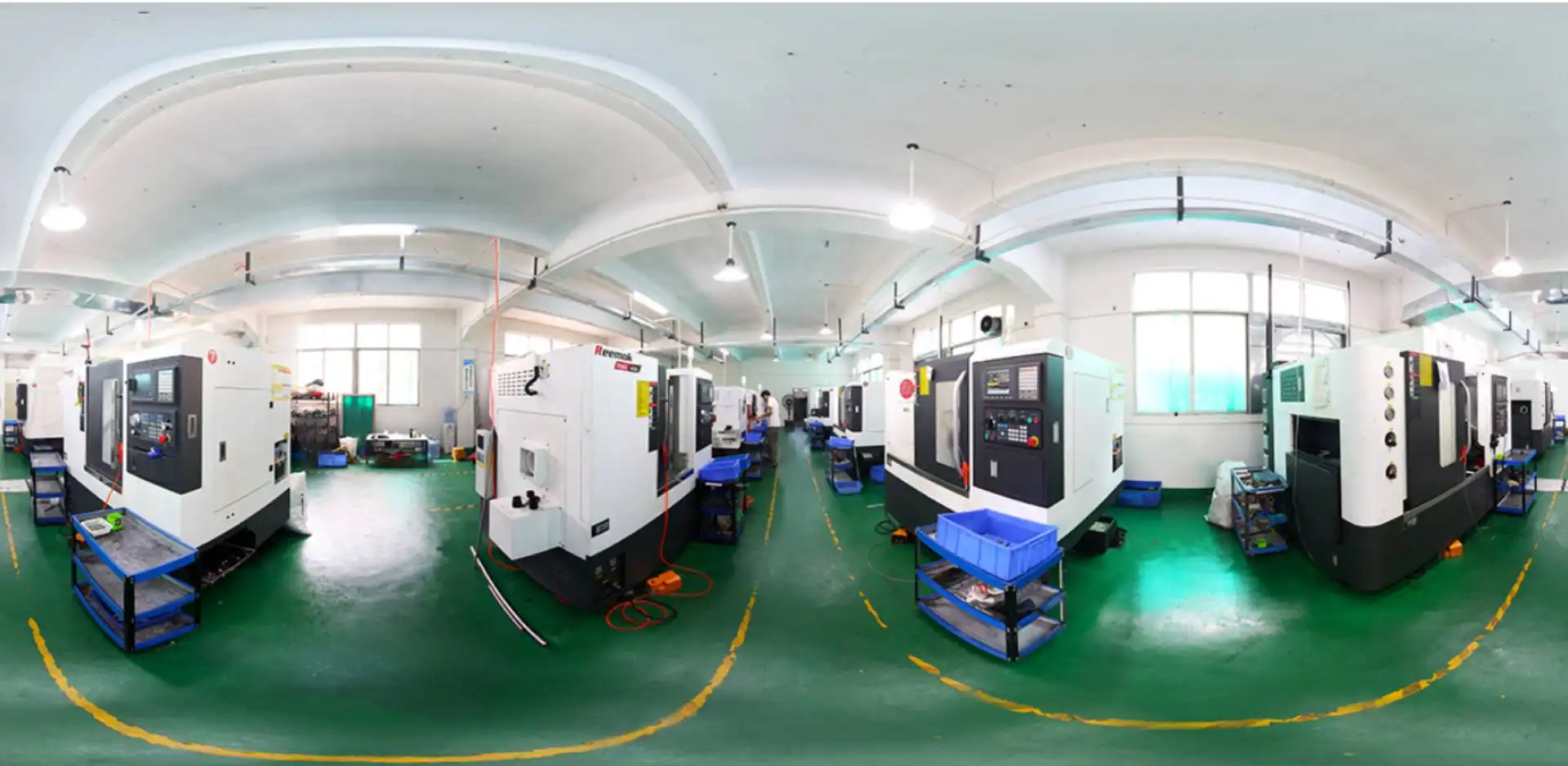
Junsion delivers precision-engineered fastening solutions manufactured to exacting standards that satisfy demanding industrial applications. Our ISO 9001:2015 certified facility in Dongguan employs 32 advanced CNC machines across 1,600 square meters, producing customized components from 6063, 7075, and 6061 aluminum alloys with tolerances of ±0.01mm and surface roughness reaching Ra0.8μm. We serve procurement managers in electronics, communications, consumer goods, and logistics industries across more than 20 countries, providing rapid response times and comprehensive quality assurance, including RoHS compliance and dimensional verification. Whether your project requires high-strength alloy bolt and nut assemblies or specialized aluminum components with custom finishes, our engineering team collaborates closely to deliver solutions meeting exact specifications. Contact our experts at Lock@junsion.com.cn to discuss your fastening requirements and discover how our manufacturing capabilities support your procurement objectives.
References
1. SAE International, "SAE J429 - Mechanical and Material Requirements for Externally Threaded Fasteners," Society of Automotive Engineers Standards, 2014.
2. ASTM International, "ASTM B348-13 - Standard Specification for Titanium and Titanium Alloy Bars and Billets," American Society for Testing and Materials, 2013.
3. Bickford, John H., "Introduction to the Design and Behavior of Bolted Joints: Non-Gasketed Joints," CRC Press, 2008.
4. Titanium Development Association, "Guidelines for Design with Titanium," Technical Manual, 2020.
5. Boyer, Rodney, "An Overview on the Use of Titanium in the Aerospace Industry," Materials Science and Engineering Journal, Volume 213, 2016.
6. ASM International, "Metals Handbook Volume 1: Properties and Selection - Irons, Steels, and High-Performance Alloys," ASM Handbook Committee, 2018.