




How Durable Are Custom Lathe POM Parts in Industry?
In industrial settings, custom-cast POM parts are very durable; they usually last 3–5 times longer than standard metal options under the same conditions of use. Precision CNC turning and cutting are used to make polyoxymethylene parts that can survive mechanical loads, chemical contact, and changes in temperature while keeping their dimensions accurate to within ±0.01mm. Lathe POM parts are the best choice for demanding industries like electronics, automobiles, medical equipment, and consumer goods production because they have better wear protection, a low friction coefficient, and the ability to lubricate themselves.
Understanding Lathe POM Parts and Their Material Properties
What Are Lathe POM Parts and Why They Matter
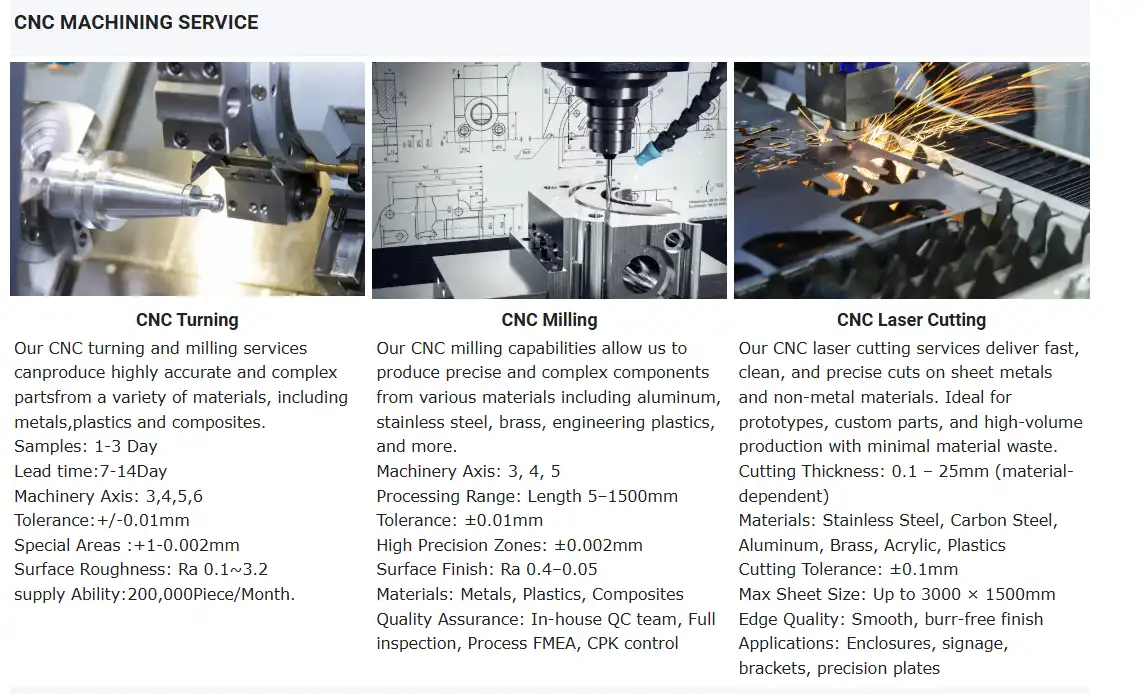
Polyoxymethylene is an industrial thermoplastic known for having great strength-to-weight ratios and dimensional stability. Lathe POM parts are precisely carved parts made from this material. CNC turning, grinding, and cutting are used on these parts to get tolerances as close as ±0.01mm and a surface roughness of ≤ Ra0.8μm. POM is different from other materials because it has a special crystalline structure that gives it great dynamic qualities even in tough working conditions. For their machines to do their most important jobs, these precise parts are used in everything from communications equipment to logistics storage systems.
Polyoxymethylene's molecular structure makes it a material that doesn't creep under long-term loads and keeps its shape at temperatures ranging from -40°C to 90°C. For example, this trait is very useful in lathes, where parts are constantly being rotated and worn down by friction. Using advanced CNC techniques to make these parts ensures that every unit is the same, meeting the high-quality standards that purchasing managers expect.
Chemical and Physical Properties That Define POM Excellence
Polyoxymethylene has a compressive strength of 60 to 70 MPa, which is much higher than that of normal nylon types. The low moisture absorption rate of the material (usually less than 0.2%) keeps the dimensions from changing, which happens with hygroscopic plastics in damp places. POM parts keep their mechanical qualities even when they're exposed to different conditions. They're also resistant to oils, acids, and neutral chemicals that are common in industrial settings.
For polished POM surfaces, the coefficient of friction is between 0.15 and 0.35. This means that they naturally lubricate, which keeps matching parts from wearing out. This ability to lubricate itself means that external oils are not needed in many situations. This cuts down on upkeep times and costs. Surface processes like polishing, anodising, and sanding improve these basic qualities even more. This lets machine POM parts be made to fit the needs of specific industries, such as those that make tools, medical devices, and home products.
Critical Role in Precision Machining Operations
POM parts are used as bushings, bearings, gears, and guides in turning machines, where accuracy and dependability determine the quality of the work. Because the material is easy to machine, it can be used to make complex shapes with sharp edges and fine threads that aren't possible with metal without significantly raising the cost. Custom measurements make sure that parts fit perfectly together, preventing the play that causes vibrations and early failure.
Because these parts are dimensionally stable under mechanical stress, they will keep their limits throughout their service life, which is important for uses that need steady output quality. Precision-machined areas stay flat even when working temperatures change during production processes because the material has low thermal expansion and high stiffness. Manufacturing companies that use lathes will have less downtime and better output because of how reliable these machines are.
Durability Analysis of Custom Lathe POM Parts in Industrial Use
Mechanical Stress Resistance in Harsh Environments
Components in industrial settings are subject to impact loads, constant wear, and cycle pressures that break down weak materials quickly. Custom lathe POM parts can take impacts of more than 80 kJ/m² without breaking. This shows that they are resilient, which saves machines during sudden load spikes or operational problems. The material's wear resistance means that it can withstand millions of load cycles without cracking. This is an important performance measure that procurement professionals know is needed to reduce the number of times that parts need to be replaced.
In high-contact situations, abrasive wear tests show that precisely polished POM surfaces keep their shape for a lot longer than brass or aluminium versions. When you mix strength and flexibility, you get a material that can absorb shock and keep its surface from wearing down. This balance is especially helpful in lathe applications where parts need to be able to handle both steady operating forces and rare overload situations without breaking.
Temperature, Chemical, and Environmental Durability
Operating temperature ranges have a big effect on how long a part lasts, and POM works great in all of those temperature ranges that are important for industrial machines. Polyoxymethylene doesn't soften above 60°C as regular nylon does. It keeps its shape up to 90°C and doesn't change size below freezing. This thermal performance makes sure that equipment works the same way whether it is in a climate-controlled room or somewhere where the temperature changes.
Chemical exposure tests show that POM can handle the oils, fuels, weak acids, and alkalis that are common in industrial settings. Strong acids and oxidising agents can break down the material, but most workplace contact situations don't pose much of a risk to the right POM types. Humidity resistance stops the size changes that happen with plastics that are sensitive to moisture. This keeps the tight tolerances needed for precision machine parts even when the weather changes with the seasons.
Comparative Advantages Over Traditional Materials
When compared to metal options, handmade POM components offer weight savings of more than 80% while meeting or exceeding functional standards. This edge in weight lowers the drag of moving parts, which cuts down on energy use and speeds up cycle times. Parts made of metal that rust need protection layers that wear off over time. POM, on the other hand, doesn't need any upkeep because it doesn't rust naturally.
Compared to different types of nylon, polyoxymethylene is better at keeping its shape and not getting wet, but it still has about the same impact power. The lower moisture absorption stops the physical creep that happens when nylon parts work in wet circumstances and affects their accuracy. Even though brass parts are easy to machine, there are worries about dezincification and weight penalties that POM doesn't have. Because of these material benefits, machine POM parts are the best choice for makers who care more about long-term dependability than initial material prices.
Understanding Failure Modes and Prevention Strategies
Even though the material is strong, POM components can fail if they are not used correctly or if they are exposed to high temperatures or conditions. Long-term contact to temperatures above 100°C speeds up reactive breakdown, which weakens the material over time. Strong oxidising chemicals, like strong nitric acid or chlorine solutions, can damage the polymer chains. This means that you have to be very careful when choosing materials for places where chemicals are present.
To keep things from breaking too soon, you need to know the specific stress factors that apply to the application and use the right design gaps. Regular screening methods that find patterns of surface wear allow replacement to happen before a major failure does. Controlling external factors like limiting UV exposure and staying away from chemicals that don't work well with the product greatly increases its service life. These care methods, along with choosing the right parts at the start, make sure that machine POM parts last as long as they can for long periods of time.
How to Optimize the Performance and Lifespan of Custom Lathe POM Parts
Proper Installation Techniques for Maximum Longevity
Whether precision components last as long as they're supposed to or break before their time is up depends on how correctly they are mounted during the initial installation. To get the right fit, you need to make sure that the fixing surfaces are clean, flat, and free of any burrs that could cause stress to build up. For press-fit uses, interference fits must be carefully managed so that parts are held in place without putting too much stress on the hoop, which can cause cracks.
When putting POM parts next to metal buildings, it's important to think about thermal expansion. Differential expansion rates can be accommodated by leaving enough space between components. This keeps them from sticking or warping when temperatures change during use. It is very important to follow the torque specs for fasteners exactly, because overtightening breaks the material and undertightening lets it move, which speeds up wear. These basic steps for installation lay the groundwork for long-lasting, reliable performance.
Maintenance Protocols That Extend Service Intervals
Regular check plans for lathe POM parts help find wear patterns early, before they become so bad that they make it impossible to do things. By looking at the surface and finding cracking, discolouration, or changes in size, you can see problems coming before they get too bad. Using precision tools to measure important dimensions ensures that parts stay within the specs, which lets them be replaced during planned maintenance instead of having to be shut down in an emergency.
Using the right lubrication methods for POM is different from using the right methods for metal components. Because the material is naturally lubricious, it usually doesn't need to be oiled. However, users with heavy loads can benefit from using suitable oils that lower friction even more. Avoiding greases made from petroleum, which can soften POM surfaces, helps keep the accuracy of the measurements. Cleaning with gentle soaps protects the surface from chemical damage and makes sure that contamination doesn't speed up wear by building up gritty particles.
Environmental Control Strategies for Optimal Operation
Keeping working conditions within POM's performance range increases the life of parts. Keeping the temperature below 80°C stops things from ageing faster, and controlling the humidity stops things from absorbing too much water, which could affect their stability. Protecting parts from direct UV light stops photodegradation, which weakens surface layers over time. This is especially important for equipment that works outside or near windows.
To handle chemical exposure, you need to know about process fluids and possible contaminants in the work area. Compatibility is guaranteed by choosing the right POM types that are resistant to the chemicals that will be used. Using enclosures and air systems lowers the amount of time that workers are exposed to violent chemicals, saving not only POM parts but also other parts of the machinery. These weather controls make sure that precision machine parts last as long as they are supposed to.
Real-World Performance Validation Through Case Studies
Leading electronics companies that use custom POM parts in automatic assembly equipment report repair intervals that are more than 40% longer than with metal bushing designs. Less friction and wear meant measured energy savings, and the rust problems that kept happening with older systems were solved. Dimensional stability kept assembly errors lower than ±0.02mm over long production runs, which directly raised the quality of the result.
Auto parts makers who used POM guide rails and wear strips in their pressing processes reported yearly cost savings of about 30% because they didn't have to change the parts as often and didn't have to grease them. Because the parts could handle metal particles without losing their function, they were especially useful in tough pressing settings. These proven results show that machine POM parts that are properly defined and kept have real operating benefits that have an effect on the bottom line of earnings.
Comparing POM Lathe Parts with Other Materials for Industrial Use
POM Versus Nylon: Strength and Stability Differences
Both materials can be used in engineering, but the best choice depends on important differences in their properties. Polyoxymethylene absorbs less than 0.25% of its weight in water, while nylon absorbs 1.5 to 2.5%. This means that polyoxymethylene parts stay the same size in damp places where nylon parts swell and lose their shape. This feature is very important for uses that need uniform limits no matter what the humidity level is outside.
POM Versus Brass: Weighing Durability Against Cost
Wear characteristics favor POM in applications involving friction against hardened steel surfaces. Brass exhibits galling tendencies under high contact pressures, while POM's low friction coefficient and self-lubricating properties prevent seizing. The material cost differential becomes more pronounced in high-volume manufacturing, where thousands of components are required, making custom lathe POM parts economically attractive while delivering equivalent or superior functional performance.
Plastic Versus Metal Components: Trade-off Analysis
Metal components dominate applications requiring extreme temperature resistance or chemical compatibility with aggressive solvents. Steel and stainless alloys withstand operating temperatures exceeding 200°C, where thermoplastics fail. The superior thermal conductivity of metals benefits applications requiring heat dissipation, a characteristic where plastics prove disadvantageous.
Certification and Supplier Quality Considerations
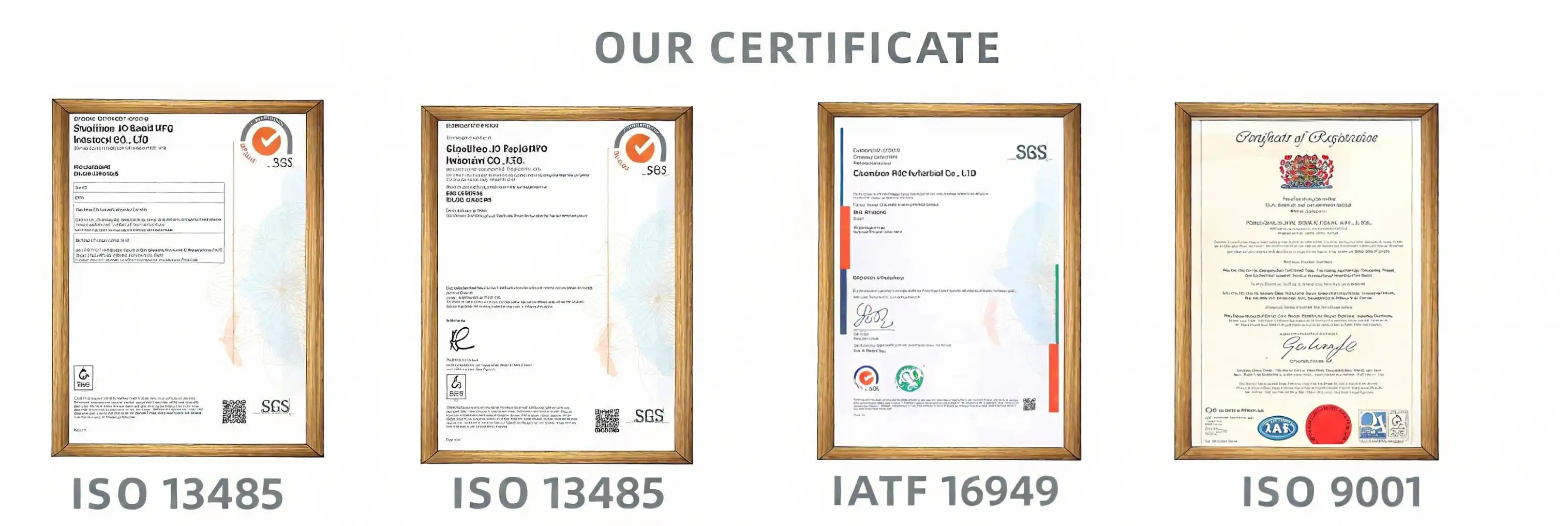
Reputable manufacturers maintain ISO 9001:2015 certification, demonstrating systematic quality management throughout production processes. RoHS compliance ensures environmental safety by restricting hazardous substances, essential for products entering regulated markets, including electronics and medical devices. Suppliers providing comprehensive material certifications and test reports enable procurement managers to verify compliance with industry standards before committing to large-scale orders.
Procurement Guide for Custom Lathe POM Parts in Global B2B Markets
Identifying Reliable Sourcing Channels and Suppliers
Global procurement strategies leverage multiple channels to identify qualified suppliers capable of delivering precision components meeting exacting specifications. Online B2B platforms provide access to manufacturers worldwide, enabling comparison of capabilities, certifications, and pricing structures. Evaluating supplier profiles requires examining production capacities, quality certifications, and client testimonials indicating consistent delivery performance.
Direct manufacturer partnerships offer advantages, including technical support, customization flexibility, and streamlined communication. OEM relationships enable co-development of optimized component designs, leveraging supplier expertise in material properties and manufacturing processes. Wholesale distributors serve requirements for standard components with shorter lead times, though customization options may be limited. Balancing these sourcing approaches creates resilient supply chains capable of meeting both routine requirements and urgent replacement needs.
Understanding Pricing Models and Lead Time Factors
Component pricing reflects material costs, manufacturing complexity, and order volume, with economies of scale significantly reducing unit prices for larger quantities. Customized dimensions and tight tolerances increase manufacturing time and tooling requirements, impacting both pricing and lead times. Surface treatments, including anodizing or plating, add processing steps that extend production schedules while enhancing component properties.
Lead time expectations vary from 2-3 weeks for standard configurations to 4-6 weeks for fully customized designs requiring dedicated tooling. Rush order services compress timelines at premium pricing when production schedules demand expedited delivery. Transparent suppliers provide detailed quotations breaking down cost components, enabling informed decisions about specification trade-offs affecting budget and timeline. Establishing framework agreements for recurring requirements stabilizes pricing while ensuring production capacity allocation during peak demand periods.
Evaluating Long-Term Partnership Value
Transitioning from transactional purchasing to strategic partnerships delivers benefits extending beyond individual order fulfillment. Suppliers invested in customer success provide technical consultation, optimizing component designs for manufacturability and performance. Continuous improvement initiatives reduce costs over time while enhancing quality through process refinements and material innovations.
Reliable partners maintain buffer inventory for critical components, reducing emergency procurement risks when unexpected failures occur. Flexible delivery options accommodate changing production schedules without penalty charges that erode project profitability. Quality consistency across repeat orders eliminates receiving inspection burdens, streamlining internal processes. These partnership attributes create competitive advantages that justify supplier loyalty even when spot market pricing occasionally appears lower.
Conclusion
Custom lathe POM parts deliver proven durability across demanding industrial applications, combining exceptional material properties with precision manufacturing capabilities. The superior wear resistance, dimensional stability, and corrosion immunity of Polyoxymethylene components extend equipment service life while reducing maintenance requirements compared to traditional materials. Procurement managers seeking reliable, high-performance solutions find that properly specified and maintained POM components optimize machinery uptime and operational efficiency. Strategic supplier partnerships with certified manufacturers ensure consistent quality, technical support, and competitive pricing that support long-term business success in electronics, automotive, medical, and consumer goods industries.
FAQ
What service life should I expect from custom lathe POM parts?
Under normal operating conditions with proper maintenance, precision-machined POM components typically deliver 3-5 years of continuous service before requiring replacement. Applications involving extreme temperatures, aggressive chemicals, or excessive loads may experience shorter service intervals. Regular inspection programs identifying early wear patterns enable proactive replacement, maximizing equipment uptime. Documented case studies show well-maintained installations exceeding 50,000 operating hours in electronics manufacturing environments, demonstrating the material's exceptional durability when application parameters align with material capabilities.
How do tolerances affect lathe POM part performance?
Achieving tolerances of ±0.01mm ensures proper fit within assemblies, eliminating play that causes vibration and accelerated wear. Tighter tolerances increase manufacturing complexity and cost but prove essential for precision applications requiring consistent output quality. Components operating in high-speed rotational applications benefit most from tight dimensional control, as even minor imbalances create dynamic loads, reducing service life.
Can POM components replace metal parts in existing equipment?
Retrofitting existing machinery with custom POM alternatives succeeds when application conditions fall within the material's operating envelope. Engineering evaluation confirms that loads, temperatures, and chemical exposures remain compatible with Polyoxymethylene properties. Proper design adaptation accounts for material differences, including elastic modulus and thermal expansion, ensuring reliable long-term performance. Many manufacturers successfully transitioned to POM components, achieving cost savings and performance improvements without compromising equipment reliability.
Partner with Trusted Lathe POM Parts Manufacturers for Your Precision Needs
Dongguan Junsion Hardware Co., Ltd. specializes in manufacturing premium lathe POM parts with customized dimensions, tolerances of ±0.01mm, and surface roughness achieving ≤ Ra0.8μm through advanced CNC turning, milling, and cutting processes. Our ISO 9001:2015-certified facility spanning 1,600 square meters houses 32 state-of-the-art CNC machines delivering precision components for electronics, automotive, medical, and consumer appliance applications across 20+ countries. Quality assurance protocols, including RoHS compliance, dimensional accuracy verification, and load capacity testing, ensure every component meets rigorous industrial standards. Procurement managers seeking responsive communication, flexible OEM/ODM manufacturing, and reliable delivery schedules discover competitive advantages through partnership with an established lathe POM parts supplier. Contact our technical team at Lock@junsion.com.cn to discuss your specific component requirements and receive detailed quotations supporting informed sourcing decisions.
References
1. Crawford, R.J., and Throne, J.L. (2002). Rotational Molding Technology. William Andrew Publishing, Norwich, NY, examines engineering thermoplastic properties in industrial applications.
2. Ehrenstein, G.W. (2001). Polymeric Materials: Structure, Properties, Applications. Hanser Gardner Publications, Cincinnati, OH, analyzes Polyoxymethylene mechanical characteristics.
3. McKeen, L.W. (2014). The Effect of Temperature and Other Factors on Plastics and Elastomers (3rd ed.). William Andrew Publishing, Oxford, UK, documenting POM durability under environmental stresses.
4. Shah, V. (2007). Handbook of Plastics Testing and Failure Analysis (3rd ed.). John Wiley & Sons, Hoboken, NJ, detailing quality control methodologies for precision components.
5. Strong, A.B. (2006). Plastics: Materials and Processing (3rd ed.). Pearson Prentice Hall, Upper Saddle River, NJ, compares engineering thermoplastics in manufacturing applications.
6. Wypych, G. (2016). Self-Lubricating Composites. ChemTec Publishing, Toronto, Canada, explores friction reduction mechanisms in Polyoxymethylene assemblies.