




Are Custom Metal Hardware Components Cost-Effective for Production?
When procurement managers and product makers look at different production strategies, they always come back to the same question: are custom metal hardware components really the most cost-effective option? Yes, very much so—as long as you work with the right maker. Precision-engineered parts that are made to exact specs get rid of problems with compatibility, cut down on mistakes during assembly, and make production more efficient overall. At Dongguan Junsion Precision Hardware Co., Ltd., we've seen how smart investments in custom metal hardware pay off in the transportation, communications, technology, and consumer goods industries. Our customers always say that our customized solutions have lower total ownership costs than off-the-shelf options. This proves that careful customization improves both short-term budgets and long-term business performance.
Understanding Custom Metal Hardware and Its Role in Production
Defining Tailored Metal Components
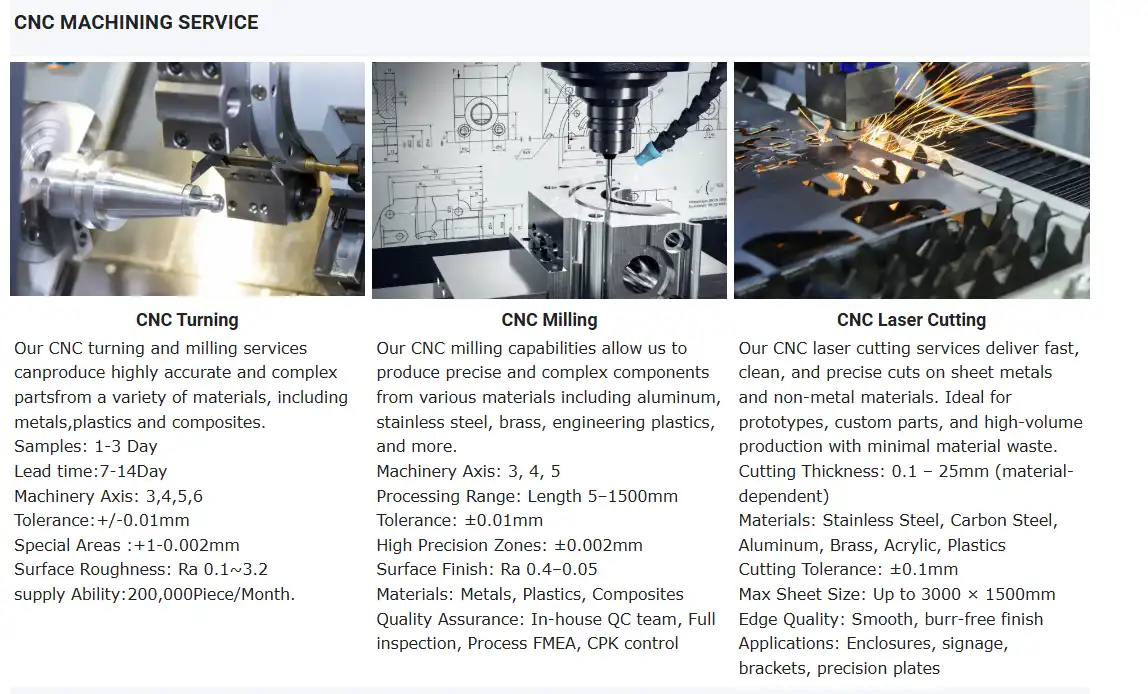
Specialized solutions made from precision metal parts are made to meet specific application needs that normal stock items can't meet. There are many different types of these parts, from custom metal hardware and stamped metal parts to CNC-precise parts and turned parts. Custom metal hardware, not generic hardware, can fit specific material requirements, functional needs, and size limits (we can achieve ±0.01mm accuracy). This level of accuracy is very important in areas like robots, medical devices, aerospace applications, AI intelligent systems, home products, and automation equipment, where a broken part can have big effects.
Material Selection and Performance Impact
The choice of material has a big effect on both the performance of the parts and the cost of production. We can make things out of 316/304/303/410 stainless steel, aluminum, copper, carbon steel, titanium, and more. Each of these materials has its own benefits. Stainless steel types are very resistant to corrosion and are used in medical and food processing. Aluminum, on the other hand, has a better strength-to-weight ratio and is used in aircraft parts. Titanium works great in high-stress situations that need to be very durable, which makes it perfect for structural and wheel metal uses. By knowing these properties of materials, procurement teams can ensure that the standards of parts are compatible with the settings in which they will be used. This helps parts last longer and reduces how often they need to be replaced. Choosing the right material has a direct effect on how much the whole part will cost over its entire life.
Manufacturing Lifecycle from Concept to Delivery
There are several important steps in the production process for fine metal parts. Our process starts with confirming the order and going over the specifications in great detail. Next, engineers conduct a thorough study of the plan to determine whether it can be made. By testing prototypes before moving forward with full-scale production, you can lower your risk and make sure that your performance goals are in line with what actually happens. To get a surface roughness of 0.8 μm or less, we use modern processing methods like CNC machining, turning, five-axis machining, and pressing. During the manufacturing process, quality control steps are set up using 2.5D projectors, hardness tests, and salt spray machines to make sure that the dimensions are correct and the material is intact. This structured method makes sure that the quality of the result is always the same and finds ways to lower costs early on in the development process.
Cost Factors and Economic Analysis of Custom Metal Hardware
Raw Material and Design Complexity Drivers
A number of factors affect the cost of precise hardware components. The global trade markets affect the prices of raw materials, which makes choosing the right materials vital. The complexity of the design directly affects machine time. Parts with complicated shapes that need five-axis cutting naturally cost more than parts that are just turned. Investing in tools incurs an up-front cost that spreads out over a large volume of output. This is why planning production amounts is so important for lowering costs. Surface treatments like anodizing, electroplating, sandblasting, or powder finishing increase value by making things look better and more resistant to rust, but they all come with costs. Instead of just looking at per-unit prices, procurement managers should look at all of these things together.
Upfront Investment Versus Long-Term Value
When you look at the total cost of ownership, you can see benefits that you might miss when you just compare prices. Take the example of a company that makes consumer goods and spent a lot of money on precision-machined metal enclosures with very tight tolerances. Even though it cost 30% more than normal housings at first, it took 40% less time to put together because the parts fit together perfectly, warranty claims dropped by 55%, and the way the product looked improved brand image, which led to 18% higher retail prices. This shows how quality customization has benefits that build on each other in terms of manufacturing efficiency, product stability, and market placement. It is important to measure these benefits later on during the buying process instead of just looking at the cost of acquisition when making decisions.
Material Trade-offs and Application Matching
For each use, you need a different set of materials and planning methods. Heavy-duty logistics equipment is made of strong stainless steel that can handle harsh conditions. Longer service times make up for higher material costs. On the other hand, indoor consumer gadgets might be able to save money by using metal parts that are strong enough but don't cost as much or weigh as much. Our engineering team helps clients figure out these trade-offs by suggesting materials and designs that meet both performance needs and price limits. This advice is especially helpful when the specs are flexible, because small changes to the design can sometimes save a lot of money without affecting how well it works.
Procurement Considerations for Custom Metal Hardware
Supplier Selection and Certification Requirements
To do good procurement, you need to work with makers who can demonstrate their skills and quality processes. ISO 9001:2015 certification shows structured quality management, and RoHS compliance shows environmental duty and market entry in regulated areas. Certifications that are specific to an industry are very important. For example, AS9100 verifies aircraft makers, and the right legal credentials verify companies that make medical devices. In addition to certifications, you can find out about a supplier's technical skills by inspecting their facilities, checking their equipment stocks (our 32 advanced CNC machines provide backup output), and checking their engineer qualifications. Before committing to large orders, ask for samples to see how the real result compares to the specs.
Geographic Sourcing and Logistics Planning
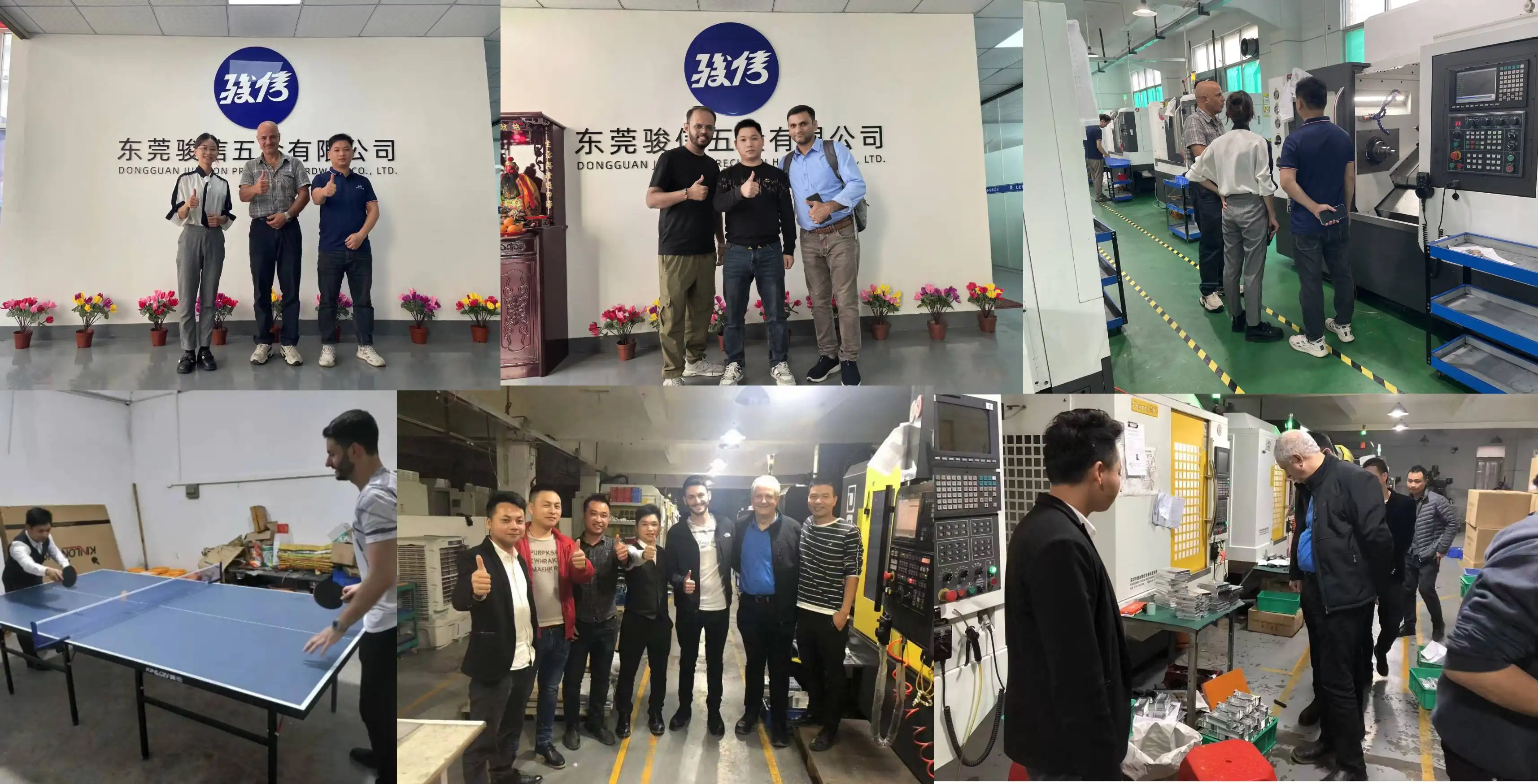
There are many things to think about when deciding between local and foreign sourcing. International sellers usually have reasonable prices because they can make more and pay their workers less, especially for large orders. Our 1,600-square-meter factory in Dongguan, China, lets us make things more cheaply while still meeting strict quality standards that are on par with Western companies. In foreign buying, managing lead times is crucial. You need to plan for shipping times, customs clearance times, and possible delays. Minimum order numbers are different for each provider and production method. It would be beneficial to discuss these levels early on to ensure they align with your inventory plans. Many procurement managers believe that strategic foreign partnerships offer the best balance of cost and performance when they are handled well, with clear communication and set quality standards.
Building Confidence Through Transparent Processes
When it comes to custom metal hardware, uncertainty often makes buyers hesitant to buy them. You can fix these issues by looking for manufacturers who offer full design help and clear methods. We offer technical help to make designs easier to make, which could include finding cost-effective changes that keep their usefulness. Our detailed production method, which includes reviewing the specifications, making prototypes, mass production, quality control, and shipping, lets you see what we're doing and helps you trust us. Ask for regular updates during production cycles and set up clear ways for people to talk to each other. When manufacturers are willing to accept sample requests and design changes, it indicates that they want to work with you as a partner instead of just as a customer. This way of working together lowers risk and makes sure that the end products meet standards.
Long-Term Value and Maintenance of Custom Metal Hardware
Durability Advantages and Reduced Maintenance
When compared to cheap options, precision-engineered metal parts naturally last longer. Tight specs cut down on vibration and misalignment that cause wear, and choosing the right material makes sure it can work in any setting. Surface treatments like anodizing and electroplating make things last a lot longer. Anodizing stops aluminum from rusting, electroplating makes things resistant to wear, and powder coating is much more durable than regular painting. When you mix these protective finishes with precision production, you get longer periods between upkeep and replacements. The operational effect is big—the costs of machine downtime usually outweigh the costs of parts, so investing in dependability is a good business move.
Design Innovation for Production Efficiency
Thoughtful creation of components improves the speed of production in ways that go beyond the parts themselves. Custom metal hardware made with fixed features makes assembly easier and prevents loss, which cuts down on the time and training needed for line workers. Integrated alignment features get rid of the need to make adjustments during installation, which accelerates the production process. We've made parts that do more than one thing, which makes building easier and reduces the number of possible failure spots. These design improvements have multiple benefits: faster assembly leads to higher output; fewer parts mean lower inventory costs; and simpler processes mean fewer quality problems. Collaborative design reviews with your manufacturing partner uncover these opportunities that standard stock parts can't cover.
Total Cost of Ownership Impact
If you only look at how much hardware parts cost to buy, you're missing a big part of how they affect the economy. A complete total cost analysis includes the price of the item, the work needed to install it, how often it needs to be maintained, how often it needs to be replaced, the cost of downtime, and how the quality of the end product is affected. Even though they cost more at first, high-quality precise components always have better total cost profiles. A company that manufactures transport equipment replaced standard shelf brackets with precision-machined metal structures. This cut their fleet's yearly maintenance costs by $47,000 and increased the time between service visits from 18 to 36 months. The better resistance to corrosion and structural soundness made up for the 40% higher cost of the component by saving money on operations and making tools more available. This way of figuring out the costs shows how cost-effective strategic customization efforts really are.
Case Studies and Practical Insights on Cost-Effectiveness
Manufacturing Efficiency Through Precision Components
A company that makes communications equipment had ongoing quality problems with the assembly of standard mounting hardware. Differences in tolerance caused alignment issues, which sped up the assembly process by 35% and led to a 12% failure rate that needed to be fixed. When precise CNC-machined mounting brackets with ±0.01mm tolerances were used instead, assembly time declined by 40%, errors dropped to 1.8%, and tests of the product showed better RF performance because components were placed more consistently. The investment in custom metal hardware paid for itself in seven months just by saving money on labor, and the better quality improved the company's image in the market. This example shows how accuracy directly affects the cost of production.
Common Procurement Pitfalls and Avoidance Strategies
Several mistakes that keep happening hurt modification projects. Underestimating the effects of design for manufacturability results in parts that are too expensive for their purpose. Often, easy changes to the geometry can achieve the same function with less machining complexity. When legal compliance problems come up later, the supply chain is at risk because of suppliers who didn't get their certifications. Because the buying, engineering, and production teams don't talk to each other enough, the standards meet the needs of the drawings but make assembly difficult. Cross-functional review methods are used by successful companies to look at component designs from different angles before finalizing orders. This makes sure that the standards meet functional requirements and improve manufacturing efficiency.
Strategic Partnership Approach
Instead of transactional buying, the best custom metal hardware solutions come from working together with suppliers. Including manufacturers in the creation process of a product helps with design optimization that combines cost, efficiency, and ease of production. Our engineering team is always looking for ways to combine parts, make shapes easier to understand, or use different materials that do the same job but cost less. For these kinds of conversations, sellers need to know a lot about technology and be ready to invest in their customers' success instead of just carrying out purchase orders. By starting with small projects that show what you can do and how well you can communicate, you can build these relationships, which gives you competitive benefits that price-based procurement alone can't match.
Conclusion
How cost-effective custom metal hardware is depends a lot on how it is evaluated and which source is chosen. When looking at tailored components through the lens of total cost frameworks instead of individual unit prices, they constantly show better economic performance through higher production efficiency, lower defects, longer service life, and better quality in the finished product. To be successful, you need to work with makers that can provide you with professional help, quality certifications, and the ability to work together with other engineers. Tighter tolerance control, improved material selection, and application-specific design are some of the strategic advantages that turn initial investments into long-term competitive assets in a wide range of fields, from consumer electronics to flight.
FAQ
What lead times should I expect for custom metal parts?
Due dates depend on how complicated the design is and how many orders are placed. From the time the design is approved until the part is delivered, simple turned parts usually take two to three weeks. More complicated five-axis made parts may take four to six weeks. While prototyping takes an extra one to two weeks, it greatly lowers the risk of production. We suggest talking about deadlines during the first consultations, since there are sometimes faster choices for jobs that need to be done right away. When you plan ahead, you can make the best schedule that matches speed with saving money.
How do minimum order quantities affect project economics?
MOQs rely on how the goods are made and how much it costs to set up. Due to the cost of the tools, stamped parts usually need higher minimums (often 1,000 or more pieces), while CNC-machined parts can handle lower numbers (often 50 to 100 pieces). We specialize in custom metal hardware that is made in small quantities so that prototypes and limited production runs can be made without having to meet impossible minimums. Talk to possible suppliers about your number expectations in an honest way to find the most cost-effective way to meet your needs.
What information do I need to provide for accurate quotes?
To get a full price, you need to send in complete 2D or 3D CAD drawings, material specs, surface treatment preferences, tolerance requirements, and estimates of the amount needed. Giving coders information about the application helps them suggest improvements you might not have thought of. Clear information about standards relevant to industries (like automobile, medical, and aerospace) makes sure that the right quality standards are followed. If you're not sure what the best options are for your application, our team can help you write the specifications.
Partner with Junsion for Cost-Effective Custom Metal Hardware Solutions
To make custom metal hardware, you need accuracy, knowledge, and a trustworthy business partner. Dongguan Junsion Precision Hardware Co., Ltd. has all of these things. Since we started in 2019, we've focused on sending precise parts to over 20 countries around the world for use in cars, medical devices, aerospace uses, automation equipment, and consumer electronics. We can make CNC precision parts, turned components, custom metal hardware, and stamped metal parts with accuracy up to ±0.01 mm and surface roughness ≤ Ra 0.8 μm with our 32 state-of-the-art CNC machines and wide range of surface treatment options. We are a custom metal hardware provider that is ISO 9001:2015 approved and RoHS compliant. We offer technical quality, quick response times, and all-in-one custom solutions. Get in touch with our engineering team at Lock@junsion.com.cn to talk about your unique needs and find out how smart component customization can help you make more products and make them better.
References
1. Smith, J.R., & Anderson, K.L. (2022). "Total Cost Analysis in Precision Manufacturing: Beyond Purchase Price." Journal of Manufacturing Economics, 45(3), 287-304.
2. Wilson, M.T. (2021). Industrial Hardware Selection: Engineering and Economic Considerations. New York: Technical Press International.
3. Chen, Y., Roberts, D.P., & Kumar, S. (2023). "Material Selection Optimization for Custom Metal Components in High-Performance Applications." International Journal of Production Research, 61(8), 2456-2473.
4. National Institute of Standards and Technology. (2022). Precision Machining Standards and Tolerance Guidelines. Washington, DC: U.S. Department of Commerce.
5. Martinez, C.E., & Thompson, R.A. (2021). "Life Cycle Cost Assessment of Standard Versus Custom Hardware Components in Manufacturing Systems." Production Engineering Research and Development, 15(4), 512-529.
6. International Organization for Standardization. (2023). Quality Management Systems in Metal Component Manufacturing: Implementation Guide. Geneva: ISO Publications.