




Tungsten Carbide Inserts Applications in CNC Machining
Tungsten carbide inserts have changed how CNC machines are used today, providing unmatched accuracy and longevity across a wide range of industry applications. Because they are very hard and don't change shape when heated or cooled, these cutting tools are essential for high-speed machining jobs in the communications, aircraft, electronics, and automobile industries. Dongguan Junsion Precision Hardware Co., Ltd. is an expert at making custom tungsten carbide tooling solutions with accuracy as low as ±0.01 mm. We do this work to make sure that our clients get consistent quality and operating efficiency in tough production settings.
Understanding Tungsten Carbide Inserts in CNC Machining
Composition and Material Properties
On the Mohs measure of hardness, tungsten carbide is between 8.5 and 9, which is just below diamond. This combination is made when tungsten metal powder and carbon particles react chemically. It makes a material that is about twice as stiff and dense as steel. The tungsten carbide inserts that were made are very resistant to chemical corrosion and heat degradation, which are important for activities that need to go on all the time.
The metal bonds that are used to make carbides have a big effect on how well inserts work. Cobalt binders usually make things tougher while keeping them hard. This lets inserts take cutting forces without breaking during delayed cuts or when working with tough materials.
Comparison with Alternative Materials
If you compare tungsten carbide inserts to high-speed steel tools, they stay hard at temperatures above 900°C, which lets them cut three to five times faster. Ceramic inserts are better at withstanding heat, but they aren't tough enough to mill broken surfaces or absorb the mechanical shocks that happen during roughing.
Knowing these important differences helps people who work in buying balance the need for success with the need to stay within budget. At Junsion, our team looks at the needs of each application to suggest the best insert grades. This way, clients can be sure they're buying tools that will increase productivity without spending too much.
Insert Types and Grades
For CNC tasks, you need tungsten carbide inserts with specific shapes that work with the cutting process. For finishing a cylinder-shaped project, turning inserts have nose radii and clearance angles that are just right. Milling inserts have chip-breaker designs that stop swarf from forming, which keeps the tool from getting damaged and the surface from having flaws. Drilling inserts have the right amount of cutting-edge power and chip evacuation through coolant supply pathways.
The hardness of the object material, the surface finish you want, and the output number all affect the grade you choose. For finishing processes on pre-hardened steels, harder grades work best, while tougher compositions can handle cuts in cast materials that are halted. This complex selection process has a direct effect on how long tools last and how consistently good the parts are.
Key Applications of Tungsten Carbide Inserts in CNC Machining
Milling Operations
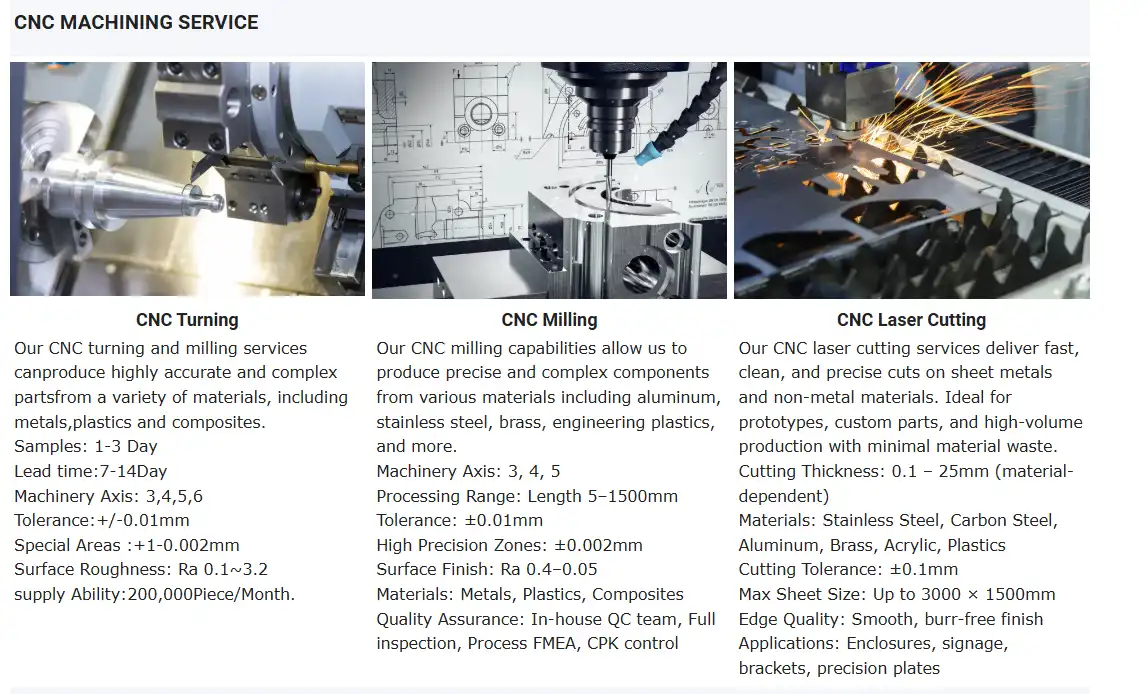
Milling processes benefit significantly from tungsten carbide insert technology, which increases the rate of material removal and extends tool life. When the right insert shapes and coatings are used with face milling on aluminum alloys that are used in communications boxes, the surface roughness is less than Ra0.8μm. After thousands of cutting cycles, slot milling in solid steels maintains dimensions within ±0.01 mm.
When compared to traditional tooling, the time it takes to make accurate parts for electronics makers is cut by 30 to 40 percent when the right inserts are used. These efficiency gains directly lead to lower costs per unit of production and shorter lead times for completing orders.
Turning and Facing Applications
When turning, you need tungsten carbide inserts that can keep their sharp cutting edges even when they are under constant touch pressure and high cutting temperatures. Tungsten carbide inserts work great in these situations and can accurately machine both metal and non-ferrous materials. Insert designs that properly spread cutting forces help with facing operations because they stop deflection that breaks flatness standards.
Tungsten carbide inserts are used by companies that make parts for cars to machine transmission housings and suspension parts. The surface finish and accuracy of the dimensions have a direct effect on how well the assembly works. Being able to keep standards tight over long production runs cuts down on scrap and testing costs.
Drilling and Boring Operations
When deep hole drilling is used on aircraft parts, the tools need to be able to keep their positional accuracy over long cutting routes while also not wearing out. Specially coated tungsten carbide inserts reduce friction and heat production, so the tool can drill more than 500 holes in titanium metals before it needs to be replaced.
Tungsten carbide inserts with micrometer-adjustable mounting systems are used in boring processes to get accurate internal sizes. These tools regularly make bearing bores and hydraulic cylinder internals that meet IT7 tolerance grades, so there is no need for extra finishing work.
Industry-Specific Applications
Aerospace companies use tungsten carbide inserts to cut nickel-based superalloys that are used in turbine parts because regular tools break down quickly from work hardening and sharp wear. When making medical devices, the surfaces need to be free of burrs and biocompatible. This can be done by optimizing the cutting settings and shapes of the tungsten carbide inserts.
To make consumer gadgets, a lot of housings made of aluminum and magnesium alloys with complicated shapes need to be machined. Tungsten carbide inserts keep the edge sharp even after millions of cuts, so brand standards for the cosmetic surface can be met without having to change tools in the middle of production.
Benefits of Using Tungsten Carbide Inserts in CNC Machining
Superior Hardness and Performance
Because tungsten carbide inserts are so hard, they can be used to machine materials at speeds of up to 400 meters per minute for aluminum alloys and 200 meters per minute for alloy steels. These high speeds cut cycle times by a large amount while keeping the surface finish specs the same. Because the material is naturally tough, sudden spikes in cutting force don't cause catastrophic tool failure. This keeps both workpieces and machine tools from getting damaged.
Temperature resistance lets tungsten carbide inserts keep their cutting-edge shape at temperatures above 800°C, which is much higher than the temperature at which high-speed steel tools quickly soften and lose their edges. When cutting hard materials or working in dry cutting situations where coolant access is limited, this temperature stability is very important.
Cost Efficiency and Tool Life
The biggest cost benefit of tungsten carbide insert technology is that it makes tools last longer. A single tungsten carbide insert can usually cut 50 to 100 times more material than the same-sized high-speed steel tools before it needs to be replaced. Because the tools last longer, they don't need to be kept in stock as often, machines don't have to be shut down to change tools as often, and setting tweaks don't cost as much to do.
Procurement managers like how the higher costs of tungsten carbide inserts at first don't matter when spread out over the real production numbers. Even though tungsten carbide inserts cost more per unit, our clients who make shipping and storage equipment say that switching from traditional tooling to tungsten carbide insert systems cut their total tooling costs by 60%.
Versatility Across Materials
Tungsten carbide inserts are just as good at cutting carbon steels, stainless steels, and cast iron as they are at cutting other metallic metals. When used with the right grades and coats, tungsten carbide inserts work well on non-ferrous materials like aluminum, copper, and titanium metals. Because they are so flexible, makers can standardize their tooling supplies, which makes buying tools easier and cuts down on the space they need to store them.
Being able to make a wide range of materials with uniform quality helps flexible manufacturing strategies that use production lines that switch between product families on a regular basis. This flexibility is useful for contract makers who work with a lot of different businesses and need to meet a lot of different material requirements.
How to Choose the Right Tungsten Carbide Inserts for Your CNC Needs?
Material Compatibility Considerations
Understanding the qualities of the finished material is the first step in choosing the right tungsten carbide insert grades. Aluminum alloys need cutting edges that are very sharp and have polished rake faces so that the material doesn't stick to the edge and build up. Tougher grades that can handle cutting forces without breaking are better for steel grinding. To deal with hard carbide particles buried in the material structure, cast iron needs types that are very resistant to wear.
Because stainless steel tends to work harder and doesn't conduct heat well, it can be hard to machine. Tungsten carbide insert grades with the right amount of cobalt and chip-breaker shapes stop too much heat from being made and keep chips from forming. These material-specific factors have a direct effect on how well the tool works and how much it costs to make.
Coating Technology Comparison
Advanced surface processes make inserts last a lot longer by lowering friction, stopping chemical reactions with object materials, and making them more resistant to heat. These are the main types of coatings that are available:
• PVD Coatings: TiN, TiCN, and AlTiN are some of the thin, hard layers that are made by physical vapor deposition. These coats make the edges more resistant to wear without losing their cutting-edge sharpness. This makes them perfect for finishing tasks that need a high-quality surface. PVD-coated inserts keep their sharp edges for a long time, which lowers the cutting force and power use.
• CVD Coatings: Chemical vapor deposition makes covering layers that are thicker and stick to tungsten carbide surfaces better. CVD-coated inserts work great for roughing jobs where high temperatures and lots of chips make tools less durable. When working with steels, Al₂O₃ coats keep the chemicals stable, which keeps crater wear on rake faces from happening.
• Specialized Coatings: Multilayer coating systems use a mix of different materials to improve a lot of different performance factors at the same time. These advanced treatments work better in tough situations, but they need to be carefully matched to the conditions of the cutting.
When buying teams know about the benefits of coating, they can choose parts that will work best for their production needs. At Junsion, our expert team helps clients weigh their coating choices based on the needs of the product and their budget.
Supplier Quality Assurance
Suppliers you can trust keep a close eye on quality throughout the whole production process to make sure that the dimensions are always the same and the material properties are exactly what you need. Getting ISO 9001:2015 approval shows that you are committed to structured quality management, and RoHS compliance shows that you care about the environment. Material traceability systems help with efforts to keep getting better by letting you track insert performance all the way back to groups of raw materials.
How you schedule production and handle your goods is affected by how reliable your deliveries are. Suppliers with short lead times and variable minimum order numbers help lean production methods and lower the amount of operating capital that is needed. Customization lets you get the best insert shapes and coatings for your unique needs, giving you performance benefits that you can't get with normal catalog goods.
Maintenance Tips and Best Practices for Tungsten Carbide Inserts
Proper Storage and Handling
To keep the edges from getting damaged before fitting, tungsten carbide inserts need to be handled carefully. Cutting edges don't get damaged when they touch when they are stored in organized box systems with safe foam inserts. Staying away from extreme temperatures and high humidity keeps the coating's structure and stops the base from oxidizing.
Using the right fitting tools, like precise torque wrenches, makes sure that pocket screws apply the right amount of clamping force without causing stress to build up. When you cut with loose inserts, they move, which leads to early wear and a bad finish on the surface. When screws are too tight, they crack tungsten carbide surfaces, which causes catastrophic failures during machining processes.
Wear Monitoring Strategies
Systematic tracking of tool state finds the best time to change it, matching the need to extend tool life with the need to prevent surface finish loss and dimensional accuracy drift. A visual check shows that the flanks are wearing down, craters are forming on the rake faces, and the edges are chipping. By measuring the size of a workpiece on a regular basis, you can spot small changes in accuracy before they get too big or too small.
By keeping an eye on cutting forces and spindle power use, you can see how wear is progressing by seeing resistance values rise. Acoustic emission sensors pick up on micro-chipping events before they cause damage that can be seen. This lets you change tools before they break. These ways of keeping an eye on things stop scrap from being made and get the most out of tool purchases.
Optimizing CNC Parameters
Changing the cutting speeds, feed rates, and depth of cut based on how worn out the insert is makes the tool last a lot longer. During finishing passes, slowing down the cutters by 10% keeps the sharp edges longer, which improves the regularity of the surface quality. Localized failure modes can be avoided by programming tool path techniques that spread wear evenly across cutting edges.
Optimizing the supply of coolant gets rid of heat and chips efficiently, lowering thermal stress and stopping chip re-cutting, which speeds up wear. High-pressure cooling systems that are aimed directly at cutting areas greatly improve performance in materials that are hard to work with. The engineering, production, and quality teams need to work together to make these setting changes work well.
Troubleshooting Common Issues
Chips usually happen when there are too many cutting forces because of old tools, wrong feed rates, or differences in the material of the object. Chipping problems are generally fixed by slowing down the feed rate and checking the material's specs. Uneven wear patterns can be caused by incorrectly seated inserts, problems with the machine's balance, or code mistakes that need to be thoroughly investigated.
When material on the object sticks to the cutting edges, especially when aluminum is being machined, a built-up edge forms. This problem can be avoided by raising the cutting speeds, making it easier for the water to get to the workpiece, and choosing inserts with smooth rake faces. Taking care of these problems right away keeps the standard of work high and protects investments in tools.
Conclusion
Tungsten carbide inserts are very useful for improving the performance of a wide range of CNC cutting tasks, from making precise electronics parts to making heavy-duty auto parts. Procurement pros can make the best tool choices that combine performance and cost efficiency by learning about the properties of the material, the needs of the application, and the best ways to maintain it. Tungsten carbide inserts are widely used in challenging industrial settings where quality, accuracy, and productivity are key to staying competitive. This is because they are very hard, don't change much when heated or cooled, and can be used in a lot of different ways.
FAQ
What makes tungsten carbide superior to other cutting tool materials?
When it comes to effectiveness, tungsten carbide inserts are very hard, almost as hard as diamond, and tough enough to stand up to cutting forces in production settings. This balance lets you machine three to five times faster than with high-speed steel while still keeping the edge sharp over long cutting cycles. The material stays hard at temperatures above 800°C, which makes it possible to machine tough materials where regular tools would break quickly.
How do I determine the correct carbide grade for my application?
Picking the right grade relies on how hard the item is, what kind of machining is being done, and how long you want the tool to last. When treating pre-hardened steels, the harder types work best and give the best surface quality. Tougher compositions can handle cuts that are halted in cast materials or roughing processes. Talking to experienced sources like Junsion will help you choose the best grade based on your production needs and performance standards.
What coating provides the best performance improvement?
The choice of coating relies on the needs of the product. AlTiN layers work great for high-temperature tasks like cutting sharpened steel. TiCN coatings are good for general-purpose uses because they mix resistance to wear with edge hardness. Multilayer systems improve a lot of different performance factors at the same time. Our technical experts look at your machine conditions and suggest finishes that will increase productivity and make your tools last longer.
Partner with Junsion for Premium Tungsten Carbide Insert Solutions
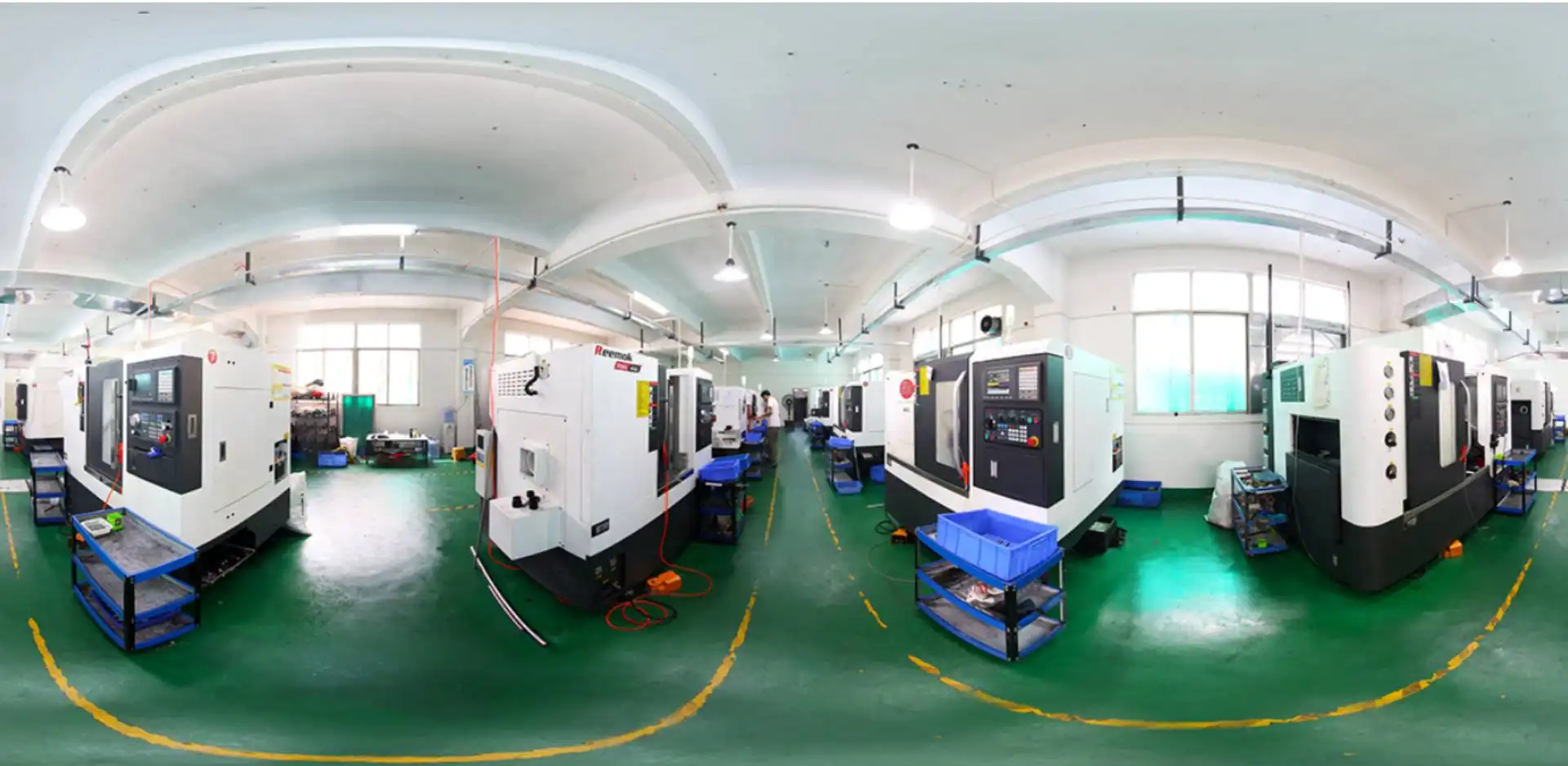
You can trust Dongguan Junsion Precision Hardware Co., Ltd. to make high-quality tungsten carbide inserts. They offer precision cutting solutions and are ISO 9001:2015 certified and RoHS compliant. Our building is 1,600 square meters and has 32 high-tech CNC tools that can make unique inserts with surface roughness values below 0.8 μm and tolerances of ±0.01 mm. We help the logistics, electronics, communications, and consumer goods businesses with quick responses, full quality control, and flexible OEM/ODM production. Our expert team works closely with product makers and sourcing managers to choose the best insert grades, coatings, and shapes that keep tooling costs low while maximizing machining efficiency. Get in touch with our experts at Lock@junsion.com.cn to talk about your precise machining needs and find out how Junsion's knowledge can help your production.
References
1. Trent, Edward M., and Wright, Paul K. "Metal Cutting Principles and Applications." Butterworth-Heinemann Manufacturing Engineering Series, 4th Edition, 2000.
2. Shaw, Milton C. "Metal Cutting Principles: Oxford Series on Advanced Manufacturing." Oxford University Press, 2nd Edition, 2005.
3. Astakhov, Viktor P. "Tribology of Metal Cutting: Advances in Materials Science. " Elsevier Science Publishing, 2006.
4. Stephenson, David A., and Agapiou, John S. "Metal Cutting Theory and Practice: Manufacturing Engineering and Materials Processing." CRC Press, 3rd Edition, 2016.
5. Kalpakjian, Serope, and Schmid, Steven R. "Manufacturing Engineering and Technology: SI Edition." Pearson Education Limited, 7th Edition, 2014.
6. Boothroyd, Geoffrey, and Knight, Winston A. "Fundamentals of Machining and Machine Tools: Manufacturing Engineering and Materials Processing." CRC Press, 3rd Edition, 2006.