




Brass Dowel Pins durability: soft metal with wear-resistant surface options
Because of their unique properties, brass dowel pins are useful in many situations. Brass is a soft metal that doesn't rust and is simple to work with. Brass, on the other hand, is soft and may not last as long in places where it is used a lot. Things that don't wear down are useful for this reason. You can coat or treat the outside of brass dowel pins in different ways to make them last longer and be less likely to break. You can coat these surfaces with hard metals, anodize them, or electroplate them. This means that the brass dowel pin stays the same inside but gets tougher on the outside, which makes it less likely to break. There are a number of ways that surfaces that don't wear down can make brass dowel pins last longer and work better when things get tough.
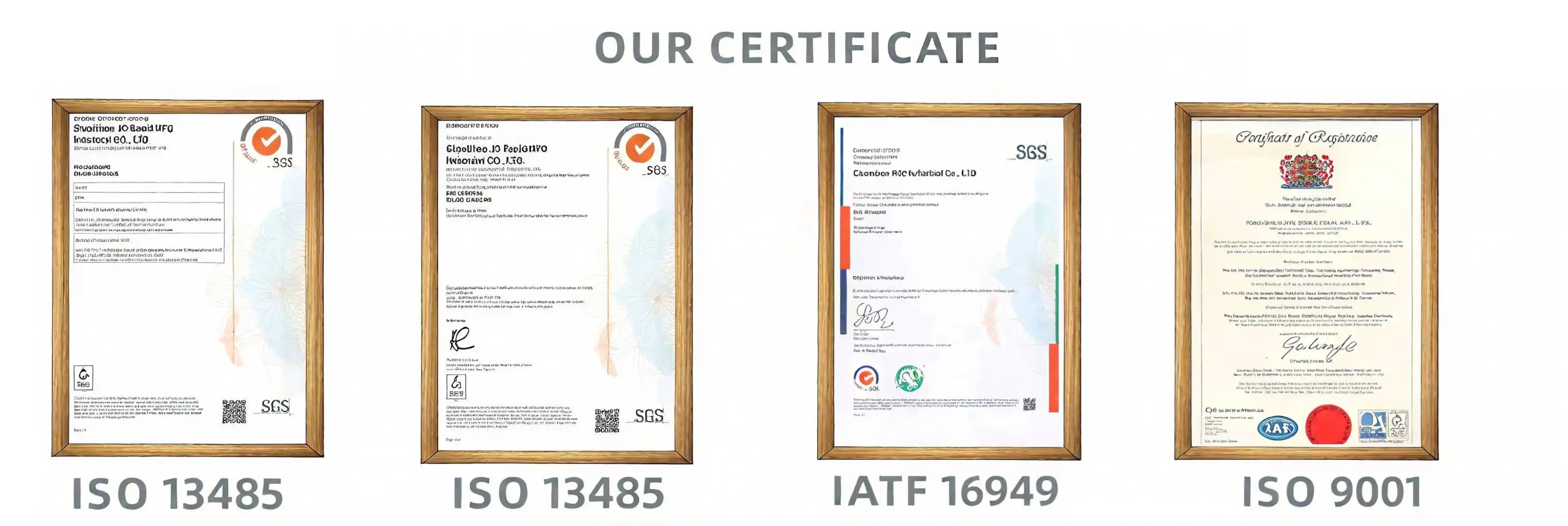
To learn more about how brass dowel pins work
The Parts of Brass and What They're Used For
Copper and zinc are mixed together to make brass dowel pins. Different alloys, such as H59, H62, and HPb59-1, can have different parts. Brass dowel pins can be used in a lot of different situations because they are made of a good mix of alloys. Because it is made of copper, it doesn't rust and lets electricity flow easily through it. More durable and easy to work with thanks to the zinc. There are people who like brass dowel pins because they look good and can hold weight. But because they're not as hard as metals like steel, you can't use them in places where they'll get worn down quickly. This is where the different ways that brass dowel pins can be treated on the outside come in handy.
How Brass Dowel Pins Work Mechanically
Because of the way they work, brass dowel pins can be used in a lot of different things. Most of the time, they have a good tensile strength, which can be anywhere from 300 to 500 MPa the alloy. Most of the time, 100 to 300 MPa of stress is enough to break a brass dowel pin. The numbers above show that low-weight things won't break brass dowel pins. Another great thing about brass is that it is easy to shape and machine. On the Brinell scale, some brass dowel pins are between 80 and 150. In other words, they're not as tough as other metals used for the same purpose. Sometimes being soft is a good thing and sometimes it's a bad thing.
What are some good and bad things about brass dowel pins?
A lot of different fields use brass dowel pins because they are useful in many ways. Because they don't rust, they can be used in places with chemicals or water. Because it's so easy to work with, it can be made with as few as ±0.01mm of error and a rough surface. So they can be used in electronics and systems that move heat. Brass dowel pins are also good at moving both electricity and heat. But brass is soft, which can be a problem in places where it's used a lot. If they don't get extra surface treatments, brass dowel pins might wear out faster than metals that are harder to work with. You should choose a surface that won't wear down if you want brass dowel pins to last longer and work better in tough conditions.
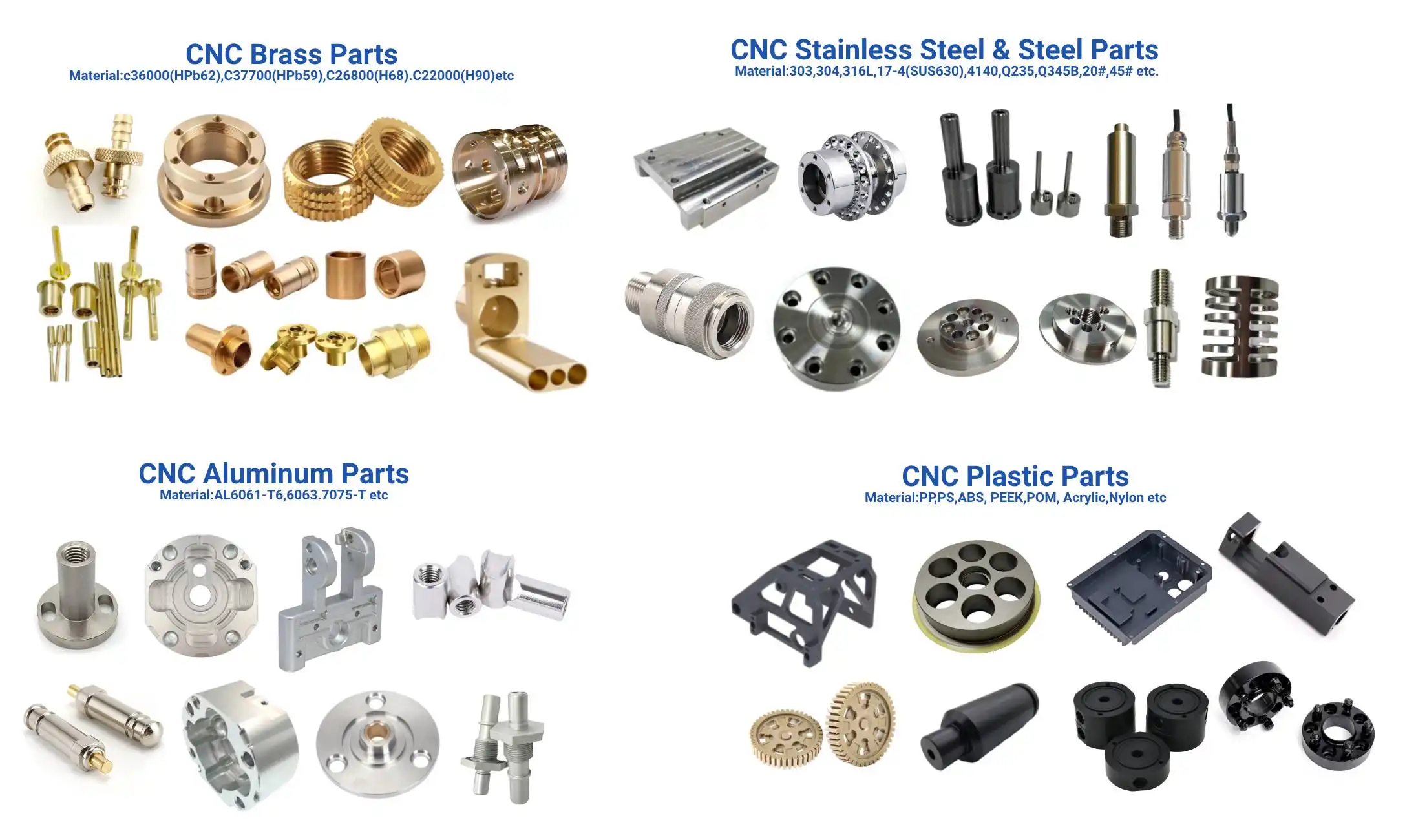
Dough pins made of brass that have different surfaces and won't wear down
Different Methods for Electroplating
Electroplating brass dowel pins is a simple way to make their surface look better. In this step, a very thin layer of a metal that is stronger is put on top of the brass pin. Nickel, chrome, and zinc are metals that are often used to plate. Putting nickel on brass dowel pins makes the surface much harder and less likely to wear down. Chrome plating works well when the pins will be moving or sliding around a lot since it is very hard and doesn't make a lot of noise. Zinc plating isn't as hard as nickel or chrome, but it’s great at stopping rust and can be mixed with other finishes to make things last longer. For the thickness and properties you need, the electroplating process can be carefully taken care of. This is an easy way to make brass dowel pins that will last longer.
The Method Used to Anodize Cast Iron
Another good way to improve the surface of brass dowel pins is to anodize them. Though brass can also be used, anodizing is most often done on aluminum. The process makes the surface tough and hard to scratch. Electric passivation is often used to add an oxide layer to the surface of brass before it is anodized. It lasts longer because this oxide layer is stronger than the brass below it. Dough pins made of anodized brass are also less likely to rust, and you can paint them different colors to make them stand out or look better. People can change the anodizing process to get different thicknesses and properties, which means it can be used for different things. But in many ways, they are still a lot like brass. Some electroplated coatings are stronger than anodized brass dowel pins.
Finishes and coatings made just for you for your surfaces
Besides anodizing and electroplating, there are other ways to coat and protect brass dowel pins that will make them last longer. The PVD coatings on some of these make the surfaces very tough and hard to wear down. TiN and DLC are two PVD coatings that can be put on brass dowel pins to make their surfaces much harder and less likely to wear down. It's also possible to use thermal diffusion. It is possible to make the outside of the brass hard by adding carbon or boron to it. There are also companies that treat the surfaces in unique ways that use more than one method to make them very tough to wear down. These unique treatments and coatings can be changed to get the performance you need. They can be used in this way in tough areas like aerospace, medical devices, and high-precision machinery.
Metal dowel pins made of brass can be used in many ways and have surfaces that don't wear down quickly.
How to Use It in Business
Iron dowel pins made of brass that don't wear down are often used in factories. These pins are used as pivots, alignment parts, or guide pins to make machines that work well and last a long time. In the auto industry, brass dowel pins are used in chassis assemblies, transmission systems, and engine parts because they don't rust or break down quickly. In aerospace, parts of control systems, landing gear, and interior fittings are made with brass dowel pins because they last longer. These pins can be used on surgical instruments, diagnostic tools, and implantable tech that needs to be biocompatible and last a long time by people who work in medicine. Outside-treated brass dowel pins are also useful in AI and robotics because they can be used in joints that move and systems that make sure things are in the right place.
How to Pick the Best Treatment for the Skin
There are several things that affect which surface treatment is best for brass dowel pins. Before you make your choice, you should think about the job's specifics, like how much wear it will get, the working conditions, and the load. Hard chrome or PVD coatings might work better in harsh places where things get worn down quickly. Anodizing or zinc plating might be better ways to keep metal from rusting. What are the job's dimensional tolerances? Some surface treatments can change the pin's final size, so you need to know them. Different treatments may cost more, but they may work better and last longer. Cost is very important. Talk to the person who made the item to find the best surface treatment for both performance and cost. It's called Dongguan Junsion Hardware Co., Ltd. well-tuned hardware parts for a long time and is good at it. can help you decide how to clean and polish your brass dowel pins in the best way.
3.3% Thoughts on Maintenance and Living Longer
A brass dowel pin will last longer if you take good care of it. Keeping things on the surface makes them less likely to break. You should check the pins often for damage or signs of wear if they are used for important things. Things need to be greased every once in a while to make them last longer and not break. Some treatments for surfaces, on the other hand, can make things naturally slippery. People need to be extra careful when they are near things that can break metal or places that are hot. Brass dowel pins don't know how long they will last because different people use them in different ways. They are kept and used in different ways. Things that don't break down as quickly, on the other hand, last a lot longer. Since they don't break down as often, it doesn't cost as much to get new ones. Before you buy something new, make sure that the last work you had done on the surface was still the best. If not, you might want to get new tech.
Conclusion
There are a few different ways to treat the surface of brass dowel pins to make them very strong and last a long time. It is possible to make pins work better in many fields by electroplating, anodizing, or coating them in a certain way. If you want to get the most out of brass dowel pins, you should take good care of their surface. New and better ways to deal with the surface are always coming up. This makes them work better and last longer. Dongguan Junsion Hardware Co., Ltd. is where you can get it. is one business that can help others get strong, custom brass dowel pins. will let you use the newest tech and get help from professionals to choose and set up tools.
Get in touch with Junsion Hardware Co., Ltd. In the city of Dongguan. to talk about the brass dowel pins you need or find out more about them. Click on Lock@junsion.com.cn to send a message. We have someone on our team ready to help you choose the best option.
FAQ
Why is using brass to make dowel pins a good idea?
Brass is easy to work with, doesn't rust, and great at moving heat and electricity.
How does electroplating make brass dowel pins last longer?
You put a shell of harder metal around something when you electroplate it. Because of this, it's stronger and less likely to break.
Can brass that has been anodized be used to make colored dowel pins?
You can change the color of anodized brass to make it look better or stand out more.
What kinds of jobs need strong brass dowel pins?
A lot of people use these pins in medicine, cars, robots, space travel, and machines.
Which top coat is best for my project?
Before you pick a treatment, think about where it will be used, what kind of load it will be under, and how fast it will wear out.
References
1. Smith, J. (2020). "Advanced Surface Treatments for Brass Components in Industrial Applications." Journal of Materials Engineering and Performance, 29(8), 5123-5135.
2. Johnson, R. et al. (2019). "Comparative Study of Wear-Resistant Coatings for Brass Alloys." Surface and Coatings Technology, 378, 124985.
3. Brown, A. (2021). "Electroplating Techniques for Enhancing Durability of Brass Hardware." Plating and Surface Finishing, 108(5), 30-37.
4. Lee, S. and Park, K. (2018). "Anodizing of Brass: Process Parameters and Wear Resistance Properties." Materials Science and Engineering: A, 743, 743-752.
5. Thompson, G. (2022). "Innovations in PVD Coatings for Precision Hardware Components." Thin Solid Films, 735, 138904.
6. Wilson, M. et al. (2020). "Application of Wear-Resistant Brass Components in Aerospace Engineering." Aerospace Science and Technology, 107, 106261.