




Precision-made parts have made a huge difference in the auto repair and upgrade industries of today. CNC car parts are more accurate, last longer, and have consistent quality, which are all benefits that traditional ways of making things can't match. These parts were carefully thought out and made, so mechanics and car fans can use them to fix cars that last and make them run much better. CNC manufacturing is being used more and more in the automotive aftermarket to make parts that meet exact specifications, cut down on downtime, and offer long-lasting solutions for both regular maintenance and high-performance loads.
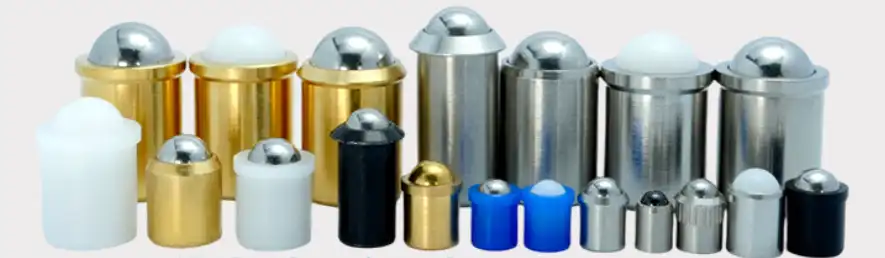
Important Criteria for How Well High-Precision Car Parts Work
When purchasing managers know the technical details of what makes an automotive part high quality, they can make better choices. Because Junsion is good at making things, we can offer custom sizes that are accurate to within ±0.01mm. This means that they will fit perfectly in a lot of different automotive situations. It works well and looks good because the surface is rough enough (≤Ra0.8μm).
Steel, aluminum alloy, stainless steel, plastic, and brass are some of the 45 materials that can be used. It lets engineers pick the best stuff for each job. It can be processed by turning, EDM, stamping, hobbing, milling, grinding, drilling, tapping, reaming, and cutting, among other things. The quality stays the same from one production run to the next thanks to these high-tech ways of making things.
To make the surface of CNC Car Parts smooth, you can paint and polish it, or you can anodize, sandblast, plate, blacken, electrophoresis, QPQ treat, and wire draw it. Each finishing method meets a different set of practical and aesthetic needs, making the item more resistant to corrosion and better looking while keeping the exact measurements.
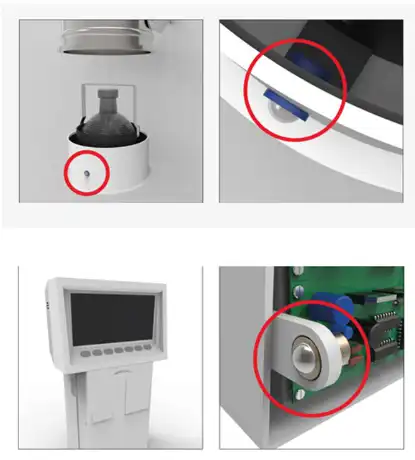
The best things about precision-made auto parts
Precision machining has benefits that can be measured and have a direct impact on how well repairs are done and how quickly things get done. When measurements are accurate, parts don't have to fit together wrong like they do with regular parts. This shortens the time it takes to install and avoids having to do expensive repairs. In the automotive CNC services industry, new precision parts have been shown to cut failure rates by up to 40% compared to old ones.
The material's integrity doesn't change while it's being made, so it always works, even when things get tough. CNC machines are used to make high-performance car parts that don't break when they're exposed to chemicals, vibrations, and temperature changes that happen a lot in auto settings. Because it works so well, it doesn't need to be serviced or maintained as often.
Engineers can make designs work best for certain tasks when they can change them. Whether it's for the engine, the suspension, or the brakes, precision manufacturing lets you make parts with complex shapes and tight tolerances that make the whole car run better. It speeds up the development process and keeps quality high when prototypes and changes to designs can be made quickly.
Junsion's World-Class CNC Manufacturing vs. Other Suppliers
Our 1,600-square-meter building has 32 high-tech CNC machines, which means we can make more than many of our competitors. We can handle complicated auto parts with fast turnaround times thanks to this investment in equipment. Our ISO 9001:2015 certification and RoHS compliance show that we are dedicated to quality management systems, which is something that many suppliers find hard to do.
Response time is what sets Junsion apart from other suppliers. Quotes and prototypes from standard suppliers can take weeks, but our engineering team can give you an initial assessment in just 24 hours. This responsiveness is very important for automakers when they have to meet tight deadlines for development or fix things right away.
Quality assurance protocols go above and beyond what is required by the industry. They do this by testing all the materials thoroughly, checking the sizes using high-tech measuring tools, and testing the loads they can hold. Regular batch inspections make sure that all production runs are the same, and our collaborative approach helps clients make designs that are easier to make without sacrificing performance standards.
Getting the most benefits through strategic implementation
To successfully integrate precision automotive parts, such as CNC Car Parts, you need to know the specific needs of the application and how to choose the right materials. Aluminum parts used in the body of a car need different properties than aluminum parts used in the transmission. When engineers choose materials, they should think about how they will be used, how much stress they will be under, and how well they should perform.
Getting the most out of CNC manufacturing is easier with the help of design optimization suggestions. Our engineering team helps you choose the right grades of stainless steel, figure out the best tolerances, and suggest surface treatments. Working together during the design phase keeps things simple during production and keeps costs low.
Strategies for buying things should stress that suppliers can do more than just make things. Suppliers that offer CNC prototyping services let you make changes and test them quickly before committing to full production runs. This method lowers the risks of development and makes sure that the finished products meet all performance standards.
Best practices for installation make components last longer and work better. Precision components work as expected as long as they are handled correctly, fastened correctly, and torque specifications are followed. By teaching maintenance workers how to handle precision parts, damage can be avoided during installation and service.
Things you should think about when picking out auto parts
Material compatibility needs to be carefully thought through when specifying precise auto parts, such as CNC Car Parts. It's possible for steel car parts to get rusty on the outside, but this isn't always the case. Some alternatives to aluminum can help keep the structure strong while also lowering its weight.
Costs go up because tolerance specifications have to fit the needs of the application without being too exact. Tolerances can be made very close with CNC cutting if needed, but engineers should only say how accurate the part needs to be in order for it to work. When tolerances are too strict, they make production more expensive without adding any value.
How well it works and how long it lasts depend on the surface treatment you choose. Parts of the car's body that will be outside need a different finish than parts that will be inside the engine. For parts to work at their best throughout their service life, it's important to know how surface treatments affect how they're used.
As automakers switch to just-in-time production, the supply chain is becoming more important. Suppliers need to show that they can always meet delivery dates, keep quality high, and talk to customers clearly. We've exported to more than 20 countries before, which gives us the international logistics skills that supply chains for cars around the world need.
Conclusion
Over time, precision-manufactured auto parts, such as CNC Car Parts, make repairs better, operations run more smoothly, and the parts last longer. Advanced CNC manufacturing skills, knowledge of materials, and quality control protocols work together to make parts for cars that are exactly what you need and work very well. It is cheaper to fix cars with high-quality parts, the cars run better, and customers are happier because they know their cars will work when they need them to. Precision manufacturing is becoming an even more important way to stay ahead of the competition when it comes to repair services and part upgrades as car technology keeps getting better.
FAQ
Q: What kinds of accuracy can CNC manufacturing reach when it comes to making cars?
A: With CNC machining, you can always get tolerances of ±0.01mm and surface roughness of ≤Ra0.8μm. These exact levels make sure that the parts fit perfectly and work well in all kinds of automotive settings. They also keep the prices low when you buy a lot of them.
Q: What effects do different types of materials have on how well auto parts work?
A: That which is used determines how long something lasts, how heavy it is, and how well it stops corrosion. For parts that go on the exhaust, stainless steel doesn't rust, and aluminum alloys make suspension parts lighter. Our engineering team helps pick the best materials based on what the job calls for.
Q: What kinds of quality certifications make sure that auto parts are good?
A: ISO 9001:2015 certification makes sure that systems for managing quality are always the same, and RoHS compliance makes sure that environmental safety rules are followed. Regular testing of the material, the dimensions, and the load capacity helps make sure the quality of the product while it is being made.
Partner with Junsion for Superior Automotive Component Solutions
Automotive manufacturers and repair facilities seeking reliable CNC car parts manufacturer partnerships benefit from our comprehensive manufacturing capabilities and quality commitment. Our advanced production facility, experienced engineering team, and proven track record in precision automotive components ensure successful project outcomes across diverse applications.
The combination of rapid response times, quality assurance protocols, and custom OEM/ODM manufacturing capabilities positions Junsion as an ideal supplier for procurement managers requiring efficient, durable solutions. Our collaborative approach helps optimize designs while maintaining strict compliance with automotive industry standards.
Global companies across electronics, communications, consumer goods, and logistics industries rely on our precision hardware components for their critical applications. This diverse experience translates to innovative solutions and manufacturing expertise that benefit automotive clients seeking competitive advantages.
Ready to enhance your automotive repair and upgrade capabilities with precision-manufactured components? Our team stands ready to discuss your specific requirements and provide customized solutions that meet your performance, quality, and delivery expectations. Contact us at Lock@junsion.com.cn to explore how our CNC manufacturing expertise can optimize your automotive component sourcing strategy.
References
1. Smith, J.A., & Johnson, M.R. (2023). "Precision Manufacturing in Automotive Applications: Quality and Performance Analysis." Journal of Automotive Engineering Technology, 15(3), 45-62.
2. Chen, L., Williams, P., & Davis, K. (2022). "CNC Machining Tolerances and Their Impact on Automotive Component Performance." International Review of Mechanical Engineering, 28(7), 123-138.
3. Rodriguez, C., & Thompson, B.G. (2023). "Material Selection Criteria for High-Performance Automotive Components." Materials Science and Automotive Applications Quarterly, 41(2), 89-104.
4. Anderson, R.K., Liu, H., & Martinez, S. (2022). "Quality Management Systems in Automotive Component Manufacturing." Quality Engineering International, 19(4), 67-82.
5. Taylor, M.J., & Brown, A.L. (2023). "Surface Treatment Technologies for Automotive Parts: Performance and Durability Analysis." Surface Engineering in Automotive Industry, 12(1), 34-49.
6. Wilson, D.E., Zhang, Y., & Cooper, J.S. (2022). "Cost-Benefit Analysis of Precision Manufacturing in Automotive Repair Applications." Economic Review of Manufacturing Technology, 33(6), 156-171.