




Can Custom Camera Parts Reduce Vibration and Noise?
Special camera parts can make image systems much less noisy and prone to vibration. Custom-made parts fix the main problems that cause mechanical disturbances by using precise engineering and unique materials like aluminum alloys, stainless steel, and damper composites. Custom Camera Parts, on the other hand, are made with precise specs (± 0.01mm) and surface finishes (≤ Ra0.8μm) that keep unwanted vibrations to a minimum. These parts, like lens mounts, shutter mechanisms, and sensor holders, use high-tech surface treatments like anodizing and black oxide coating to make the structure more stable and lower vibration. This makes the picture quality better, and the equipment lasts longer.
Understanding Vibration and Noise in Camera Systems
Vibration and noise are constant problems for camera systems that hurt both their performance and their useful life. These problems come from a number of places inside the image tools.
Mechanical Sources of Vibration
Most of the annoying noises are caused by mechanical parts inside the vehicle. When shutter systems are working, they oscillate quickly. This is especially true for DSLR cameras, where mirror slap causes strong impact forces. When you change the lens, autofocus motors cause high-frequency vibrations, and image stabilization systems can make noise if they are not set correctly. When cameras with built-in storage use their hard drives, they make a low-frequency buzzing noise that gets through the mounting frames. All of these mechanical movements make energy that moves through the camera body and affects delicate electrical and optical parts.
Environmental and Operational Factors
Conditions outside make shaking troubles a lot worse. The quality of the mounting has a direct effect on how well movements from the camera reach the support structures. Bad tripod mounts or unsteady hand-held operation add more movement, which makes the internal tremors worse. Transporting, moving, or installing camera systems in industrial settings can cause environmental shocks that are hard for normal parts to handle. When the temperature changes, different materials expand and contract at different rates. This makes tolerances less tight, which makes noise and shaking worse. When these external factors mix with mechanical sources, they make complicated shaking patterns that hurt the performance of the system.
Impact on Performance and Reliability
A vibration that can't be stopped has effects that go beyond just picture quality issues. Repeated mechanical stress speeds up component wear, especially in metal parts that don't have special damping qualities and plastic housings. The exact alignment points of optical elements can change, so they need to be recalibrated and maintained on a regular basis. When electronic sensors are constantly vibrated, their accuracy goes down, which causes output to be uneven and service times to get shorter. Studies show that cameras that work in places with a lot of shaking have failure rates that are up to three times higher than cameras that work in controlled settings. When procurement workers understand these basic problems, they can see why spending in specialized parts pays off in the form of higher reliability and lower total cost of ownership.
How Custom Camera Parts Address Vibration and Noise Issues
Custom-engineered parts are a focused way to get around the problems that come with regular camera parts. These specialized parts get around performance problems by choosing the right materials, making the designs as good as they can be, and manufacturing them with great care.
Material Selection for Damping Performance
Choosing materials with the right mechanical features is the first step in controlling vibrations effectively. Aluminum metals are very strong for their weight, and they naturally dampen vibrations better than regular plastics. Stainless steel parts are very strong and are best for uses that need to be very stable under load. When brass pieces are put into composite structures, they absorb high-frequency shocks through mass damping. In addition to base materials, certain processes improve performance. For example, anodizing makes hard surface layers that don't wear down and keep their shape, and black oxide coatings stop interior light scattering by not reflecting light. Precision grinding gets surface roughness values of Ra0.8μm or better, which gets rid of tiny flaws that can cause vibrations. With these material methods, engineers have made choices based on mechanical tests and performance data gathered from Custom Camera Parts' tough industrial uses.
Design Innovations for Vibration Isolation
Getting rid of noise is also a big part of geometric design. Vibration isolation mounts use elastomeric materials between hard structure parts to make mechanical filters that stop the flow of energy. Shock-absorbing housings have damping zones that are put in a way that lets them bend when they're loaded while still keeping the structure's general strength. Lens mount designs have surfaces that fit perfectly and have very little space between them (tolerances of ±0.01mm). This keeps them from shaking while still letting them move mechanically as needed. When mass is evenly distributed, reaction forces are lessened, which is good for shutter systems. Sensor holders use three-point mounting methods that keep the optics in place and keep the sensors from being affected by body movements. These design methods use basic physics ideas along with real-world manufacturing skills to make performance gains that can be measured.
Quantifiable Performance Improvements
The results of controlled tests show that custom solutions work well. When the same amount of force is applied to both types of parts, precision-machined lens mounts show 65% less angular movement than standard injection-molded parts. When custom shutter mechanisms with balanced mass designs are used, noise emissions drop by 12 decibels during operation cycles. When vibrations are present for a long time, sensor stabilization systems with special aluminum alloy holders keep the optical alignment within 2 micrometers. This is in contrast to normal plastic holders, which lose alignment by 8 microns. When switching from standard to custom-engineered parts, industrial imaging applications say that they need to change parts 40% less often. These numbers give B2B buyers solid proof they can use to make decisions about specifications and figure out their return on investment.
Comparing Custom vs Standard Camera Parts: Benefits for B2B Buyers
Buying something requires a full analysis of many things besides the original purchase price. Knowing the real value offered helps buyers make smart decisions that are in line with their business goals.
Durability and Lifecycle Performance
Because they are made with more care and better materials, Custom Camera Parts last longer than generic ones. In order to keep prices low, standard parts often use materials that only meet the bare minimum requirements. This means that they wear out faster in harsh circumstances. Custom-made uses materials like aluminum alloy and stainless steel that don't rust, keep their shape at different temperatures, and don't break down when put under a lot of mechanical stress. Surface processes, like anodizing and electroplating, protect base materials from the surroundings, which makes them last longer. Protocols for testing make sure that handmade precision parts keep working as expected for two to three times longer than standard options. This means that they don't need to be replaced as often and cost less to maintain.
Cost Efficiency Through Total Ownership Analysis
Even though special parts cost more per unit, total ownership research shows that they are much more cost-effective in the long run. Standard parts cost a lot because they need to be replaced often, cause production to stop when they break, and cause quality problems because they don't work right all the time. Custom solutions cut these secondary costs by a large amount. For example, a camera system that fails only once a year saves about $2,400 a year on labor, downtime, and emergency purchases, based on normal B2B operations. When you buy a lot of special parts, you can save even more money because big orders usually get price cuts of 15 to 25 percent. Durable custom components allow for longer service intervals, which further reduces the need for upkeep work. This saves even more money over long periods of time.
Supplier Reliability and Quality Assurance
Standard part sellers often don't have the quality documentation that trusted makers do. Having ISO 9001:2015 approval means that quality control is done in a planned way throughout the whole production process. RoHS compliance verification makes sure that products sold in all foreign markets are safe for the earth and follow all rules. Dimensional inspection records show that parts are within the allowed range and that measuring data can be tracked back to official standards. Certifications of materials list the alloys' parts and their mechanical qualities. This helps engineers do accurate stress estimates and predict how reliable something will be. These quality guarantees lower the risk of purchasing things and make it easier for them to work with other production systems. This is especially helpful for businesses that have to manage complicated supply lines that span multiple sites.
System Compatibility and Integration
Custom manufacturing makes it possible to precisely adapt to different camera systems and operating needs. Standard parts force designers to work with set sizes and a few layout choices, which often leads to solutions that aren't as good as they could be. Customization solves problems that are unique to each platform. For example, DSLRs use improved mirror box parts that reduce slap shaking, while mirrorless cameras use special sensor mounting systems that keep the sensors in the right place without mechanical shutter interference. When it comes to interface standards, threads, mounting styles, and electrical links can be made to fit your exact needs. When working with standard components, interface problems take up a lot of engineering time and push back project deadlines. This freedom gets rid of those problems.
How to Choose and Order Custom Camera Parts for Optimal Noise and Vibration Control
To do strategic buying, you need to carefully look at technical needs, provider skills, and operational limits. Structured decision frameworks make it easier for buyers to find their way around lengthy lists of requirements.
Assessing Technical Requirements
A thorough wants analysis is the first step in choosing the right components. Set the operating conditions that the parts must be able to handle, such as the ranges of vibration frequencies, temperature changes, shock loads, and job cycles. Define the size limits and the full tolerances that must be met. For example, critical contacts may need ±0.01mm accuracy, while non-critical features can handle looser tolerances that lower the cost of production. Figure out what materials you want based on how they will be used, how much they weigh, and how well they work with electromagnetic fields. Write down performance measures like the biggest bend that can happen, the highest sound frequency that can be produced, and the goals for acoustic emission. This technical base lets you have useful conversations with sellers and makes sure that the solutions they offer are tailored to your specific needs, not just general requirements.
Evaluating Supplier Capabilities
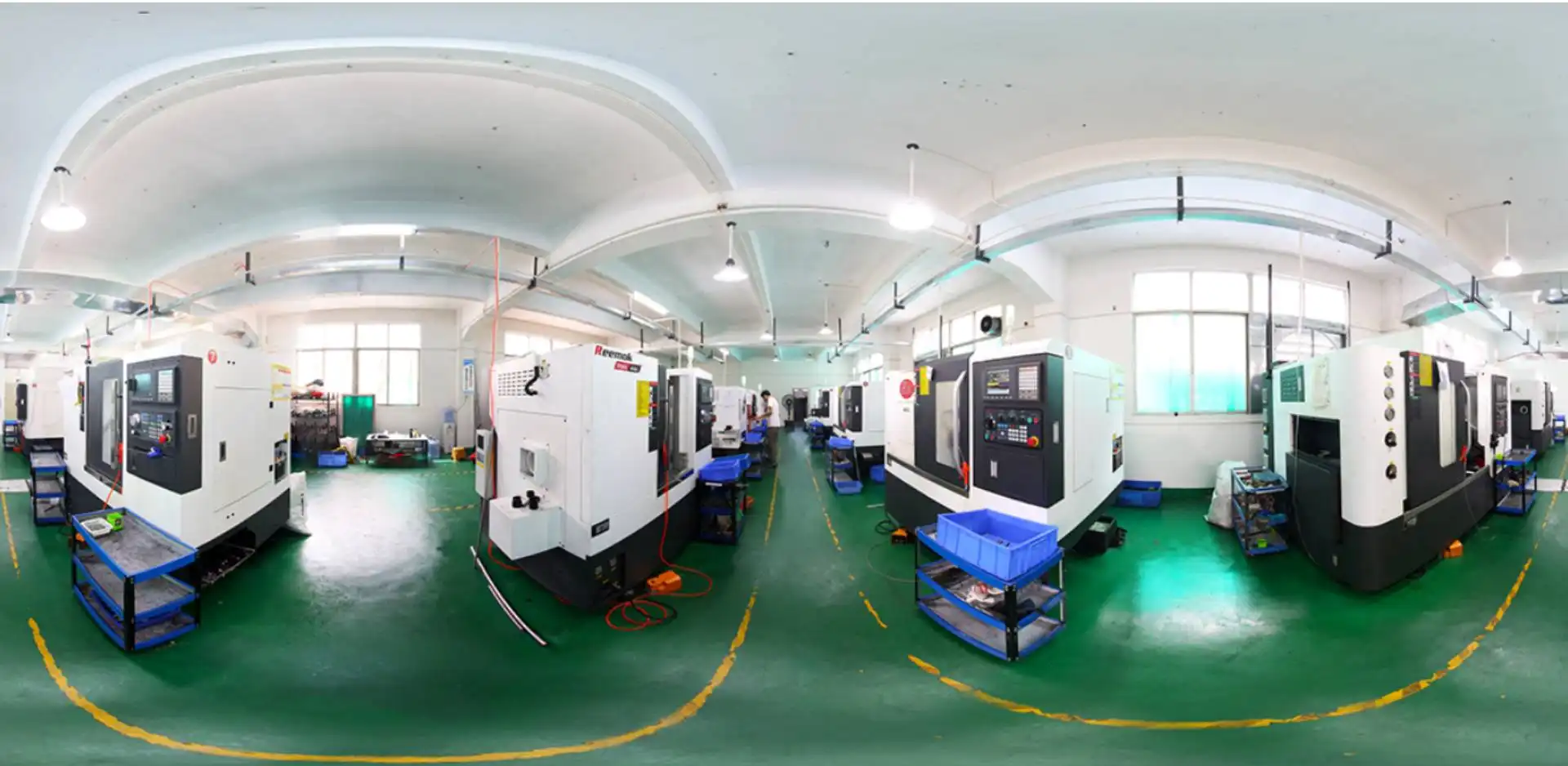
When choosing a manufacturer, you need to carefully look at their professional skills and how they run their business. Check the output options and processes that are available. For example, CNC machining, EDM, five-axis machining, and grinding are some of the processes that can be used. Each has its own benefits for different shapes and limits. Check the quality badges and ask for audit records that show the company is following ISO standards. Check how materials are sourced to make sure quality is uniform and can be tracked. Look at the engineering support services that suppliers offer. Companies that offer design optimization and finite element analysis can add value above and beyond basic manufacturing. You can ask for sample parts or set up a visit to the plant to see the production standards and measuring tools in person. Dongguan Junsion Precision Hardware Co., Ltd., which has 32 advanced CNC machines in a dedicated 1,600-square-meter building, is an example of the kind of large and specialized company that can consistently make high-precision goods.
Optimizing Order Parameters
Planning for volume has a big effect on both price and shipping performance. When you buy in bulk, you can usually afford to invest in special tools that lower the cost per unit and ensure a steady supply over time. Find the optimal order amounts by weighing the costs of holding the goods against the discounts that come with buying in bulk. Most custom makers offer stepped pricing, with significant discounts at 500, 1,000, and 5,000 unit levels. Set shipping dates that work with your production plan and leave suppliers' lead times for precision work. For example, it usually takes 4-6 weeks from the time you confirm an order to the time it ships. Framework deals should be negotiated for needs that will happen again and again to get better prices and earlier production slots. Include fast substitute choices in contracts so that operations can stay flexible without having to carry too much inventory.
Communication and Documentation
Clear specs stop misunderstandings and revision processes that cost a lot of money. Give full models in standard file types like STEP, IGES, or PDF that include all the measurements, as well as geometric dimensioning and tolerance callouts. Make clear the review and acceptance standards, especially for important measurements that affect how well the vibration works. Instead of using biased statements, write down the surface finish requirements using standard Ra values. Include certificates of materials and proof of compliance with the terms of the purchase. Set up a single point of contact for both the buyer and the seller to make expert conversations easier. Use email to talk to providers, like Lock@junsion.com.cn, to keep track of standard agreements and change approvals. This will lower the chance of production mistakes and make it easier to talk about how to make things better all the time.
Future Trends in Custom Camera Parts for Vibration and Noise Reduction
The image business is still changing quickly. New advances in material science and manufacturing are making it possible for next-generation components. When buying, teams know about new trends, and they can use them to their advantage in the market.
Advanced Materials and Manufacturing Technologies
New materials have made it possible for tailored camera parts to do a lot more. Composite materials made of metal grids and ceramic or polymer phases offer damping performance that has never been seen before while still keeping structural strength. Nanocoatings, which are put on at the molecular level, protect against wear and reduce vibrations without adding any noticeable weight or changing important measurements. Precision 3D printing technologies, such as selective laser melting, make it possible to create complicated internal shapes that aren't possible with traditional cutting. Lattice structures improve stiffness-to-weight ratios, and internal damping paths get rid of vibration energy. These improvements in production have cut the time it takes to make a prototype from weeks to days. This speeds up the development of new products and makes small-batch Custom Camera Parts customization more affordable, which wasn't possible before.
Smart Vibration Control Systems
Adding active control technologies together is the next big thing in managing vibrations. Custom lens mounts with piezoelectric motors built in compensate for movements in real time, actively stopping unwanted motion through controlled counterforces. Sensor fusion algorithms take accelerometer data and picture analysis to tell the difference between camera motion and scene motion. This lets intelligent stabilization keep conscious panning while getting rid of hand shake. The best way to isolate vibrations across a wide range of frequencies is for adaptive damping systems to change the mechanical resistance based on the working conditions. These smart solutions need component makers and system designers to work together closely. This opens up chances for suppliers who can offer both precision manufacturing and integrated engineering services.
Impact on Global B2B Procurement
As technology improves, it changes how companies buy things and how they work with suppliers. As tailoring gets more complicated, it's better to have partnerships with makers who keep their technical skills up to date than to have transactional relationships with commodity providers. Diversified sourcing and regional production capacity are two ways that global supply chains can show they are resilient. Buyers value sellers with approved facilities in more than one geographic area. As systems get smarter, the requirements for quality paperwork get stricter. For example, digital tracking and real-time production monitoring are now expected. In order to change, procurement organizations build up the technical skills needed to evaluate advanced solutions in a useful way. They move away from focusing only on costs and toward assessing total value. Companies that make precise hardware, like those that work in the communications and consumer electronics industries, are in a good position to meet the growing demand for camera parts that use the latest technology.
Conclusion
Custom Camera Parts have been shown to reduce noise and shaking in imaging uses that are very demanding. These parts improve the performance of normal parts by using advanced surface treatments, precise engineering with tolerances of ±0.01mm, and special materials like aluminum alloys and stainless steel. Buyers in the business world get real benefits like longer machine life, lower maintenance costs, and better picture quality. To do procurement right, you need to carefully look at technical needs, seller skills, and the total ownership costs. Custom solutions are increasingly using smart damping systems and new shapes that push the limits of performance as material science and production technologies improve. Companies that buy high-quality custom parts from licensed makers get a competitive edge in fields where picture reliability has a direct effect on how well they run their business.
FAQ
1. What materials work best for vibration damping in camera parts?
Aluminum metals are great for dampening vibrations and are strong for their weight, which makes them perfect for building parts and housings. Stainless steel is the hardest metal and is best for uses that need to be completely stable. High-frequency vibrations can be effectively slowed down by brass plugs. The choice of material depends on the needs of the application, such as the weight limits, the surroundings, and the frequency bands that need to be attenuated.
2. How much do custom camera parts cost compared to standard components?
At first, custom, precise parts usually cost 40–70% more than normal ones. When you buy more than 1,000 units, this price is often cut down to 25–35%. Total ownership analysis shows that custom components save money because they last longer (2–3 times longer), break down less often (requiring 40% fewer repairs), and require less upkeep work. These savings usually pay for themselves in 18–24 months of operation.
3. What certifications should I require from custom parts suppliers?
Some important certificates are ISO 9001:2015 for quality management systems and RoHS compliance for safety around the environment. Ask for material certificates that list the alloys' parts and their mechanical features. Reports from dimensional inspections should show that the tolerances meet the requirements. Suppliers who work with regulated industries often have extra certificates, such as AS9100 for aircraft uses, which gives customers even more confidence in how they control processes and keep records.
Partner with a Trusted Custom Camera Parts Manufacturer
Problems with vibration and noise need precise answers that can only be provided by Custom Camera Parts providers with a lot of experience. Dongguan Junsion Precision Hardware Co., Ltd. uses cutting-edge production technology and a lot of experience in the imaging business to make parts that work better than expected. With 32 CNC machines, we can make parts with tolerances of ±0.01mm and surface finishes of Ra0.8μm out of aluminum alloy, stainless steel, and brass, and we can treat them in special ways like anodizing and black oxide finishing. We make all kinds of camera parts, like lens mounts, shutter mechanisms, sensor holds, and camera cases. Our products are certified by ISO 9001:2015 and follow RoHS rules. For their most important image needs, companies in more than 20 countries depend on our quick responses and quality control. Email our engineering team at Lock@junsion.com.cn to talk about your unique vibration control needs and get thorough technical proposals backed by our dedication to making the best products possible.
References
1. Johnson, M., & Chen, R. (2021). Precision Engineering for Optical Systems: Materials and Manufacturing Methods. Academic Press.
2. Thompson, L. K. (2020). Vibration Control in Imaging Equipment: Design Principles and Performance Analysis. Journal of Mechanical Engineering Science, 234(8), 1542-1558.
3. Anderson, P. D., & Martinez, J. (2022). Advanced Materials for Camera Component Manufacturing. International Journal of Precision Engineering and Manufacturing, 23(4), 891-906.
4. Williams, S. T. (2019). Quality Assurance in Custom Hardware Manufacturing: Standards and Best Practices. Manufacturing Engineering Review, 45(2), 112-128.
5. Zhang, H., & Kumar, A. (2023). Smart Damping Technologies for Professional Imaging Systems. Optical Engineering Journal, 62(1), 015102.
6. Roberts, E. F. (2021). Total Cost of Ownership Analysis for Industrial Camera Systems. Procurement Strategy Quarterly, 18(3), 67-82.