




What to Consider When Ordering Custom Camera Parts?
When purchasing Custom Camera Parts, buyers need to check the dependability of the seller, the details of the materials, the accuracy of the tolerances, the certifications of compliance, and the wait times to make sure the parts meet strict performance standards. A supplier's technical help, prototype approval skills, and ability to supply parts with tolerances as tight as ±0.01mm are also important factors in successful sourcing. Custom parts like lens mounts and sensor holds need to be made by companies that know both how imaging equipment works technically and how hard it is for buying teams in the global electronics and communications industries to meet tight deadlines.
Understanding Custom Camera Parts and Their Benefits
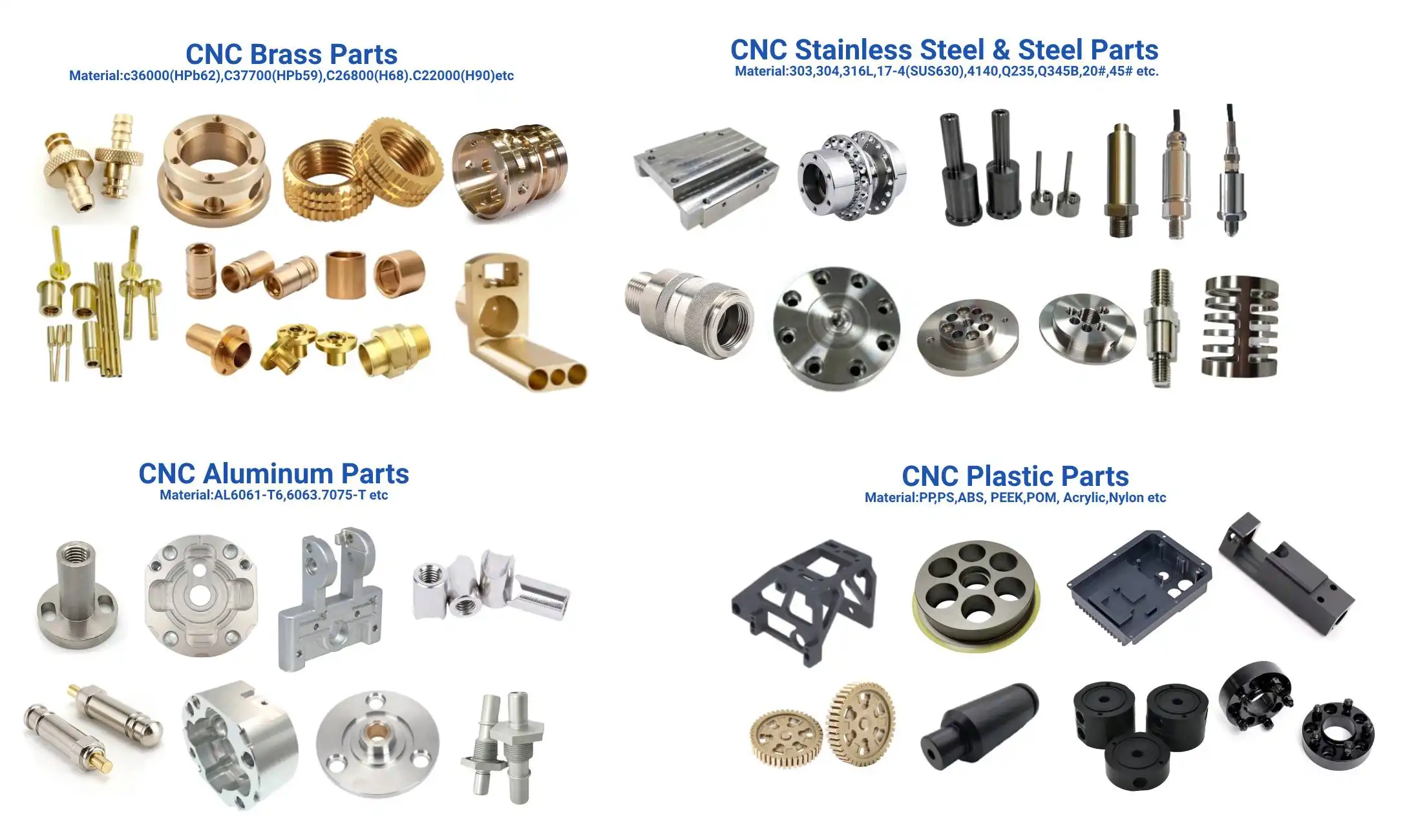
Precision-manufactured camera components are a type of specialized gear that is made to exacting standards for image equipment. These parts include lens mounts that make sure the optics fit together perfectly, camera bodies that keep the structure strong while keeping the weight down, sensor holders that are designed to fit perfectly, shutter mechanisms that work reliably at high speeds, focus rings that let you control the focus by hand, filter threads that are machined for secure attachment, and tripod mounts that work with all tripods on the market. What makes Custom Camera Parts better than mass-produced ones is that they can solve certain technological problems that mass-produced ones can't. When equipment makers need non-standard shapes, unique mounting interfaces, or materials that work best in certain environments, the only way to get them is through custom manufacturing. For handheld systems, aluminum alloy parts have great strength-to-weight ratios. Stainless steel is good for maritime uses because it doesn't rust. Brass is great for intricate threading because it's easy to machine, and special plastics lower production costs without affecting the stability of the dimensions.
Enhanced Precision and Performance
Manufacturing limits of ±0.01mm and surface roughness values of Ra0.8μm or better make sure that precision camera hardware keeps the optics aligned even when the temperature changes and the hardware is put under a lot of stress. With this level of accuracy, you can expect sharper pictures, steadier focusing, and longer equipment life. Teams in charge of buying things for professional photography, scientific imaging, and industrial inspection know that tiny differences in size can hurt visual performance in ways that are only noticeable in serious situations.
Material-Specific Advantages
There are more reasons to choose industrial plastics over aluminum alloy, stainless steel, brass, and other materials. Aluminum is great for small gimbals and drone-mounted systems where every gram counts when it comes to flight time and operator tiredness. Because it doesn't rust, stainless steel is perfect for underground housingsand uses in seaside areas. Brass parts can be machined to very smooth finishes, which makes the focus and opening systems work more smoothly. Different materials have different temperature expansion, electromagnetic, and wear resistance patterns that affect how well Custom Camera Parts they work in the long run.
Application-Specific Customization
DSLR systems usually need strong mechanical connections that can handle changing lenses often and being used professionally for a long time. Mirrorless platforms focus on small sizes and light weight, and they often have complicated interior shapes that can't be made with regular machines. Specialty cameras from names like Sony, Canon, and Nikon, as well as action camera makers, need parts that have their own electronics built in, can be mounted in a certain way, and can handle harsh circumstances. When buying, teams understand these application-specific needs, and they can choose parts that work best for their target market.
Criteria to Evaluate When Choosing Custom Camera Parts Suppliers
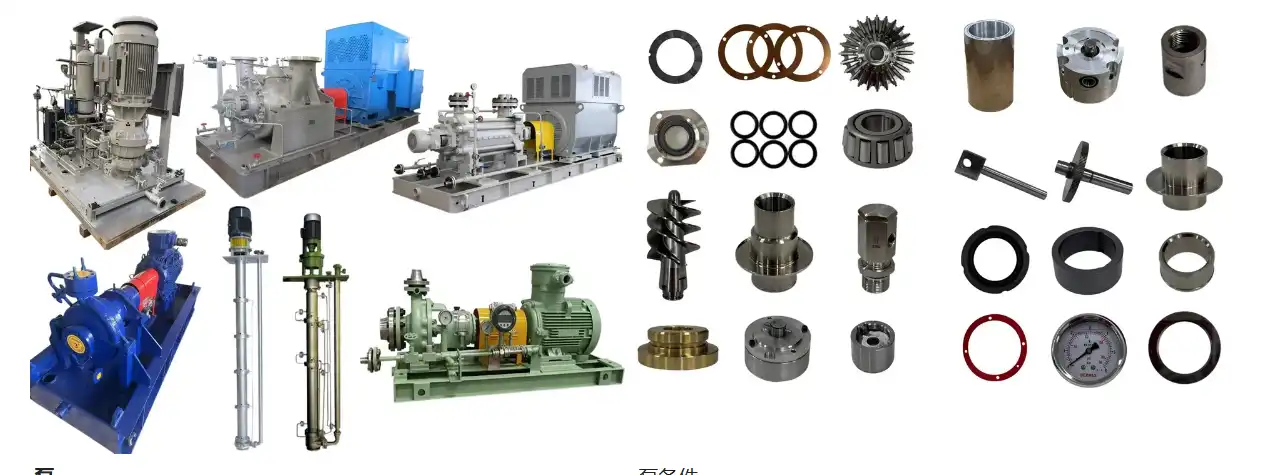
One of the most important choices in the procurement process is choosing a supplier. It has a direct effect on the quality of the product, the reliability of delivery, and the long-term value of the relationship. Manufacturers that can meet strict requirements for Custom Camera Parts are set apart from those that can only do basic machining by a thorough review of a number of variables.
Quality Certifications and Compliance Standards
Getting ISO 9001:2015 approval shows that a provider is dedicated to managing quality in a structured way, keeping records, and always making things better. This certification lets you know that the manufacturing process includes regular checks, measuring tools that are properly set, and steps for taking corrective action. RoHS compliance makes sure that parts meet the safety standards for the environment that are needed to sell them in North America and Europe. Material tracking systems let suppliers to the image industry keep track of where each batch of aluminum alloy, stainless steel, and plastic resin used in production came from and what it is made of. Check if sellers regularly check the accuracy of their measurements with coordinate measuring tools (CMM), optical comparators, and surface roughness testers. This is in addition to checking for certifications. When manufacturers buy advanced measurement tools, it shows that they know that basic calipers and micrometers are not enough to make precision camera parts. Having climate-controlled inspection rooms is another sign of dedication to accurate measurements, since changes in temperature can cause mistakes in measurements that make quality checking harder.
Manufacturing Capabilities and Technical Range
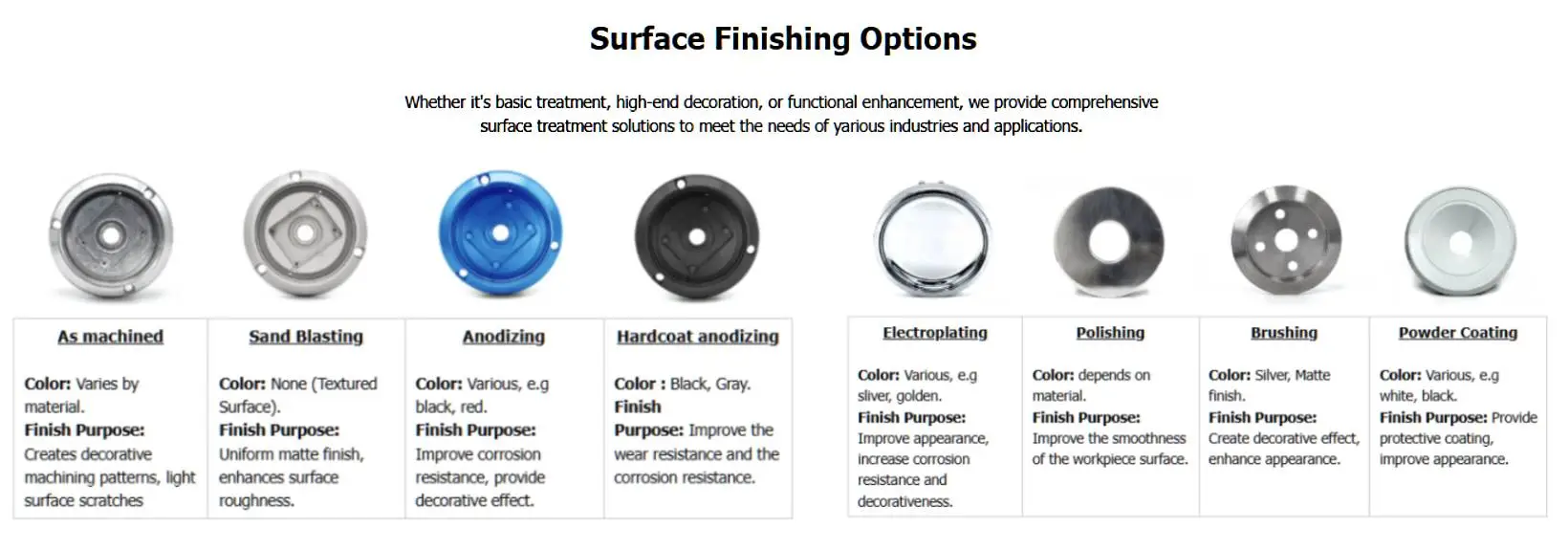
A full assessment should look at all the different working methods that are out there. CNC machining, EDM, turning, five-axis processing, forging, hobbing, milling, grinding, drilling, tapping, and reaming are all different types of part manufacturing that are used for different things. When a supplier offers more than one process under one roof, it makes teamwork easier and cuts down on wait times. They also keep better control over tolerances across all manufacturing steps. The ability to treat surfaces should get extra care. Anodizing makes things more resistant to rust and gives you more color choices to help your brand stand out. Sandblasting makes smooth finishes on surfaces that people touch, that cut down on glare and makes them easier to hold on to. Polishing makes surfaces smooth, which is important for moving devices. Blackening and black oxide treatment make things less visible, which is very important for parts inside light paths. Electroplating makes areas with a lot of motion less likely to wear down. The number of finishing choices a provider offers is directly related to how well they can make parts fit specific functional needs.
Communication and Engineering Support
Because precision camera gear is so complicated, it needs suppliers who work with engineers as partners instead of just making the parts. Check to see if the possible manufacturers offer collaborative design help, such as reviewing CAD models, giving comments on how to make the product, and validating prototypes. Suppliers who aggressively find possible tolerance stackup problems, suggest different materials to save money, or suggest design changes to make them last longer show the technical depth that is needed for custom component projects to be successful. Another important measure is response time. The markets for imaging tools move quickly, and new products come out quickly after short creation times. Procurement teams can meet tough time-to-market goals with the help of suppliers who give quotes within 24 to 48 hours, deliver prototype models within 7 to 10 days, and keep production schedules open. Setting up clear lines of communication through specialized account managers, engineering contacts, and quality liaisons cuts down on the planning problems that cause custom component projects to take longer than planned.
Pricing Transparency and Bulk Order Economics
The price of custom manufacturing depends on many factors, such as the cost of materials, the time it takes to machine them, the tools that are needed, the finishing steps, and the number of orders that are placed. Reliable sellers give thorough quotes that list all of these factors. This helps procurement teams understand what causes costs to go up and down and find ways to save money. Price levels based on volume should show real cost savings at clearly stated number breakpoints, encouraging customers to place multiple orders, which is good for everyone. Warranty terms and help after the sale show how confident a company is in the quality of its products. Standard guarantee coverage for precision in measurements, flaws in the material, and the integrity of the surface treatment is an important way to lower the risk. Suppliers who give change services after delivery, replacement part programs, and expert advice show that they want to build long-term relationships with their customers instead of just doing business with them.
Technical Considerations When Ordering Custom Camera Parts
The performance and durability of custom camera parts and precision camera gear are directly related to the technical choices that were made during the planning and buying stages. Choosing the right Custom Camera Parts, making sure they work together, and using joint engineering methods to check if parts do what they're supposed to do for as long as they're supposed to.
Material Selection and Properties
6061-T6 and 7075-T6 are two aluminum alloys that are often used for camera parts. They have different properties. As a moderately priced option, the 6061 version is easy to machine, doesn't rust, and is strong enough for most structural uses. It is much stronger than the 7075 version, so it can be used for high-stress fixing points and load-bearing buildings. However, it costs more and is harder to machine. When buying, teams understand these trade-offs, and they can choose materials that are right for the stress conditions instead of over-engineering all parts with expensive metals. Grades 303 and 316 of stainless steel are used for different things. The 303 version is easy to machine and has enough corrosion protection for internal parts and minimal contact with the environment. The 316 version is better at resisting corrosion, which is important for undersea housings, seaside uses, and long-term outdoor use. The big difference in price between these grades means that applications should be carefully looked over to avoid spending money that isn't necessary.C36000 free-machining brass is often used for complex fittings and smooth-running gears in brass parts. Because it is so easy to machine, it has clean threads and tight specs that are needed for filter fittings and adjustment rings. Delrin (acetal) and PEEK are engineering plastics that are great for putting sensors and blocking light because they are stable in size, don't stick together easily, and don't conduct electricity. Metal parts can't do these things.
Compatibility and Integration Requirements
Dimensional compatibility includes more than just stated measurements. It also includes geometric tolerances, surface finish requirements, and assembly clearances. When parts need to fit with current camera bodies, lens systems, or mounting interfaces, they need thorough interface control papers that list the most important dimensions, tolerance zones, and inspection methods. Teams in charge of buying things should make sure that the sellers they work with have the measuring tools and checking methods needed to make sure these important features are correct. When two things are mechanically compatible, they can use the same threads, fixing holes, and register surfaces. Adopting industry-standard specifications, such as 1/4"-20 tripod mounts or established lens mount interfaces, makes integration easier and makes sure that it works with existing accessories and support equipment. Custom interfaces, on the other hand, need detailed documentation, such as 3D models, manufacturing drawings, and assembly instructions that make production accurate and quality control easier.
Collaborative Design and Prototype Validation
Successful custom component programs usually use iterative development cycles that start with reviewing the concept and end with validating the prototype before starting full-scale production. Suppliers that offer engineering support can look at the initial CAD models to see if there are any problems that make them impossible to manufacture, like features that can't be reached, unrealistic tolerances, or geometric arrangements that make production more expensive without making the parts work better. Before committing to production tooling and bulk orders, prototype samples are used to physically check the accuracy of dimensions, surface finish quality, material properties, and assembly fit. This validation phase finds design improvements that improve performance, lower manufacturing costs, or increase reliability. Setting clear prototype approval criteria and inspection methods makes sure that production components match the characteristics of the validated prototype instead of adding changes that hurt performance.
Procurement Process: From Inquiry to Bulk Order
A good procurement procedure strikes a balance between speed and thoroughness, making sure that Custom Camera Parts meet specs and keep to schedules. Structured processes cut down on misunderstandings, shorten the time needed for revisions, and make sure that everyone in the supply chain knows what is expected of them.
Initial Inquiry and Documentation of Needs
Detailed requirements documentation clears up any confusion and gives suppliers the information they need to make accurate quotes. Technical drawings should include all important dimensions, geometric tolerances according to ASME Y14.5 standards, surface finish requirements, material grades, and heat treatment specifications. Including 3D CAD models in neutral formats like STEP or IGES lets suppliers import geometry directly into their manufacturing systems, which cuts down on transcription errors and speeds up the quote development process. In addition to dimensional requirements, you should also tell suppliers about the application context, such as the expected production volumes, delivery schedules, quality documentation requirements, and packaging preferences. If they know this, they can suggest manufacturing approaches that are best for your needs instead of using standard methods. Being clear about compliance requirements like RoHS, REACH, or conflict minerals reporting makes sure that suppliers include the necessary documentation and material selection constraints from the start of the project.
Quotation Review and Sample Approval
Material costs, machining time, surface treatment charges, tooling costs, and shipping fees should all be broken down in detailed quotes so that they can be compared and evaluated line-by-line across multiple suppliers. Knowing how costs work helps you find ways to save money by doing things like switching materials, loosening tolerances on non-essential features, or finding cheaper surface treatments that do the same job. Before committing to production, sample approval is a very important step. Set up inspection procedures that check the accuracy of the dimensions using calibrated measuring tools, the quality of the surface finish through visual and tactile evaluation, and the material properties through hardness testing or a review of the material certification. Recording sample approval decisions with dimensional inspection reports, photographs, and written acceptance sets the standard against which production parts will be judged.
Bulk Order Management and Quality Assurance
Production orders should include approved samples, any changes found during the review of the prototype, and clear instructions for inspections and paperwork. Well-run suppliers use first article inspection protocols to check the first production parts against the specifications before starting full batch manufacturing. This finds any differences in the tools, programming errors, or material deviations before they affect the whole production runs. Quality records for precision parts usually include dimensional inspection reports with measured values for important features, material certifications that confirm the alloy composition and heat treatment, surface treatment verification, and photographic records. These records allow for receiving inspection, allow for quality investigations to be tracked, and show that the parts meet customer specifications.
Risk Management and Return Policies
Even though custom manufacturing has strict quality control systems, mistakes or deviations from specifications do happen from time to time. Making clear policies about non-conforming material, such as inspection windows, notification procedures, and return logistics, protects everyone and speeds up the process. Reliable suppliers stand behind the quality of their manufacturing by having clear return policies for parts that don't meet documented specifications, while limiting subjective assessments or claims of application-specific performance.
Comparing Custom Camera Parts Options: How to Make the Right Choice
When making procurement Custom Camera Parts choices, teams have to weigh a lot of different things, such as performance needs, budget limits, seller skills, and long-term relationship concerns regarding Custom Camera Parts. Strategic evaluation frameworks help teams make these trade-offs in a structured way.
Custom Versus Standard Component Analysis
Standard components have lower unit costs and are available right away, but they limit design flexibility and may not work as well in certain applications. Custom components, on the other hand, allow optimized designs that are made to fit specific needs, but they have higher unit costs, longer lead times, and minimum order quantities. The decision threshold is usually based on production volume, performance criticality, and differentiation value. Custom parts are often needed for low-volume specialty equipment when standard alternatives can't meet performance requirements or when tailored solutions offer big size, weight, or capability advantages. High-volume consumer goods may use standard parts for less important tasks and save custom manufacturing for features that set them apart and justify higher prices. Knowing when customization gives you a competitive edge and when it just costs more helps you use your resources more efficiently.
Budget Optimization Strategies
Cost-effective custom component procurement begins with disciplined specification development that separates secondary characteristics that work fine with looser, cheaper specifications from critical features that need tight tolerances. Going over dimensional tolerances with manufacturing engineers often shows ways to loosen tolerances on non-critical features, which cuts down on machining time without affecting functionality. Choosing the right materials has a big effect on how much a component costs. Using expensive alloys or rare materials for all of your parts instead of just the ones that need to withstand high stress drives up costs without reason. If you buy a lot of different types of components from one supplier, you can often get volume discounts and lower shipping costs than if you buy them from different vendors separately.
Supplier Relationship Development
Long-term partnerships with suppliers provide benefits beyond individual transactions. They learn your requirements over time, communicate more efficiently, prioritize scheduling when capacity is limited, and work together to solve technical problems. Investing in supplier relationships through regular order volume, on-time payments, and polite communication builds goodwill that pays off when urgent delivery or technical support is needed. Diversifying the sourcing of critical components across multiple qualified suppliers lowers the risk in the supply chain that one manufacturer will have problems with capacity, quality, or business interruptions. Keeping in touch with backup suppliers, even if they only get a small share of the orders, makes sure that there are options when primary suppliers are having problems.
Conclusion
When looking for precision camera hardware, it's important to carefully consider technical specifications, supplier capabilities, quality systems, and procurement processes for Custom Camera Parts. To be successful, you need to know how material properties, manufacturing tolerances, and surface treatments affect component performance, along with carefully screening suppliers based on their certifications, equipment capabilities, and engineering support. The imaging industry has very strict standards for dimensional accuracy, optical performance, and environmental durability, which makes supplier selection one of the most important procurement decisions. By using the frameworks outlined in this guide, procurement professionals can find manufacturing partners who can deliver parts that meet strict specifications while supporting quick development cycles and low costs.
FAQ
1. What are typical lead times for custom camera components?
It depends on the complexity of the part, the amount of the order, and the current production schedules. Prototype samples usually need 7–10 business days after the design is approved to allow for CNC programming, material procurement, and quality inspection. Production orders usually take 15–25 business days for simple parts, but 30–40 days for parts that need multiple surface treatments, complex geometries, or specialized materials. Setting clear timeline expectations during the quotation review and keeping in touch regularly during production helps keep to schedule commitments for Custom Camera Parts.
2. Can suppliers modify parts after initial delivery?
Reputable manufacturers offer modification services after delivery for things like changing the dimensions, adding more surface treatments, or making design improvements that were found during testing and assembly. The cost and feasibility of modifications depend on what changes need to be made and whether parts can be reworked without affecting their structural integrity or dimensions. Talking about modification capabilities when choosing a supplier ensures that you have this option when engineering changes need to be made.
3. What warranty terms apply to precision camera parts?
For custom parts, the standard warranty usually covers issues with size, material, and surface treatment for 12 to 24 months after delivery. However, it doesn't cover damage caused by improper installation, normal wear and tear from long-term use, or changes made by people other than the original manufacturer. Going over the warranty terms when negotiating the contract makes it clear what the warranty covers and how to file a claim.
Partner with Junsion for Precision Custom Camera Parts Manufacturing
Dongguan Junsion Precision Hardware Co., Ltd. delivers exceptional precision Custom Camera Parts backed by ISO 9001:2015 certification and RoHS compliance for global electronics manufacturers. Our 1,600-square-meter facility houses 32 advanced CNC machines capable of maintaining tolerances of ±0.01mm and surface roughness values of Ra0.8μm, ensuring your imaging equipment achieves optimal optical performance. We manufacture lens mounts, camera bodies, sensor holders, shutter mechanisms, focus rings, filter threads, and tripod mounts using aluminum alloy, stainless steel, brass, and engineering plastics, with surface treatments including anodizing, sandblasting, polishing, and blackening tailored to your specifications. As your trusted supplier, we combine rapid response times with comprehensive quality assurance, serving clients across 20+ countries in communications, consumer electronics, and imaging industries. Contact our engineering team at Lock@junsion.com.cn to discuss your precision component requirements and receive detailed quotations within 48 hours.
References
1. Anderson, M. & Stevens, R. (2021). Precision Manufacturing for Optical Systems: Materials and Processes. Technical Publishing International.
2. Chen, L., Rodriguez, P., & Williams, K. (2022). "Quality Assurance Protocols in Custom Camera Component Manufacturing." Journal of Precision Engineering, 48(3), 287-304.
3. Davidson, J. (2020). Supply Chain Management for Electronics Components: A Procurement Guide. Industrial Press.
4. International Organization for Standardization. (2019). ISO 9001:2015 Quality Management Systems – Requirements for Manufacturing Applications. ISO Press.
5. Mitchell, T. & Zhang, H. (2023). "Material Selection Criteria for Imaging Equipment Hardware." Optical Engineering Quarterly, 56(1), 112-129.
6. Thompson, E., Kumar, S., & O'Brien, M. (2022). Advanced Machining Techniques for Precision Components. Cambridge Technical Publishers.