




What Are the Benefits of Injection Molded Plastic Gear Parts?
For contemporary industrial uses, Plastic gear parts made through injection molding offer revolutionary benefits. These precision-engineered parts are great for industrial equipment, consumer electronics, and medical devices because they are both cost-effective and work very well. Injection-molded options are better than standard metal gears or machined alternatives because they allow for more design freedom, less weight, and quiet operation. Junsion is an expert at making very precise gears with margins of up to ±0.01mm. Our customers are procurement managers and engineers who need reliable parts for global supply chains.
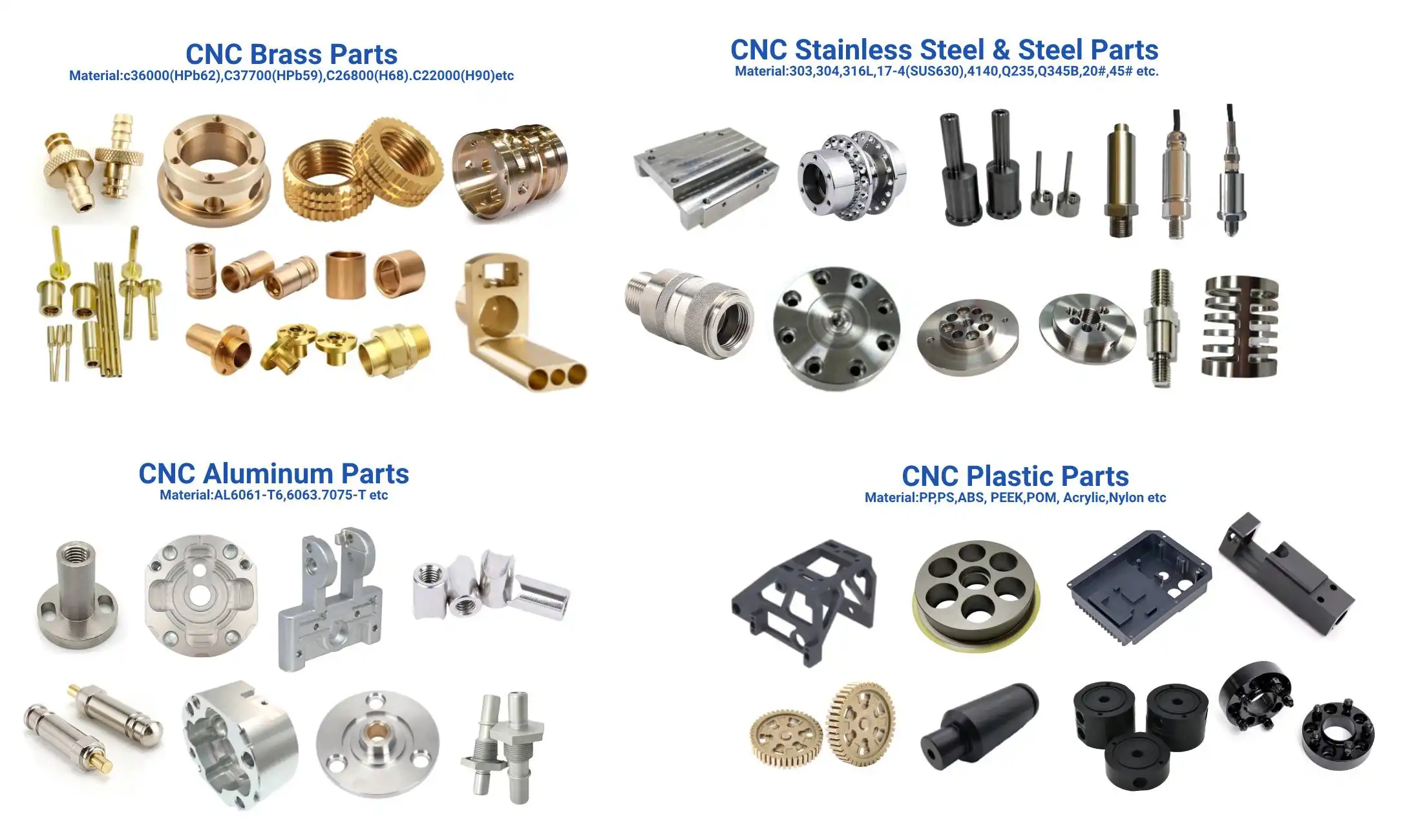
Understanding Injection Molded Plastic Gear Parts
What Is the Injection Molding Process?
Through a controlled heating and cooling cycle, injection molding turns silicone materials into complicated gear shapes. When high-pressure molten plastic goes into precise molds, it makes tooth shapes that are very complicated and exactly what is needed. This way of making things is consistent across production runs, which isn't possible with standard cutting methods. Advanced CNC methods and injection molding are used at our plant to get surface roughness values of Ra0.8μm or better.
Types of Gears We Manufacture
Our range of products meets a wide range of industrial needs in many fields. With parallel shaft designs, spur gears make it easy to transfer power. You can find them in a lot of home products and robots. Helical gears have angled teeth that connect slowly, which makes them quieter in car settings. In aircraft systems, bevel gears let you change the direction of rotation, and worm gears give AI tools high reduction ratios. In medical gadgets and supply storage systems, rack and pinion gears change rotational motion into linear motion.
Material Selection for Performance
Because their qualities are well-balanced, engineering plastics like Nylon, Acetal, and Polycarbonate make up most of the materials we use. Nylon is great for motorbike parts because it doesn't break down easily and lubricates itself. Acetal stays the same size at different temperatures, which is very important for transmission devices. In aircraft uses, where corrosion is always a problem, PEEK can handle harsh chemical conditions. Choice of material has a direct effect on power capacity, temperature limits, Plastic gear parts, and prices over the whole life of the product.
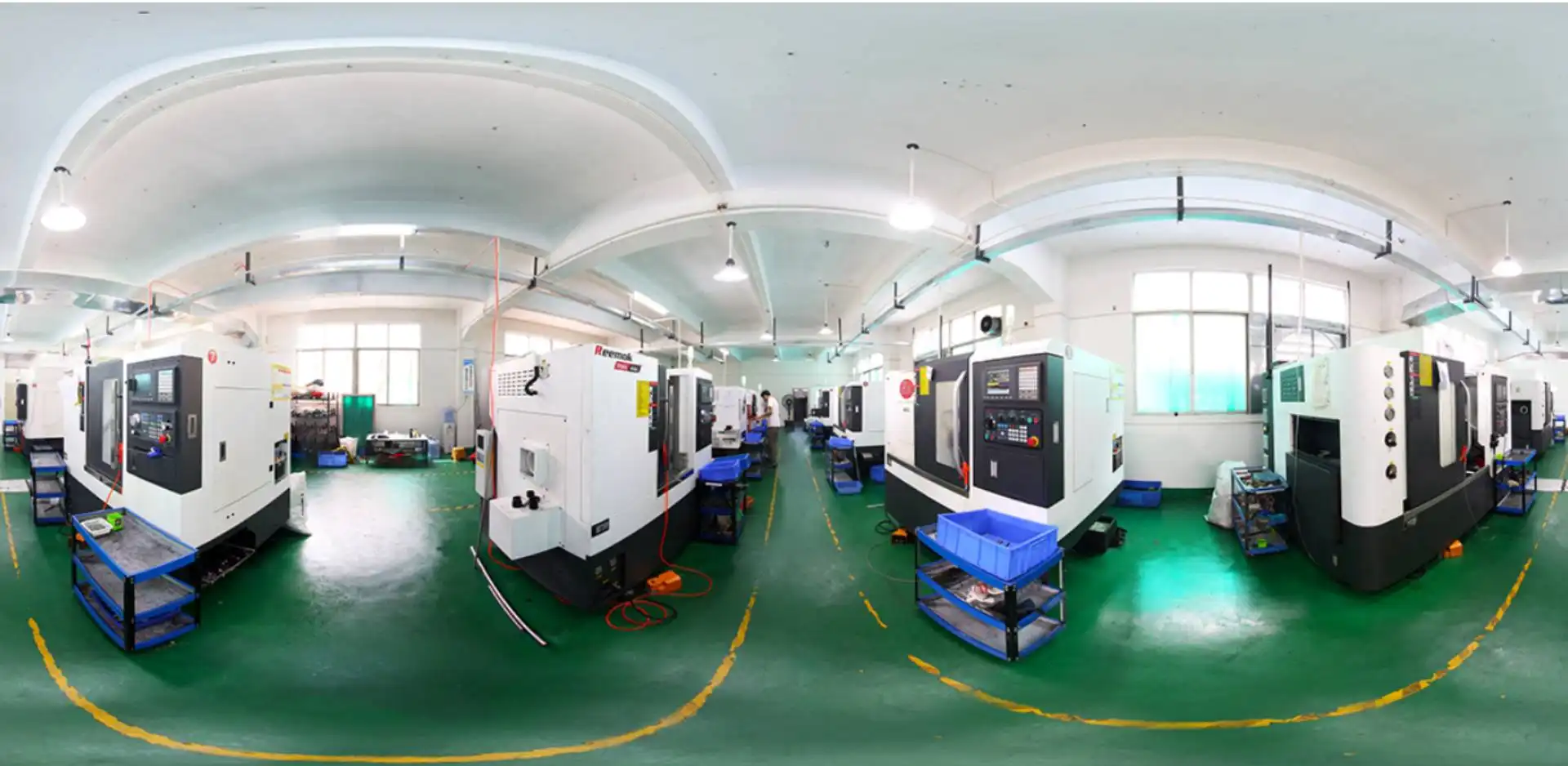
Key Benefits of Injection Molded Plastic Gear Parts
Injection-molded gears change the way parts are made because they work better in many ways. Their small size and light weight make battery-powered devices use less power, and gasoline-efficient car systems use less fuel. When exposed to acids or corrosive fluids, chemical protection is higher than that of metals. Noise-damping qualities make precision machines run more quietly, which improves the user experience for all consumer goods. Because of these qualities, Plastic gear parts are important parts of current engineering projects.
Cost-Effectiveness Through Economies of Scale
When compared to cutting metal parts, making Plastic gear parts through injection molding has much lower unit costs. Once the costs of buying tools are paid for, high-volume production runs become very efficient. Our automated processes make thousands of parts every week, which spreads out the cost of setup over many runs. The cost of materials is still cheaper than that of metals, especially for shapes that are hard to machine and take a long time. When procurement teams switch to injection-molded products, they see instant savings on their budgets.
Lightweight Design Advantages
Electric cars, robots, and handheld tools are all getting better at losing weight. Plastic gear parts are much lighter than steel gears, which lowers the drag of moving parts. This feature makes industrial equipment respond faster, and electric tools' batteries last longer. Less mass also makes placement easier and cuts the cost of shipping. Engineers choose plastic parts that are light enough to meet weight goals without sacrificing function.
Superior Corrosion Resistance
When metal gears are exposed to water, chemicals, or salt spray, they rust. Plastic alternatives stay strong in marine uses, outdoor gear, and machines used to process chemicals. Acidic and alkaline substances quickly break down ferrous metals, but our materials don't react with them. This makes it last longer, which means it needs less upkeep and replacement less often. Plastic gear parts help industries that work in tough conditions reduce downtime and minimize claims to a minimum.
Noise and Vibration Damping
Metal sends vibrations through parts, but plastic's natural dampening properties soak them up. Home tools, medical equipment, and office machines that work quietly are more comfortable to use. Less noise pollution meets government standards for consumer goods and improves how people see the product. The material's ability to bend when it's loaded stops the tooth impact forces that make metal gear trains make noise. Power transfer that is smoother and makes fewer noises is good for precision machines.
Design Flexibility and Customization
Injection molding can handle Plastic gear parts with complicated shapes that are too complicated to make cost-effectively. We build snap-fit connections, mounting holes, and lighting pockets right into the bodies of our gear. Customized measures fit the needs of a particular application without requiring extra work. Our engineering team works with clients to find the best tooth curves, bore shapes, and surface processes. OEM/ODM making supports unique designs that set goods apart in markets with lots of competition.
Injection Molded Plastic Gears vs. Metal Gears: A Comparative Analysis
Strength and Load Capacity Considerations
Metal gears are usually used for high-torque tasks that need to be very strong. Long-term loads of more than a few thousand Newton-meters can be put on steel parts without permanently deforming them. In moderate-load situations, advanced industrial plastics now call this idea into question. PEEK gears can handle pressures of up to 100 MPa, making them useful in many industrial settings. The lower strength of the material is made up for by spreading the load across bigger tooth sides, which results in similar performance.
Lifecycle Cost Analysis
Total purchase costs are lower for Plastic gear parts, even though they cost more per kilogram. Less time spent on machining means less money spent on work for metal production. Lighter parts use less energy over the life of a product, which lowers running costs. Technicians spend less time on repair intervals because maintenance methods have been made easier. When compared to expensive metal spares, replacement parts that are cheap cut down on stocking costs. When purchasing managers look at different parts, they take these total savings into account.
Environmental Operating Conditions
Metal gears break down quickly in chemical conditions unless they are covered by expensive coatings. Plastic gear parts work effectively in environments that are acidic, alkaline, or full of solvents without needing to be treated on the outside. Marine uses are helped by saltwater protection, which means that upkeep for corrosion is not needed. Different materials have different temperature stability. Specialty Plastic gear parts work between -40°C and 200°C. When you specify the right materials, they will work reliably in all kinds of environments.
Industry-Specific Applications
Plastic gear parts are popular with robotics makers because they are light and quiet when used in joint systems. They are used by automakers in actuators, seat changes, and HVAC settings where noise reduction is important. Small Plastic gear parts are used in printer systems and camera modules, among other consumer gadgets. Biocompatible materials are easy to find in plastic formulas, which are needed for medical equipment. Different industries value different qualities that injection-molded parts can provide well.
Design and Performance Optimization Tips for Injection Molded Plastic Gears
Critical Design Parameters
The shape of the teeth directly affects how loads are distributed and how they wear over time. Module size affects tooth strength in relation to gear width, so each application needs a careful estimate. Pressure angles, which are usually between 14.5° and 20°, affect how well meshing works and how much weight it can hold. When you change directions, backlash limits keep you from sticking and keep noise to a minimum. Before making the tools, our experts use modeling software to look at how these factors affect each other.
Material Selection Strategy
Material standards are based on the needs of the application in several performance areas. Minimum tensile strength levels are set by torque demands, which limit the materials that can be used. Operating temps get rid of options that aren't thermally stable enough within the ranges needed. When speed is important, plastics with low friction and little heat buildup are preferred. Due to limited funds, efficiency needs must be balanced against the cost of materials. We use our decades of experience in making to help clients through this decision process.
Optimizing Mold Design
The quality of the finished part depends on how the material flows and where the gates are located. When gating is done wrong, metal lines or holes are made that weaken tooth structures. The design of the cooling channels keeps the shrinking constant, which stops warping that can affect the accuracy of the meshing. Draft curves make it easier to remove parts without damaging the surface. Our mold designers find the best combinations of these factors so that the dimensions are always within ±0.01mm of what they should be.
Maintenance and Durability Best Practices
By lowering friction and heat building, proper greasing makes Plastic gear parts last longer. Chemical breakdown can be stopped by synthetic greases that are compatible with plastics. Wear patterns are found through regular inspections before a major failure happens. By staying within the load limits that have been set, lasting damage can be avoided. Environmental safety keeps parts safe from contaminants that speed up wear. Following these rules will help you get the best return on your investment over the life of a product.
How to Pick a Trustworthy Injection Molded Plastic Gear Parts Supplier
Manufacturing Capabilities Assessment
The first things that are looked at when judging a supplier's skills are their tools and professional knowledge. Modern CNC tools can machine with very tight tolerances, which works well with injection molding. Our building has 32 precise tools spread out over 1,600 square meters that help with the production of complicated parts. When compared to outsourcing engineering, designing tools in-house speeds up the development process. Vertically linked businesses make sure that quality control happens at every stage of the production process.
Quality Certifications and Standards
Getting ISO 9001:2015 approval shows that you are dedicated to using structured methods for managing quality. RoHS compliance shows care for the earth by limiting dangerous chemicals. Material certifications make sure that the characteristics of polymers meet the stated standards. Dimensional inspection records show that the limits for the model were followed. We keep a lot of quality records that meet the standards for traceability in regulated businesses. These licenses give procurement teams that are in charge of controlling supplier risk peace of mind.
Customization and OEM/ODM Services
Custom gear solutions are made to solve problems that can't be solved by standard stock items. During the planning phase, our tech team works together to suggest improvements that make the product easier to use. Creating a prototype lets you test your ideas before you spend money on production tools. Original Equipment Manufacturer (OEM) agreements help protect the privacy of unique designs. By using current design tools, ODM services shorten the time it takes to get a product to market. Product makers who have to meet tight start dates will gain from this flexibility.
Communication and After-Sales Support
During the creation of specifications, application questions can be answered through responsive technical advice. Help with design finds the best gear settings for making injection molds. Clear price systems keep surprises from happening during the buying process. Reliable lead times keep production plans on track without having to pay expensive advance fees. Warranty coverage guards against problems with the way the product was made, which shows that you trust the quality of the product. Our international support team makes it easier for people in different time zones to talk to each other.
Conclusion
In terms of cost, performance, and design freedom, injection-molded Plastic gear parts are very appealing. Their ability to fight corrosion, keep noise down, and be lightweight helps engineers solve problems that metal options have trouble with. Precision manufacturing is what Junsion does best. We can make gears with tolerances of ±0.01mm for tough jobs in the aircraft, medical, automobile, and automation industries. Successful component integration depends on choosing the right material, making sure that the design parameters are optimized, and working with suppliers who have a lot of experience. As global markets value environmentally friendly and cost-effective solutions more, injection-molded gears help makers stay competitive by lowering costs over the duration and making products stand out more.
FAQ
1. Can Plastic Gears Handle High Torque Applications?
When built correctly, advanced industrial Plastic gear parts like PEEK and reinforced Nylon can handle mild to high torque loads. Optimizing the tooth shape spreads forces over larger contact areas, making up for the fact that the material isn't as strong as metals. Metal gears are still needed for most applications that need torques higher than 500 Nm, but material science is still improving the abilities of Plastic gear parts.
2. What Factors Influence Gear Durability?
The choice of material sets the standard for warmth and wear protection. Operating factors, such as load, speed, and exposure to the environment, have a direct effect on lifespan. Proper lube cuts down on friction, which speeds up wear and tear. Stresses are spread out evenly by using the right module size and pressure angle during design optimization. Precision in manufacturing makes sure that the tooth shapes are correct and that they mesh easily for the life of the machine.
3. Are Custom Gear Designs Feasible?
With injection molding, it's easy to make shapes that are exactly what you need. Our OEM/ODM services help with the development of custom designs from the initial idea to mass production. Investing in tools makes production cheaper once the number justifies the original costs. Design teamwork makes sure that parts can be shaped well while still meeting their useful requirements. Products in competitive markets are set apart by custom sizes, tooth numbers, and built-in features.
Partner with a Trusted Plastic Gear Parts Manufacturer
If you need to find a component, Junsion is ready to help you with Plastic gear parts, precision-engineered products that are backed by ISO 9001:2015 approval and RoHS compliance. We know how to use modern CNC machining and injection molding techniques to make spur, helical, bevel, worm, and rack and pinion gears. Our quick response times, ability to customize, and quality control methods have won trust in more than 20 countries, helping procurement managers and engineers. Get in touch with our technical team at Lock@junsion.com.cn to talk about your application needs and get cheap quotes for relationships with Plastic gear parts supplier partnerships that speed up innovation.
References
1. Kleiss, Robert E. Plastic Gears: Design and Materials Selection. Society of Plastics Engineers, 2018.
2. Walton, David and Yong Shi. Handbook of Plastic Gears: Engineering, Design, and Applications. Industrial Press, 2020.
3. Crawford, R.J. and N. Throne. Rotational Molding Technology: Principles and Applications for Plastic Gear Manufacturing. William Andrew Publishing, 2019.
4. Erhard, Gunter. Designing with Plastics: Material Selection and Gear Applications. Hanser Publications, 2017.
5. Michaeli, Walter et al. Injection Molding: An Introduction to Precision Gear Manufacturing. Hanser Gardner Publications, 2016.
6. Adams, James R. Performance Characteristics of Polymer Gears in Industrial Applications. Journal of Mechanical Engineering Science, Vol. 234, 2021.