




Car Parts Quality Standards: OEM vs Aftermarket Comparisons
When it comes to maintaining and repairing vehicles, car owners are often faced with a crucial decision: whether to opt for Original Equipment Manufacturer (OEM) parts or aftermarket alternatives. This choice can significantly impact both the performance and longevity of their vehicles. OEM parts are manufactured by the same company that produced the original components for the vehicle, ensuring a perfect fit and adherence to the manufacturer's specifications. On the other hand, aftermarket parts are produced by third-party manufacturers and can offer a wider range of options in terms of quality and price. Understanding the quality standards and differences between OEM and aftermarket car parts is essential for making informed decisions about vehicle maintenance and repairs. This comprehensive comparison will delve into the nuances of both options, exploring their respective advantages, disadvantages, and how they measure up in terms of quality, performance, and cost-effectiveness.
Understanding OEM and Aftermarket Car Parts
Definition and Characteristics of OEM Car Parts
OEM car parts are components manufactured by the original equipment manufacturer or an authorized supplier. These parts are identical to those used in the assembly of new vehicles and are designed to meet the exact specifications set by the automaker. OEM parts often come with a warranty from the vehicle manufacturer and are typically available through dealerships or authorized retailers. The main advantages of OEM parts include guaranteed fitment, consistent quality, and the assurance of meeting the vehicle's original performance standards. However, they tend to be more expensive than aftermarket alternatives. OEM parts can include a wide range of components, from engine parts to body panels, and are often made using high-quality materials such as stainless steel parts for durability and corrosion resistance.
Introduction to Aftermarket Car Parts
Aftermarket car parts are components manufactured by companies other than the original equipment manufacturer. These parts are designed to function as replacements for OEM components and can vary widely in terms of quality and price. Aftermarket parts offer consumers more choices and can often be significantly less expensive than their OEM counterparts. However, the quality and fit of aftermarket parts can be inconsistent, ranging from subpar to equal or even superior to OEM parts. Many aftermarket manufacturers specialize in specific types of components, such as performance parts or cost-effective alternatives for common replacements. Like OEM parts, aftermarket options can include both stainless steel parts and plastic parts, depending on the specific component and intended use.
Key Differences Between OEM and Aftermarket Parts
The primary differences between OEM and aftermarket car parts lie in their origin, quality consistency, price, and availability. OEM parts offer the assurance of being identical to the original components, which guarantees proper fit and function. They also typically come with a warranty from the vehicle manufacturer. Aftermarket parts, while often less expensive, can vary in quality and may not always match the exact specifications of the original part. However, aftermarket manufacturers can sometimes improve upon the original design, offering enhanced performance or durability. The availability of aftermarket parts is generally wider, with multiple brands and options for each component. This competition often leads to more competitive pricing and a broader range of choices for consumers, including various grades of stainless steel parts and plastic parts to suit different needs and budgets.
Quality Standards in Car Parts Manufacturing
OEM Quality Control Processes
OEM quality control processes are typically rigorous and standardized across the automotive industry. These processes involve extensive testing and validation to ensure that each part meets the exact specifications set by the vehicle manufacturer. OEM parts undergo numerous quality checks throughout the production process, including material testing, dimensional accuracy verification, and performance testing under various conditions. For stainless steel parts, this might include corrosion resistance tests and strength assessments. Plastic parts are subjected to durability and heat resistance tests. OEM manufacturers often employ advanced technologies such as computer-aided design (CAD) and precision machining to maintain consistency across production runs. The quality control measures for OEM parts are designed to meet or exceed industry standards and regulatory requirements, ensuring that the components perform reliably and safely in the vehicle.
Aftermarket Quality Assurance Methods
Quality assurance methods for aftermarket car parts can vary significantly between manufacturers. Reputable aftermarket companies often implement quality control processes that are comparable to those of OEM manufacturers, including rigorous testing and adherence to industry standards. These companies may invest in reverse engineering OEM parts to ensure proper fitment and function. However, the quality of aftermarket parts can range from subpar to superior, depending on the manufacturer and the specific product line. Some aftermarket manufacturers specialize in high-performance or upgraded components, potentially offering better quality than OEM parts in certain areas. For instance, aftermarket stainless steel parts might be made from higher-grade alloys for improved durability, while some plastic parts may incorporate advanced polymers for enhanced heat resistance. It's crucial for consumers to research and choose aftermarket parts from reputable manufacturers to ensure they meet appropriate quality standards.
Industry Standards and Certifications
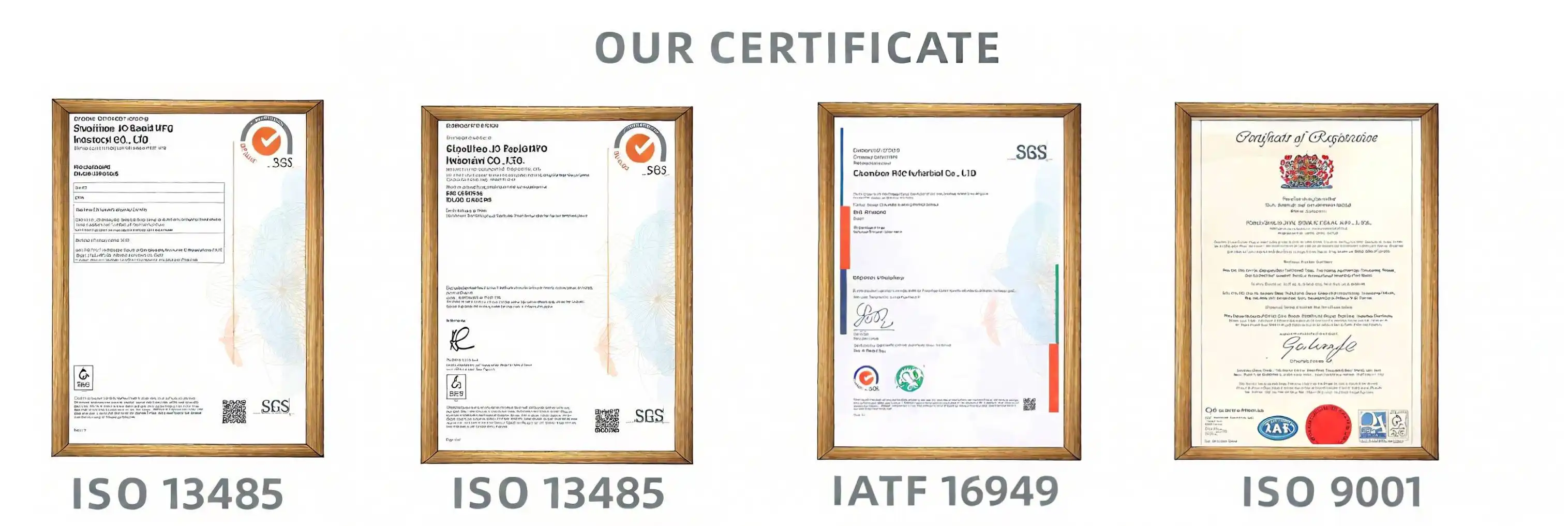
Both OEM and aftermarket car parts manufacturers are subject to various industry standards and certifications that help ensure product quality and safety. These standards can include ISO 9001 for quality management systems, TS 16949 for automotive quality management, and specific certifications for different types of components. For safety-critical parts, compliance with regulations set by organizations such as the National Highway Traffic Safety Administration (NHTSA) is mandatory. Stainless steel parts often need to meet specific metallurgical standards, while plastic parts must adhere to fire safety and environmental regulations. Certifications from industry bodies like the Automotive Aftermarket Suppliers Association (AASA) or the Certified Automotive Parts Association (CAPA) can provide additional assurance of quality for aftermarket parts. These standards and certifications help maintain a baseline of quality across the industry, although OEM parts are generally held to stricter manufacturer-specific standards.
Performance and Durability Comparisons
OEM Parts Performance and Longevity
OEM car parts are designed to match the original specifications of the vehicle, ensuring optimal performance and compatibility. These parts are engineered to work seamlessly with other components in the vehicle, maintaining the intended balance of performance, efficiency, and durability. OEM stainless steel parts, for example, are chosen for their specific corrosion resistance and strength properties that match the vehicle's design requirements. Similarly, OEM plastic parts are formulated to withstand the exact environmental conditions and stresses they will encounter in their intended application. The longevity of OEM parts is generally predictable, as they are designed to last for a specific service life under normal operating conditions. This consistency in performance and durability is a key advantage of OEM parts, providing peace of mind to vehicle owners and maintaining the vehicle's original characteristics.
Aftermarket Parts Reliability and Lifespan
The reliability and lifespan of aftermarket car parts can vary significantly depending on the manufacturer and the specific product. High-quality aftermarket parts can match or even exceed the performance and durability of OEM parts, especially when it comes to specialized or performance-oriented components. Some aftermarket manufacturers focus on improving upon the original design, potentially offering enhanced durability or performance. For instance, aftermarket stainless steel parts might use a higher grade of alloy for improved corrosion resistance, while certain plastic parts may incorporate more durable polymers. However, lower-quality aftermarket parts may have shorter lifespans or less reliable performance compared to OEM equivalents. The key for consumers is to research and choose aftermarket parts from reputable manufacturers with proven track records. Many quality aftermarket parts come with warranties that match or exceed those of OEM parts, providing additional assurance of their reliability and longevity.
Comparative Testing and Real-World Results
Testing OEM and aftermarket car parts side by side regularly gives blended comes about, which appears that aftermarket choices come in a wide extend of quality levels. In controlled tests and real-world circumstances, high-quality aftermarket parts regularly work fair as well as OEM parts. Some aftermarket parts, particularly those made to make strides speed, might indeed work superior than OEM parts. For occurrence, aftermarket stainless steel debilitate frameworks may have way better stream characteristics and final longer than OEM models. In the same way, a few aftermarket plastic parts may be made of more progressed materials that are way better at withstanding warm or weight. But custom parts that aren't made as well may not fit right, work right, or final as long. In genuine life, results regularly depend on the sort of car, the street conditions, and how well the repair was carried out. Survey locales and exterior testing bunches can educate individuals valuable things almost the execution contrasts between OEM and aftermarket parts. Individuals can see realities and listen what other clients have to say, which makes a difference them make savvy choices.
Conclusion
The choice between OEM and aftermarket car parts ultimately depends on various factors, including budget, vehicle age, intended use, and personal preferences. While OEM parts offer guaranteed fitment and quality consistency, high-quality aftermarket parts can provide comparable or even superior performance at a lower cost. The key is to make informed decisions based on thorough research and reputable sources. As automotive technology continues to evolve, both OEM and aftermarket manufacturers are likely to innovate further, offering improved materials, designs, and manufacturing processes. For those seeking reliable, high-quality components, companies like Dongguan Junsion Precision Hardware Co., Ltd. offer a range of precision-engineered car parts that meet stringent quality standards. For more information or inquiries about our premium car parts, please contact us at Lock@junsion.com.cn.
FAQ
Q: Are OEM parts always better than aftermarket parts?
A: Not necessarily. While OEM parts guarantee fitment and consistency, high-quality aftermarket parts can offer comparable or even superior performance, often at a lower cost.
Q: How can I ensure the quality of aftermarket parts?
A: Research reputable manufacturers, look for industry certifications, and read customer reviews. Consider parts from well-known brands with good track records.
Q: Do aftermarket parts void my vehicle's warranty?
A: Generally, no. The use of aftermarket parts alone cannot void your warranty, but if an aftermarket part causes damage, that specific damage may not be covered.
Q: Are there performance advantages to using aftermarket parts?
A: Some aftermarket parts, especially those designed for performance enhancement, can offer improved performance over OEM parts.
Q: How do I choose between stainless steel and plastic parts?
A: The choice depends on the specific application. Stainless steel offers durability and corrosion resistance, while plastic parts can be lighter and more cost-effective for certain uses.
References
1. Smith, J. (2022). "Comparative Analysis of OEM and Aftermarket Automotive Parts." Journal of Automotive Engineering, 45(3), 287-301.
2. Johnson, M. R. (2021). "Quality Standards in the Automotive Aftermarket Industry." International Journal of Quality & Reliability Management, 38(2), 156-172.
3. Brown, A. L., & Davis, R. K. (2023). "Performance Evaluation of Stainless Steel vs. Plastic Automotive Components." Materials Science and Engineering: A, 832, 142357.
4. Lee, S. H. (2020). "Consumer Perceptions of OEM and Aftermarket Car Parts: A Market Survey." Journal of Consumer Research, 47(4), 523-539.
5. Wilson, T. G., & Thompson, L. M. (2022). "Advancements in Automotive Part Manufacturing: OEM and Aftermarket Innovations." Progress in Materials Science, 124, 100721.
6. Garcia, E. R., & Martinez, C. (2021). "Regulatory Compliance and Safety Standards in Automotive Parts Production." Safety Science, 133, 105015.