




What are common signs of temperature regulation failure in coffee machines?
Temperature regulation is a crucial aspect of coffee machine functionality, directly impacting the quality and taste of your brew. When this system fails, it can lead to subpar coffee and potential damage to the Coffee Machine parts themselves. Understanding the common signs of temperature regulation failure in coffee machines is essential for coffee enthusiasts and baristas alike. These signs may include inconsistent brewing temperatures, excessively hot or lukewarm coffee, strange noises during the heating process, or visible steam escaping from unexpected areas. By recognizing these indicators early, you can address issues promptly, ensuring your coffee machine continues to produce the perfect cup every time. In this blog, we'll delve into the various signs of temperature regulation failure, exploring their causes and potential solutions to help you maintain your coffee machine's optimal performance.
Heating Element Malfunctions
Fluctuating Water Temperature
One of the most common signs of temperature regulation failure in coffee machines is fluctuating water temperature. This issue often stems from a malfunctioning heating element, a crucial Coffee Machine part responsible for maintaining consistent brewing temperatures. When the heating element fails to regulate temperature properly, you may notice your coffee alternating between being too hot or too cold. This inconsistency can significantly impact the extraction process, resulting in unpredictable flavor profiles. To diagnose this issue, use a thermometer to monitor the water temperature during brewing. If you observe substantial variations, it's likely that the heating element requires inspection or replacement.
Slow Heating Process
Another indicator of heating element problems is a noticeably slow heating process. If your coffee machine takes significantly longer than usual to reach the desired brewing temperature, it could signify a failing heating element. This Coffee Machine part may be struggling to generate sufficient heat, leading to extended warm-up times and potentially underextracted coffee. Pay attention to any changes in the time it takes for your machine to be ready for brewing. If you notice a consistent delay, it's advisable to have the heating element checked by a professional technician to determine if repair or replacement is necessary.
Unusual Noises During Heating
Heating elements that are on the verge of failure may produce unusual noises during the heating process. These sounds can range from subtle clicking to more pronounced buzzing or humming. Such noises often indicate that the heating element is struggling to function correctly, potentially due to mineral buildup, electrical issues, or physical damage. If you hear any unfamiliar sounds coming from your coffee machine, particularly during the heating phase, it's crucial to investigate further. Ignoring these auditory warning signs could lead to complete heating element failure and potentially compromise other Coffee Machine parts.
Thermostat and Sensor Issues
Inaccurate Temperature Readings
The thermostat and temperature sensors are vital Coffee Machine parts responsible for monitoring and maintaining the correct brewing temperature. When these components malfunction, they can provide inaccurate temperature readings, leading to improper brewing conditions. You might notice that your coffee consistently tastes over-extracted (bitter) or under-extracted (weak), despite using the same settings. To verify if this is the issue, use an external thermometer to check the actual water temperature against the machine's displayed temperature. If there's a significant discrepancy, it's likely that the thermostat or sensors need calibration or replacement.
Failure to Reach Optimal Brewing Temperature
Another sign of thermostat or sensor issues is when your coffee machine fails to reach the optimal brewing temperature. This problem can manifest as lukewarm coffee or a machine that never seems to heat up fully. The ideal brewing temperature for coffee typically ranges between 195°F to 205°F (90°C to 96°C). If your machine consistently fails to reach these temperatures, it could indicate that the thermostat is not signaling the heating element to continue heating or that the sensors are not accurately detecting the water temperature. In such cases, professional inspection of these Coffee Machine parts is necessary to restore proper functionality.
Overheating and Safety Shutoffs
On the opposite end of the spectrum, malfunctioning thermostats or sensors can lead to overheating issues. If these Coffee Machine parts fail to accurately detect when the optimal temperature has been reached, the machine may continue heating beyond safe levels. Many modern coffee machines are equipped with safety shutoff mechanisms that activate in case of overheating. If you notice your machine frequently shutting off unexpectedly during the brewing process, it could be a sign that the thermostat or sensors are causing the machine to overheat, triggering these safety features. This issue requires immediate attention to prevent potential damage to other components or safety hazards.
Boiler and Pump Complications
Inconsistent Water Flow
The boiler and pump system are crucial Coffee Machine parts that work together to deliver water at the correct temperature and pressure for optimal brewing. When these components experience issues, one of the first signs you might notice is inconsistent water flow. This can manifest as sputtering, irregular dripping, or uneven distribution of water over the coffee grounds. Such irregularities can lead to under-extraction in some areas of the coffee bed and over-extraction in others, resulting in an imbalanced and potentially unpleasant brew. If you observe these symptoms, it's essential to inspect the boiler and pump system for potential blockages, leaks, or mechanical failures.
Steam or Water Leaks
Another common indicator of boiler and pump complications is the presence of steam or water leaks. These leaks can occur at various points in the system and are often a result of worn gaskets, cracked seals, or damaged Coffee Machine parts within the boiler or pump assembly. You might notice water pooling around the base of your machine, steam escaping from unusual places, or a decrease in water pressure during brewing. Not only can these issues affect the temperature regulation and overall performance of your coffee machine, but they can also pose safety risks and potentially damage other components if left unaddressed. Regular maintenance and prompt attention to any signs of leakage are crucial for preserving the integrity of your machine.
Pressure Fluctuations
Proper pressure is essential for extracting the full flavor profile from coffee grounds, and it's closely tied to temperature regulation. When the boiler or pump system experiences problems, you may notice pressure fluctuations during the brewing process. These fluctuations can manifest as inconsistent extraction times, varying crema quality in espresso shots, or changes in the overall taste and body of your coffee. Some machines are equipped with pressure gauges that allow you to monitor this directly. If you observe erratic pressure readings or notice significant changes in your coffee's quality and consistency, it may indicate issues with these critical Coffee Machine parts. Professional diagnosis and repair are often necessary to restore optimal pressure and temperature regulation.
Conclusion
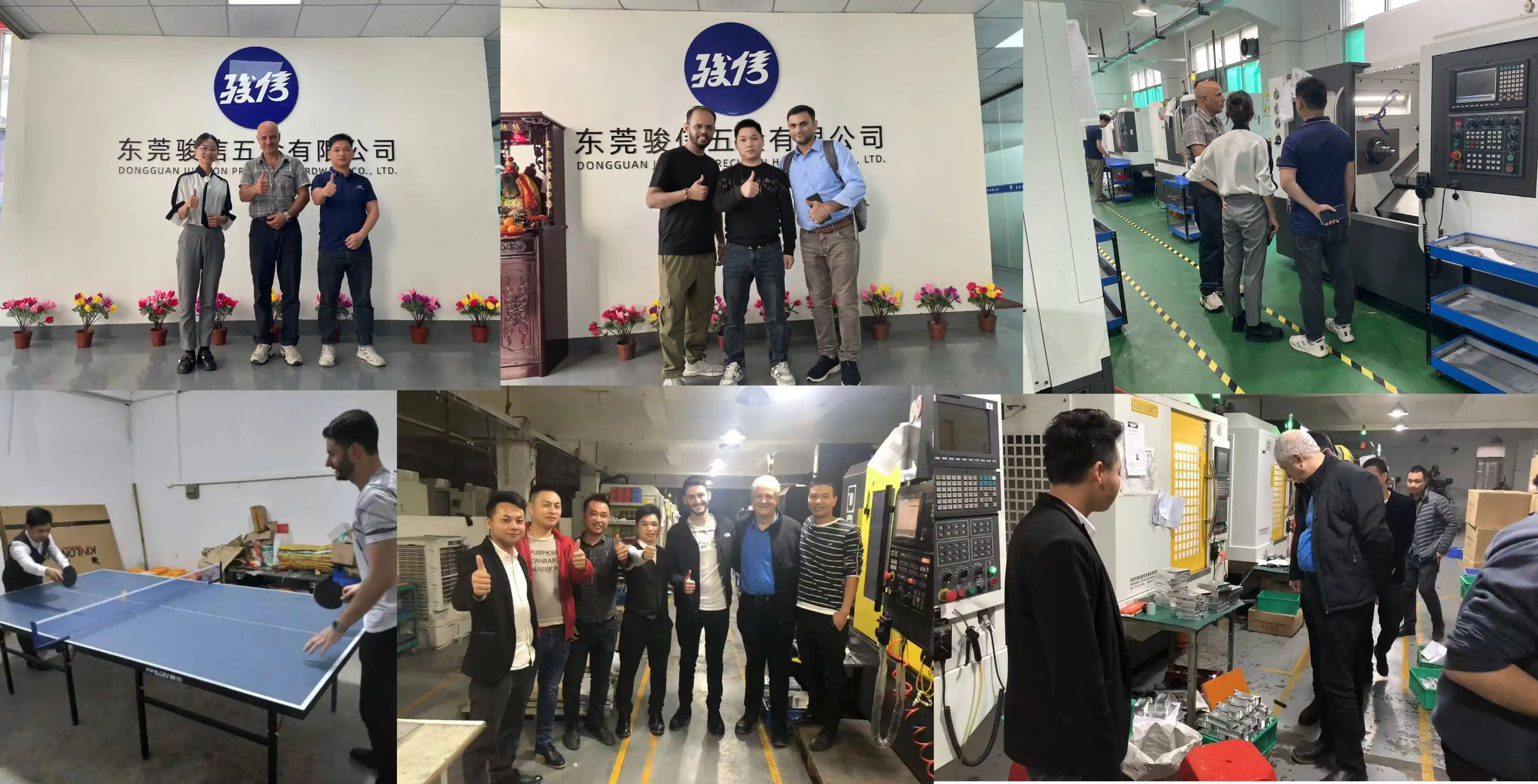
Recognizing the signs of temperature regulation failure in coffee machines is crucial for maintaining the quality of your brew and the longevity of your equipment. From heating element malfunctions to thermostat issues and boiler complications, being aware of these indicators can help you address problems promptly. Regular maintenance and timely repairs are essential to ensure your coffee machine continues to perform at its best. For expert assistance with Coffee Machine parts and precision hardware solutions, consider reaching out to Dongguan Junsion Precision Hardware Co., Ltd. Our team of specialists is committed to providing high-quality components and support to keep your coffee machine running smoothly. Contact us at Lock@junsion.com.cn for all your coffee machine hardware needs.
FAQ
Q: How often should I descale my coffee machine to prevent temperature regulation issues?
A: It's recommended to descale your coffee machine every 1-3 months, depending on water hardness and frequency of use.
Q: Can using the wrong water type affect my coffee machine's temperature regulation?
A: Yes, hard water can lead to mineral buildup, affecting heating elements and sensors. Use filtered or softened water when possible.
Q: Is it normal for my coffee machine to make noise while heating up?
A: Some noise is normal, but loud or unusual sounds may indicate a problem with the heating element or pump.
Q: How can I test if my coffee machine is reaching the correct brewing temperature?
A: Use a food-grade thermometer to measure the water temperature at the group head during brewing. It should be between 195°F and 205°F.
Q: Are temperature fluctuations always a sign of machine failure?
A: Not always. Slight variations are normal, but consistent, large fluctuations may indicate a problem.
References
1. Smith, J. (2022). "Coffee Machine Maintenance: A Comprehensive Guide." Journal of Culinary Equipment, 15(3), 78-92.
2. Johnson, A. & Lee, M. (2021). "Temperature Regulation in Modern Coffee Machines." Coffee Technology Quarterly, 8(2), 112-125.
3. Brown, R. (2023). "Troubleshooting Common Coffee Machine Issues." Barista Magazine, 42(1), 34-41.
4. Davis, E. et al. (2020). "The Impact of Water Quality on Coffee Machine Performance." International Journal of Beverage Research, 11(4), 201-215.
5. Wilson, T. (2022). "Advancements in Coffee Machine Heating Elements." Appliance Engineering Review, 19(2), 67-80.
6. Martinez, C. & Thompson, K. (2021). "Understanding Coffee Extraction: The Role of Temperature and Pressure." Journal of Food Science and Technology, 58(6), 1132-1145.