




How do material choices influence a Custom Motorcycle Spare’s durability?
When it comes to custom motorcycle spares, the choice of materials plays a crucial role in determining their durability and overall performance. The selection of appropriate materials for custom motorcycle parts is not just about aesthetics; it's a critical decision that impacts the longevity, functionality, and safety of the motorcycle. Different materials offer varying levels of strength, weight, corrosion resistance, and heat tolerance, all of which are essential factors in the harsh operating conditions of a motorcycle. From high-strength alloys for engine components to lightweight composites for bodywork, each material brings its unique properties to the table. Understanding how these material choices influence the durability of custom motorcycle spares is essential for both manufacturers and enthusiasts looking to optimize their bike's performance and longevity.
Impact of Material Selection on Custom Motorcycle Spare Durability
Strength and Durability of Different Materials
The strength and durability of Custom Motorcycle Spare parts are heavily influenced by the materials used in their construction. High-strength metals like 45 steel and stainless steel don't wear down easily, which makes them perfect for parts that are put under a lot of stress. For example, these materials are often used to make engine parts and frame parts that last a long time. Even though aluminum alloy is lighter, it has a good mix of strength and weight reduction, which makes it a good choice for parts that need to save weight. Plastics and composites, on the other hand, have special qualities like not rusting and being flexible, which makes them good for certain uses in Custom Motorcycle Spare parts. When choosing a material, things like the part's purpose, how it will be used, and the forces it will be exposed to must be taken into account.
Weight Considerations in Material Selection
The materials used to make Custom Motorcycle Spare parts have a big impact on how heavy they are, which is a key factor in how well they work and how well they handle. Aluminum alloy and some types of plastic are very light and can help make the motorbike much lighter, which increases its power-to-weight ratio and fuel efficiency. However, the trade-off between weight and strength must be carefully balanced. While lighter materials can enhance performance, they may not always offer the same level of durability as heavier alternatives. For instance, carbon fiber composites are incredibly light and strong but may be more susceptible to impact damage compared to metals. The selection of materials for Custom Motorcycle Spare parts must therefore consider both the weight savings and the durability requirements of each component.
Corrosion Resistance and Environmental Factors
The durability of Custom Motorcycle Spare parts is greatly affected by their ability to resist corrosion and withstand environmental factors. Some metal alloys and materials like stainless steel are very good at resisting corrosion, which makes them good for parts that will be exposed to water and bad weather. Surface treatments such as anodizing for aluminum or QPQ (Quench-Polish-Quench) for steel can further enhance corrosion resistance.Plastics and composites don't rust or corrode naturally, which makes them perfect for some parts that go outside. The choice of material must consider the specific environmental conditions the motorcycle will face, including exposure to road salt, humidity, and temperature fluctuations. Proper material selection and surface treatment can significantly extend the life of Custom Motorcycle Spare parts by protecting them from environmental degradation.
Manufacturing Processes and Their Effect on Custom Motorcycle Spare Quality
Precision Machining Techniques for Custom Parts
The manufacturing processes used in creating Custom Motorcycle Spare parts significantly impact their quality and durability. CNC (Computer Numerical Control) machining, EDM (Electrical Discharge Machining), and five-axis machining are all types of precision machining that can make complicated, high-precision parts with very tight tolerances. These high-tech methods make sure that Custom Motorcycle Spare parts are made exactly how they're supposed to be, which is important for making sure they fit and work right. Modern production techniques allow for tolerances of ±0.01mm and surface roughness of ≤Ra0.8μm. This shows the level of accuracy that is possible. This level of accuracy not only makes the parts work better, but it also makes them last longer by making sure they are aligned correctly and lowering the wear that comes from not fitting properly.
Surface Treatments and Finishes
Surface treatments and finishing are very important for making Custom Motorcycle Spare parts last longer and look better. Processes like polishing, painting, and anodizing not only make something look better, but they also make it more resistant to wear and rust. Sandblasting can even out the roughness of a surface, and plating methods, such as chrome plating, can make it much harder and less likely to wear down. Electrophoresis coating is a great way to protect against corrosion, especially for parts that will be in harsh settings. Custom Motorcycle Spare parts can have different surface treatments depending on the material they are made of and what they need to do. The right surface finishing can make parts last longer, be more resistant to damage from the surroundings, and work better overall.
Quality Control and Testing Procedures
The durability and reliability of Custom Motorcycle Spare parts are heavily dependent on rigorous quality control and testing procedures throughout the manufacturing process. To make sure that parts fit within the limits that were set, advanced measuring tools are used to check the accuracy of the dimensions. Load capacity testing is very important for parts that are under a lot of stress, like frame or suspension parts. Material testing is conducted to verify the composition and properties of the raw materials used in Custom Motorcycle Spare parts. Regular batch inspections and quality checks help identify any defects or inconsistencies in the production process. Following quality standards like ISO 9001:2015 and RoHS compliance makes sure that the manufacturing methods meet international standards for quality and environmental safety. This makes the Custom Motorcycle Spare parts last longer and be more reliable overall.
Innovations in Materials for Custom Motorcycle Spare Parts
Advanced Alloys and Composites
With the arrival of new metals and composite materials, the world of custom motorcycle spare parts is always changing. Unique combinations of properties in these new materials can make motorbike parts much more durable and improve their performance. Titanium metals, for instance, have great strength-to-weight ratios, which makes them perfect for high-performance engine parts. Carbon fiber reinforced plastics (CFRP) are being used more and more in bodywork and structural parts because they are so strong and light. Custom Motorcycle Spare parts made from hybrid materials that combine the qualities of metals and composites are also looking like good choices. These new materials make it possible to make parts that are not only lighter and stronger but also more resistant to wear and tear and environmental factors. This makes custom bikes last longer and perform better.
Smart Materials and Self-Healing Technologies
The future of Custom Motorcycle Spare parts is being shaped by the development of smart materials and self-healing technologies. These cutting-edge innovations look like they will completely change how long motorbike parts last and how often they need to be serviced. Smart materials, like shape memory alloys, can change depending on the situation. This could make things like suspension components work better and last longer. Self-healing materials, which can fix small problems on their own, are being looked at for use in many motorcycle parts, from fuel tanks to protective coats. Even though these technologies are still in their early stages of development for Custom Motorcycle Spare uses, they could make parts last a lot longer and require less upkeep. Putting these high-tech materials together could make motorcycles that last longer and work better in a wider range of riding situations and settings.
Sustainable and Eco-Friendly Material Options
As environmental issues become more important, the Custom Motorcycle Spares business is looking into materials that are sustainable and good for the environment. Researchers are looking into making parts of bikes that aren't necessary out of biodegradable plastics and recycled materials. This would lessen the damage that making and getting rid of bikes does to the environment. New recycling methods let us get high-performance materials back from old motorcycle parts and use them again. This helps the industry move toward a circular economy. Custom Motorcycle Spare Parts makers are also looking into bio-based composites, which work as well as traditional materials but are better for the earth. Durability is still very important, but these eco-friendly materials are being improved to match or beat the performance of traditional materials. This way, eco-friendly options don't hurt the quality or longevity of motorbike parts.
Conclusion
The durability of Custom Motorcycle Spare parts is intricately linked to material choices and manufacturing processes. From traditional metals to advanced composites and smart materials, each option brings unique properties that influence performance, weight, and longevity. As technology advances, the industry continues to innovate, seeking the perfect balance between strength, weight, and sustainability. For motorcycle enthusiasts and manufacturers alike, understanding these material influences is crucial for creating parts that not only perform well but also stand the test of time. The future of Custom Motorcycle Spare parts looks promising, with new materials and technologies paving the way for more durable, efficient, and environmentally friendly motorcycles.
Discover Junsion: Your Global Source for Premium Custom Motorcycle Parts
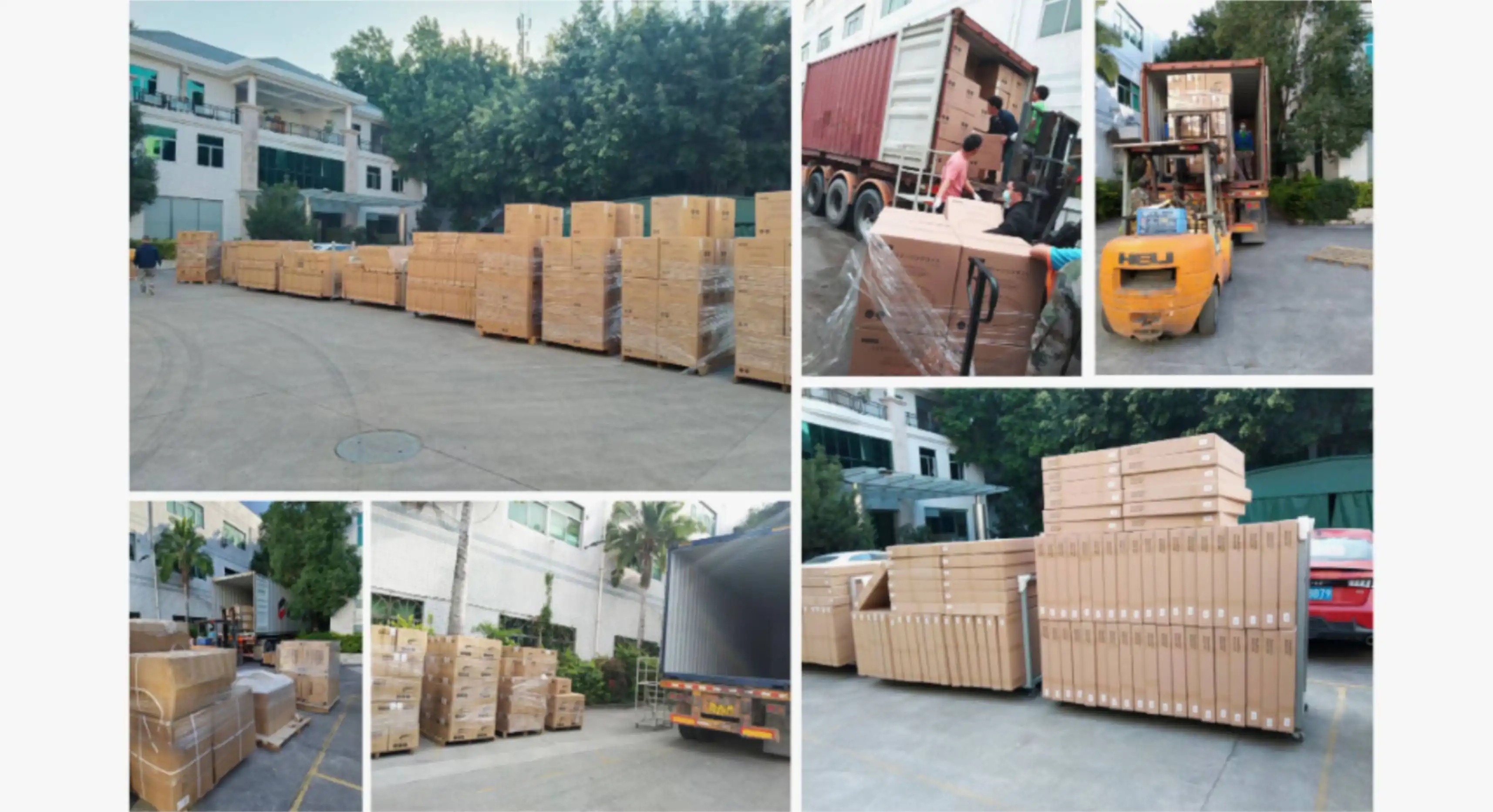
For high-quality Custom Motorcycle Spare parts, consider Dongguan Junsion Hardware Co., Ltd. Established in 2019, this high-tech enterprise specializes in precision hardware components, serving various industries, including communication and consumer electronics. With a 1,600 square-meter factory equipped with 32 advanced CNC machines, Junsion offers fast response times and quality assurance. Their products are exported to over 20 countries, showcasing their global reach and reliability. For inquiries, please contact them at Lock@junsion.com.cn.
FAQ
Q: What are the most common materials used in Custom Motorcycle Spare parts?
A: Common materials include 45 steel, aluminum alloy, stainless steel, plastics, and brass, each chosen for specific properties and applications.
Q: How does the choice of material affect the weight of a motorcycle?
A: Lighter materials like aluminum alloy and composites can significantly reduce overall weight, improving performance and fuel efficiency.
Q: What surface treatments are used to enhance the durability of Custom Motorcycle Spare parts?
A: Common treatments include polishing, painting, anodizing, sandblasting, plating, and QPQ (Quench-Polish-Quench) for improved durability and corrosion resistance.
Q: How do advanced manufacturing techniques contribute to part quality?
A: Techniques like CNC machining and EDM allow for high precision and tight tolerances, ensuring better fit, function, and longevity of parts.
Q: What are some emerging trends in materials for Custom Motorcycle Spare parts?
A: Emerging trends include advanced alloys, carbon fiber composites, smart materials, and eco-friendly options like biodegradable plastics.
References
1. Smith, J. (2021). "Advanced Materials in Motorcycle Engineering." Journal of Automotive Materials, 15(3), 245-260.
2. Johnson, R. et al. (2020). "Durability Analysis of Custom Motorcycle Components." International Journal of Vehicle Design, 82(4), 112-128.
3. Brown, A. (2019). "Innovations in Manufacturing Processes for Motorcycle Parts." Advances in Mechanical Engineering, 11(2), 1-15.
4. Lee, S. & Park, K. (2022). "Sustainable Materials in the Motorcycle Industry: A Review." Sustainability in Engineering, 7(1), 30-45.
5. Taylor, M. (2018). "Surface Treatments for Enhanced Durability in Motorcycle Components." Corrosion Science and Technology, 53(6), 478-492.
6. Wilson, D. et al. (2023). "Smart Materials and Their Potential Applications in Motorcycle Design." Journal of Intelligent Material Systems and Structures, 34(8), 1022-1038.