




Carbide Milling Inserts for Steel: What to Consider?
Choosing the right carbide milling inserts has a direct impact on productivity, surface quality, and operating costs when machining steel components. These indexable cutting edges are manufactured from tungsten carbide—a material with exceptional hardness—and feature specific geometries and coatings engineered to withstand the thermal and mechanical stresses of steel cutting. To achieve optimal tool life and cutting efficiency while controlling costs, procurement managers must evaluate insert composition, coating technology, geometry, and compatibility with the specific steel grades being machined. Each of these factors interacts with the machining parameters to determine overall performance and cost‑effectiveness in production environments.
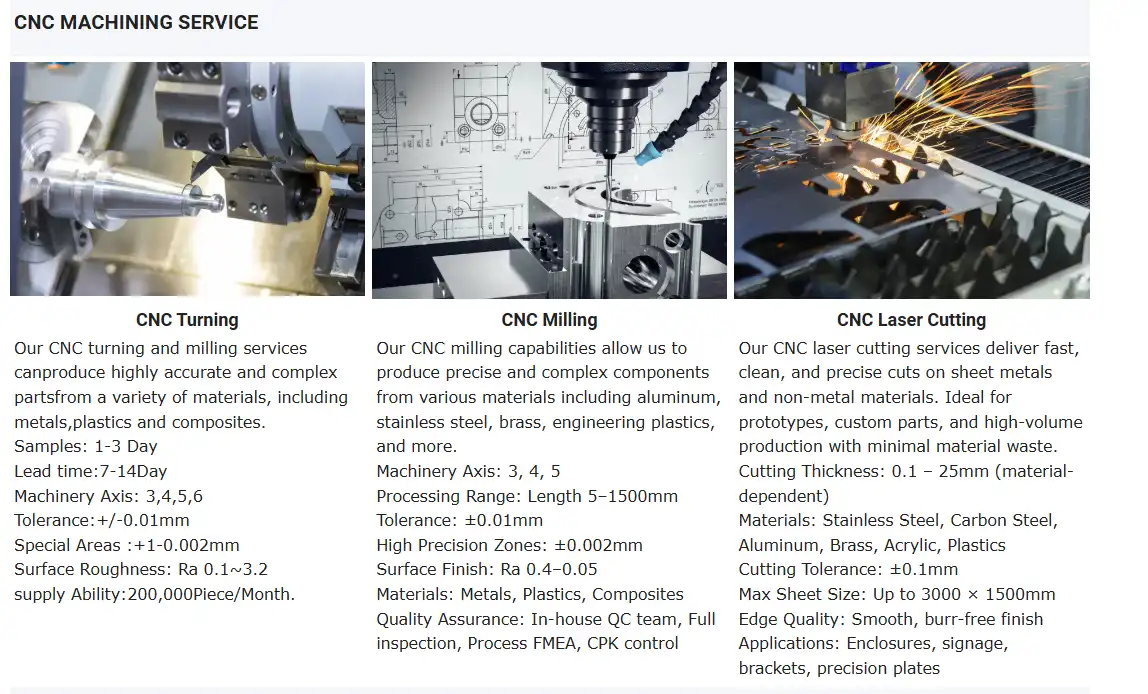
Understanding Carbide Milling Inserts for Steel
When they replaced high-speed steel cutting tools in commercial settings, carbide cutting tools changed the way metalworking was done. The main benefit comes from the way they are made: tungsten carbide particles joined with cobalt make a material that is much stronger and can handle more heat than regular tool steels.
What Makes Carbide Superior for Steel Machining
On the Mohs scale, tungsten carbide is between 8.5 and 9, which is close to diamond's grade of 10. When working with sharpened steels, stainless metals, and rough materials, this high hardness means that the tools will last longer. Because the material is thermally stable, carbide milling inserts can keep their cutting edges at temperatures above 900°C, while high-speed steel would soften and break. Also, carbide is about twice as stiff as steel, which means it doesn't bend as much during big cuts and is better for maintaining precise measurements in precision industrial settings.
Insert Geometry and Coating Technologies
Modern insert design takes into account many technical factors that affect how well it cuts. Rake angles affect how chips form and how hard the blade cuts. Positive rake angles lower power use but make the cutting edge weaker, while negative rake shapes make irregular cuts stronger, which is common in steel milling. Chipbreaker designs that are moulded into the insert surface twist and break chips into pieces that are easier to handle. This keeps chips from being long and stringy, which can get caught on tools and workpieces.
Coating technology improves the performance of inserts beyond what base carbide can do. Titanium nitride (TiN) treatments make surfaces hard and low-friction. This makes it easier for materials to stick to tools and increases their life by 200 to 300 per cent in many steel uses. Titanium aluminium nitride (TiAlN) is great for dry cutting or processes that don't need much water because it resists rusting better at high temperatures. Aluminium titanium nitride (AlTiN) films are great for cutting tough steels at high speeds. At cutting temperatures, they make a safe aluminium oxide layer that keeps the material from getting damaged by heat.
Matching Insert Grades to Steel Types
Stainless steels, alloy steels, and carbon steels all have different cutting problems that need specific insert specs. Low-hardness carbon steels are easy to make with general-purpose grades, but high-carbon tool steels need stronger bases that can fight wear better. Because stainless steel tends to work-harden and doesn't conduct heat well, it can cause built-up edge problems that can be fixed with special shapes and coats. For different cutting conditions, alloy steels with chromium, molybdenum, or nickel need insert types that balance hardness and wear resistance.

Key Factors to Consider When Selecting Carbide Milling Inserts for Steel
Successful insert selection requires systematic evaluation of multiple interdependent factors that collectively determine machining outcomes and cost-effectiveness.
Steel Grade Compatibility and Machining Requirements
Stainless steel families present distinct machining challenges for carbide milling inserts. Austenitic grades such as 304 and 316 work‑harden rapidly and generate substantial heat, requiring inserts with sharp cutting edges and positive geometries. Martensitic stainless steels behave more like hardened tool steels and benefit from robust edge preparation and wear‑resistant coatings. Precipitation‑hardening stainless alloys combine high strength with toughness, necessitating carbide grades optimised for interrupted cuts and variable thermal loads. Understanding these material‑specific behaviours is essential for selecting inserts that deliver acceptable tool life and surface finish while avoiding premature failure.
Insert Geometry Parameters
Cutting forces and heat production are greatly affected by the rake angle. Positive rake angles between 5° and 20° cause a slicing action that lowers cutting pressure, which is good for finishing tasks that need a smooth surface. Negative rake shapes make the cutting edge stronger, so it can handle heavy roughing cuts and the stopping and starting that is typical in steel production.
Coating Selection for Enhanced Performance
The type of coating chosen relies on the material of the item, the cutting speed, and the temperature. When very sharp edges are needed, like when milling aluminium, uncoated carbide grades still have a small edge. But treated inserts are better for steel uses. TiN-coated plugs make basic steel cutting processes more efficient and cost-effective. TiAlN layers allow 20–30% faster cutting speeds in tasks that generate heat, such as milling stainless steel. When cutting harder steels at high speeds, where cutting edge temperatures get close to 1000°C, AlTiN coats protect the inserts.
Cost-Efficiency Analysis
When a business buys something, they weigh the original cost of the tools against the total cost per part. Premium insert grades cost more, but they last longer, which means less tool replacement and machine downtime. Finding the real economic value is easier when you look at the cost per cutting-edge instead of the cost per insert. An insert that lasts three times longer deserves a 100% price increase. Production volume affects the best choice; high-volume operations benefit from luxury inserts that maximise downtime, while low-volume jobs may prefer general-purpose types that are more cost-effective.
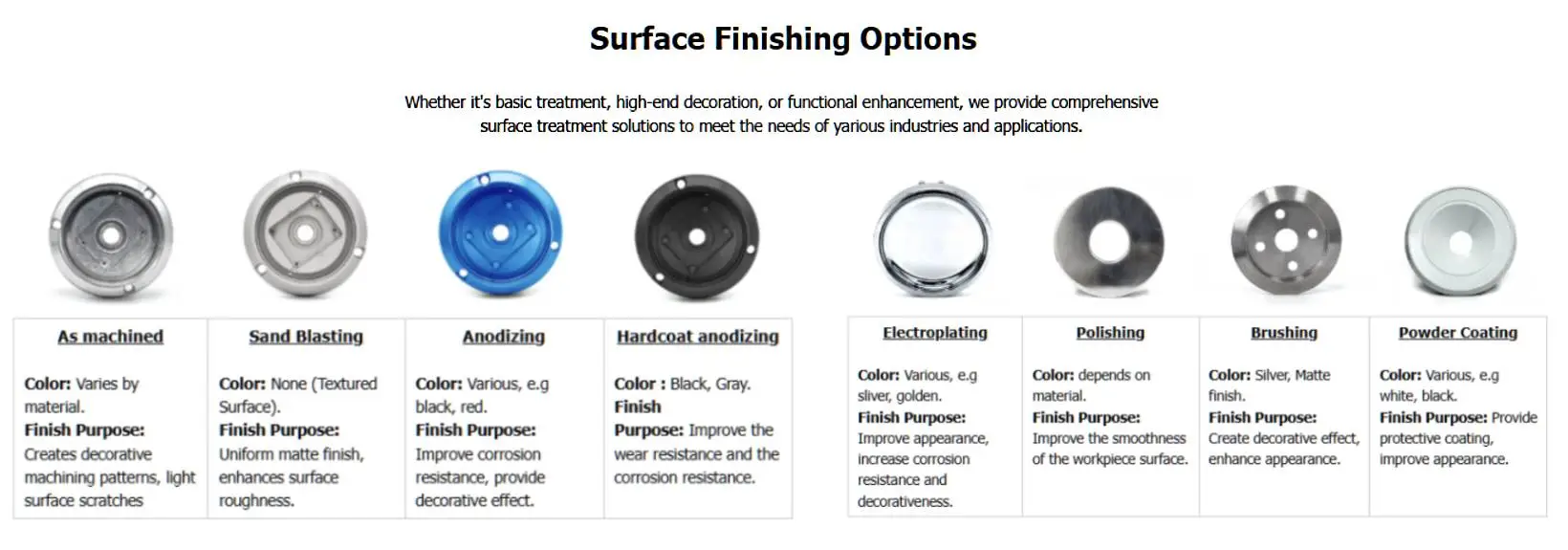
Comparing Carbide Milling Inserts with Alternative Solutions
Understanding alternative cutting tool materials clarifies where carbide inserts excel and where specialised options may prove superior.
High-Speed Steel Versus Carbide Performance
Before carbide became a good investment, most metalworking tools were made of high-speed steel (HSS). HSS is tougher than carbide and is less likely to break when cuts are stopped or when it is loaded suddenly. This means that HSS can be used for hand cutting, small production runs, and tasks where the risk of breaking the tool is greater than the risk of wear. But because carbide is harder than HSS, it can be cut at speeds three to five times faster, which greatly reduces cycle times in industrial settings.
Because it is thermally stable, carbide stays hard at temperatures where HSS softens. This lets it be used for dry cutting or with little cooling, which HSS can't handle. Even though they cost more at first, carbide milling inserts are the standard for CNC-controlled steel cutting because they are more productive thanks to faster speeds and longer tool life.
Ceramic and Cermet Insert Applications
Ceramic plugs are great for finishing at high speeds on steels that are harder than 45 HRC because they are very hard and don't change shape when heated. This lets them cut at speeds faster than carbides can. Ceramics, on the other hand, can only be used in stable, rigid setups where cuts don't need to be stopped. Cermet plugs, which are made of ceramic and metal, are between how tough carbides are and how hard ceramics are. This makes them useful for finishing difficult materials.
The balanced qualities of carbide make it a good choice for most steel-cutting tasks. Ceramic plugs have specific uses in the mass production of strengthened parts, where their speed benefits outweigh the need for more care during setup and a higher risk of breaking.
Coated Versus Uncoated Insert Economics
Treated carbide inserts usually cost 30 to 50 per cent more than similar types that aren't treated, but they have 200 to 400 per cent longer tool life when used to machine steel. This efficiency edge means that the cost of each part is cheaper, there are fewer changeovers, and production is higher. In some situations, like when cutting soft, gooey materials where coatings might build up on the edge, or when making very light finishing cuts where coating thickness might affect edge sharpness, uncoated inserts are still a good value.
Coated plugs are useful for almost all steel grinding processes. TiAlN-coated carbide grades offer the best mix of price and performance for standard steel cutting in a wide range of tasks and steel types.
Indexable Insert Advantages in Production
Indexable carbide milling inserts changed the way things were made by letting edges be changed quickly without taking toolholders off the machines. When one cutting edge wears down, workers just flip the insert to reveal a new one. This makes tool changes faster, taking seconds instead of minutes for brazed tools. This design cuts down on machine downtime, lowers stocking costs by combining multiple cutting edges into a single insert, and makes sure that the shape of the tool stays the same when the edge is changed.
When insert forms and fastening systems are standardised, procurement managers can combine tool sources and simplify their inventory. ISO-standard shapes make sure that all machine tools and processes can work together. This helps lean production efforts that aim to cut down on variation and the costs of keeping inventory.
Procurement Insights: How to Buy Carbide Milling Inserts for Steel
Strategic procurement of cutting tools requires balancing technical performance with supplier reliability and total cost considerations.
Evaluating Supplier Credibility and Brand Reputation
Leading manufacturers like Sandvik Coromant, Kennametal, Iscar, and Sumitomo Electric represent industry benchmarks for quality and innovation. These established brands invest heavily in research and development, producing advanced grades and geometries optimised for specific applications. Their technical support teams provide application engineering assistance, helping buyers select optimal tooling configurations and cutting parameters.
Minimum Order Quantities and Volume Pricing
Most insert manufacturers establish minimum order quantities ranging from 10 to 100 pieces per order, depending on insert complexity and coating specifications. Standard geometries with common coatings typically feature lower MOQs, while specialised grades may require larger commitments. Volume pricing tiers incentivise bulk purchasing—orders exceeding 500-1000 pieces often qualify for 15-25% discounts compared to small-quantity pricing.
Sample Testing and Performance Validation
Sample orders enable pre-purchase validation of insert performance in actual production conditions. Requesting sample quantities of 5-10 inserts allows comprehensive testing across multiple cutting parameters and tool life evaluation. Documenting baseline performance metrics—tool life, surface finish, power consumption, and dimensional accuracy—provides objective comparison data when evaluating alternative suppliers or grades.
Pricing Factors and Total Cost Evaluation
Insert pricing varies based on multiple factors, including carbide grade composition, coating complexity, geometry precision, and brand positioning. General-purpose grades with standard TiN coatings represent baseline pricing, while advanced substrates with multi-layer coatings command 50-200% premiums. Specialised geometries requiring custom grinding operations increase costs compared to standard ISO shapes produced in high volumes.
Logistics and Inventory Management
Reliable delivery schedules support lean manufacturing operations, minimising inventory carrying costs. Lead times for standard insert geometries typically range from 1-4 weeks, while custom or specialised grades may require 6-12 weeks for production. Establishing vendor-managed inventory (VMI) programs shifts inventory responsibility to suppliers while ensuring consistent tooling availability.
Best Practices & Maintenance Tips for Maximising Carbide Milling Insert Performance in Steel Machining
Optimising the performance of carbide milling inserts requires attention to handling, cutting parameters, and systematic replacement protocols that maximise tool life while maintaining quality standards.
Proper Handling and Storage Procedures
Carbide's extreme hardness creates inherent brittleness—inserts chip or cracks when dropped onto hard surfaces or impacted against metal objects. Establishing proper handling protocols prevents premature damage that compromises performance. Storage in organised containers with individual compartments prevents inserts from contacting each other during transport or storage. Coating damage from improper handling creates friction points that accelerate wear and reduce tool life.
Environmental factors affect insert performance and longevity. Humidity exposure may corrode exposed carbide surfaces or degrade packaging materials, while temperature cycling can create micro-cracks in coatings. Climate-controlled storage areas maintain consistent conditions that preserve insert quality from receipt through installation.
Optimising Cutting Parameters for Steel Types
Cutting speed, feed rate, and depth of cut interact to determine tool life, surface finish, and productivity. Manufacturers provide recommended starting parameters based on workpiece material and insert specifications. Cutting speeds for carbon steel typically range from 300-500 surface feet per minute (SFM), depending on hardness and insert grade, while stainless steel machining proceeds at reduced speeds of 150-300 SFM due to work-hardening and heat generation.
Feed rates for carbide milling inserts balance productivity against tool life—higher feeds increase material removal rates but generate greater cutting forces and heat. Optimal feed ranges typically fall between 0.004‑0.012 inches per tooth for finishing operations and 0.010‑0.025 inches per tooth for roughing cuts. Depth of cut selection considers insert strength and machine rigidity, with roughing operations removing 0.100‑0.250 inches per pass and finishing cuts taking 0.010‑0.030 inches. These parameters must be adjusted based on the specific steel grade, machine capability, and desired surface finish to achieve the most cost‑effective operation.
Adjusting parameters based on observed performance optimises results beyond generic recommendations. Monitoring surface finish, chip formation, power consumption, and tool wear patterns guides parameter refinement. Excessive built-up edge indicates insufficient cutting speed or worn inserts. Long stringy chips suggest inadequate chipbreaker effectiveness or feed rate adjustment needs. Rapid flank wear signals excessive cutting speed or inadequate coating selection for the application.
Systematic Inspection and Replacement Protocols
Routine insert inspection identifies wear progression before catastrophic failure damages workpieces or machine tools. Visual examination under magnification reveals flank wear land width, crater wear depth, and edge chipping that indicate approaching the end of tool life. Establishing wear limits based on quality requirements ensures timely replacement—typical thresholds include 0.015-0.030 inch flank wear for roughing operations and 0.005-0.010 inch for finishing cuts.
Implementing systematic replacement schedules based on measured tool life prevents unexpected failures during production. Documenting actual tool life under specific conditions creates baseline data for predictive maintenance. When measured tool life consistently exceeds or falls short of expectations, investigating root causes leads to process improvements—machine rigidity issues, coolant effectiveness, or parameter optimisation opportunities.
Real-world examples demonstrate significant performance variations based on minor parameter adjustments. A manufacturer machining 4140 steel components extended tool life from 45 to 78 parts per edge by reducing cutting speed 10% and increasing feed rate 15%, maintaining equivalent cycle times while reducing tooling costs 42%. Another operation improved surface finish from 85 Ra to 32 Ra by switching from negative to positive rake inserts and optimising coolant delivery directly to the cutting zone.
These practices foster continuous improvement cultures where operators and engineers collaborate to optimise machining processes. Small incremental gains compound over thousands of parts, delivering substantial cost reductions and quality improvements that strengthen competitive positioning in price-sensitive markets.
Conclusion
Selecting appropriate carbide milling inserts and cutting tools for steel machining operations requires balancing technical specifications against economic considerations and supplier capabilities. Understanding how insert geometry, coating technology, and grade composition affect performance across different steel types enables informed procurement decisions that optimise productivity and cost-efficiency. Comparing carbide alternatives clarifies where these tools excel and where specialised options may prove advantageous. Strategic supplier relationships, volume purchasing approaches, and rigorous performance validation protect quality standards while controlling expenses. Implementing disciplined handling procedures, optimised cutting parameters, and systematic replacement protocols maximises the return on tooling investments. These integrated approaches support manufacturing excellence in competitive global markets demanding both quality and cost discipline.
FAQ
How do I select the right carbide grade for my specific steel type?
Match carbide grade to steel hardness and composition. Soft carbon steels below 200 Brinell hardness work well with general-purpose grades featuring moderate toughness. Medium-hardness steels between 200-350 Brinell require balanced grades combining wear resistance with edge strength. Hardened steels above 350 Brinell demand premium grades with enhanced abrasion resistance and protective coatings. Stainless steels benefit from sharp geometries and heat-resistant coatings like TiAlN that handle work-hardening and thermal stress. Consult manufacturer selection guides matching insert specifications to workpiece properties, or request technical support from suppliers for application-specific recommendations based on your exact steel grade and machining operation.
Can coated inserts handle both stainless and carbon steel machining?
Modern multi-purpose coated carbide inserts effectively machine various steel types within their designed operating range. TiAlN-coated grades demonstrate versatility across carbon steels, alloy steels, and stainless families, though optimised performance requires parameter adjustments for each material. Stainless steel machining typically proceeds at 40-60% slower speeds than carbon steel due to work-hardening and heat generation. Universal inserts sacrifice some performance compared to material-specific grades but reduce inventory complexity when operations involve multiple steel types in lower volumes.
What tool life should I expect from quality carbide milling inserts in steel applications?
Tool life varies dramatically based on steel hardness, cutting parameters, and operation type. Roughing operations on medium-carbon steel typically achieve 30-90 minutes of cutting time per edge, translating to 15-50 parts depending on machining time per part. Finishing operations with lighter cuts may extend tool life to 100-200 parts per edge. Hardened tool steels reduce tool life by 50-70% compared to annealed steels. Documenting actual tool life in your specific application provides baseline data for evaluating alternative grades and optimising parameters.
Partner with Junsion for Precision Machining Components
Precision hardware manufacturing demands more than just selecting the right carbide milling inserts—it requires partnering with suppliers who understand your complete production needs. Junsion specialises in producing customised precision components with dimensional tolerances of ±0.01mm and surface roughness reaching Ra0.8μm using advanced CNC machining, EDM, turning, and five-axis operations. Our experience machining 6063, 7075, and 6061 aluminium alloys serves automation equipment, vehicle components, medical devices, aerospace applications, and robotics across more than 20 countries.
Our ISO 9001:2015 certified quality management system and RoHS compliance ensure components meet stringent international standards. Whether your operation requires precision brackets, custom fixtures, or specialised hardware working alongside your carbide milling insert investments, Junsion delivers fast response times and quality assurance throughout production. As a reliable carbide milling inserts supplier partner, we understand the importance of precision tooling in achieving tight tolerances and exceptional surface finishes.
Reach out to our engineering team at Lock@junsion.com.cn to discuss how our precision machining capabilities complement your steel processing operations, creating integrated solutions that optimise both tooling selection and component manufacturing for maximum efficiency and cost-effectiveness in your production environment.
References
1. Shaw, M.C. (2005). Metal Cutting Principles, 2nd Edition. Oxford University Press, New York.
2. Trent, E.M. & Wright, P.K. (2000). Metal Cutting, 4th Edition. Butterworth-Heinemann, Boston.
3. Sandvik Coromant. (2020). Modern Metal Cutting: A Practical Handbook. AB Sandvik Coromant, Technical Editorial Department, Sweden.
4. Stephenson, D.A. & Agapiou, J.S. (2016). Metal Cutting Theory and Practice, 3rd Edition. CRC Press, Boca Raton.
5. Kalpakjian, S. & Schmid, S.R. (2014). Manufacturing Engineering and Technology, 7th Edition. Pearson Education, Upper Saddle River.
6. ASM International Handbook Committee. (2019). ASM Handbook Volume 16: Machining. ASM International, Materials Park, Ohio.